What Role Does Commercial Auto Insurance Play in Logistics and Delivery Services?

The explosive growth of e-commerce and on-demand delivery services has fundamentally transformed the logistics landscape, creating unprecedented demand for commercial vehicles and the insurance coverage that protects them. As businesses increasingly rely on fleets of delivery vehicles to meet consumer expectations for rapid, reliable service, commercial auto insurance has evolved from a regulatory checkbox into a strategic business imperative. This comprehensive exploration examines how commercial auto insurance supports the logistics and delivery ecosystem, protects businesses from catastrophic losses, and enables the seamless flow of goods that modern consumers have come to expect.
Table of Contents
- Quick Summary
- What Are Logistics and Delivery Services and How Do They Relate to Commercial Auto Insurance?
- Why Is Commercial Auto Insurance Essential for Logistics Operations?
- What Types of Coverage Do Logistics Companies Need?
- How Do Different Vehicle Types Affect Insurance Requirements?
- What Factors Influence Commercial Auto Insurance Premiums?
- How Can Logistics Companies Reduce Insurance Costs?
- What Happens When Accidents Occur in Delivery Operations?
- How Does Technology Impact Commercial Auto Insurance?
- What Regulatory Requirements Govern Commercial Vehicle Insurance?
- Summing up
- Frequently Asked Questions
- Why Partner with Solution for Guru?
Quick Summary
Commercial auto insurance serves as the financial backbone of logistics and delivery operations, protecting businesses from the substantial risks associated with operating vehicle fleets. This specialized insurance coverage extends far beyond personal auto policies, addressing the unique exposures that commercial transportation creates including higher liability limits, cargo protection, and coverage for business interruption. Leading insurance providers such as BiBerk, Progressive, and Infinity Auto offer tailored solutions designed specifically for logistics and delivery businesses, with features ranging from flexible coverage options to technology-enabled risk management tools. As the delivery economy continues expanding, robust commercial auto insurance has become indispensable for businesses seeking to operate sustainably while protecting their financial stability against the inevitable risks of the road.
What Are Logistics and Delivery Services and How Do They Relate to Commercial Auto Insurance?
Logistics and delivery services encompass the complex network of activities involved in moving goods from manufacturers and distributors to end consumers or business customers. This sector includes diverse operations ranging from long-haul trucking companies transporting freight across interstate highways to local courier services delivering packages within urban areas, food delivery platforms bringing restaurant meals to customers’ doors, and specialized carriers handling temperature-sensitive pharmaceuticals or fragile electronics. Each segment operates under unique constraints and faces distinct challenges, yet all share a fundamental dependency on motor vehicles as their primary operating assets.
The relationship between logistics operations and commercial auto insurance proves inseparable because vehicles represent both the essential tools enabling these businesses and their greatest sources of financial risk. Every time a delivery driver takes to the road, the business faces potential exposure to bodily injury claims, property damage liability, cargo losses, and business interruption. A single serious accident involving a commercial vehicle can generate claims totaling millions of dollars, potentially devastating an uninsured or underinsured business. Consequently, appropriate commercial auto insurance transforms from an optional expense into an existential necessity for logistics operations of any scale.
Understanding Commercial Auto Insurance Fundamentals
Commercial auto insurance differs fundamentally from personal auto policies in several critical ways. First, coverage limits typically reach substantially higher thresholds to address the greater liability exposure that commercial operations create. Whereas personal policies might provide $100,000 to $300,000 in liability coverage, commercial policies routinely offer $1 million or more to protect against claims arising from serious accidents involving business vehicles. This enhanced protection reflects the reality that commercial vehicles often cause more severe accidents due to their size, weight, and operational patterns.
Moreover, commercial policies incorporate coverages specifically designed for business operations that personal policies exclude. These include protection for cargo being transported, coverage for hired and non-owned vehicles that employees might use for business purposes, and provisions addressing the business income losses that can occur when vehicles are damaged and unavailable for service. The policies also account for the diverse ways businesses use vehicles, from daily local deliveries to cross-country freight hauling, adjusting coverage terms and premiums accordingly.
Leading Insurance Providers for Logistics Operations
BiBerk

BiBerk has established itself as a valuable resource for small to medium-sized logistics and delivery businesses seeking accessible commercial auto insurance solutions. The company specializes in serving businesses that might struggle to obtain coverage through traditional carriers due to their size, limited operating history, or specific risk characteristics. BiBerk’s digital-first approach streamlines the application and quoting process, enabling logistics entrepreneurs to obtain coverage quickly without extensive paperwork or lengthy underwriting delays. Their platform particularly appeals to startups and growing delivery businesses that need flexible coverage options without the complexity that larger commercial insurance products sometimes entail.
Progressive

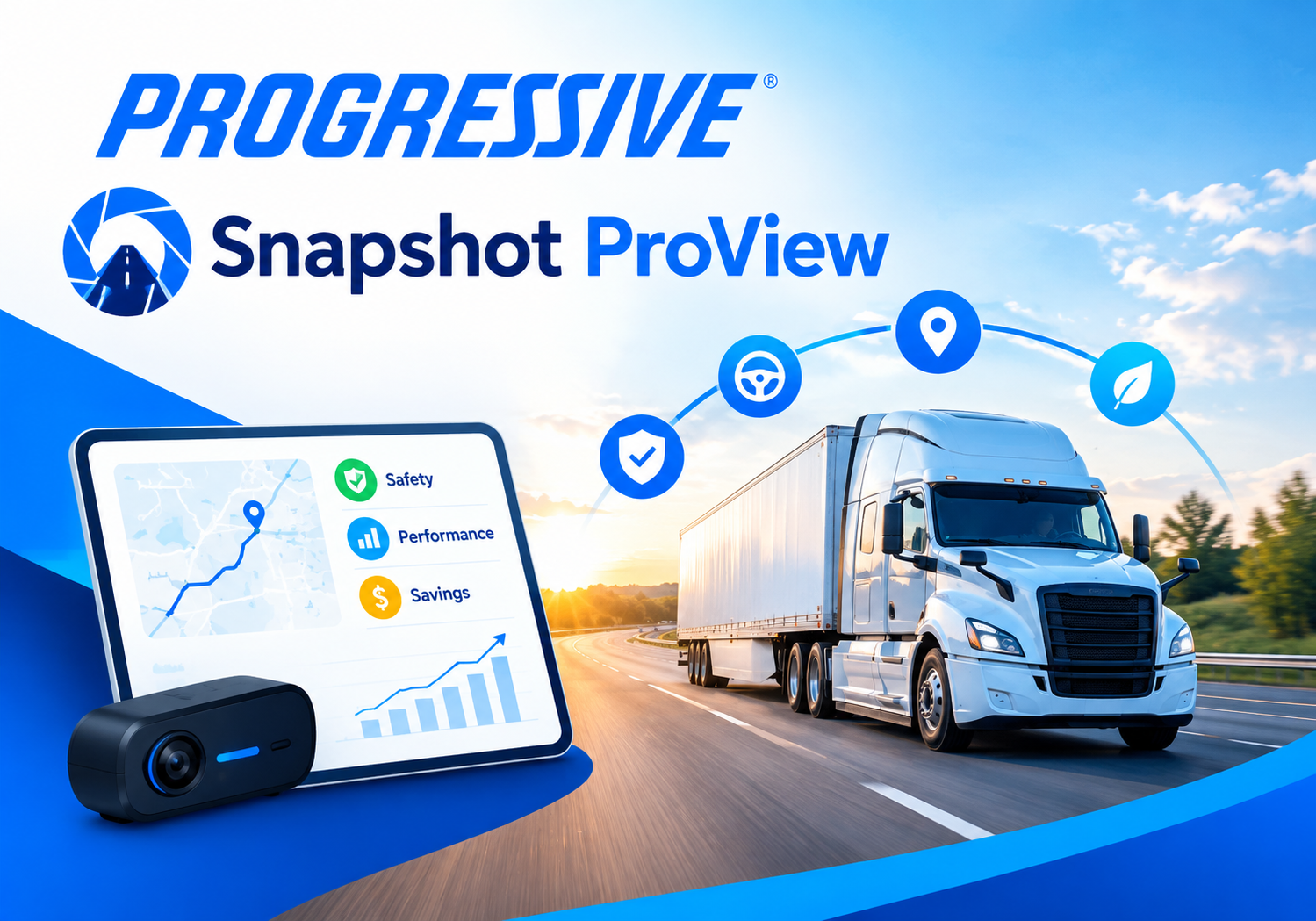
Progressive brings extensive commercial insurance expertise to the logistics sector, leveraging decades of experience insuring business vehicles across diverse industries. Progressive’s commercial auto offerings encompass comprehensive coverage options suitable for operations ranging from single-vehicle courier services to substantial fleet operations. The company has invested heavily in technology platforms that enable fleet managers to monitor driver behavior, track vehicle utilization, and access policy information digitally. Progressive’s Snapshot program, which uses telematics to assess actual driving patterns, has been adapted for commercial applications, allowing safe drivers and well-managed fleets to potentially reduce premiums through demonstrated risk management. Their broad product portfolio and national presence make them particularly attractive to growing logistics companies that anticipate expanding across multiple states.
Infinity Auto
Infinity Auto focuses on serving businesses and drivers who may face challenges obtaining coverage through standard markets, positioning themselves as an accessible option for logistics operators with non-standard risk profiles. The company understands that many delivery drivers and small logistics businesses operate with limited resources and may have less-than-perfect driving records or credit histories that traditional insurers view unfavorably. Infinity Auto’s underwriting approach considers the complete picture of risk rather than automatically declining coverage based on individual factors. This inclusive philosophy proves valuable for logistics businesses employing drivers from diverse backgrounds or operating in competitive markets where tight margins limit insurance budgets. Their payment flexibility and willingness to work with higher-risk profiles help ensure that logistics operations can obtain legally required coverage while building track records that may eventually qualify them for standard market coverage.
Comparing Major Commercial Auto Insurance Providers
| Provider | Best For | Key Strengths | Technology Features | Coverage Flexibility |
 | Small to mid-size logistics businesses, startups | Quick digital quoting, simplified application process, accessible underwriting | Online policy management, digital certificates | Customizable coverage limits, flexible payment options |
 | Growing fleets, multi-state operations | Extensive commercial experience, national presence, telematics programs | Snapshot for commercial, fleet tracking integration, mobile app | Comprehensive coverage options, scalable solutions for fleet growth |
| Non-standard risks, cost-conscious operators | Flexible underwriting, payment accommodations, inclusive approach | Basic online account management, digital payment options | Adaptable coverage structures, willingness to insure challenging risks |
Why Is Commercial Auto Insurance Essential for Logistics Operations?
The essential nature of commercial auto insurance for logistics operations stems from multiple interconnected factors that collectively create an environment where adequate coverage becomes non-negotiable for sustainable business operations. Understanding these factors helps logistics managers appreciate why insurance represents an investment in business continuity rather than merely a regulatory expense.
Protection Against Catastrophic Financial Losses
Accidents involving commercial vehicles can generate liability claims that dwarf the resources of most logistics businesses. When a delivery truck causes a multi-vehicle accident resulting in serious injuries or fatalities, the resulting claims can easily reach into millions of dollars. Medical expenses for catastrophic injuries often exceed $1 million for a single victim, while lost wages, pain and suffering, and punitive damages can multiply total exposure several times over. Without adequate insurance coverage, such claims would bankrupt most logistics operations, destroying businesses that owners may have spent years building.
Furthermore, commercial auto insurance protects against the cascading consequences that flow from major accidents beyond immediate liability claims. When vehicles are damaged and removed from service, businesses face lost revenue from delivery capacity they can no longer fulfill. Customers may switch to competitors if service becomes unreliable, creating long-term revenue impacts that extend far beyond the immediate accident. Comprehensive commercial policies can include business interruption coverage that compensates for these consequential losses, providing financial stability during recovery periods. Companies working with insurers like Progressive benefit from coverage structures that address both direct and indirect accident consequences, supporting business continuity even after serious incidents.
Meeting Legal and Contractual Requirements
Operating commercial vehicles without proper insurance violates state and federal regulations, exposing businesses to severe penalties including fines, vehicle impoundment, and loss of operating authority. Most states require minimum liability coverage for commercial vehicles, with requirements varying based on vehicle size, cargo type, and operational patterns. Interstate trucking operations face federal requirements under Federal Motor Carrier Safety Administration regulations that mandate minimum coverage levels far exceeding typical state requirements. Failing to maintain required coverage can result in businesses being shut down until they come into compliance, creating operational disruptions that may prove fatal to time-sensitive delivery operations.
Beyond regulatory mandates, commercial clients increasingly require delivery service providers to carry substantial insurance as a condition of doing business. Large retailers, e-commerce platforms, and corporate shipping departments routinely require vendors to maintain $1 million or more in liability coverage, often demanding to be named as additional insureds on policies. These contractual requirements reflect the reality that accidents involving delivery vehicles on client business can create liability exposure for the client themselves, making adequate vendor insurance a risk management necessity. Logistics businesses unable to demonstrate appropriate coverage through carriers like BiBerk or Infinity Auto may find themselves excluded from lucrative contracts, limiting growth opportunities regardless of their operational capabilities.
Building Business Credibility and Trust
Carrying robust commercial auto insurance signals professionalism and financial responsibility to customers, partners, and stakeholders. Businesses that maintain comprehensive coverage demonstrate their commitment to operating sustainably and honoring obligations even when accidents occur. This credibility proves particularly valuable for newer logistics operations competing against established players, as insurance coverage provides tangible evidence of business legitimacy that helps overcome customer concerns about working with less familiar providers.
Moreover, insurance relationships provide access to risk management resources that enhance operational safety beyond mere claims payment. Carriers like Progressive offer loss control services including driver training programs, safety consultations, and fleet management tools that help logistics companies reduce accident frequency and severity. These value-added services transform insurance relationships from transactional coverage purchases into partnerships that actively improve business operations, creating virtuous cycles where better safety performance leads to lower premiums and improved profitability.
What Types of Coverage Do Logistics Companies Need?
Commercial auto insurance encompasses numerous distinct coverage types, each addressing specific risks that logistics operations face. Understanding these coverage categories enables businesses to construct insurance programs that comprehensively protect against relevant exposures without paying for unnecessary coverages.
Liability Coverage Components
Bodily injury liability coverage forms the foundation of commercial auto insurance, protecting businesses when their vehicles cause accidents that injure other people. This coverage pays for medical expenses, lost wages, pain and suffering, and other damages that injured parties sustain, up to policy limits. Given the potentially catastrophic costs of serious injury claims, logistics companies should carry liability limits of at least $1 million per occurrence, with many operations opting for $2 million or higher limits to address worst-case scenarios. BiBerk offers liability coverage structures tailored to business size and risk profile, enabling even smaller operators to access appropriate protection levels.
Property damage liability covers the cost of repairing or replacing other people’s property that delivery vehicles damage, including other vehicles, buildings, utility infrastructure, and cargo belonging to others. While property damage claims typically generate smaller total exposures than bodily injury claims, a single accident involving expensive vehicles or property can still create substantial liability. Comprehensive logistics insurance policies combine bodily injury and property damage liability into combined single limit policies that provide maximum flexibility in applying coverage to actual claim costs, regardless of the specific mix of injuries and property damage an accident creates.
Physical Damage Coverage
Collision coverage pays to repair or replace business vehicles damaged in accidents, regardless of fault. For logistics operations dependent on vehicle availability to generate revenue, collision coverage proves essential for maintaining operational capacity after accidents. Without this coverage, businesses must fund repairs from operating capital or go without vehicles while accumulating funds, either option potentially crippling delivery capacity during critical periods. Progressive‘s commercial auto policies include collision coverage options with various deductible levels, allowing businesses to balance premium costs against out-of-pocket exposure based on their financial capacity and risk tolerance.
Comprehensive coverage protects against non-collision damages including theft, vandalism, fire, weather damage, and animal strikes. Delivery vehicles face elevated theft risk because they often carry valuable cargo and operate in diverse areas including high-crime neighborhoods. Additionally, weather exposure proves significant for vehicles that operate continuously across varied geographical areas and seasonal conditions. The combination of collision and comprehensive coverage, often referred to as “full coverage,” provides complete physical damage protection that ensures vehicle losses don’t create catastrophic business disruptions. Infinity Auto offers physical damage coverage structures that accommodate the budgetary constraints many smaller logistics operations face while still providing meaningful protection.
Specialized Logistics Coverages
Cargo insurance protects the goods that delivery vehicles transport, covering losses from accidents, theft, or damage during transit. This coverage proves critical for logistics operations handling valuable merchandise, as businesses typically bear legal responsibility for cargo in their custody even when losses result from circumstances beyond their control. Standard commercial auto policies exclude cargo, requiring separate cargo insurance or specific endorsements to provide this protection. The appropriate cargo coverage limits depend on the typical value of shipments handled, with some operations requiring coverage reaching into hundreds of thousands of dollars for high-value loads.
Motor truck cargo liability specifically addresses the legal liability logistics companies face for damage to customer goods while in their care, custody, and control. This coverage differs from standard cargo insurance by focusing on the liability exposure rather than direct property coverage, making it particularly relevant for carriers operating under contracts that establish their responsibility for cargo loss regardless of fault. Companies working with BiBerk can access cargo coverage options tailored to their specific hauling patterns and customer contracts, ensuring comprehensive protection for this critical exposure.
Hired and non-owned auto liability covers vehicles that businesses don’t own but use for business purposes, including rental vehicles and employee personal vehicles used for company business. This coverage proves essential for logistics operations that supplement company-owned fleets with rental vehicles during peak periods or that allow employees to use personal vehicles for deliveries. Without this coverage, businesses face potential liability gaps when accidents involve these non-owned vehicles, as personal auto policies typically exclude business use. Progressive‘s commercial policies include hired and non-owned coverage options that seamlessly extend protection across all vehicles used for business operations.
How Do Different Vehicle Types Affect Insurance Requirements?

The specific types of vehicles that logistics operations employ dramatically influence their insurance needs, premiums, and coverage structures. Understanding these vehicle-specific factors enables businesses to anticipate insurance costs accurately and structure coverage appropriately.
Light-Duty Delivery Vehicles
Vans, pickup trucks, and small cargo vehicles under 10,000 pounds gross vehicle weight represent the most common vehicle type for local delivery services, courier operations, and last-mile logistics. These vehicles typically generate lower insurance costs than larger commercial vehicles because they cause less severe accidents and face lower liability exposures. However, their extensive use in urban environments with heavy traffic, pedestrians, and cyclists creates frequent accident opportunities that insurers factor into pricing. Companies operating light-duty fleets can access competitive coverage through insurers like Infinity Auto, which specializes in serving this market segment with appropriately scaled coverage options.
Insurance for light-duty vehicles focuses primarily on liability protection and physical damage coverage, with most operations maintaining policies structured similarly to personal auto insurance but with commercial coverage enhancements. The distinction between personal and commercial use becomes critical, as personal auto policies explicitly exclude business use, leaving businesses without coverage if they attempt to insure commercial vehicles under personal policies. Even single-vehicle operations must obtain proper commercial coverage to ensure protection, with BiBerk offering accessible solutions for entrepreneurs launching delivery services with limited initial vehicle counts.
Medium and Heavy-Duty Trucks
Trucks exceeding 10,000 pounds gross vehicle weight face substantially different insurance requirements than lighter vehicles. These larger trucks cause more severe accidents due to their size, weight, and limited maneuverability, creating significantly higher liability exposures that require increased coverage limits. Federal regulations mandate minimum coverage of $750,000 for trucks weighing over 10,000 pounds, with requirements increasing to $1 million or more for vehicles carrying certain cargo types or hazardous materials. Meeting these requirements necessitates specialized commercial trucking insurance that addresses the unique exposures these vehicles create.
Additionally, heavy trucks face increased physical damage costs due to their higher replacement values and expensive specialized components. A collision that might cause $5,000 in damage to a delivery van could easily generate $50,000 or more in repair costs for a heavy truck, making physical damage coverage particularly important for protecting the substantial capital invested in these vehicles. Progressive‘s commercial trucking expertise enables them to provide appropriate coverage for medium and heavy-duty operations, with underwriting that considers the specific operational patterns, cargo types, and driver qualifications that influence risk levels.
Specialized Vehicle Considerations
Refrigerated vehicles, tanker trucks, and other specialized commercial vehicles require insurance coverage that addresses their unique characteristics and exposures. Refrigerated trucks transporting perishable goods face additional cargo exposure because mechanical failures can destroy entire loads even without accidents, potentially generating claims comparable to total losses. Insurers must account for these specialized risks when pricing coverage, typically resulting in higher premiums than comparable non-refrigerated vehicles. Operations using specialized equipment should work with insurers experienced in their specific vehicle types to ensure comprehensive protection and appropriate premium pricing.
Furthermore, companies operating mixed fleets with various vehicle types must coordinate coverage across their diverse equipment to avoid gaps and overlaps. Fleet policies from carriers like Progressive provide coordinated coverage for all vehicles under a single policy, simplifying administration while ensuring consistent protection levels across the entire operation. This unified approach typically generates premium savings compared to insuring vehicles individually while providing fleet managers with centralized policy administration and reporting.
What Factors Influence Commercial Auto Insurance Premiums?
Commercial auto insurance premiums vary widely based on numerous risk factors that insurers evaluate when pricing coverage. Understanding these factors enables logistics companies to anticipate insurance costs and identify opportunities for premium reduction through risk management improvements.
Driver-Related Rating Factors
Driver qualifications and safety records represent the single most influential factor affecting commercial auto insurance premiums. Insurers analyze driver motor vehicle records to identify accidents, traffic violations, and license suspensions that indicate elevated risk. Drivers with clean records generate substantially lower premiums than those with problematic driving histories, with some violations such as DUI convictions or multiple at-fault accidents potentially making drivers uninsurable through standard markets. Logistics companies can reduce premiums significantly by implementing rigorous driver screening, hiring only applicants with acceptable driving records, and maintaining ongoing monitoring to identify deteriorating driver performance before accidents occur.
Beyond individual driver records, insurers consider driver experience and training when pricing coverage. Inexperienced drivers statistically cause more accidents than seasoned professionals, leading insurers to charge higher premiums for fleets employing new drivers. However, companies that invest in comprehensive driver training programs may qualify for premium discounts that partially offset the increased cost of training. BiBerk recognizes the value of driver development, offering considerations for companies demonstrating commitment to driver safety through formal training initiatives and ongoing education programs.
Vehicle and Operational Characteristics
Vehicle age, value, and safety features significantly impact insurance costs. Newer vehicles equipped with advanced safety technologies including collision avoidance systems, lane departure warnings, and automatic emergency braking generate lower premiums than older vehicles lacking these features. The enhanced safety performance these technologies deliver translates directly into reduced accident frequency and severity, creating measurable cost savings that insurers pass along through premium reductions. Companies investing in modern, well-equipped vehicle fleets position themselves for favorable insurance pricing while simultaneously improving operational safety.
Operational patterns including delivery areas, annual mileage, and cargo types also influence premiums substantially. Vehicles operating exclusively in low-density rural areas face different risk profiles than those navigating congested urban environments with heavy traffic and frequent stops. Similarly, operations hauling valuable or hazardous cargo require higher premiums than those transporting general freight due to increased cargo liability exposure. Progressive‘s underwriting considers these operational variables comprehensively, developing premium structures that accurately reflect each operation’s specific risk characteristics rather than applying generic pricing.
Claims History and Loss Experience
An operation’s claims history provides insurers with direct evidence of actual risk levels, making it among the most influential premium factors for established businesses. Companies with frequent accidents or severe losses face substantially higher premiums than those with clean loss experience, as historical claims performance strongly predicts future losses. Conversely, logistics operations maintaining accident-free records over multiple years qualify for significant premium discounts reflecting their demonstrated safety performance.
Moreover, claims severity impacts premiums as significantly as frequency. A single catastrophic accident generating a million-dollar claim affects future premiums more severely than multiple minor incidents with modest total costs. This reality emphasizes the importance of robust safety programs that prevent serious accidents, not merely reduce overall incident counts. Infinity Auto considers claims history when pricing coverage but may offer more favorable terms than standard markets for operations working to improve performance after experiencing challenging periods, providing paths to affordable coverage even for companies rebuilding after difficult claims experiences.
How Can Logistics Companies Reduce Insurance Costs?
Given the substantial premiums that commercial auto insurance generates, particularly for larger fleets, logistics companies benefit significantly from strategies that reduce insurance costs without compromising essential coverage. These approaches combine risk management improvements, policy structure optimization, and strategic insurer relationships.
Implementing Comprehensive Safety Programs
Robust driver safety programs represent the most effective approach for reducing commercial auto insurance costs over time. These programs should encompass thorough pre-employment screening including motor vehicle record checks, drug testing, and verification of driving experience. Once hired, drivers benefit from comprehensive orientation training covering company safety policies, defensive driving techniques, and specific handling characteristics of vehicles they’ll operate. Ongoing training reinforces safe practices while addressing emerging risks and introducing new safety technologies. Progressive offers resources supporting customer safety programs, recognizing that investm ents in driver development generate measurable risk reduction that benefits both insurers and insured companies.
Additionally, telematics and fleet management technologies provide objective data about driver behavior including speeding, harsh braking, rapid acceleration, and distracted driving. These systems enable fleet managers to identify concerning patterns before they result in accidents, creating opportunities for corrective coaching and additional training. Many insurers, including Progressive, offer premium discounts for fleets utilizing telematics, as these systems demonstrate commitment to safety while providing early warning of emerging risks. The combination of proactive driver management and data-driven performance monitoring creates powerful tools for accident prevention that translate directly into reduced insurance costs.
Optimizing Coverage Structures and Deductibles
Strategic policy structure decisions can generate substantial premium savings without sacrificing essential protection. Higher deductibles reduce premiums by transferring more risk to the insured, making this approach attractive for financially stable operations capable of absorbing modest accident costs. Companies might select $1,000 or $2,500 deductibles rather than $500 options, accepting slightly higher out-of-pocket exposure in exchange for meaningful premium reductions. However, businesses must balance deductible levels against cash flow capacity, ensuring they can fund multiple deductibles if several vehicles experience simultaneous losses.
Furthermore, carefully evaluating coverage needs prevents paying for unnecessary protections. Older vehicles with limited market value may not justify comprehensive and collision coverage, particularly when deductibles approach vehicle values. Similarly, operations with strong safety records might reduce medical payments coverage or eliminate optional coverages that provide minimal value relative to their cost. Working with experienced agents from carriers like BiBerk enables companies to identify optimization opportunities while maintaining comprehensive protection for significant exposures. Regular policy reviews ensure coverage structures evolve with changing business needs and vehicle fleets rather than continuing obsolete configurations.
Building Strong Insurer Relationships
Maintaining continuous coverage with a single insurer over extended periods often generates loyalty discounts and preferential treatment that benefit long-term customers. Insurers value stable relationships with quality accounts, rewarding longevity through enhanced pricing and improved service. Additionally, companies demonstrating commitment to risk improvement through safety investments, driver training, and proactive loss prevention may qualify for premium credits that recognize their efforts even before measurable loss reduction appears.
Moreover, bundling multiple insurance coverages with a single carrier frequently generates package discounts that reduce total insurance costs. Logistics companies requiring commercial auto insurance typically need other coverages including general liability, cargo insurance, and potentially workers’ compensation. Carriers offering these diverse products may provide significant discounts when customers consolidate their insurance programs, creating economic incentives for multi-line relationships. Infinity Auto‘s comprehensive commercial offerings enable logistics operations to bundle coverages strategically, capturing available discounts while simplifying insurance administration through unified relationships.
What Happens When Accidents Occur in Delivery Operations?

Despite best prevention efforts, accidents inevitably occur in logistics operations due to the extensive vehicle miles traveled and diverse operating conditions these businesses face. Understanding proper accident response procedures and insurance claim processes ensures that incidents are handled effectively, minimizing both immediate disruptions and long-term consequences.
Immediate Post-Accident Procedures
When accidents occur, drivers must prioritize immediate safety by moving vehicles from active traffic lanes if possible, activating hazard lights, and setting warning devices to alert approaching traffic. Checking for injuries and summoning medical assistance takes precedence over all other considerations, as timely medical care can significantly impact injury outcomes while demonstrating appropriate concern for accident victims. Drivers should never admit fault or discuss accident details beyond factual information necessary for police reports, as premature statements about fault can undermine defense of subsequent claims even when drivers bear limited actual responsibility.
Additionally, comprehensive accident documentation proves invaluable for investigating incidents and defending claims. Drivers should photograph vehicle positions, property damage, traffic controls, road conditions, and any other relevant factors that might prove significant during claim investigations. Collecting witness contact information, obtaining badge numbers of responding officers, and noting exact accident locations helps reconstructs events accurately when memories fade and physical evidence disappears. Progressive emphasizes thorough accident documentation, providing customers with accident response guidelines and mobile applications that streamline the documentation process while ensuring critical information is captured systematically.
Notification and Claim Reporting
Logistics companies must notify their insurance carriers promptly following accidents, typically within 24 hours of incident occurrence. Delayed reporting can jeopardize coverage in some circumstances, particularly when delays hinder investigations or allow witnesses to disappear. Most insurers provide 24/7 claim reporting through phone hotlines, mobile applications, and online portals, enabling immediate notification regardless of when accidents occur. BiBerk‘s digital claim reporting simplifies the notification process, allowing companies to submit claims efficiently while providing adjusters with comprehensive information that accelerates investigations.
Following initial notification, insurers assign adjusters who investigate accidents, evaluate liability, and determine appropriate claim settlements. These adjusters contact drivers for recorded statements, review police reports and medical records, interview witnesses, and examine vehicles to understand how accidents occurred and what damages resulted. Logistics companies should cooperate fully with these investigations while ensuring drivers understand their rights and responsibilities during the claims process. Legal counsel may prove advisable for serious accidents involving significant injuries or complex liability questions, particularly in cases where multiple parties share responsibility or disputes arise over coverage issues.
How Does Technology Impact Commercial Auto Insurance?
Technological advancement fundamentally transforms commercial auto insurance, creating new capabilities for risk assessment, accident prevention, and claims administration while introducing novel exposures and coverage considerations. Understanding these technological impacts enables logistics companies to leverage innovation strategically while managing associated risks.
Telematics and Usage-Based Insurance
Telematics devices installed in commercial vehicles capture detailed data about driving behaviors including speed, acceleration, braking, cornering, and location. This objective performance data enables insurers to assess risk based on actual driving patterns rather than relying solely on demographic factors and historical trends. Progressive‘s Snapshot program for commercial vehicles exemplifies this approach, collecting driving data that may qualify safe operations for premium discounts while identifying concerning behaviors that warrant intervention before accidents occur.
Furthermore, telematics data provides fleet managers with unprecedented visibility into driver performance, enabling targeted coaching and training that addresses specific behavioral issues. Managers can identify drivers who consistently exceed speed limits, brake harshly, or operate inefficiently, creating opportunities for individualized development that improves both safety and operating efficiency. The combination of improved driver performance and insurance recognition for that improvement creates compelling economic incentives for telematics adoption, with many operations recovering system costs through premium savings while simultaneously reducing accident rates.
Advanced Driver Assistance Systems
Modern vehicles increasingly incorporate sophisticated driver assistance technologies including adaptive cruise control, automatic emergency braking, blind spot monitoring, and lane keeping assistance. These systems intervene to prevent accidents that might otherwise occur due to human error, inattention, or delayed reactions. Insurers recognize the safety value these technologies deliver, offering premium discounts for vehicles equipped with advanced safety features while updating loss models to account for reduced accident frequency and severity these systems produce.
However, these technologies also introduce new complexities for accident investigation and repair. When accidents occur despite advanced safety systems, questions arise about whether system malfunctions contributed to crashes or whether drivers bore sole responsibility for failing to operate systems properly. Additionally, repairing vehicles with advanced driver assistance systems requires specialized equipment and expertise, potentially increasing repair costs and complicating the claims process. BiBerk and other insurers adapt their claims handling to address these technological complexities, ensuring appropriate coverage for modern vehicle technologies while managing the unique challenges they present.
Digital Insurance Platforms
Technology platforms transform how businesses obtain insurance, manage policies, and file claims. Digital insurance marketplaces enable logistics companies to compare quotes from multiple carriers simultaneously, streamlining the shopping process while promoting competition that benefits consumers. Online policy administration allows businesses to access certificates of insurance instantly, make mid-term changes digitally, and track coverage details without calling agents or waiting for mailed documents. These digital capabilities particularly benefit fast-growing operations that need to add vehicles frequently or update coverages responsively.
Moreover, mobile applications bring insurance functionality directly to driver smartphones, enabling accident reporting, roadside assistance requests, and documentation capture from incident scenes. These mobile-first approaches recognize that logistics operations function primarily away from offices, requiring insurance access wherever vehicles operate. Progressive‘s mobile capabilities exemplify this approach, providing comprehensive policy management and claims functionality through user-friendly applications that meet the needs of mobile workforces operating across dispersed territories.
What Regulatory Requirements Govern Commercial Vehicle Insurance?
Operating commercial vehicles subjects businesses to complex regulatory frameworks spanning federal and state levels, with insurance requirements representing critical compliance components. Understanding these regulatory obligations prevents violations that could disrupt operations while ensuring businesses maintain legally adequate coverage.
Federal Insurance Requirements
The Federal Motor Carrier Safety Administration establishes minimum insurance requirements for commercial vehicles operating in interstate commerce. These requirements vary based on vehicle size and cargo type, with most vehicles exceeding 10,000 pounds gross vehicle weight requiring minimum coverage of $750,000. Vehicles transporting certain quantities of hazardous materials face requirements reaching $5 million, reflecting the catastrophic potential these cargoes represent. Interstate carriers must file proof of insurance with FMCSA through Form MCS-90 or similar filings, establishing that appropriate coverage exists before operating authorities are granted.
Additionally, federal regulations specify coverage types that minimum insurance must provide, including bodily injury and property damage liability, motor truck cargo liability for certain operations, and environmental restoration coverage for hazardous materials carriers. These requirements ensure that interstate commerce participants maintain basic financial responsibility capable of addressing reasonable accident costs, protecting innocent third parties from uninsured losses. Carriers like Progressive familiar with federal requirements help customers navigate compliance complexities, ensuring policies meet both federal mandates and operational needs without unnecessary coverage duplications.
State Insurance Mandates
Individual states establish their own commercial vehicle insurance requirements that may exceed federal minimums, particularly for intrastate operations not subject to federal jurisdiction. Requirements vary significantly across states, with some mandating minimum coverage as low as $25,000 while others require $300,000 or more. Multi-state logistics operations must maintain coverage satisfying the highest requirement among all states where they operate, creating compliance complexity that requires careful policy structuring.
Furthermore, states regulate insurance policy forms, endorsements, and filing procedures through insurance departments that review carrier products for compliance with state laws. These regulations ensure that policies provide certain mandatory coverages, use approved language, and offer specific consumer protections. Insurers operating across multiple states must navigate these varying requirements, adapting their products to satisfy each jurisdiction’s specific mandates. BiBerk‘s multi-state capabilities ensure their policies comply with applicable state requirements wherever customers operate, providing peace of mind that coverage meets legal standards across diverse regulatory environments.
Summing up
Commercial auto insurance serves as an indispensable foundation for logistics and delivery services, providing the financial protection and risk management infrastructure that enables these businesses to operate sustainably in an inherently risky environment. Throughout this comprehensive exploration, we’ve examined how insurance requirements vary across vehicle types and operational models, what coverage components address specific logistics exposures, and how technology continues transforming both the risks these businesses face and the insurance products available to manage them. The critical importance of maintaining appropriate coverage cannot be overstated, as inadequate insurance can transform single accidents into business-threatening catastrophes that destroy years of operational success.
Leading insurance providers including BiBerk, Progressive, and Infinity Auto have developed specialized expertise serving logistics operations, offering coverage structures, technology platforms, and support services tailored to the unique needs of delivery businesses. BiBerk’s accessible approach helps smaller operations and startups obtain appropriate coverage without excessive complexity, while Progressive’s comprehensive commercial experience and technology investments serve growing fleets seeking sophisticated risk management tools. Meanwhile, Infinity Auto’s inclusive underwriting philosophy ensures that operations with non-standard risk profiles can access coverage necessary for legal compliance and operational sustainability.
Ultimately, the relationship between logistics services and commercial auto insurance proves symbiotic and inseparable. Neither sector can thrive without the other, as delivery services require insurance protection to operate legally and sustainably, while insurers depend on logistics premiums as a significant revenue source. This mutual dependency creates incentives for continued innovation and improvement on both sides, with insurers developing better products and services while logistics operations implement enhanced safety practices.
Frequently Asked Questions
Commercial auto insurance differs from personal auto policies in several fundamental ways that reflect the greater risks and different usage patterns that business vehicles present. First, commercial policies provide substantially higher liability limits, typically ranging from $1 million to $5 million or more compared to the $100,000 to $300,000 limits common in personal policies. Second, commercial policies include coverage types unavailable in personal insurance, including cargo liability protecting goods being transported, hired and non-owned auto coverage extending to vehicles the business doesn’t own, and business interruption protection compensating for revenue losses when vehicles are damaged. Third, commercial policies account for business use patterns including extensive daily mileage, operation by multiple drivers, and exposure to varied operating environments that create fundamentally different risk profiles than personal vehicle usage.
Commercial auto insurance costs vary enormously based on numerous factors making precise cost estimates impossible without detailed information about specific operations. However, general ranges provide useful planning guidance for logistics businesses. Small operations with one or two light-duty delivery vehicles might pay $3,000 to $7,000 annually per vehicle depending on coverage levels, driving records, and operating territories. Medium-sized fleets with 10-25 vehicles typically achieve some economy of scale, potentially paying $2,500 to $5,000 per vehicle annually for comparable coverage. Larger fleets exceeding 50 vehicles often negotiate even more favorable rates, potentially reducing per-vehicle costs to $2,000 to $4,000 or less depending on loss experience and risk characteristics. Several factors significantly influence these costs including driver ages and driving records, with young or inexperienced drivers potentially doubling premiums compared to mature drivers with clean records.
Why Partner with Solution for Guru?
Navigating the complexities of commercial auto insurance for logistics operations requires specialized expertise that many businesses lack internally, making knowledgeable advisors invaluable for optimizing insurance programs while avoiding costly coverage gaps. Solution for Guru brings extensive experience helping logistics and delivery businesses identify appropriate insurance coverage, evaluate carrier options, and structure programs that comprehensively protect operations while managing costs effectively. Their team understands the unique risk profiles that different delivery models create, enabling them to recommend coverage approaches specifically suited to each client’s operational characteristics rather than offering generic solutions.
Solution for Guru maintains relationships with numerous commercial insurance carriers including BiBerk, Progressive, and Infinity Auto, enabling them to access diverse coverage options and competitive pricing that individual businesses might struggle to obtain independently. This multi-carrier approach ensures clients receive objective recommendations based on their specific needs rather than being limited to single carrier products that may not optimally address all exposures. Additionally, their expertise in commercial insurance enables them to identify coverage gaps and exposures that businesses might overlook, preventing discoveries of inadequate insurance only after accidents generate uncovered claims.
Organizations partnering with Solution for Guru benefit from streamlined insurance administration, expert guidance through complex coverage decisions, and access to broader market options than most businesses can access independently. For logistics companies seeking to optimize their commercial auto insurance programs while focusing operational attention on core delivery functions, Solution for Guru provides valuable expertise that translates directly into better protection and lower total cost of risk.
Recommended
- Full Coverage vs. Liability: Which Auto Insurance Is Right for You?
- What’s Covered and What’s Not: Breaking Down Auto Insurance Coverage Types
- What Are the Best Auto Insurance Options for Rideshare Drivers (Uber, Lyft, etc.)?
- How to Get Affordable Auto Insurance After an Accident or Ticket
- Auto and Renters Insurance Bundle
- Preferred Auto Insurance Companies
- How to Get Auto Insurance Online
- Auto Insurance for Farms
- Auto International Insurance
- Comparing Commercial Auto Insurance
- The Top Commercial Auto Insurance Options