The Rise of Digital Auto Insurance Platforms: What to Expect in 2026
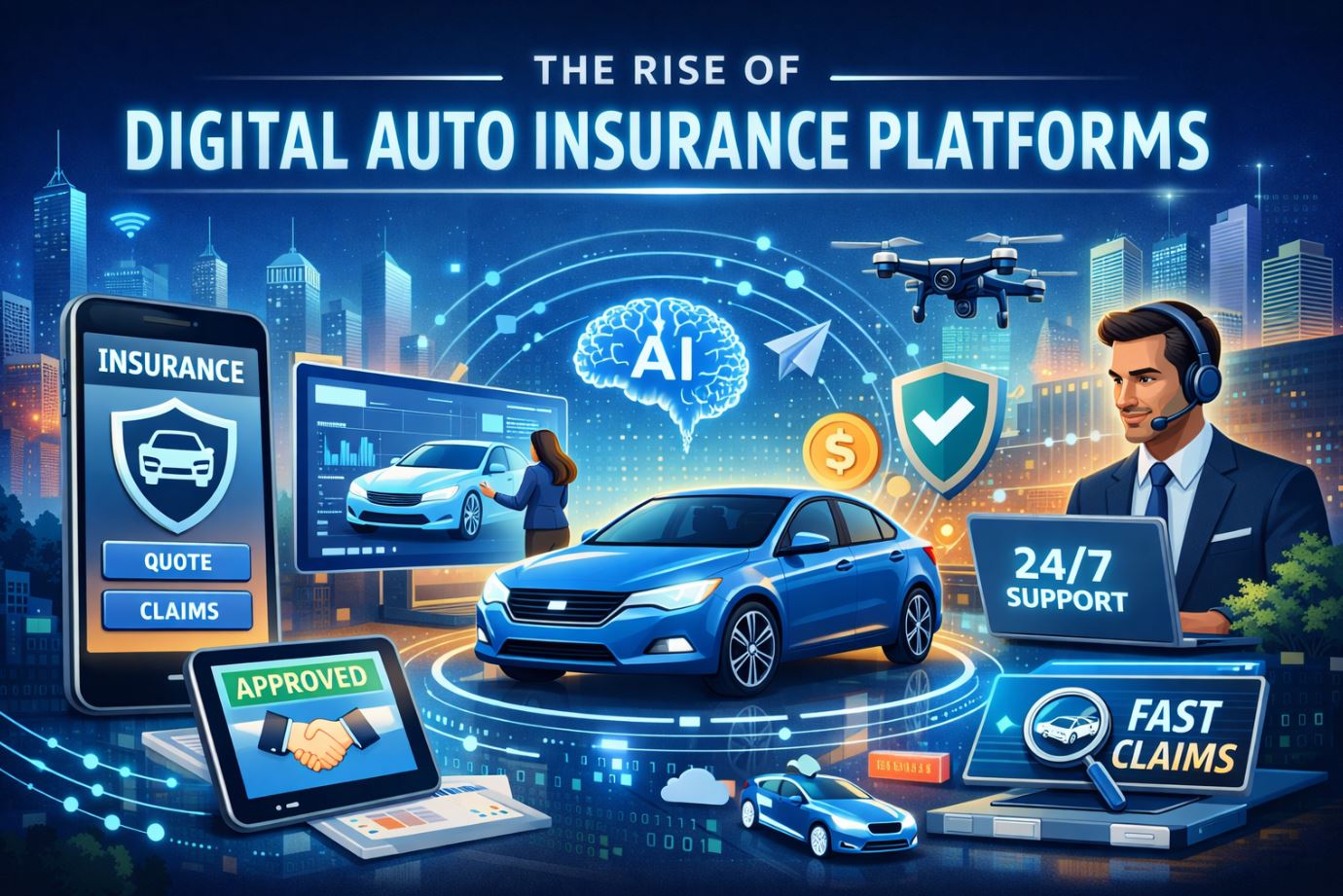
The auto insurance industry is experiencing a profound digital transformation that is fundamentally reshaping how consumers shop for, purchase, and manage their coverage. As we approach 2026, digital platforms are becoming the primary channel through which millions of Americans access auto insurance, driven by technological innovation, changing consumer expectations, and competitive market dynamics. This shift represents not merely an upgrade to existing processes but rather a complete reimagining of the insurance experience, one that prioritizes speed, transparency, and personalization. Moreover, the rise of artificial intelligence, telematics, and data analytics is enabling insurers to offer more accurate pricing, faster claims processing, and enhanced customer service. Consequently, traditional insurance models are being challenged by nimble digital-first competitors who are leveraging technology to deliver superior value and convenience to policyholders.
Table of Contents
- Quick Summary
- What Are Digital Auto Insurance Platforms?
- How Do Leading Platforms Like BiBerk, Progressive, and Infinity Auto Compare?
- What Technological Innovations Are Driving the Digital Insurance Revolution?
- What Role Does Artificial Intelligence Play in Modern Auto Insurance?
- How Are Customer Expectations Shaping Digital Insurance Platforms?
- How Are Telematics and Usage-Based Insurance Changing the Industry?
- What Regulatory Challenges Face Digital Auto Insurance Platforms?
- What Does the Future Hold for Digital Auto Insurance Beyond 2026?
- Summing up
- Frequently Asked Questions
- Benefits of Cooperation with Solution for Guru Company
Quick Summary
Digital auto insurance platforms are revolutionizing the industry by offering streamlined, technology-driven solutions that prioritize customer convenience and personalized coverage. By 2026, these platforms will dominate the market, leveraging artificial intelligence, telematics, and advanced data analytics to deliver instant quotes, usage-based pricing, and seamless claims processing. Leading providers such as BiBerk, Progressive, and Infinity Auto are at the forefront of this transformation, each offering unique features and benefits tailored to different customer segments. Furthermore, the integration of mobile-first experiences, automated underwriting, and real-time policy management is creating unprecedented levels of transparency and control for consumers. Businesses seeking to enhance their insurance operations can benefit significantly from partnering with specialized digital solutions providers like Solution for Guru, who offer expertise in implementing and optimizing digital insurance technologies.
What Are Digital Auto Insurance Platforms?
Digital auto insurance platforms represent a fundamental shift from traditional insurance models to technology-enabled, customer-centric ecosystems that streamline every aspect of the insurance lifecycle. Unlike conventional insurers that rely heavily on agents, phone calls, and paperwork, digital platforms enable customers to research, compare, purchase, and manage their auto insurance policies entirely online or through mobile applications. These platforms utilize sophisticated algorithms, real-time data integration, and automated processes to deliver instant quotes, personalized coverage recommendations, and efficient claims handling.
At their core, digital auto insurance platforms are built on several key technological foundations. First, they employ advanced data analytics to assess risk more accurately by analyzing driving behavior, vehicle characteristics, geographical factors, and historical claims data. Second, they integrate seamlessly with external data sources such as motor vehicle departments, credit bureaus, and telematics devices to gather comprehensive information about potential policyholders. Third, they utilize cloud-based infrastructure that ensures scalability, reliability, and security while enabling continuous innovation and feature updates.
The user experience on digital platforms is designed to be intuitive and frictionless, typically allowing customers to obtain a quote within minutes by answering a series of straightforward questions. Additionally, many platforms incorporate educational resources, comparison tools, and transparent pricing structures that empower consumers to make informed decisions about their coverage options.
Digital platforms also excel in ongoing policy management, providing policyholders with 24/7 access to their account information, coverage details, and billing statements through web portals or mobile apps. Customers can easily make changes to their policies, add or remove vehicles or drivers, file claims, and track claim status in real time. Furthermore, many platforms offer proactive notifications about policy renewals, payment due dates, and potential savings opportunities, ensuring that customers remain engaged and informed throughout their insurance journey.
How Do Leading Platforms Like BiBerk, Progressive, and Infinity Auto Compare?
The digital auto insurance landscape features several prominent players, each with distinct strengths, target audiences, and value propositions. Understanding how platforms like BiBerk, Progressive, and Infinity Auto differentiate themselves provides valuable insights into the evolving competitive dynamics of the industry.
BiBerk
BiBerk has positioned itself as a comprehensive business insurance provider that extends into commercial auto coverage, making it particularly attractive to small business owners and entrepreneurs who need both personal and commercial insurance solutions. The platform emphasizes simplicity and speed, allowing users to obtain quotes and purchase policies in minutes without requiring extensive documentation or agent interaction. BiBerk’s digital infrastructure is designed specifically for the needs of small businesses, offering flexible coverage options, straightforward pricing, and efficient claims processing. The platform’s user interface is notably clean and intuitive, guiding customers through the insurance selection process with clear explanations and helpful recommendations.
Progressive

In contrast, Progressive has established itself as one of the largest and most innovative auto insurers in the United States, with a particularly strong digital presence. Progressive’s platform is characterized by its robust comparison shopping tools, which allow customers to see quotes from multiple insurers side-by-side, not just Progressive’s own rates. This transparency has become a hallmark of the Progressive brand and has contributed significantly to customer trust and loyalty. Additionally, Progressive offers the Snapshot program, a telematics-based usage-based insurance option that rewards safe driving behavior with premium discounts. The platform also features extensive self-service capabilities, comprehensive mobile app functionality, and 24/7 customer support through multiple channels.
Infinity Auto
Meanwhile, Infinity Auto has carved out a unique niche by focusing on providing affordable coverage options to non-standard and underserved markets, including drivers with less-than-perfect credit histories, previous accidents, or lapses in coverage. Infinity Auto’s digital platform emphasizes accessibility and flexibility, offering multiple payment options, including weekly and bi-weekly payment plans that accommodate customers with varying financial circumstances. The platform’s underwriting approach is more inclusive than many competitors, utilizing alternative data sources and risk assessment models to provide coverage to individuals who might otherwise struggle to find affordable insurance. Furthermore, Infinity Auto has invested heavily in bilingual support and culturally relevant customer service, recognizing the diversity of its customer base.
To better understand the competitive landscape, let’s examine a detailed comparison of these three platforms across multiple dimensions:
| Feature |  |  | |
|---|---|---|---|
| Primary Target Market | Small business owners, commercial auto needs, entrepreneurs seeking bundled coverage | Mainstream consumers, tech-savvy shoppers, usage-based insurance participants | Non-standard markets, budget-conscious drivers, diverse communities |
| Quote Speed | Instant quotes within 3-5 minutes, minimal information required | Real-time quotes in under 10 minutes, comparison with competitors included | Quick quotes available, may require additional verification for certain profiles |
| Mobile App Features | Policy management, claims filing, document access, coverage modifications | Comprehensive app with claims tracking, roadside assistance, policy management, Snapshot integration | Payment management, policy viewing, claims initiation, customer support access |
| Telematics/Usage-Based Insurance | Limited telematics offerings, focus on traditional underwriting | Snapshot program with smartphone and plug-in device options, significant discount potential | Selected usage-based options, emphasis on flexible payment over driving monitoring |
| Payment Flexibility | Standard monthly payments, electronic funds transfer, credit card options | Multiple payment options including monthly, semi-annual, and annual payments | Exceptional flexibility with weekly, bi-weekly, and monthly payment plans |
| Customer Support Channels | Online chat, email support, phone assistance during business hours | 24/7 phone support, live chat, extensive online help center, social media support | Phone support with extended hours, bilingual assistance, online resources |
| Discount Programs | Multi-policy discounts, safe driver discounts, business-specific savings | Extensive discount options including multi-policy, Snapshot, homeowner, and continuous insurance discounts | Discounts for safe driving, multi-vehicle, paid-in-full, and loyalty programs |
| Coverage Customization | Tailored commercial auto options, flexible liability limits, business-specific endorsements | Wide range of coverage options with customizable deductibles and limits, add-ons like accident forgiveness | Standard coverage options with flexibility to meet state minimum requirements or higher limits |
| Digital Ecosystem Integration | Integration with business management tools, accounting software connectivity | Robust API integrations, partnerships with automotive platforms, smart home connections | Focus on payment processing integration, partnerships with community organizations |
Comparison results
This comparison reveals that while all three platforms leverage digital technology to enhance the insurance experience, they serve distinctly different market segments and prioritize different aspects of the customer journey. BiBerk excels in serving small business needs with efficient commercial auto coverage, Progressive leads in technological innovation and comprehensive coverage options for mainstream consumers, and Infinity Auto distinguishes itself through accessibility and flexible payment solutions for underserved markets.
Notably, each platform continues to evolve its digital capabilities in response to competitive pressures and changing customer expectations. BiBerk is expanding its digital onboarding processes to further reduce the time required to obtain business insurance, Progressive is enhancing its AI-powered claims processing to accelerate settlements, and Infinity Auto is improving its mobile app functionality to provide greater self-service capabilities to its customers. These ongoing improvements demonstrate the dynamic nature of the digital insurance marketplace and the continuous innovation required to remain competitive.
What Technological Innovations Are Driving the Digital Insurance Revolution?
The transformation of auto insurance into a predominantly digital experience is being propelled by several groundbreaking technological innovations that are fundamentally altering how insurers operate and how customers interact with their policies. These technologies are not merely incremental improvements to existing systems but rather represent paradigm shifts in capabilities, efficiency, and customer value creation.
Cloud computing infrastructure forms the foundation of modern digital insurance platforms, enabling insurers to scale their operations dynamically, reduce infrastructure costs, and deploy new features rapidly. Cloud-based systems allow Progressive and other leading platforms to handle massive volumes of quote requests during peak periods without performance degradation, while also facilitating seamless integration with third-party data providers and service partners. Moreover, cloud architecture supports the development of microservices-based applications that can be updated and improved independently, accelerating innovation cycles and reducing the risk associated with major system changes.
Application programming interfaces (APIs) have become critical enablers of the digital insurance ecosystem, allowing platforms to connect with a vast network of data sources, payment processors, telematics providers, and customer touchpoints. Through APIs, insurers can instantly verify driver’s license information, check vehicle identification numbers, assess credit scores, and integrate with smart home systems or automotive platforms. This connectivity dramatically reduces the time and effort required to underwrite policies while improving accuracy and reducing fraud. Platforms like BiBerk leverage API integrations to streamline the business insurance application process, connecting with business registration databases and commercial vehicle records to expedite policy issuance.
Advanced analytics and big data
Advanced analytics and big data technologies enable insurers to process and derive insights from enormous volumes of structured and unstructured data, including driving records, claims histories, weather patterns, traffic conditions, and socioeconomic factors. These analytical capabilities support more precise risk assessment, identifying subtle correlations and patterns that traditional actuarial methods might miss. Furthermore, predictive analytics helps insurers anticipate claim likelihood, detect potential fraud, and identify customers at risk of lapsing, allowing for proactive intervention and personalized retention strategies.
Blockchain technology
Blockchain technology, while still emerging in the insurance sector, promises to enhance transparency, reduce fraud, and streamline claims processing through distributed ledger systems. Smart contracts built on blockchain platforms could potentially automate policy execution, claims validation, and payment disbursement based on predefined conditions, reducing administrative overhead and accelerating settlements. Although widespread adoption remains several years away, pilot programs and proof-of-concept initiatives are demonstrating the potential of blockchain to transform insurance operations fundamentally.
What Role Does Artificial Intelligence Play in Modern Auto Insurance?

Artificial intelligence has emerged as perhaps the most transformative technology in the digital auto insurance revolution, touching virtually every aspect of the insurance value chain from underwriting to claims settlement. The application of machine learning, natural language processing, computer vision, and predictive analytics is enabling insurers to operate more efficiently, price policies more accurately, and deliver superior customer experiences.
In the underwriting process, AI algorithms analyze vast datasets to assess risk with unprecedented precision, considering hundreds of variables simultaneously and identifying complex patterns that human underwriters would never detect. These systems can evaluate an applicant’s driving history, vehicle characteristics, geographic location, credit information, and even social media activity to generate a comprehensive risk profile within seconds. Progressive has been at the forefront of applying AI to underwriting, continuously refining its models based on actual claims experience to improve predictive accuracy. This data-driven approach allows insurers to offer more competitive rates to low-risk customers while appropriately pricing coverage for higher-risk individuals.
Chatbots and virtual assistants
Customer service operations have been dramatically enhanced through AI-powered chatbots and virtual assistants that can handle routine inquiries, provide policy information, process simple policy changes, and guide customers through the claims filing process. These conversational AI systems utilize natural language processing to understand customer intent, even when questions are phrased informally or ambiguously, and can maintain context throughout extended conversations. Advanced chatbots can seamlessly escalate complex issues to human agents when necessary, ensuring that customers receive appropriate support regardless of their inquiry’s complexity. The 24/7 availability of AI-powered customer service particularly benefits platforms like Infinity Auto, whose customers often need assistance outside traditional business hours.
Claims processing
Claims processing represents one of the most impactful applications of AI in auto insurance, with computer vision and machine learning algorithms enabling automated damage assessment, fraud detection, and settlement determination. When a policyholder submits photos of accident damage through a mobile app, AI systems can analyze the images to identify damaged components, estimate repair costs, and determine liability, often settling straightforward claims within minutes rather than days or weeks. This rapid settlement not only improves customer satisfaction but also reduces administrative costs significantly. Moreover, AI-powered fraud detection systems can flag suspicious claims by identifying inconsistencies, unusual patterns, or similarities to known fraudulent claims, protecting insurers from billions of dollars in fraudulent losses annually.
Personalization engines driven by AI enable insurers to deliver highly customized experiences, recommendations, and communications based on individual customer profiles, preferences, and behaviors. These systems can determine the optimal time and channel to reach out to customers, craft personalized messages that resonate with specific demographic segments, and recommend coverage adjustments based on life events or changing circumstances. BiBerk utilizes AI-driven personalization to suggest relevant business insurance products to entrepreneurs based on their industry, business size, and existing coverage portfolio, creating cross-selling opportunities that genuinely serve customer needs rather than simply pushing products.
Predictive maintenance and risk prevention
Predictive maintenance and risk prevention represent emerging applications of AI that could fundamentally change the insurance model from reactive claim payment to proactive risk mitigation. By analyzing data from connected vehicles, AI systems can predict component failures before they occur, alert drivers to potential mechanical issues, and recommend preventive maintenance. Similarly, AI can identify driving patterns associated with increased accident risk and provide coaching or warnings to help drivers improve their behavior. This shift toward prevention aligns insurer and policyholder interests, potentially reducing claims frequency and severity while improving road safety overall.
Price optimization algorithms
Price optimization algorithms powered by AI continuously analyze market conditions, competitor pricing, claims trends, and customer behavior to recommend premium adjustments that maximize profitability while maintaining competitive positioning. These systems can perform sophisticated sensitivity analysis to understand how price changes might affect customer retention, new business acquisition, and overall portfolio profitability. Dynamic pricing enabled by AI allows insurers to respond rapidly to changing market conditions, adjusting rates for specific customer segments or geographic areas based on real-time data rather than relying on annual rate reviews.
How Are Customer Expectations Shaping Digital Insurance Platforms?
The evolution of digital auto insurance platforms is being fundamentally driven by shifting customer expectations that have been shaped by experiences with technology leaders in other industries such as retail, banking, and entertainment. Today’s insurance customers expect the same level of convenience, transparency, and personalization that they receive from Amazon, Netflix, and their digital banking apps, and insurers that fail to meet these expectations risk losing market share to more digitally sophisticated competitors.
Speed and convenience have become baseline expectations, with customers demanding the ability to obtain quotes, purchase policies, and file claims in minutes rather than hours or days. The traditional insurance model of scheduling appointments with agents, completing lengthy paper applications, and waiting for underwriting decisions is increasingly unacceptable to modern consumers, particularly younger generations who have grown up with instant digital transactions. Platforms like Progressive have responded by streamlining their quote process to require minimal information upfront, using data from external sources to pre-fill forms and verify information automatically, and providing instant binding authority so customers can secure coverage immediately upon completing their purchase.
Transparency in pricing and coverage has become a critical differentiator, with customers expecting clear explanations of what they’re paying for, how premiums are calculated, and what scenarios are covered or excluded. The opacity that characterized traditional insurance pricing is no longer acceptable in an era where comparison shopping is effortless and information is readily available. Leading digital platforms now provide detailed breakdowns of premium components, allow customers to adjust coverage levels and deductibles to see real-time pricing impacts, and offer plain-language policy documents that explain coverage in understandable terms rather than insurance jargon. This transparency builds trust and empowers customers to make informed decisions about their insurance purchases.
Auto insurance and mobile technologies
Mobile-first experiences reflect the reality that an increasing percentage of insurance interactions occur on smartphones rather than desktop computers. Customers expect fully functional mobile apps that enable them to access policy information, make payments, add or remove drivers or vehicles, and initiate claims from anywhere at any time. The best mobile insurance apps, such as those offered by BiBerk and Progressive, go beyond simple policy viewing to offer features like digital ID cards, roadside assistance requests, photo-based claims filing, and usage-based insurance tracking, creating a comprehensive mobile ecosystem that serves most customer needs without requiring calls or website visits.
Personalization extends beyond marketing to encompass every aspect of the insurance experience, with customers expecting coverage recommendations, pricing, and communications tailored to their specific circumstances, preferences, and behaviors. Generic, one-size-fits-all approaches are giving way to sophisticated segmentation and individualized treatment based on comprehensive customer profiles. This personalization might manifest as customized coverage suggestions for a customer who just purchased a new vehicle, proactive outreach about potential savings opportunities, or claims support tailored to the specific type of accident and customer’s communication preferences. Platforms serving diverse populations, such as Infinity Auto, particularly benefit from personalization capabilities that allow them to deliver culturally appropriate, language-specific experiences to different customer segments.
Self-service capabilities are increasingly important as customers prefer to handle routine tasks themselves rather than waiting on hold or scheduling calls with representatives. Comprehensive self-service portals allow customers to update their contact information, add drivers or vehicles, modify coverage levels, download policy documents, make payments, and even settle simple claims without ever speaking to a company representative. However, customers also expect seamless escalation to human support when their needs exceed self-service capabilities, requiring platforms to balance automation with accessible human assistance.
How Are Telematics and Usage-Based Insurance Changing the Industry?
Telematics technology and usage-based insurance (UBI) programs represent one of the most significant innovations in auto insurance, fundamentally altering the relationship between driving behavior and premium costs. By capturing detailed data about how, when, and where vehicles are driven, telematics enables insurers to move beyond traditional demographic and geographic rating factors to truly individualized pricing based on actual risk exposure.
The technology underlying telematics has evolved significantly over the past decade, progressing from dedicated hardware devices that plugged into vehicles’ diagnostic ports to smartphone-based applications that utilize built-in sensors to track driving behavior. Modern telematics systems can capture a comprehensive array of data points including acceleration patterns, braking behavior, cornering forces, speed relative to posted limits, time of day and night driving, total mileage, geographic locations, and even distracted driving indicators such as phone usage while operating a vehicle. This rich dataset provides insurers with unprecedented visibility into individual driver behavior and risk exposure.
Progressive‘s Snapshot program exemplifies the mainstream adoption of usage-based insurance, offering customers the opportunity to earn significant premium discounts by demonstrating safe driving habits. The program is available in multiple formats including a plug-in device that connects to the vehicle’s OBD-II port and a smartphone app that tracks driving behavior without requiring additional hardware. Customers who enroll in Snapshot receive an initial discount simply for participating, then earn additional savings based on their actual driving performance over a monitoring period. The program rewards behaviors such as smooth acceleration and braking, adherence to speed limits, and limited nighttime driving, while penalizing harsh maneuvers and excessive high-risk driving periods.
The benefits of telematics
The benefits of telematics and usage-based insurance extend to multiple stakeholders in the insurance ecosystem. For customers, UBI offers the potential for substantial premium savings, with safe drivers potentially reducing their insurance costs by 20-40% or more compared to traditional pricing. This is particularly valuable for young drivers who typically face high premiums due to demographic rating factors but may actually be quite safe and responsible. Additionally, many drivers appreciate the feedback and insights provided by telematics apps, which help them understand their driving habits and identify opportunities for improvement. Some programs gamify the experience, providing scores, achievements, and challenges that make safe driving engaging and rewarding.
For insurers, telematics provides vastly improved risk selection and pricing accuracy, allowing them to identify and reward their safest customers while appropriately pricing coverage for higher-risk drivers. This improved risk assessment translates directly to better loss ratios and enhanced profitability. Furthermore, telematics data enables insurers to detect fraudulent claims by verifying whether an accident occurred at the reported time and location, whether the vehicle was actually being driven at the time, and whether the damage is consistent with the described incident. The objective data captured by telematics devices can provide compelling evidence in disputed liability situations, protecting insurers from fraudulent or exaggerated claims.
The expansion of telematics beyond individual policies to commercial fleets represents another significant growth area, with businesses increasingly deploying telematics systems to monitor vehicle usage, improve driver safety, and reduce insurance costs. Fleet telematics provides managers with real-time visibility into vehicle locations, driver behavior, maintenance needs, and fuel consumption, enabling more efficient operations and reduced risk exposure. BiBerk and other commercial insurers are increasingly offering usage-based pricing for business auto policies, rewarding companies that implement comprehensive driver safety programs and demonstrate consistently safe operations.
What Regulatory Challenges Face Digital Auto Insurance Platforms?

The rapid evolution of digital auto insurance platforms has created significant regulatory challenges as state insurance departments and federal agencies work to ensure consumer protection while enabling innovation and competition. The insurance industry is heavily regulated at the state level in the United States, with each state maintaining its own insurance department that oversees rates, forms, market conduct, and solvency. This fragmented regulatory environment creates complexity for digital platforms that operate nationwide, requiring them to navigate fifty different regulatory regimes with varying requirements and approval processes.
Rate regulation represents one of the most significant challenges for digital insurers employing sophisticated algorithmic pricing and usage-based insurance models. Many states require insurers to file their rating plans and demonstrate that rates are not excessive, inadequate, or unfairly discriminatory. However, traditional rate filing processes were designed for simpler, demographic-based pricing models and may struggle to accommodate the complexity of AI-driven pricing algorithms that consider hundreds of variables simultaneously. Regulators are grappling with how to ensure these algorithms don’t introduce prohibited forms of discrimination while allowing insurers to use predictive variables that genuinely correlate with risk. Platforms like Progressive must carefully document their pricing methodologies and demonstrate actuarial soundness to satisfy regulatory requirements across all states in which they operate.
Data privacy and security regulations
Data privacy and security regulations have become increasingly stringent following high-profile data breaches and growing consumer awareness about how their personal information is collected, used, and shared. Digital insurance platforms collect extensive personal data including driver’s licenses, vehicle information, financial details, and in the case of telematics programs, detailed driving behavior and location data. Platforms must comply with state privacy laws, federal regulations such as the Gramm-Leach-Bliley Act, and increasingly, comprehensive privacy frameworks like the California Consumer Privacy Act and similar legislation being considered in other states. These regulations require clear privacy disclosures, consumer consent mechanisms, data security measures, and the ability for consumers to access, correct, and delete their personal information. Insurers must balance their need for data to support accurate pricing and efficient operations with consumers’ privacy rights and expectations.
Licensing and market entry requirements vary significantly across states, with some states maintaining strict capital requirements, examination processes, and operational standards that can create barriers for new digital entrants. While established insurers like Progressive have the resources to navigate these requirements across all fifty states, smaller digital platforms or insurtech startups may struggle with the cost and complexity of multi-state operations. Some innovators have addressed this challenge by partnering with established carriers who provide the insurance licenses and regulatory expertise while the digital platform handles customer acquisition, policy administration, and technology infrastructure.
Consumer protection regulations
Consumer protection regulations ensure that insurance products are clearly explained, marketed honestly, and administered fairly. Digital platforms must ensure their websites, mobile apps, and marketing materials provide accurate information about coverage, exclusions, and limitations in plain language that consumers can understand. Regulators scrutinize online quote processes to ensure they don’t mislead consumers about coverage options or pricing. Claims handling regulations require insurers to investigate claims promptly, communicate clearly with policyholders, and pay valid claims in a timely manner. Platforms incorporating AI into claims processing, such as automated damage assessment or settlement determination, must ensure these systems treat all claimants fairly and provide appropriate human oversight when necessary.
The use of alternative data sources and non-traditional rating variables has attracted regulatory attention, particularly regarding concerns about proxy discrimination. While factors like credit scores, education level, and occupation have been widely used in insurance pricing for decades, regulators and consumer advocates increasingly question whether these variables serve as proxies for protected characteristics such as race, ethnicity, or income level. Some states have restricted or banned the use of certain variables, while others are conducting studies to evaluate potential discriminatory impacts. Digital platforms that serve diverse or underserved populations, such as Infinity Auto, must be particularly careful to ensure their pricing models don’t inadvertently discriminate against protected groups while still using data effectively to assess risk.
Cybersecurity regulations
Cybersecurity regulations require insurers to implement comprehensive security programs to protect customer data from unauthorized access, theft, or misuse. Following several high-profile breaches in the financial services sector, state insurance departments have adopted regulations requiring specific security measures, incident response plans, and breach notification procedures. Digital platforms must invest significantly in security infrastructure, including encryption, multi-factor authentication, intrusion detection systems, and regular security audits. Furthermore, they must maintain cyber insurance coverage and incident response capabilities to address potential breaches quickly and effectively.
What Does the Future Hold for Digital Auto Insurance Beyond 2026?
Looking beyond 2026, the digital auto insurance landscape will continue to evolve rapidly, driven by emerging technologies, changing mobility patterns, and fundamental shifts in vehicle ownership and usage. Understanding these future trends enables insurers, partners, and consumers to prepare for the next wave of transformation in this dynamic industry.
Autonomous vehicles represent perhaps the most disruptive force on the horizon, with the potential to fundamentally alter insurance models, risk assessment, and liability frameworks. As vehicles become increasingly capable of driving themselves, the locus of liability shifts from individual drivers to vehicle manufacturers, software developers, and potentially fleet operators. This transition will necessitate new insurance products that cover technology failures, cybersecurity vulnerabilities, and system malfunctions rather than driver error. Insurers will need to develop expertise in evaluating autonomous driving systems, understanding software update processes, and assessing cyber risk exposure.
Electric vehicle adoption is accelerating rapidly, driven by improving battery technology, expanding charging infrastructure, government incentives, and increasing consumer environmental consciousness. EVs present unique insurance considerations, including higher repair costs due to specialized components and battery systems, different risk profiles related to quiet operation and instant acceleration, and opportunities for integration with smart charging systems and home energy management. Digital platforms like BiBerk, Progressive, and Infinity Auto are already developing specialized EV insurance products that address these unique characteristics while potentially offering premium discounts that reflect lower maintenance costs and different usage patterns.
MaaS
Mobility-as-a-Service (MaaS) ecosystems are emerging in urban areas, where consumers increasingly access transportation through integrated platforms rather than owning personal vehicles. These platforms combine public transit, ride-sharing, bike-sharing, scooter-sharing, and car-sharing into seamless multimodal journeys, fundamentally changing the relationship between individuals and vehicles. This shift creates opportunities for on-demand, usage-based insurance products that activate only when consumers are using vehicles, with premiums calculated based on actual exposure time and distance traveled. Insurers will need to develop flexible products that can cover occasional vehicle usage while maintaining competitive pricing for this new pattern of mobility consumption.
Embedded insurance
Embedded insurance represents a growing trend where coverage is seamlessly integrated into other transactions or services, becoming almost invisible to consumers. Rather than purchasing standalone insurance policies, consumers might find coverage automatically included when they rent a vehicle through a car-sharing app, purchase a used vehicle through an online marketplace, or subscribe to a vehicle subscription service. This embedding requires sophisticated API integrations, real-time underwriting capabilities, and flexible product designs that can accommodate diverse distribution channels and user experiences. The embedded insurance model particularly benefits digital-native platforms that can leverage their technology infrastructure to provide frictionless coverage activation.
Blockchain and distributed ledger technologies will gradually gain adoption in insurance applications, particularly for streamlining claims processing, preventing fraud, and enabling peer-to-peer insurance models. Smart contracts could automatically execute policy terms based on predefined triggers, such as immediately paying out a claim when accident data from vehicle sensors confirms a covered event occurred. Blockchain’s immutable record-keeping capabilities can help prevent fraud by maintaining verifiable records of vehicle history, ownership, maintenance, and prior claims. While still in early stages, these technologies promise to reduce administrative costs and settlement times significantly.
Climate change and extreme weather events will increasingly influence auto insurance pricing, availability, and claims experience. Rising sea levels, more frequent severe storms, increased wildfire risk, and changing precipitation patterns all affect vehicle damage exposure. Digital platforms will need to incorporate sophisticated climate modeling and real-time weather data into their risk assessment processes, potentially adjusting premiums based on specific garage locations and providing proactive warnings to customers about impending severe weather. Some insurers may reduce their exposure in high-risk areas or implement higher deductibles for certain perils, creating affordability and availability challenges in vulnerable regions.
Cybersecurity insurance
Cybersecurity insurance for connected vehicles represents an emerging coverage need as vehicles become increasingly reliant on software, connectivity, and over-the-air updates. As vehicles become potential targets for cyberattacks, ransomware, or hacking, owners may need protection against financial losses resulting from unauthorized vehicle access, data theft, or system compromise. Insurers will need to develop expertise in automotive cybersecurity, establish partnerships with security firms, and create products that address these evolving risks.
Summing up
The rise of digital auto insurance platforms represents a fundamental transformation of an industry that has historically been slow to embrace technological change. As we approach 2026 and look beyond, it’s clear that digital platforms will become the dominant channel through which most consumers access and manage their auto insurance, driven by superior convenience, transparency, personalization, and pricing accuracy compared to traditional models.
Leading platforms such as BiBerk, Progressive, and Infinity Auto demonstrate different approaches to digital insurance, each serving distinct market segments with tailored value propositions. BiBerk excels in providing streamlined business insurance solutions with rapid quote and binding capabilities that appeal to entrepreneurs and small business owners seeking commercial auto coverage.
Looking toward the future, the auto insurance industry will continue to evolve in response to autonomous vehicles, electric vehicle adoption, changing mobility patterns, climate change, and emerging technologies. Insurers that embrace digital transformation, invest in technology capabilities, cultivate data science expertise, and maintain customer focus will thrive in this dynamic environment. Those that cling to traditional models and resist change will find themselves increasingly marginalized as customers gravitate toward platforms that better meet their needs and expectations.
Ultimately, the rise of digital auto insurance platforms represents a positive development for consumers, who benefit from greater choice, better pricing, more convenience, and improved service. It also creates opportunities for insurers to operate more efficiently, assess risk more accurately, and engage customers more effectively. As these platforms continue to mature and evolve, they will play an increasingly central role in how people protect their vehicles, manage risk, and navigate the complexities of modern mobility. The transformation is already well underway, and by 2026, digital platforms like BiBerk, Progressive, and Infinity Auto will be the primary way most Americans interact with their auto insurance.
Frequently Asked Questions
Digital auto insurance platforms utilize advanced algorithms and vast datasets to assess risk more precisely than traditional insurers. While conventional insurers primarily rely on demographic factors such as age, gender, location, and vehicle type, digital platforms incorporate additional variables including credit scores, driving records, telematics data showing actual driving behavior, real-time location information, and even social media activity in some cases. Furthermore, platforms like Progressive offer usage-based insurance programs that monitor acceleration patterns, braking behavior, speed, and time-of-day driving to reward safe drivers with lower premiums. This data-driven approach enables more accurate risk assessment and fairer pricing, where individuals are charged based on their actual risk profile rather than broad demographic categories.
Digital auto insurance platforms serve diverse customer segments with varying risk profiles and needs. While some platforms like Progressive target mainstream consumers with competitive pricing for preferred risks, others such as Infinity Auto specifically cater to non-standard markets, including drivers with poor credit histories, previous accidents, or coverage lapses. These specialized platforms employ alternative underwriting approaches that look beyond traditional risk factors, considering variables such as current employment, payment history with utilities or rent, and willingness to participate in driver improvement programs. Moreover, digital platforms often offer greater payment flexibility, including weekly or bi-weekly payment options that accommodate various financial situations. For business owners seeking commercial auto coverage, platforms like BiBerk provide streamlined solutions regardless of the complexity of their insurance needs. Consequently, the digital insurance landscape offers options for virtually all driver types, though premium costs will naturally vary based on individual risk profiles.
Benefits of Cooperation with Solution for Guru Company
Navigating the complex landscape of digital auto insurance technology requires specialized expertise that spans insurance industry knowledge, technical proficiency, regulatory understanding, and customer experience design. Solution for Guru offers comprehensive consulting and implementation services that help businesses successfully deploy, integrate, and optimize digital insurance platforms, accelerating time-to-market while reducing implementation risks and costs.
The strategic planning services provided by Solution for Guru help organizations define clear digital insurance strategies aligned with business objectives, customer needs, and competitive positioning. Through comprehensive discovery processes, market analysis, and competitive benchmarking, Solution for Guru develops roadmaps that prioritize initiatives based on potential impact, feasibility, and resource requirements. This strategic foundation ensures that technology investments deliver measurable business value rather than implementing technology for its own sake.
For organizations seeking to capitalize on the digital insurance revolution, whether implementing platforms like BiBerk, Progressive, or Infinity Auto, developing custom solutions, or integrating insurance capabilities into existing businesses, Solution for Guru provides the expertise, experience, and execution capabilities necessary for success. Their proven track record, comprehensive service offering, and commitment to client success make them an ideal partner for digital insurance transformation initiatives of any scale or complexity.
Recommended
- Full Coverage vs. Liability: Which Auto Insurance Is Right for You?
- What’s Covered and What’s Not: Breaking Down Auto Insurance Coverage Types
- What Are the Best Auto Insurance Options for Rideshare Drivers (Uber, Lyft, etc.)?
- How to Get Affordable Auto Insurance After an Accident or Ticket
- Auto and Renters Insurance Bundle
- Preferred Auto Insurance Companies
- How to Get Auto Insurance Online
- Auto Insurance for Farms
- Auto International Insurance
- Comparing Commercial Auto Insurance
- The Top Commercial Auto Insurance Options