5 Mistakes Businesses Make When Buying Commercial Auto Insurance

Purchasing commercial auto insurance is a critical decision that can significantly impact your business’s financial stability and operational continuity. Unfortunately, many business owners rush through this process without fully understanding their needs or the coverage options available. Consequently, they end up with inadequate protection, overpay for unnecessary features, or face unexpected gaps when filing claims. Moreover, the commercial auto insurance landscape has become increasingly complex, with numerous providers offering different coverage levels, pricing structures, and policy terms. Therefore, understanding common pitfalls can help you make informed decisions that protect your business assets while optimizing your insurance budget.
Table of Contents
- Quick Summary
- What is Commercial Auto Insurance?
- How BiBerk, Progressive, and Infinity Auto Insurance US Relate to Commercial Auto Insurance
- Mistake 1: Why Do Businesses Underestimate Their Coverage Needs?
- Mistake 2: How Does Failing to Compare Multiple Providers Cost Your Business?
- Mistake 3: What Happens When You Don’t Disclose All Business Vehicles?
- Mistake 4: Why Is Ignoring Driver Qualifications a Critical Error?
- Mistake 5: How Can Overlooking Policy Details Lead to Coverage Gaps?
- Summing up
- Frequently Asked Questions
- Benefits of Cooperation with Solution for Guru Company
Quick Summary
This comprehensive guide explores the five most common mistakes businesses make when purchasing commercial auto insurance, including underestimating coverage needs, failing to compare providers, not disclosing all vehicles, ignoring driver qualifications, and overlooking critical policy details. Additionally, we examine how leading providers like BiBerk, Progressive, and Infinity Auto Insurance US approach these challenges differently. By understanding these pitfalls and learning from expert insights, business owners can secure appropriate coverage that protects their assets, employees, and bottom line while avoiding costly errors that could jeopardize their operations.
What is Commercial Auto Insurance?
Commercial auto insurance is a specialized type of business insurance designed to protect vehicles used for business purposes, along with their drivers and cargo. Unlike personal auto insurance, commercial policies typically offer higher liability limits, broader coverage options, and protection for vehicles that transport goods, equipment, or passengers as part of business operations. Furthermore, this insurance covers a wide range of vehicles, including cars, trucks, vans, trailers, and specialized equipment vehicles used in daily business activities.
The primary purpose of commercial auto insurance is to shield businesses from financial losses resulting from vehicle accidents, theft, vandalism, or other covered incidents. Essentially, it transfers the risk of costly claims from the business to the insurance provider. Additionally, most states legally require businesses that own or operate vehicles to carry minimum levels of commercial auto insurance, making it not just a prudent business decision but often a legal obligation.
Commercial auto insurance policies typically include several key components: liability coverage, which pays for injuries and property damage your business causes to others; collision coverage, which repairs or replaces your vehicle after an accident regardless of fault; comprehensive coverage, which protects against non-collision incidents like theft, fire, or weather damage; uninsured/underinsured motorist coverage, which protects you when other drivers lack adequate insurance; and medical payments coverage, which pays for medical expenses for you and your passengers. Moreover, businesses can customize policies with additional endorsements such as hired and non-owned auto coverage, rental reimbursement, roadside assistance, and cargo insurance.
Understanding the fundamentals of commercial auto insurance helps businesses recognize why choosing the right policy requires careful consideration. Subsequently, let’s examine how providers like BiBerk, Progressive, and Infinity Auto Insurance US approach commercial auto insurance to meet diverse business needs.
How BiBerk, Progressive, and Infinity Auto Insurance US Relate to Commercial Auto Insurance
Different insurance providers approach commercial auto insurance with varying specializations, target markets, and coverage philosophies. Understanding these differences is crucial when selecting the right provider for your business needs.
BiBerk specializes in providing straightforward commercial insurance solutions primarily for small businesses and startups. Their commercial auto insurance offerings focus on simplicity and accessibility, with streamlined online application processes that allow small business owners to obtain quotes and purchase coverage quickly. BiBerk particularly excels in serving businesses with smaller fleets, typically one to five vehicles, and emphasizes transparent pricing without hidden fees. Their platform is designed for business owners who value efficiency and want to manage their insurance digitally without extensive paperwork or lengthy approval processes.

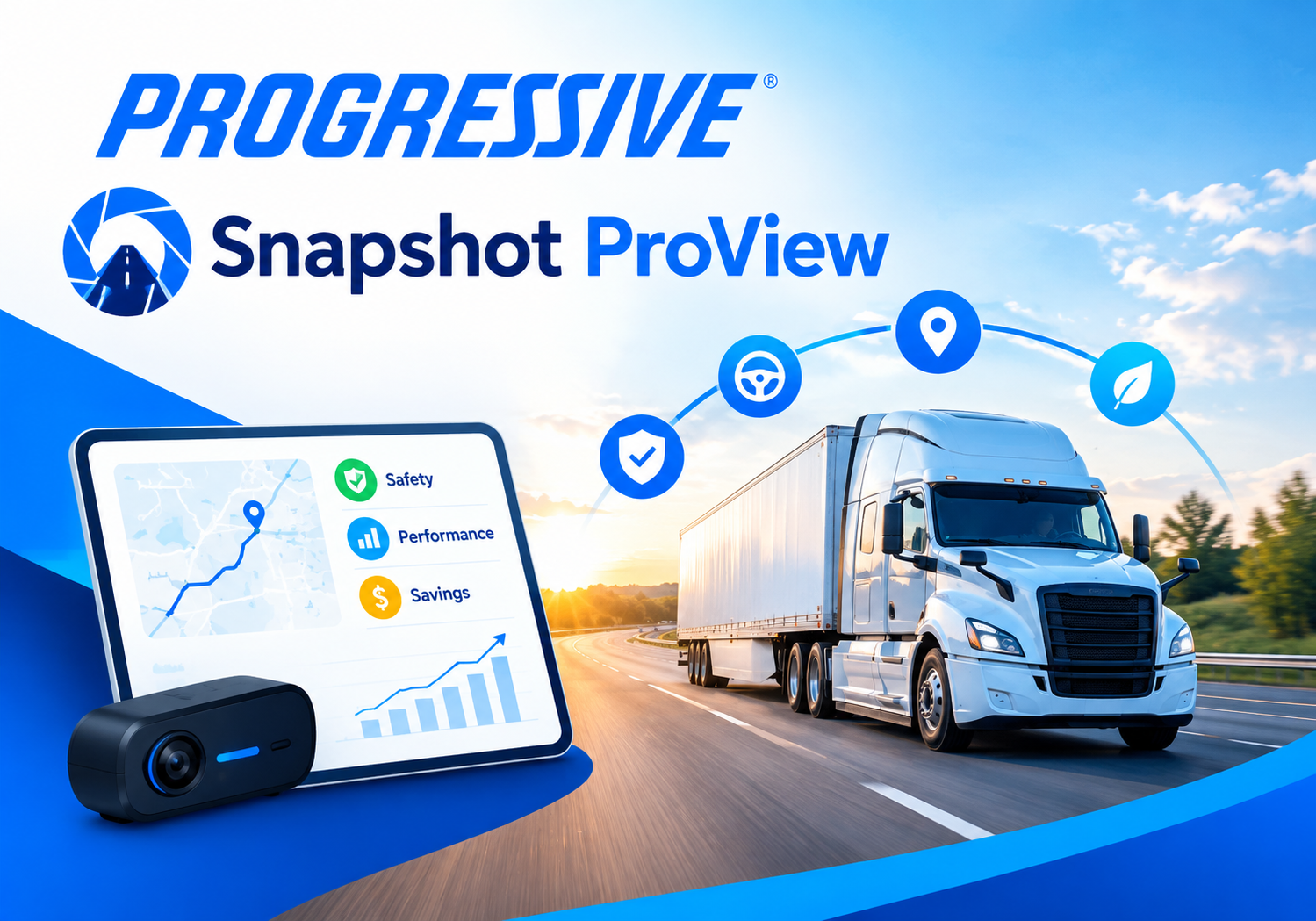
Progressive represents one of the largest commercial auto insurance providers in the United States, offering comprehensive coverage options for businesses of all sizes. Progressive’s strength lies in their extensive experience, robust claims network, and diverse policy customization options. They serve everyone from sole proprietors with a single work vehicle to large corporations managing hundreds of vehicles. Progressive offers sophisticated fleet management tools, telematics programs that can reduce premiums for safe driving, and specialized coverage for unique business vehicle needs. Their brand recognition and financial stability provide confidence to businesses seeking a well-established insurance partner.
Infinity Auto Insurance US focuses primarily on providing affordable auto insurance solutions, including commercial coverage, with particular emphasis on serving diverse communities and offering flexible payment options. Infinity often caters to businesses that may face challenges obtaining coverage through traditional channels, including newer businesses, those with less-than-perfect driving records, or companies in higher-risk industries. They provide personalized service through local agents who understand regional market conditions and can help businesses navigate coverage requirements while managing tight budgets.
Comparison Table: BiBerk vs. Progressive vs. Infinity Auto Insurance US
| Feature |  |  | |
|---|---|---|---|
| Target Market | Small businesses, startups, 1-5 vehicles | All business sizes, sole proprietors to large fleets | Budget-conscious businesses, diverse communities, higher-risk profiles |
| Online Capabilities | Fully digital platform, instant quotes, easy self-service | Comprehensive online tools, mobile app, digital claims | Online quotes available, agent-assisted processes emphasized |
| Fleet Size Specialization | Small fleets (1-5 vehicles) | All fleet sizes (1-500+ vehicles) | Small to medium fleets (1-25 vehicles) |
| Customization Options | Standard coverage packages with basic add-ons | Extensive customization, specialized endorsements, industry-specific options | Flexible coverage with payment plan customization |
| Telematics/Technology | Basic digital tools | Advanced telematics, Snapshot program, fleet management dashboard | Limited technology offerings, traditional approach |
| Claims Process | Digital-first claims submission | 24/7 claims service, extensive repair network, mobile claims app | Personal claims assistance through local agents |
| Pricing Structure | Transparent, competitive for small businesses | Variable based on business size and risk factors | Competitive rates, flexible payment plans, down payment options |
| Industry Specialization | General small business focus | Extensive industry expertise (contractors, transportation, services) | Focus on transportation and delivery services |
| Additional Coverages | Bundled business insurance options | Comprehensive commercial product suite | Standard commercial auto add-ons |
| Customer Service | Email and phone support during business hours | 24/7 customer service, dedicated business specialists | Local agent network, personalized service |
This comparison demonstrates that businesses have distinct options depending on their size, budget, technological preferences, and specific needs. Consequently, the mistake of not comparing these providers thoroughly can result in choosing a policy that doesn’t align with your business operations or paying more than necessary for coverage.
Mistake 1: Why Do Businesses Underestimate Their Coverage Needs?
One of the most consequential mistakes businesses make when purchasing commercial auto insurance is underestimating their actual coverage needs. This error stems from several factors, including inadequate risk assessment, focusing solely on premium costs, and failing to account for business growth projections. Unfortunately, this mistake often doesn’t become apparent until a serious accident occurs, leaving the business financially exposed to costs that exceed policy limits.
The Hidden Costs of Insufficient Coverage
Many business owners approach insurance purchases with a cost-minimization mindset rather than a risk-management perspective. While controlling expenses is certainly important, selecting minimum liability limits or declining optional coverages to save on premiums can prove devastatingly expensive when claims arise. For instance, a business carrying only the state minimum liability coverage of $25,000 per person and $50,000 per accident might face catastrophic financial consequences if their driver causes an accident resulting in severe injuries with medical costs exceeding $200,000. The business would be personally liable for the $150,000 difference, potentially bankrupting the company.
Moreover, businesses often fail to consider the full spectrum of risks they face beyond basic liability. If your commercial vehicle is totaled in an accident and you lack collision coverage, you’ll need to replace that vehicle out-of-pocket while still making payments on the destroyed vehicle if it was financed. Similarly, businesses that transport valuable equipment, inventory, or client property without adequate cargo coverage risk absorbing total losses if theft or accidents occur. These scenarios illustrate why comprehensive risk assessment should precede insurance purchasing decisions.
Understanding Your True Exposure
Accurately assessing your coverage needs requires examining multiple factors specific to your business operations. First, consider the nature of your business activities. Companies providing delivery services face different risks than consulting firms where employees occasionally drive to client meetings. Transportation businesses, contractors carrying expensive tools, and service companies with multiple daily stops all have unique exposure profiles that demand tailored coverage approaches.
Second, evaluate your vehicle values and replacement costs. A construction company operating specialized equipment vehicles worth $75,000 each needs substantially different coverage than a real estate agency with standard sedans worth $25,000. Additionally, consider whether you could afford to replace vehicles immediately if they were destroyed, as business interruption from lacking transportation can be as costly as the vehicle itself.
Third, assess your liability exposure based on typical driving conditions, cargo values, passenger transportation, and potential accident severity. Businesses operating in high-traffic urban areas, transporting multiple employees or clients, or carrying hazardous materials face elevated liability risks requiring higher coverage limits. Furthermore, consider your business assets and personal wealth that could be at risk in lawsuits exceeding your policy limits.
The role of leading auto insurance companies
BiBerk addresses coverage adequacy by offering clear guidance on appropriate coverage levels for different small business scenarios. Their online platform includes tools that help business owners understand typical coverage needs for their industry, though small businesses using BiBerk should ensure they’re not simply accepting default minimums without proper evaluation. The convenience of their digital approach should complement, not replace, thorough risk assessment.
Progressive takes a more consultative approach, particularly for businesses with complex needs. Their commercial auto specialists can conduct comprehensive risk assessments, considering factors like vehicle types, driver histories, business operations, and asset protection needs. Progressive’s experience across numerous industries enables them to identify coverage gaps that business owners might overlook. Additionally, their flexibility in policy limits allows businesses to secure coverage that truly matches their risk profile rather than settling for one-size-fits-all solutions.
Infinity Auto Insurance US works through local agents who can provide personalized guidance on coverage adequacy while working within budget constraints. For businesses with limited resources, Infinity’s agents can help identify the most critical coverages to prioritize, ensuring that essential protections are in place even if some optional coverages must be deferred until the business grows.
Practical Steps to Determine Adequate Coverage
To avoid underestimating your coverage needs, begin by conducting a thorough inventory of all business vehicles, including their values, purposes, and replacement costs. Next, document your typical business operations involving vehicles, including routes, cargo types, passenger transport, and special circumstances like night driving or hazardous weather conditions. Then, calculate your potential liability exposure by considering worst-case accident scenarios, including multiple-victim accidents, commercial property damage, and extended medical treatments.
Subsequently, review your business assets that could be at risk in lawsuits, including real property, equipment, inventory, and business accounts. If you’re a sole proprietor or partner, remember that your personal assets may also be vulnerable. This comprehensive assessment provides the foundation for selecting appropriate coverage limits rather than defaulting to minimums.
Finally, consult with insurance professionals who specialize in commercial auto coverage. While online tools are convenient, complex businesses benefit significantly from expert guidance that identifies risks you might not have considered. Remember that insurance is not merely an expense but an investment in business continuity and financial protection.
Mistake 2: How Does Failing to Compare Multiple Providers Cost Your Business?

The second critical mistake businesses make when purchasing commercial auto insurance is failing to obtain and compare quotes from multiple providers. This oversight can result in paying thousands of dollars more annually than necessary, accepting less favorable policy terms, or missing coverage options that better suit your business needs. Nevertheless, many business owners settle for the first quote they receive, often from their personal auto insurance provider, without exploring alternatives.
The Significant Cost of Loyalty Without Comparison
Insurance pricing varies dramatically between providers for identical coverage, sometimes differing by 30-50% or more for the same business. This variation exists because different insurers use distinct underwriting criteria, risk assessment models, and pricing strategies. Consequently, a business that appears high-risk to one insurer might be considered standard risk by another, resulting in substantially different premiums. Furthermore, insurers periodically adjust their appetite for certain industries, business sizes, or geographic regions, creating opportunities for businesses to secure better rates by shopping around.
Beyond pricing differences, policy terms, coverage options, customer service quality, and claims handling practices vary significantly across providers. An insurer offering the lowest premium might have restrictive policy terms, limited coverage options, or poor claims service that ultimately costs more when you need to file a claim. Conversely, the most expensive option isn’t necessarily the best; premium pricing sometimes reflects brand recognition or shareholder expectations rather than superior coverage or service.
Understanding Provider Specializations and Strengths
Different insurance companies excel in different areas, making comparison shopping not just about finding the lowest price but identifying the best overall value for your specific business needs. Some insurers specialize in particular industries, offering tailored coverages and better rates for businesses they understand well. Others focus on specific business sizes, providing optimal solutions for either small companies or large enterprises but not both.
BiBerk particularly excels for small businesses seeking straightforward coverage with minimal administrative complexity. Their digital-first approach allows quick quotes and policy purchases, making them an excellent option for startups and small companies with simple insurance needs. However, businesses with complex requirements, specialized vehicles, or unique risk profiles might find BiBerk’s standardized approach limiting compared to more customizable alternatives.
Progressive offers exceptional value for businesses of various sizes, particularly those seeking comprehensive coverage options, advanced technology features like telematics, and robust claims networks. Their extensive experience across numerous industries means they can accommodate unusual business needs that smaller or more specialized insurers might decline. Progressive often provides competitive pricing for businesses with good driving records and safety programs, though they may be more expensive for higher-risk operations.
Infinity Auto Insurance US frequently offers competitive rates for businesses that might struggle to obtain affordable coverage elsewhere, including newer businesses without extensive operating histories, companies with some driving incidents in their history, or those in industries perceived as higher risk. Their flexible payment options and personalized service through local agents provide value beyond just premium pricing, particularly for businesses preferring relationship-based insurance partnerships.
The Comparison Shopping Process
Effective comparison shopping requires more than simply requesting quotes; it demands understanding what you’re comparing. Start by clearly defining your coverage needs, including liability limits, deductibles, and specific endorsements required for your operations. This ensures you’re comparing equivalent coverage rather than selecting a lower-priced policy that provides less protection.
When requesting quotes, provide identical information to each insurer regarding your business operations, vehicles, drivers, and coverage needs. Inconsistent information can result in quotes that aren’t truly comparable, leading to incorrect decisions. Additionally, ask each provider about available discounts, such as those for safety programs, multiple policies, good driving records, or vehicle safety features. These discounts can significantly impact your final premium.
Importantly, evaluate factors beyond just premium costs. Consider each provider’s financial stability by reviewing ratings from agencies like A.M. Best, Moody’s, or Standard & Poor’s. A lower premium from a financially unstable insurer could prove costly if they struggle to pay claims or become insolvent. Furthermore, research customer satisfaction ratings, claims handling reviews, and complaint ratios through resources like J.D. Power surveys or state insurance department websites.
Examine policy terms carefully, noting differences in coverage limits, exclusions, deductibles, and restrictions. Some policies include valuable features like rental reimbursement, roadside assistance, or gap coverage as standard, while others charge extra for these benefits. Additionally, understand each insurer’s claims process, including whether they offer 24/7 service, mobile claims apps, direct repair programs, or require specific procedures that might complicate claims filing.
Mistake 3: What Happens When You Don’t Disclose All Business Vehicles?
The third significant mistake businesses make involves failing to disclose all vehicles used for business purposes when obtaining commercial auto insurance. This error can occur through innocent oversight, misunderstanding what constitutes business use, or deliberate omission to reduce premiums. Regardless of the reason, this mistake creates coverage gaps that can lead to denied claims, policy cancellation, and even accusations of insurance fraud with serious legal consequences.
Understanding What Constitutes Business Vehicle Use
Many business owners mistakenly believe that only vehicles titled in the company name require commercial auto insurance, not realizing that personal vehicles used for business purposes also need proper coverage. For instance, if your employee uses their personal car to make bank deposits, pick up supplies, or visit clients on behalf of your business, that vehicle should be covered under your commercial auto policy or through a hired and non-owned auto endorsement. Without this coverage, your business could face significant liability if that employee causes an accident while conducting business activities.
Similarly, businesses sometimes fail to disclose seasonal vehicles, backup vehicles used intermittently, or newly acquired vehicles not yet added to the policy. Each of these scenarios creates potential coverage gaps. Insurance policies typically include provisions for automatically covering newly acquired vehicles for a limited period, usually 30 days, but this protection only applies if the insurer knows about your existing fleet and you report new acquisitions within the specified timeframe.
Rental vehicles and leased equipment also require consideration. If your business regularly rents vehicles for business purposes, you need appropriate coverage through either your commercial auto policy or rental agency insurance. Relying solely on personal credit card rental coverage is inadequate for business use and could leave your company exposed to substantial liability.
The Consequences of Incomplete Vehicle Disclosure
Failing to disclose all business vehicles can have severe consequences that far exceed any premium savings achieved through the omission. Most seriously, claims involving undisclosed vehicles will likely be denied entirely, leaving your business to pay all costs out-of-pocket. This includes not only vehicle repairs but also liability for injuries to others, property damage, legal defense costs, and potential lawsuit settlements or judgments. For a serious accident, these costs could easily reach hundreds of thousands or even millions of dollars.
Beyond claim denials, insurers discovering undisclosed vehicles might retroactively charge premiums for those vehicles from the policy inception date, potentially creating significant unexpected expenses. More severely, insurers may cancel your entire policy for material misrepresentation, making it difficult and expensive to obtain coverage from other providers. Insurance applications always ask whether previous policies were cancelled, and affirmative answers typically result in substantially higher premiums or outright declinations.
In cases where insurers believe vehicle non-disclosure was deliberate rather than accidental, they might pursue fraud allegations, which can carry criminal penalties including fines and potentially imprisonment. Even if criminal charges aren’t filed, civil fraud findings can result in punitive damages and permanently damage business reputations. These consequences demonstrate why complete vehicle disclosure is non-negotiable regardless of the premium impact.
Properly Identifying and Disclosing All Business Vehicles
To avoid this mistake, businesses should conduct comprehensive inventories of all vehicles that might be used for business purposes. This includes company-owned vehicles regardless of title status, leased vehicles, regularly rented vehicles, and employee-owned vehicles used for business activities. Create a detailed list including each vehicle’s year, make, model, VIN, primary use, and estimated annual mileage for business purposes.
For employee-owned vehicles used occasionally for business purposes, discuss hired and non-owned auto coverage with your insurance provider. This relatively inexpensive endorsement protects your business when employees use personal vehicles for business activities, covering liability gaps that exist when personal auto policies exclude business use. BiBerk typically includes guidance on hired and non-owned coverage in their policy options, making it easy for small businesses to add this protection. Progressive offers comprehensive hired and non-owned auto endorsements with various coverage limits to match different business needs. Infinity Auto Insurance US works with businesses to ensure affordable coverage for all necessary vehicles, including providing options when some vehicles might be better covered under separate policies.
When completing insurance applications, err on the side of over-disclosure rather than under-disclosure. If uncertain whether a vehicle requires inclusion, ask your insurance agent or provider for guidance. Explain your business operations thoroughly, including all ways vehicles might be used, so your insurance professional can recommend appropriate coverage. Remember that insurance companies prefer full disclosure upfront rather than discovering undisclosed vehicles after accidents occur.
Mistake 4: Why Is Ignoring Driver Qualifications a Critical Error?

The fourth major mistake businesses make when purchasing commercial auto insurance involves failing to properly screen, document, and manage driver qualifications. This oversight significantly impacts both insurance costs and claim outcomes, as driver qualifications directly correlate with accident frequency and severity. Moreover, many businesses learn about driver-related coverage issues only after accidents occur, when insurers deny claims because unqualified or improperly documented drivers were operating business vehicles.
The Impact of Driver Records on Insurance Costs and Coverage
Insurance companies assess risk partially based on the driving records of all individuals who will operate covered vehicles. Drivers with multiple traffic violations, at-fault accidents, DUI convictions, or suspended licenses represent higher risk, resulting in increased premiums or coverage restrictions. In some cases, insurers may exclude specific drivers from coverage entirely or require additional underwriting review before agreeing to cover them.
Businesses that fail to conduct thorough driving record checks before hiring drivers or allowing employees to operate company vehicles risk several negative consequences. First, unknown driver issues can result in policy misrepresentation, potentially voiding coverage when accidents occur. Second, poor driver qualifications increase accident likelihood, leading to claims that raise future premiums. Third, businesses may face negligent hiring or negligent entrustment liability if they fail to properly vet drivers who subsequently cause serious accidents.
Establishing Proper Driver Qualification Standards
Every business using commercial vehicles should establish clear driver qualification standards that align with both legal requirements and insurance policy conditions. At minimum, verify that all drivers possess valid licenses appropriate for the vehicles they’ll operate, including commercial driver’s licenses (CDLs) where required. Additionally, conduct motor vehicle record (MVR) checks for all potential drivers before allowing them to operate business vehicles, establishing acceptable criteria such as no DUI convictions within the past five years, no more than two moving violations within three years, and no at-fault accidents within two years.
Beyond basic qualifications, consider implementing driver training programs, particularly for employees operating specialized equipment or driving in challenging conditions. Many insurers, including Progressive, offer premium discounts for businesses with formal driver safety programs. These programs not only reduce insurance costs but also decrease accident frequency, improve company reputation, and potentially reduce liability in lawsuits by demonstrating due diligence in driver preparation.
Document all driver qualifications thoroughly, maintaining files that include license copies, MVR reports, training completion certificates, and regular evaluation records. This documentation proves to insurers that you’ve fulfilled policy requirements and can be crucial evidence in liability lawsuits where opponents might allege negligent hiring or supervision. Furthermore, establish regular review schedules to ensure driver licenses remain valid and driving records remain acceptable throughout employment.
Disclosing Driver Information to Insurance Providers
When applying for commercial auto insurance, you must disclose comprehensive information about all drivers who will operate covered vehicles. This includes full names, dates of birth, license numbers, driving history details, and estimated percentage of vehicle use by each driver. Incomplete or inaccurate driver information can result in coverage denials, policy cancellations, or fraud allegations, regardless of whether omissions were intentional.
Some businesses attempt to save on premiums by not listing all drivers or by minimizing the driving involvement of employees with poor records. These strategies invariably backfire when claims occur, as insurers investigate driver histories during claim reviews. If they discover unlisted drivers or misrepresented driving percentages, they may deny coverage entirely, leaving businesses financially responsible for all accident costs.
BiBerk simplifies driver disclosure through their online platform, which guides small businesses through required driver information collection. However, even with user-friendly systems, business owners must ensure they’re providing complete, accurate information rather than simply inputting data quickly without verification. Infinity Auto Insurance US works through agents who can help businesses with challenging driver situations find coverage options, though they emphasize honesty about driver qualifications to avoid future problems.
Managing Driver Additions and Changes
Driver management doesn’t end once you’ve purchased insurance; it requires ongoing attention throughout the policy term. Whenever new employees who will drive business vehicles join your company, immediately conduct MVR checks, verify license validity, complete required training, and notify your insurance provider. Most policies require driver additions within 30 days to maintain coverage, though some insurers mandate immediate notification.
Similarly, monitor existing drivers for changes that affect risk profiles, such as traffic violations, at-fault accidents, license suspensions, or DUI convictions. Establish procedures requiring employees to report these incidents immediately, as failing to inform your insurer about material changes can jeopardize coverage. While reporting negative driver events might increase premiums, the cost of denied claims due to non-disclosure far exceeds premium increases.
For businesses with seasonal employees or occasional drivers, discuss appropriate coverage options with your insurance provider. Some policies allow for flexible driver listings that accommodate varying driver rosters, while others require specific procedures for temporary driver authorization. Progressive offers fleet management tools that help larger businesses track driver changes systematically, ensuring insurance remains synchronized with actual operations.
Mistake 5: How Can Overlooking Policy Details Lead to Coverage Gaps?
The fifth critical mistake businesses make when purchasing commercial auto insurance involves failing to thoroughly review and understand policy details before purchase. Many business owners focus exclusively on coverage types and premium costs while overlooking crucial policy terms, exclusions, conditions, and endorsements that significantly impact actual coverage when claims arise. Consequently, businesses often discover too late that their policies don’t cover what they assumed, leaving them financially exposed during already stressful claims situations.
Common Policy Details That Create Coverage Gaps
Commercial auto insurance policies contain numerous terms and conditions that limit or restrict coverage in specific circumstances. Exclusions are particularly important, as they explicitly list situations, vehicle types, or uses that the policy doesn’t cover. Common exclusions include racing or competitive vehicle use, intentional damage, vehicle use outside specified geographic areas, use for purposes not disclosed during application, and operation by excluded drivers. Understanding these exclusions helps businesses recognize situations where they lack coverage and need either policy modifications or risk avoidance strategies.
Deductibles represent another frequently misunderstood policy detail. While most business owners understand they must pay deductibles before insurance coverage applies, they often don’t realize that different deductibles might apply to various coverage types. Your collision deductible might be $1,000 while your comprehensive deductible is $500, requiring you to pay different amounts depending on claim circumstances. Additionally, some policies include aggregate deductibles for multiple claims within a policy period or per-vehicle deductibles that apply separately to each vehicle involved in an incident.
Policy limits create coverage boundaries that businesses often underestimate. A split-limit liability policy showing $100,000/$300,000/$50,000 provides maximum coverage of $100,000 per injured person, $300,000 total per accident regardless of the number of injured parties, and $50,000 for property damage per accident. In accidents involving multiple seriously injured parties, these limits can be exhausted quickly, leaving businesses liable for excess amounts. Combined single limits provide more flexible coverage but require careful selection to ensure adequate protection.
Understanding Policy Conditions and Requirements
Policy conditions establish requirements businesses must fulfill to maintain coverage or successfully file claims. Prompt notification requirements mandate that businesses report accidents to insurers within specific timeframes, typically 24-72 hours, or risk coverage denial. Cooperation clauses require policyholders to assist insurers during claim investigations, provide requested documentation, submit to examinations under oath, and cooperate with legal defense efforts. Failing to fulfill these obligations can result in coverage forfeiture even when the underlying claim would otherwise be covered.
Additionally, policies often include conditions regarding vehicle maintenance, driver qualifications, and vehicle use that businesses must continuously satisfy. If your policy requires vehicles to receive regular maintenance and an accident occurs with a vehicle that hasn’t received required service, the insurer might deny coverage based on policy condition violations. Similarly, policies might require specific safety equipment, vehicle modifications, or operational procedures that businesses must implement and maintain throughout the policy term.
The Importance of Endorsements and Riders
Endorsements, also called riders or add-ons, modify standard policy terms to add coverage, remove exclusions, increase limits, or customize policies for specific business needs. Many crucial coverages exist only through endorsements rather than standard policy forms, making it essential to understand what endorsements your business needs and whether your policy includes them.
Hired and non-owned auto coverage, discussed earlier, typically requires a separate endorsement. This critical protection covers liability when employees use personal vehicles or rental vehicles for business purposes, filling gaps that exist when such use isn’t covered under standard commercial auto policies. Without this endorsement, businesses face significant exposure whenever employees drive for work purposes in non-company vehicles.
Other important endorsements include rental reimbursement coverage, which pays for rental vehicles while your business vehicles are being repaired after covered losses; roadside assistance coverage, providing towing and emergency road service; medical payments coverage, paying medical expenses for you and your passengers regardless of fault; uninsured and underinsured motorist coverage, protecting you when other drivers lack adequate insurance; and cargo coverage, protecting goods or equipment being transported. Each endorsement adds premium cost but provides specific protections that might be crucial for your business operations.
BiBerk offers streamlined endorsement options appropriate for small business needs, with their online platform clearly presenting available add-ons and their associated costs. This transparency helps business owners make informed decisions about which endorsements provide value for their specific situations. Progressive provides extensive endorsement options, including specialized coverages for unique business needs like pollution liability for specific industries, physical damage coverage for tools and equipment, and custom equipment coverage for modified vehicles. Infinity Auto Insurance US works with businesses to identify the most essential endorsements when budget constraints require prioritization.
Summing up
Purchasing commercial auto insurance represents a critical business decision that requires careful attention to numerous factors that can significantly impact both costs and coverage adequacy. Throughout this comprehensive examination, we’ve explored five major mistakes businesses commonly make, including underestimating coverage needs, failing to compare multiple providers, not disclosing all vehicles, ignoring driver qualifications, and overlooking crucial policy details. Each of these mistakes can result in substantial financial consequences, from paying excessive premiums to facing denied claims that leave businesses financially exposed.
The common thread connecting these mistakes is insufficient due diligence during the insurance purchasing process. Business owners often approach commercial auto insurance as a necessary expense to minimize rather than a critical risk management tool requiring thoughtful analysis and strategic decision-making. This perspective leads to rushed decisions, inadequate research, and incomplete understanding of policy terms that only become apparent when claims arise.
Avoiding these mistakes requires a systematic approach to commercial auto insurance purchasing. Begin by conducting thorough risk assessments that consider your specific business operations, vehicle types and values, typical driving conditions, cargo and passenger considerations, and potential liability exposures. This foundation enables you to select coverage limits and policy features that genuinely protect your business rather than simply meeting minimum legal requirements or accepting default coverage suggestions.
Subsequently, invest time in comparing multiple insurance providers, recognizing that significant variations exist in pricing, coverage options, policy terms, and service quality. As we’ve examined throughout this article, providers like BiBerk, Progressive, and Infinity Auto Insurance US each bring different strengths to the market.
Frequently Asked Questions
Businesses should conduct comprehensive commercial auto insurance policy reviews at least annually, preferably before renewal dates when making coverage changes is easiest and most cost-effective. However, certain circumstances warrant more frequent reviews, including acquiring or disposing of vehicles, hiring or terminating drivers, expanding operations into new geographic areas, adding new business services requiring different vehicle uses, and experiencing claims or accidents that might affect future coverage needs. Additionally, significant business growth, regulatory changes affecting your industry, and major shifts in insurance market conditions all justify interim policy reviews. Providers like BiBerk, Progressive, and Infinity Auto Insurance US all accommodate mid-term policy adjustments, though procedures and potential costs vary. Maintaining open communication with your insurance provider throughout the policy term facilitates smoother adjustments and helps ensure continuous appropriate coverage.
Commercial auto insurance and personal auto insurance differ in several fundamental ways that reflect the distinct risks associated with business versus personal vehicle use. Understanding these differences helps businesses recognize why they need specialized commercial coverage rather than relying on personal auto policies for business vehicles. Coverage limits represent a primary distinction, as commercial policies typically offer much higher liability limits than personal policies, recognizing that businesses face greater exposure when accidents involve company vehicles. Personal auto policies commonly provide liability limits of $100,000/$300,000/$100,000 or similar amounts, while commercial policies routinely offer limits of $1,000,000 or more. These higher limits protect businesses from catastrophic losses when serious accidents occur.
Benefits of Cooperation with Solution for Guru Company
Navigating the complex landscape of commercial auto insurance and broader business insurance needs requires expertise, market knowledge, and strategic thinking that many business owners find challenging to develop while managing their core operations. This is where partnering with specialized business consulting firms like Solution for Guru provides substantial value, offering guidance that helps businesses avoid the costly mistakes discussed throughout this article while optimizing their overall risk management strategies.
Solution for Guru brings comprehensive business consulting expertise that extends beyond insurance to encompass holistic business development, operational efficiency, and strategic planning. Their approach recognizes that insurance decisions don’t exist in isolation but form part of integrated risk management frameworks that support business growth and stability. By working with Solution for Guru, businesses gain access to experienced professionals who understand how insurance choices interact with business structure, financial planning, regulatory compliance, and growth strategies.
Furthermore, Solution for Guru provides valuable market intelligence regarding insurance providers, helping businesses understand the strengths and specializations of various insurers like BiBerk, Progressive, and Infinity Auto Insurance US. Rather than businesses spending extensive time researching multiple providers, Solution for Guru leverages their industry knowledge to match businesses with insurers best suited to their specific needs, size, industry, and risk profiles. This targeted approach streamlines the comparison shopping process while ensuring businesses consider genuinely competitive alternatives.
For businesses at any stage—from startups establishing their first commercial auto insurance policies to established enterprises managing complex, multi-state operations with large vehicle fleets—partnering with Solution for Guru represents a strategic decision that enhances overall business resilience and success. Their comprehensive approach ensures insurance becomes an integrated component of sound business management rather than an afterthought or necessary evil, ultimately positioning businesses for sustainable growth with appropriate protection against the inevitable risks that accompany commercial vehicle operations.
Recommended
- Full Coverage vs. Liability: Which Auto Insurance Is Right for You?
- What’s Covered and What’s Not: Breaking Down Auto Insurance Coverage Types
- What Are the Best Auto Insurance Options for Rideshare Drivers (Uber, Lyft, etc.)?
- How to Get Affordable Auto Insurance After an Accident or Ticket
- Auto and Renters Insurance Bundle
- Preferred Auto Insurance Companies
- How to Get Auto Insurance Online
- Auto Insurance for Farms
- Auto International Insurance
- Comparing Commercial Auto Insurance
- The Top Commercial Auto Insurance Options