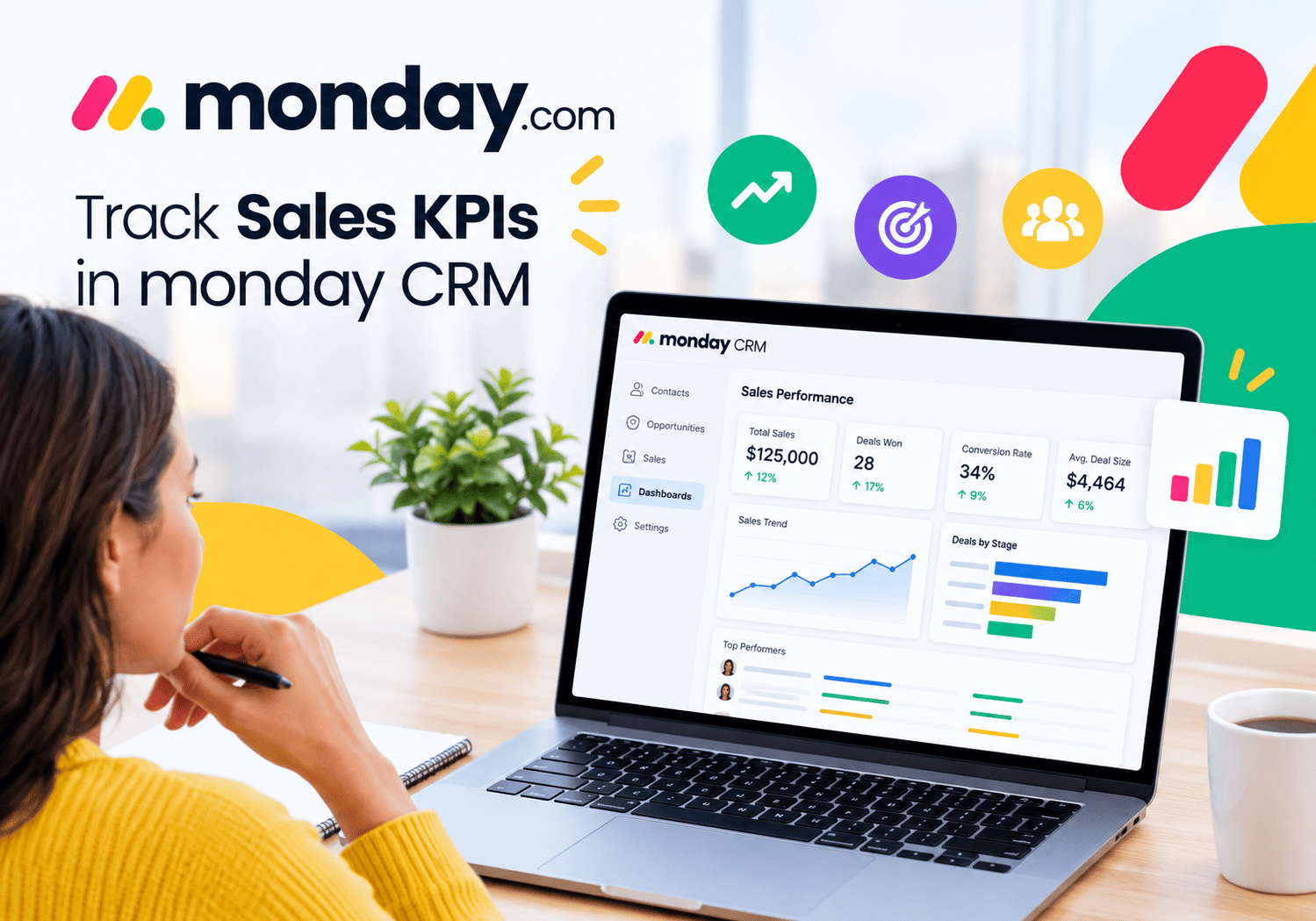
Who is a CRM administrator?

In today’s digitally-driven business landscape, customer relationship management systems have become the backbone of sales, marketing, and customer service operations. Consequently, the role of a CRM administrator has emerged as a critical position within organizations of all sizes. This professional serves as the architect and guardian of the CRM ecosystem, ensuring that these powerful platforms deliver maximum value to their users.
Table of Contents
- Quick Summary
- What Is a CRM Administrator and Why Do Businesses Need One?
- What Are the Primary Responsibilities of a CRM Administrator?
- What Technical Skills Does a CRM Administrator Need?
- What Soft Skills Are Essential for CRM Administrators?
- How Does a CRM Administrator Work with Different Platforms?
- What Is the Difference Between Managing Simple and Complex CRM Systems?
- How Does a CRM Administrator Handle Data Security and Compliance?
- What Career Path Can a CRM Administrator Follow?
- How Can Organizations Maximize Their CRM Investment Through Proper Administration?
- Summing up
- Frequently Asked Questions
- Benefits of Cooperation with Solution for Guru Company
Quick Summary
A CRM administrator is a specialized professional responsible for managing, configuring, and optimizing customer relationship management systems within an organization. This role encompasses user management, system customization, data integrity, security protocols, integration management, and user training. Moreover, CRM administrators serve as the bridge between business requirements and technical implementation, ensuring that platforms like Pipedrive CRM, Bigin Zoho CRM, Salesforce, and Zoho CRM deliver measurable business value. Ultimately, these professionals enable organizations to leverage their CRM investments effectively, driving improved customer relationships, streamlined processes, and enhanced revenue generation.
What Is a CRM Administrator and Why Do Businesses Need One?
A CRM administrator is fundamentally a strategic technologist who manages the entire lifecycle of customer relationship management software within an organization. This professional oversees everything from initial implementation and configuration to ongoing maintenance, optimization, and user support. Furthermore, the CRM administrator acts as the custodian of customer data, ensuring accuracy, security, and accessibility for all authorized users.
Businesses need CRM administrators for several compelling reasons. First and foremost, modern CRM platforms like Salesforce and Zoho CRM have evolved into sophisticated ecosystems that require specialized knowledge to configure and maintain effectively. Without proper administration, these powerful tools can quickly become underutilized or misaligned with business objectives.
Additionally, a dedicated CRM administrator ensures that the system grows and adapts alongside the business. As companies expand, their processes evolve, team structures change, and customer engagement strategies shift. Consequently, the CRM administrator continuously refines the system to support these transformations, preventing the platform from becoming outdated or irrelevant.
Moreover, CRM administrators play a crucial role in data governance. They establish and enforce protocols that maintain data quality, prevent duplication, and ensure compliance with regulations like GDPR and CCPA. This oversight is particularly important when managing platforms such as Pipedrive CRM, where sales teams continuously input and update prospect information.
Finally, organizations need CRM administrators to maximize their return on investment. CRM software represents a significant financial commitment, and without expert administration, companies often fail to leverage the full capabilities of their chosen platform. Whether implementing Bigin Zoho CRM for a small team or managing an enterprise-wide Salesforce deployment, a skilled administrator ensures that every feature and functionality contributes to business success.
What Are the Primary Responsibilities of a CRM Administrator?
The responsibilities of a CRM administrator are diverse and multifaceted, spanning technical, analytical, and interpersonal domains. Understanding these core duties provides insight into the critical nature of this role within modern organizations.
System Configuration and Customization
CRM administrators are primarily responsible for configuring the platform to match specific business processes. This includes creating custom fields, designing page layouts, establishing record types, and configuring workflow automation. For instance, when working with Pipedrive CRM, administrators customize the pipeline stages to reflect the company’s unique sales methodology, ensuring that representatives can track deals through each phase of the customer journey.
Similarly, administrators working with Zoho CRM leverage the platform’s extensive customization capabilities to create modules, layouts, and automation rules that align perfectly with organizational requirements. This customization extends to creating custom buttons, links, and actions that streamline user workflows and eliminate repetitive tasks.
User Management and Training
Another critical responsibility involves managing user access and permissions. CRM administrators create user accounts, assign appropriate roles and profiles, and configure security settings to ensure that employees can access the information they need while protecting sensitive data. This responsibility becomes particularly complex in larger organizations using platforms like Salesforce, where hierarchical role structures and sharing rules must be carefully designed to balance accessibility with security.
Beyond access management, administrators conduct training sessions to ensure users understand how to leverage the CRM effectively. They create documentation, develop training materials, and provide ongoing support to address questions and challenges. For teams using Bigin Zoho CRM, administrators often emphasize the platform’s simplicity and ease of use, helping small business teams quickly adopt the system without overwhelming them with unnecessary complexity.
Data Management and Quality Assurance
Data integrity represents a cornerstone responsibility for CRM administrators. They establish data entry standards, implement validation rules, and regularly audit the database to identify and correct errors. Furthermore, administrators manage data imports and exports, ensuring that information flows seamlessly between the CRM and other business systems.
When working with platforms like Pipedrive CRM, administrators might configure duplicate detection rules to prevent sales representatives from creating multiple records for the same contact or organization. They also establish regular data cleansing schedules to remove outdated information and maintain database health.
Integration Management
In today’s interconnected business environment, CRM systems rarely operate in isolation. Therefore, administrators manage integrations between the CRM and other critical business applications such as email marketing platforms, accounting software, customer support systems, and analytics tools. These integrations ensure that data flows seamlessly across the organization’s technology stack.
For example, a CRM administrator working with Zoho CRM might integrate the platform with Zoho’s broader ecosystem of applications, including Zoho Books for accounting, Zoho Campaigns for email marketing, and Zoho Desk for customer support. This integration creates a unified business management system that eliminates data silos and provides comprehensive visibility across all customer touchpoints.
Reporting and Analytics
CRM administrators design and maintain reports and dashboards that provide actionable insights to stakeholders throughout the organization. They work closely with department leaders to understand their information needs and create visualizations that track key performance indicators, sales metrics, marketing campaign effectiveness, and customer service quality.
When managing Salesforce, administrators leverage the platform’s robust reporting capabilities to create complex reports with multiple filters, groupings, and formulas. They also design dynamic dashboards that update in real-time, providing executives with immediate visibility into business performance. Similarly, administrators using Bigin Zoho CRM create streamlined reports that focus on the most critical metrics for small business operations.
System Maintenance and Upgrades
Ongoing system maintenance represents another essential responsibility. CRM administrators monitor system performance, troubleshoot issues, and coordinate with vendor support when necessary. They also manage platform updates and new feature releases, testing changes in sandbox environments before deploying them to production systems.
This responsibility is particularly important for organizations using cloud-based platforms like Pipedrive CRM or Zoho CRM, where vendors regularly introduce new features and improvements. Administrators must evaluate these updates, determine their relevance to the organization, and communicate changes to users effectively.
What Technical Skills Does a CRM Administrator Need?
Success as a CRM administrator requires a diverse technical skill set that combines platform-specific knowledge with broader IT competencies. These skills enable administrators to configure systems effectively, troubleshoot issues, and implement solutions that drive business value.
Platform-Specific Expertise
First and foremost, CRM administrators must develop deep expertise in their chosen platform. For Salesforce administrators, this includes mastering the platform’s declarative tools such as Process Builder, Flow Builder, and Lightning App Builder. Additionally, Salesforce administrators should understand the platform’s object model, security architecture, and best practices for configuration and customization.
Similarly, administrators working with Zoho CRM need comprehensive knowledge of the platform’s modules, customization options, and automation capabilities. They should understand how to leverage Zoho’s Deluge scripting language for advanced customizations and how to utilize the platform’s API for integrations.
For those managing Pipedrive CRM, expertise includes understanding the platform’s pipeline-centric approach to sales management, configuring custom fields and stages, and utilizing workflow automation to streamline repetitive tasks. Meanwhile, Bigin Zoho CRM administrators focus on the platform’s streamlined feature set designed specifically for small businesses.
Database Management
Understanding database concepts and SQL is valuable for CRM administrators, even when working with platforms that abstract much of the database complexity. This knowledge helps administrators design efficient data models, create complex reports, and troubleshoot data-related issues effectively.
Furthermore, administrators should understand data normalization principles, relationship types (one-to-many, many-to-many), and indexing concepts. This foundational knowledge proves particularly useful when designing custom objects and fields in platforms like Salesforce or Zoho CRM.
API and Integration Knowledge
As businesses increasingly rely on integrated technology stacks, CRM administrators need working knowledge of APIs and integration patterns. They should understand RESTful API concepts, authentication methods, and data formats like JSON and XML. This knowledge enables administrators to configure integrations between their CRM and other business systems.
For instance, when integrating Pipedrive CRM with marketing automation platforms or accounting software, administrators use the platform’s API or third-party integration tools like Zapier. Understanding how these integrations work ensures reliable data synchronization and reduces the risk of errors.
Automation and Workflow Design
Modern CRM platforms offer powerful automation capabilities, and administrators must understand how to design and implement efficient workflows. This includes configuring automated email alerts, task assignments, field updates, and record creation based on specific triggers and conditions.
When working with Zoho CRM, administrators leverage workflow rules, Blueprint (guided selling), and macros to automate routine processes. Similarly, Salesforce administrators utilize Process Builder and Flow to create sophisticated automation that reduces manual work and ensures process consistency.
Reporting and Data Analysis
Strong analytical skills and proficiency in creating reports and dashboards are essential. Administrators should understand how to write formulas, create summary functions, and design visualizations that communicate insights effectively. They should also be comfortable working with data analysis tools and understanding statistical concepts.
Platforms like Bigin Zoho CRM offer straightforward reporting tools suitable for small business needs, while Salesforce provides advanced analytics capabilities including Einstein Analytics for AI-powered insights. Administrators must match their reporting approach to the platform’s capabilities and the organization’s requirements.
Security and Compliance
Understanding security principles and compliance requirements is increasingly critical. CRM administrators must know how to configure role hierarchies, sharing rules, field-level security, and other access controls. They should also understand relevant regulations like GDPR, CCPA, and industry-specific compliance requirements.
When managing platforms like Pipedrive CRM or Zoho CRM, administrators implement data protection measures, configure audit trails, and ensure that customer data is handled in compliance with applicable regulations.
What Soft Skills Are Essential for CRM Administrators?

While technical proficiency is fundamental, soft skills often determine whether a CRM administrator truly excels in their role. These interpersonal and cognitive abilities enable administrators to navigate organizational dynamics, communicate effectively, and drive user adoption.
Business Process Understanding
Successful CRM administrators possess strong business acumen and understand how different departments operate. They recognize that the CRM serves diverse functions across sales, marketing, customer service, and management. Consequently, they design solutions that address the unique needs of each stakeholder group while maintaining system cohesion.
For example, when implementing Salesforce for an organization, administrators must understand the sales team’s lead qualification process, the marketing department’s campaign management needs, and the customer service team’s case resolution workflows. This holistic understanding ensures that the CRM configuration supports end-to-end customer lifecycle management.
Communication and Training Abilities
CRM administrators frequently serve as translators between technical capabilities and business requirements. They must articulate complex technical concepts in accessible language for non-technical users. Moreover, effective communication skills enable administrators to gather requirements, explain system changes, and conduct productive training sessions.
When introducing Bigin Zoho CRM to a small business team, administrators emphasize the platform’s user-friendly interface and demonstrate how it simplifies daily tasks. They create training materials that resonate with users’ actual workflows and provide ongoing support that builds confidence and competence.
Problem-Solving and Critical Thinking
CRM administrators constantly encounter challenges that require creative problem-solving. Whether addressing a technical issue, designing a workflow to support a new business process, or finding ways to improve data quality, administrators must think critically and develop effective solutions.
For instance, when users of Pipedrive CRM report difficulty tracking complex sales cycles with multiple decision-makers, administrators might implement custom fields for relationship mapping and create activities to track engagement with each stakeholder. This solution-oriented mindset transforms user frustrations into opportunities for system improvement.
Change Management
Implementing or modifying a CRM system invariably disrupts established routines and requires users to adopt new behaviors. Therefore, administrators need change management skills to guide organizations through transitions smoothly. They anticipate resistance, address concerns proactively, and celebrate adoption milestones to maintain momentum.
When migrating from legacy systems to Zoho CRM, administrators develop comprehensive change management plans that include stakeholder communication, phased rollouts, comprehensive training, and ongoing support mechanisms. This structured approach minimizes disruption and accelerates time-to-value.
Project Management
CRM administrators often lead or participate in projects involving system implementations, major customizations, or integrations. Consequently, they benefit from project management skills including planning, resource allocation, timeline management, and stakeholder coordination. These capabilities ensure that initiatives are completed successfully, on time, and within budget.
Whether implementing Salesforce across multiple departments or integrating Pipedrive CRM with the organization’s email marketing platform, administrators apply project management methodologies to define scope, track progress, and deliver results that meet stakeholder expectations.
Patience and Empathy
Working with diverse user groups requires substantial patience and empathy. Administrators interact with users who have varying levels of technical proficiency and different attitudes toward technology adoption. By demonstrating patience and understanding users’ perspectives, administrators build trust and foster positive relationships that facilitate system success.
For small business teams using Bigin Zoho CRM, administrators recognize that users may initially feel overwhelmed by new technology. They provide reassurance, offer individualized support, and celebrate small wins to build user confidence and competence progressively.
How Does a CRM Administrator Work with Different Platforms?
CRM administrators adapt their approaches based on the specific platform they’re managing, as each system offers unique capabilities, architectures, and philosophies. Understanding these differences enables administrators to leverage each platform’s strengths effectively.
Working with Pipedrive CRM

Pipedrive CRM is designed specifically for sales teams, with a visual pipeline interface that emphasizes deal progression. Administrators working with Pipedrive focus on configuring pipelines that mirror the organization’s sales process, creating custom fields that capture relevant deal information, and establishing activity-based workflows that keep sales representatives accountable.
The platform’s strength lies in its simplicity and visual approach to sales management. Therefore, Pipedrive administrators prioritize user adoption by maintaining streamlined configurations that avoid unnecessary complexity. They leverage the platform’s automation capabilities to send email notifications, create follow-up activities, and update deal stages automatically based on specific triggers.
Furthermore, Pipedrive administrators frequently configure integrations with email clients, calendar systems, and communication tools to ensure that sales activities are automatically logged in the CRM. This integration reduces manual data entry and provides comprehensive visibility into customer interactions.
Working with Bigin Zoho CRM

Bigin Zoho CRM represents Zoho’s offering for small businesses and startups, delivering essential CRM functionality without the complexity of enterprise platforms. Administrators managing Bigin focus on rapid deployment and straightforward configurations that enable small teams to start using the system quickly.
The platform emphasizes pipeline management similar to Pipedrive but integrates more tightly with other Zoho applications. Consequently, Bigin administrators often leverage these integrations to provide small businesses with comprehensive business management capabilities beyond just CRM functionality.
Moreover, Bigin administrators appreciate the platform’s pricing structure and scalability, which makes it accessible for growing businesses. They configure the system to support current needs while establishing foundations that accommodate future growth without requiring platform migration.
Working with Zoho CRM

Zoho CRM offers extensive customization capabilities and comprehensive functionality suitable for businesses of all sizes. Administrators working with Zoho CRM leverage the platform’s modules, custom fields, page layouts, and automation rules to create highly tailored solutions.
The platform’s Canvas feature allows administrators to design completely custom interfaces using drag-and-drop tools, providing unprecedented flexibility in how information is presented to users. Additionally, administrators utilize Zoho’s Blueprint feature to create guided selling processes that ensure sales representatives follow consistent methodologies.
Zoho CRM administrators also benefit from the platform’s extensive ecosystem of complementary applications. They configure integrations with Zoho Books for accounting, Zoho Campaigns for email marketing, Zoho Desk for customer support, and numerous other Zoho products. This integration creates a unified business management environment that eliminates data silos and provides comprehensive customer visibility.
Furthermore, administrators working with Zoho CRM often leverage the platform’s AI capabilities, including Zia, Zoho’s AI assistant. They configure Zia to provide predictive sales insights, anomaly detection, and intelligent recommendations that enhance user productivity and decision-making.
Working with Salesforce

Salesforce stands as the market leader in CRM platforms, offering unparalleled functionality, customization capabilities, and ecosystem breadth. Administrators managing Salesforce work with a platform that can support virtually any business process or requirement, though this flexibility comes with significant complexity.
Salesforce administrators utilize declarative tools like Lightning App Builder, Process Builder, and Flow to configure the platform without writing code. However, they also work closely with developers who leverage Apex (Salesforce’s programming language) and Visualforce or Lightning Web Components to create custom functionality when declarative tools prove insufficient.
The platform’s robust security model requires administrators to carefully design role hierarchies, sharing rules, and permission sets that balance data accessibility with security. This complexity increases in organizations with intricate organizational structures or strict regulatory requirements.
Moreover, Salesforce administrators manage the platform’s extensive ecosystem of third-party applications available through the AppExchange. They evaluate these applications, manage installations, and configure integrations that extend Salesforce’s native capabilities. This ecosystem enables organizations to add specialized functionality for industries ranging from healthcare to financial services to manufacturing.
Salesforce administrators also navigate the platform’s regular release cycle, with three major updates annually. They test new features in sandbox environments, evaluate their impact on existing configurations, and communicate changes to users effectively. This ongoing evolution requires administrators to commit to continuous learning and platform mastery.
What Is the Difference Between Managing Simple and Complex CRM Systems?
The complexity of CRM administration varies significantly based on platform capabilities, organizational size, and business requirements. Understanding these differences helps organizations staff their CRM administration function appropriately.
Simple CRM Management
Simple CRM systems like Bigin Zoho CRM or streamlined configurations of Pipedrive CRM typically serve smaller organizations with straightforward sales processes. Administration of these systems focuses on essential configurations: setting up pipelines, creating basic custom fields, establishing simple automation rules, and managing a limited number of users.
These implementations often require part-time administration or can be managed by a power user who handles CRM responsibilities alongside other duties. The focus remains on maintaining system simplicity, ensuring high user adoption, and avoiding feature bloat that could overwhelm small teams.
Training for simple CRM systems emphasizes core functionalities and best practices for data entry. Reports and dashboards focus on fundamental metrics like pipeline value, conversion rates, and sales activities. Integrations typically include email clients, calendar systems, and perhaps a marketing automation platform.
Complex CRM Management
In contrast, complex CRM implementations—such as enterprise deployments of Salesforce or fully customized Zoho CRM environments—require dedicated administration teams. These systems support multiple departments, hundreds or thousands of users, complex business processes, and extensive customizations.
Complex CRM administration involves managing intricate security models with hierarchical roles, territory management, and sophisticated sharing rules. Administrators oversee numerous custom objects, hundreds of custom fields, complex validation rules, and extensive automation that orchestrates multi-step business processes.
Furthermore, complex CRM environments typically include numerous integrations with ERP systems, marketing automation platforms, customer service applications, analytics tools, and industry-specific software. Managing these integrations requires coordination with IT teams and third-party vendors.
Training programs for complex systems are comprehensive and ongoing, often including role-based training that addresses the specific needs of different user groups. Advanced users may receive specialized training on features like advanced reporting, Einstein Analytics, or custom development tools.
Scaling Considerations
Organizations often begin with simple CRM implementations and gradually increase complexity as they grow. Administrators must recognize when the system needs to evolve and plan transitions carefully. For example, a company might start with Bigin Zoho CRM and eventually migrate to Zoho CRM as their requirements become more sophisticated.
Similarly, organizations using Pipedrive CRM might eventually require the broader functionality offered by Salesforce. These transitions require careful planning, data migration strategies, change management, and often external consulting support.
How Does a CRM Administrator Handle Data Security and Compliance?

Data security and regulatory compliance represent critical responsibilities for CRM administrators, particularly as data protection regulations become increasingly stringent worldwide. Administrators must implement comprehensive security measures while ensuring that authorized users can access the information they need.
Access Control and Permissions
CRM administrators establish multi-layered security models that control who can view, edit, create, and delete different types of records. In platforms like Salesforce, this includes configuring profiles, permission sets, role hierarchies, and sharing rules that work together to enforce organizational security policies.
For example, administrators might configure the system so that sales representatives can only view accounts and opportunities in their assigned territories, while sales managers can access their team’s records, and executives have visibility across the entire organization. Additionally, field-level security restricts access to sensitive information like salary data or personal identification numbers.
Even simpler platforms like Pipedrive CRM and Bigin Zoho CRM offer permission controls that administrators configure to protect sensitive data while enabling collaboration.
Data Protection Regulations
Administrators must ensure their CRM configurations comply with data protection regulations like GDPR (General Data Protection Regulation) in Europe, CCPA (California Consumer Privacy Act) in California, and similar laws worldwide. This includes implementing processes for obtaining consent, providing data access to individuals upon request, and enabling data deletion when required.
When working with Zoho CRM, administrators configure consent management features, establish data retention policies, and create workflows that handle data subject requests efficiently. They also ensure that marketing communications include proper opt-out mechanisms and that customer preferences are respected across all touchpoints.
Audit Trails and Monitoring
CRM administrators enable audit trails that track user activities, data changes, and system access. These logs provide accountability and help identify potential security issues or unauthorized access attempts. In platforms like Salesforce, comprehensive audit capabilities track field history, login attempts, report exports, and administrative changes.
Regular monitoring of these audit trails helps administrators identify unusual patterns that might indicate security breaches or policy violations. They establish alerts for suspicious activities and conduct periodic security reviews to ensure ongoing compliance.
Data Backup and Recovery
Although cloud-based CRM platforms like Pipedrive CRM, Zoho CRM, and Salesforce maintain their own backups, administrators often implement additional backup strategies to protect against data loss from user errors or malicious activities. They establish regular backup schedules and test recovery procedures to ensure business continuity.
Training and Awareness
Security is only as strong as the users who interact with the system. Therefore, CRM administrators conduct security awareness training that educates users about phishing risks, password best practices, and proper data handling procedures. They create policies around password complexity, session timeouts, and acceptable use of the CRM system.
What Career Path Can a CRM Administrator Follow?
The role of CRM administrator offers numerous opportunities for career growth and specialization. As organizations increasingly recognize the strategic value of CRM systems, demand for skilled administrators continues to grow, creating diverse career pathways.
Entry-Level Positions
Many CRM administrators begin their careers in entry-level roles such as CRM support specialist or junior administrator. These positions provide opportunities to learn platform fundamentals, support end users, and assist senior administrators with routine tasks. Professionals often enter these roles with business degrees, technical backgrounds, or experience in sales or customer service.
Working with user-friendly platforms like Bigin Zoho CRM or Pipedrive CRM provides excellent learning opportunities for those new to CRM administration. The simplicity of these platforms allows administrators to master core concepts before progressing to more complex systems.
Platform Specialization
As administrators gain experience, many choose to specialize in specific platforms. Salesforce administrators, for instance, can pursue certifications including Salesforce Certified Administrator, Advanced Administrator, Platform App Builder, and various specialized credentials. These certifications validate expertise and significantly enhance career prospects.
Similarly, Zoho CRM offers certification programs that recognize administrator proficiency. Specialists in particular platforms often command higher salaries and enjoy greater job security due to their in-demand expertise.
Senior and Lead Administrator Roles
Experienced administrators progress to senior or lead positions where they oversee complex implementations, manage teams of junior administrators, and contribute to strategic decisions about CRM technology investments. These professionals work closely with executive leadership to align CRM capabilities with business objectives.
Senior administrators managing enterprise deployments of Salesforce or Zoho CRM handle sophisticated challenges including multi-cloud implementations, global rollouts, and complex integrations with enterprise systems.
Consulting and Freelancing
Many experienced CRM administrators transition into consulting roles, either with consulting firms or as independent contractors. These professionals help multiple organizations implement, optimize, and troubleshoot their CRM systems. Consultants working with platforms like Pipedrive CRM might specialize in serving sales-focused organizations, while Salesforce consultants often work on large-scale enterprise projects.
Consulting offers variety, higher earning potential, and opportunities to solve diverse business challenges across industries. However, it also requires strong business development skills, project management capabilities, and the ability to work independently.
Business Analysis and Solution Architecture
CRM administrators with strong business acumen often progress into business analyst or solution architect roles. These professionals bridge the gap between business requirements and technical implementation, designing comprehensive solutions that may span multiple systems and platforms. Solution architects working with Zoho CRM might design integrated ecosystems incorporating Zoho’s full suite of business applications.
How Can Organizations Maximize Their CRM Investment Through Proper Administration?

Maximizing CRM return on investment requires more than simply purchasing the right platform—it demands ongoing, expert administration that ensures the system evolves alongside the business and delivers continuous value.
Strategic Alignment
Effective CRM administration begins with strategic alignment between the system and business objectives. Administrators work with leadership to understand organizational goals and configure the CRM to support these priorities. Whether the goal involves increasing sales productivity, improving customer retention, or enhancing marketing effectiveness, the CRM configuration should facilitate progress toward these outcomes.
For instance, an organization using Pipedrive CRM to increase sales might configure the system to track specific sales activities known to correlate with successful deal closure. The administrator then creates reports and dashboards that provide visibility into whether representatives are completing these critical activities.
Continuous Optimization
CRM systems should never remain static. Effective administrators continuously evaluate system performance, gather user feedback, and implement improvements that enhance efficiency and effectiveness. This iterative approach ensures that the CRM remains relevant and valuable as business processes evolve.
Organizations using Zoho CRM or Salesforce benefit from regular optimization cycles where administrators review automation rules, update page layouts, refine reports, and remove outdated configurations. This ongoing refinement prevents the system from becoming cluttered and maintains optimal performance.
User Adoption Focus
Even the most sophisticated CRM delivers no value if users don’t adopt it. Consequently, administrators must prioritize user adoption through comprehensive training, responsive support, and system configurations that make users’ jobs easier rather than harder. They celebrate adoption milestones, recognize power users, and address resistance with empathy and problem-solving.
For teams using Bigin Zoho CRM, administrators emphasize the platform’s simplicity and demonstrate quick wins that motivate continued use. They create shortcuts, automate repetitive tasks, and ensure that the system feels like a helpful tool rather than an administrative burden.
Data Quality Management
The value of any CRM system depends fundamentally on data quality. Administrators establish data governance policies, implement validation rules, conduct regular data cleansing, and train users on data entry best practices. High-quality data enables accurate reporting, effective segmentation, and reliable automation.
Organizations using Salesforce might implement duplicate management rules, required field validations, and regular data quality audits. Administrators might also leverage tools like Einstein Duplicate Management to automatically identify and merge duplicate records.
Platform Comparison Table
| Feature |  | |  |  |
|---|---|---|---|---|
| Best For | Sales-focused teams | Small businesses & startups | Small to large businesses | Enterprise organizations |
| Ease of Use | Very intuitive | Extremely simple | Moderate complexity | Steep learning curve |
| Customization | Moderate | Limited | Extensive | Extremely extensive |
| Pricing | Mid-range | Budget-friendly | Flexible tiers | Premium pricing |
| Implementation Time | Days to weeks | Hours to days | Weeks to months | Months to years |
| Automation Capabilities | Good | Basic | Advanced | Industry-leading |
| Reporting & Analytics | Good visual reports | Basic reporting | Comprehensive | Advanced with AI |
| Mobile App | Excellent | Good | Excellent | Excellent |
| Integration Ecosystem | Growing marketplace | Limited but essential | Extensive Zoho ecosystem | Massive AppExchange |
| Learning Curve | Low | Very low | Moderate | High |
| Scalability | Good for SMBs | Limited | Highly scalable | Unlimited scalability |
| Industry Solutions | General sales | General small business | Industry-specific modules | Comprehensive industry clouds |
| Support Options | Email & chat | Standard support | Multiple tiers | Premium support options |
| Admin Complexity | Low to moderate | Very low | Moderate to high | Very high |
Summing up
The role of CRM administrator has evolved from a technical support function into a strategic position that significantly impacts organizational success. These professionals serve as the architects of customer relationship technology, ensuring that platforms like Pipedrive CRM, Bigin Zoho CRM, Zoho CRM, and Salesforce deliver measurable business value.
Throughout this comprehensive exploration, we’ve seen that CRM administrators combine technical expertise with business acumen, communication skills, and strategic thinking. They manage complex systems, protect sensitive data, drive user adoption, and continuously optimize platforms to support evolving business needs. Moreover, they serve as the critical link between technology capabilities and business outcomes, translating requirements into configurations that empower users and enable organizational success.
The choice of CRM platform significantly influences the administrator’s daily responsibilities and required skill set. Organizations implementing Bigin Zoho CRM benefit from simplified administration suitable for small teams, while those deploying Salesforce require dedicated administrators with advanced technical capabilities. Meanwhile, platforms like Pipedrive CRM and Zoho CRM offer middle-ground solutions that balance functionality with manageable complexity.
Ultimately, the CRM administrator ensures that technology serves people rather than the reverse. By configuring systems thoughtfully, training users effectively, and maintaining data integrity, these professionals enable organizations to build stronger customer relationships, streamline operations, and drive sustainable growth in an increasingly competitive marketplace.
Frequently Asked Questions
Becoming a proficient CRM administrator typically requires three to six months of focused learning and hands-on experience, though this timeline varies based on the platform’s complexity and the individual’s background. For simpler platforms like Bigin Zoho CRM or Pipedrive CRM, administrators with technical aptitude can achieve basic proficiency within weeks. However, mastering enterprise platforms like Salesforce or fully leveraging Zoho CRM‘s extensive capabilities may take a year or more of continuous learning and practical application. Furthermore, CRM administration requires ongoing education as platforms regularly introduce new features and capabilities. Successful administrators commit to lifelong learning through official training programs, community forums, webinars, and hands-on experimentation.
Absolutely, though the nature of this role may differ from enterprise environments. Small businesses using platforms like Bigin Zoho CRM or Pipedrive CRM often designate a “CRM champion” who handles administrative responsibilities part-time alongside other duties. This individual ensures proper system configuration, trains new users, maintains data quality, and implements improvements based on user feedback. Even without a full-time administrator, small businesses should identify someone technically capable and process-oriented to oversee their CRM investment. Alternatively, many small businesses engage consultants or service providers like Solution for Guru to handle CRM administration tasks, benefiting from expert knowledge without the overhead of a full-time position. This approach proves particularly effective during implementation phases or when undertaking significant system changes.
Benefits of Cooperation with Solution for Guru Company
Organizations seeking to maximize their CRM investments increasingly turn to specialized consulting partners who bring deep expertise and proven methodologies. Solution for Guru represents exactly this type of strategic partner, offering comprehensive CRM services that help businesses implement, optimize, and maintain their customer relationship management systems effectively.
Solution for Guru provides professional implementation services across all major CRM platforms, including Pipedrive CRM, Bigin Zoho CRM, Zoho CRM, and Salesforce. Their experienced consultants guide organizations through every phase of CRM adoption, from initial platform selection and requirements gathering to configuration, data migration, testing, and user training. This comprehensive approach ensures that implementations are completed successfully, on time, and aligned with business objectives.
Partnering with Solution for Guru provides access to deep CRM expertise at a fraction of the cost of building internal capabilities. Organizations benefit from consultants who have implemented hundreds of CRM projects, encountered diverse challenges, and developed best practices across industries. This experience accelerates implementation timelines, reduces risks, and ensures that systems are configured optimally from the start.
By partnering with Solution for Guru, organizations ensure their CRM initiatives succeed, their systems deliver measurable business value, and their teams leverage customer relationship technology to build competitive advantage in increasingly demanding markets.
Recommended:
- What Should Investors Know About Salesforce Stock?
- What KPIs Should Every Business Track in Their CRM System?
- What is CRM Database?
- How Can CRM Analytics Transform Your Salesforce Experience?
- CRM Management
- Getting Started With Pipedrive
- What is Pipedrive CRM?
- Choosing the best low-cost CRM
- Top Microsoft Dynamics Alternatives and Competitors
- CRM Cost Comparison of Top Platforms