How Auto Insurance Impacts the Cost of Running a Commercial Fleet?

Managing a commercial fleet involves numerous financial considerations, and auto insurance stands as one of the most significant ongoing expenses. For businesses operating multiple vehicles, understanding how insurance costs affect the bottom line is essential for maintaining profitability and operational efficiency. Furthermore, the right insurance coverage not only protects assets but also influences driver behavior, maintenance schedules, and overall fleet management strategies. Consequently, business owners must carefully evaluate their insurance options to optimize costs while maintaining adequate protection.
Table of Contents
- Quick Summary
- What is Commercial Auto Insurance and Why Does Your Fleet Need It?
- How Do Insurance Premiums Affect Your Fleet’s Operating Budget?
- What Factors Determine Commercial Fleet Insurance Costs?
- How Does Vehicle Type Impact Insurance Expenses?
- Why Does Driver History Significantly Influence Premium Rates?
- What Role Does Coverage Level Play in Total Fleet Costs?
- How Can Businesses Reduce Commercial Auto Insurance Expenses?
- What Hidden Costs Should Fleet Managers Consider?
- Leading Commercial Auto Insurance Providers Comparison
- Summing up
- Frequently Asked Questions
- Benefits of Cooperation with Solution for Guru Company
Quick Summary
Commercial auto insurance represents a substantial portion of fleet operating costs, typically accounting for 10-15% of total fleet expenses. This comprehensive guide explores how insurance impacts your commercial fleet budget, examining premium determinants such as vehicle types, driver records, coverage levels, and claim history. Additionally, we analyze leading providers including BiBerk, Progressive, and Infinity Auto Insurance, comparing their offerings for fleet operators. Moreover, we discuss practical strategies for reducing insurance costs through technology, driver training, and strategic policy management. Ultimately, understanding these factors empowers business owners to make informed decisions that balance protection with affordability.
What is Commercial Auto Insurance and Why Does Your Fleet Need It?
Commercial auto insurance provides essential financial protection for businesses that operate vehicles as part of their operations. Unlike personal auto insurance, commercial policies are specifically designed to cover vehicles used for business purposes, including delivery vans, service trucks, company cars, and specialized equipment vehicles. Essentially, this insurance protects your business from liability claims, property damage, medical expenses, and vehicle repairs resulting from accidents involving your fleet.
The need for commercial auto insurance stems from both legal requirements and practical business considerations. Most states mandate minimum liability coverage for commercial vehicles, and businesses without proper insurance face significant legal penalties, including fines, license suspension, and potential criminal charges. Beyond legal compliance, however, commercial auto insurance serves as a critical risk management tool that protects your business assets from catastrophic financial losses.
When a fleet vehicle is involved in an accident, the potential costs can be staggering. Medical bills for injured parties can easily reach hundreds of thousands of dollars, while property damage claims may involve expensive commercial buildings, equipment, or other vehicles. Without adequate insurance coverage, these costs could bankrupt a small business or severely damage the financial stability of larger enterprises. Therefore, commercial auto insurance acts as a financial safety net that allows businesses to continue operations even after significant accidents.
Commercial policies typically include several coverage types that work together to provide comprehensive protection. Liability coverage pays for bodily injury and property damage that your drivers cause to others, while collision coverage handles damage to your own vehicles regardless of fault. Additionally, comprehensive coverage protects against non-collision events such as theft, vandalism, weather damage, and fire. Medical payments coverage takes care of medical expenses for your drivers and passengers, and uninsured motorist coverage protects your business when accidents involve drivers without adequate insurance.
How Do Insurance Premiums Affect Your Fleet’s Operating Budget?

Insurance premiums represent one of the largest fixed costs in fleet operations, directly impacting profitability and pricing strategies. For most businesses, commercial auto insurance premiums constitute between 10% and 15% of total fleet operating expenses, making them second only to fuel costs in many cases. Consequently, even small percentage changes in premium rates can translate to thousands or tens of thousands of dollars in annual expenses, significantly affecting the bottom line.
The structure of insurance premiums creates both predictable and variable costs for fleet managers. While base premiums provide a foundation for budgeting, actual costs fluctuate based on claims experience, fleet size changes, and market conditions. Therefore, businesses must maintain flexible budgets that can accommodate premium increases while also seeking opportunities to reduce costs through improved safety performance and strategic policy management.
Premium costs directly influence pricing decisions for businesses that rely on fleet operations. Delivery companies, service providers, and transportation businesses must factor insurance expenses into their rates to maintain profitability. When insurance costs rise unexpectedly, businesses face difficult choices: absorb the increased costs and reduce profit margins, pass the costs to customers through higher prices, or find ways to reduce other operating expenses. Each option carries potential consequences for competitiveness and customer satisfaction.
Insurance premium volatility introduces uncertainty into long-term financial planning. Unlike relatively stable costs such as vehicle depreciation or financing, insurance premiums can change dramatically from year to year based on claims experience, market conditions, and regulatory changes. A single serious accident can trigger premium increases of 20% to 40% at renewal, while consistently clean safety records may yield only modest premium reductions. Consequently, prudent fleet managers build contingency reserves to manage insurance cost volatility.
What Factors Determine Commercial Fleet Insurance Costs?
Understanding the factors that determine insurance costs empowers fleet managers to make strategic decisions that optimize premiums. Insurance companies use sophisticated actuarial models that evaluate dozens of variables to assess risk and calculate appropriate premium rates. While some factors remain beyond business control, many can be influenced through proactive fleet management practices.
Driver qualifications and safety records
Driver qualifications and safety records stand as the most influential cost determinants for commercial fleet insurance. Insurers scrutinize the driving records of all authorized drivers, examining accident history, traffic violations, and years of experience. A fleet with drivers who have clean records will enjoy significantly lower premiums compared to one with multiple drivers who have accidents or serious violations. Additionally, the hiring practices and driver screening procedures that businesses employ directly affect their insurance costs, as insurers recognize that companies with rigorous hiring standards present lower risk.
Vehicle characteristics
Vehicle characteristics substantially impact premium calculations, with newer vehicles generally commanding higher insurance costs due to their greater replacement value. However, newer vehicles often qualify for safety discounts when equipped with advanced driver assistance systems, anti-theft devices, and other safety features. The type of vehicle also matters significantly, as cargo vans typically cost less to insure than large commercial trucks, while specialized vehicles such as refrigerated trucks or hazardous material carriers command premium rates reflecting their unique risks.
The nature of business operations
The nature of business operations influences insurance costs through the lens of risk exposure. Delivery services that operate in congested urban areas during peak traffic hours face different risk profiles than service companies that primarily travel to suburban locations during off-peak times. Similarly, businesses that regularly transport valuable cargo or hazardous materials encounter higher premiums reflecting the increased potential for significant claims. Insurers also consider annual mileage, as vehicles that accumulate more miles face greater accident exposure.
Coverage levels
Coverage levels and deductible choices directly impact premium costs, with higher coverage limits and lower deductibles resulting in increased premiums. While minimum liability coverage keeps premiums low, it exposes businesses to potentially catastrophic out-of-pocket expenses if serious accidents occur. Conversely, comprehensive coverage with high limits and low deductibles maximizes protection but substantially increases premium costs. Therefore, businesses must carefully balance risk tolerance, financial capacity, and protection needs when selecting coverage levels.
How Does Vehicle Type Impact Insurance Expenses?
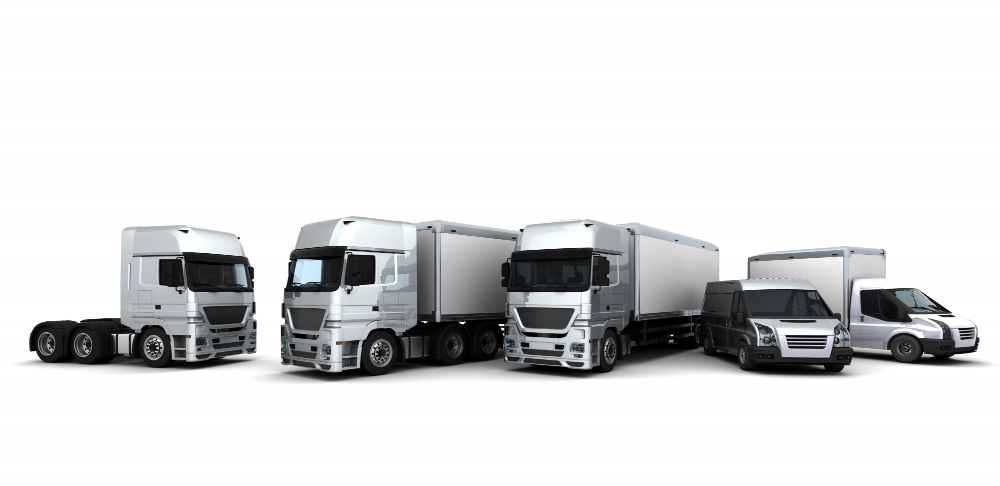
The specific types of vehicles in your fleet dramatically influence insurance costs, with premiums varying by as much as 300% between different vehicle classes. Understanding these cost implications helps businesses make informed vehicle selection decisions that balance operational needs with insurance affordability.
Standard cargo vans and light-duty trucks
Standard cargo vans and light-duty trucks represent the most affordable vehicle category for commercial insurance purposes. These vehicles, typically weighing under 10,000 pounds, are widely used for service calls, small deliveries, and general business transportation. Their relatively low replacement costs, limited damage potential in accidents, and extensive safety data make them favorable risks for insurers. Consequently, businesses operating fleets of cargo vans often enjoy the lowest per-vehicle insurance costs in the commercial sector.
Medium-duty trucks and box trucks
Medium-duty trucks and box trucks occupy the middle ground in terms of insurance costs, with premiums reflecting both increased vehicle values and greater accident severity potential. These vehicles, ranging from 10,000 to 26,000 pounds, commonly serve delivery services, moving companies, and contractors. While they cost more to insure than light-duty vehicles, their versatility and capacity make them essential for many businesses.
Heavy-duty commercial trucks
Heavy-duty commercial trucks command the highest insurance premiums due to their size, weight, and potential to cause severe damage in accidents. Tractor-trailers, dump trucks, and other vehicles exceeding 26,000 pounds require specialized commercial driver’s licenses and face stringent federal regulations. The combination of high replacement values, significant third-party liability exposure, and complex regulatory requirements results in premium costs that can exceed $10,000 annually per vehicle.
Passenger vehicles
Passenger vehicles used for commercial purposes, including company cars and passenger vans, generally enjoy moderate insurance costs when used primarily for business travel. However, vehicles used to transport passengers for hire, such as shuttles or ride-sharing services, encounter significantly higher premiums due to increased liability exposure. The number of passengers a vehicle can carry directly correlates with insurance costs, as more passengers mean greater potential injury claims in accidents.
Vehicle age affects insurance costs in complex ways that vary by vehicle type and coverage selection. Older vehicles have lower replacement values, which reduces comprehensive and collision premium costs. However, older vehicles may lack modern safety features, potentially increasing liability exposure.
Why Does Driver History Significantly Influence Premium Rates?
Driver qualifications and safety records represent the single most influential factor in commercial auto insurance pricing, often determining whether coverage is available at all and at what cost. Insurers recognize that even the safest vehicle becomes a liability risk when operated by drivers with poor safety records. Consequently, businesses must prioritize driver screening, training, and ongoing monitoring to control insurance costs effectively.
The driver screening process begins before employment and directly impacts initial insurance quotes. Insurers typically require businesses to provide motor vehicle records for all authorized drivers, examining accident history, traffic violations, license suspensions, and DUI convictions. A single driver with a serious violation such as DUI or reckless driving can increase fleet-wide premiums by 15% to 25%, while multiple problematic drivers may make coverage unaffordable or unavailable.
Experience levels among drivers significantly affect premium calculations, with insurers offering preferred rates to businesses employing drivers with extensive commercial driving experience. Drivers with five or more years of clean commercial driving history present substantially lower risk than newly licensed drivers or those transitioning from personal to commercial driving.
Ongoing driver performance monitoring provides opportunities for premium reductions through insurer-sponsored programs. Many insurance companies offer telematics-based programs that track driver behavior, including speeding, harsh braking, rapid acceleration, and hours of operation. Businesses that participate in these programs and demonstrate consistently safe driving behaviors can earn premium discounts of 10% to 30%.
Driver age demographics within your fleet also influence insurance costs, though the relationship is more nuanced than in personal auto insurance. While very young drivers (under 25) typically face higher premiums due to inexperience, businesses employing primarily middle-aged drivers with extensive experience enjoy the most favorable rates.
What Role Does Coverage Level Play in Total Fleet Costs?
Selecting appropriate coverage levels represents a critical balancing act between financial protection and premium affordability. The coverage decisions businesses make directly determine both insurance costs and potential out-of-pocket expenses following accidents. Understanding the relationship between coverage levels and total fleet costs enables informed decision-making that aligns with business risk tolerance and financial capacity.
Liability coverage limits
Liability coverage limits represent the most consequential coverage decision businesses face, as inadequate limits can expose the company to catastrophic financial losses. Most states require minimum liability coverage ranging from $25,000 to $50,000 per person for bodily injury and $50,000 to $100,000 per accident. However, these minimum limits prove woefully inadequate for serious accidents involving multiple injuries or fatalities. A single severe accident can easily generate liability claims exceeding $1 million, making higher limits essential for protecting business assets. Consequently, most insurance professionals recommend liability limits of at least $1 million per occurrence, with larger fleets often carrying $2 million to $5 million in coverage.
The cost relationship between coverage limits isn’t linear, meaning doubling coverage limits doesn’t double premiums. Increasing liability coverage from $500,000 to $1 million typically increases premiums by only 20% to 30%, while the additional protection proves invaluable if serious accidents occur. This favorable cost relationship makes higher liability limits one of the best values in commercial insurance. Furthermore, businesses that require third-party certificates of insurance often need minimum limits of $1 million to satisfy contract requirements, making higher limits operationally necessary regardless of cost considerations.
Physical damage coverage
Physical damage coverage for vehicles presents different cost-benefit considerations depending on fleet composition and financial capacity. Comprehensive and collision coverage protect your own vehicles against damage from accidents, theft, vandalism, weather, and other perils. For newer vehicles with significant values, this coverage typically makes financial sense despite adding 30% to 50% to total premiums. However, as vehicles age and depreciate, the cost-benefit ratio shifts, and many businesses eventually drop physical damage coverage on older vehicles with limited values.
Deductible selection directly impacts both premium costs and out-of-pocket expenses when claims occur. Higher deductibles substantially reduce premiums, with a $5,000 deductible typically costing 30% to 40% less than a $1,000 deductible. Businesses with strong cash reserves and multiple vehicles often benefit from higher deductibles, as the premium savings accumulate over time while claims remain relatively infrequent when distributed across the entire fleet.
The relationship between coverage levels and claim management strategies influences total fleet costs over time. Businesses carrying lower coverage limits and higher deductibles must carefully evaluate whether to file claims for minor losses, as even small claims impact future premiums. Conversely, comprehensive coverage with low deductibles encourages claim filing for all losses, potentially leading to higher long-term costs through increased premiums.
How Can Businesses Reduce Commercial Auto Insurance Expenses?

Reducing commercial auto insurance costs without compromising essential coverage requires strategic approaches across multiple operational areas. While some cost reduction strategies yield immediate results, others require sustained commitment but deliver long-term savings that compound over years. Implementing comprehensive cost reduction strategies can decrease insurance expenses by 20% to 40% while simultaneously improving fleet safety and efficiency.
Safety programs represent the most effective long-term strategy for reducing insurance costs, as improving safety records directly impacts premium calculations. Comprehensive safety programs include rigorous driver screening, regular training, performance monitoring, and accountability measures for violations.
Telematics technology provides powerful tools for both improving safety and earning insurance discounts. Modern telematics systems track vehicle location, speed, braking, acceleration, and idling, providing comprehensive data on driver behavior and vehicle usage. Many insurers offer premium discounts of 10% to 30% for businesses that implement telematics and demonstrate safe driving behaviors. Beyond insurance discounts, telematics data helps identify training needs, reduce fuel consumption, and improve route efficiency, delivering multiple operational benefits that far exceed the implementation costs.
Vehicle maintenance programs indirectly affect insurance costs by preventing accidents caused by mechanical failures. Well-maintained vehicles with properly functioning brakes, tires, lights, and safety systems reduce accident risk substantially. While insurers don’t typically offer direct premium discounts for maintenance programs, the resulting safety improvements contribute to better claims experience and lower long-term premiums.
Industry associations and group purchasing programs sometimes offer insurance programs with preferential rates for members. Trade associations in industries such as transportation, construction, and delivery services often negotiate specialized insurance programs designed for their members’ specific needs. These programs may provide premium savings of 10% to 20% compared to individual market rates while offering coverage tailored to industry-specific risks.
What Hidden Costs Should Fleet Managers Consider?
Beyond obvious premium expenses, commercial auto insurance creates numerous hidden costs that significantly impact total fleet operating expenses. Recognizing and accounting for these indirect costs provides a more accurate picture of true insurance expenses and helps identify additional cost reduction opportunities.
Deductible payments represent the most visible hidden cost, occurring each time a claim is filed. While businesses budget for premiums, deductible expenses often come as surprises that strain cash flow. A fleet experiencing just five at-fault accidents annually with $2,500 deductibles incurs $12,500 in out-of-pocket costs beyond premiums. Moreover, businesses with physical damage coverage on multiple vehicles may face several simultaneous deductible payments following major weather events or parking lot incidents, creating concentrated cash flow demands.
Premium financing charges
Premium financing charges add substantial costs for businesses that opt for monthly payment plans rather than annual lump sum payments. Insurers and premium finance companies typically charge effective annual percentage rates of 5% to 12% for installment plans, adding hundreds or thousands of dollars to total annual insurance costs. A business paying $50,000 in annual premiums might incur additional financing charges of $2,500 to $6,000 simply by selecting monthly payments. Therefore, businesses with adequate cash flow should strongly consider annual payments to avoid these unnecessary expenses.
Administrative costs associated with insurance management consume significant time and resources that often go unaccounted. Fleet managers spend hours obtaining quotes, reviewing policies, processing certificates of insurance, managing driver authorizations, and handling claim paperwork. For larger fleets, these administrative tasks may require dedicated staff positions, adding tens of thousands of dollars in labor costs to total insurance expenses. Additionally, claim management involves vehicle downtime, replacement vehicle costs, and productivity losses that extend far beyond direct insurance costs.
Claims-related downtime
Claims-related downtime creates indirect costs that often exceed the direct claim amounts. When vehicles are damaged and undergoing repairs, businesses must find alternative transportation solutions or reduce service capacity. Rental vehicle costs, customer service impacts, and revenue losses during downtime can easily double or triple the total cost of accidents. Furthermore, businesses in time-sensitive industries such as delivery services may face contractual penalties or customer attrition resulting from service disruptions caused by vehicle accidents.
Claim surcharges and premium increases
Claim surcharges and premium increases following accidents create long-lasting financial impacts. Most insurers impose surcharges for at-fault accidents that persist for three to five years, with serious accidents triggering premium increases of 20% to 40%. A fleet experiencing $100,000 in annual premiums might face additional costs of $60,000 to $120,000 over three years following a single serious accident. These compounding costs often far exceed the immediate claim payout, creating strong incentives for aggressive accident prevention.
Loss of good driver discounts represents an often-overlooked cost of accidents and violations. Many insurers offer substantial premium discounts for claim-free years, sometimes reducing premiums by 10% to 25% after three to five years without claims. A single accident eliminates these accumulated discounts, essentially increasing costs by both the surcharge amount and the lost discount value. Therefore, the true cost of accidents includes not just premium increases but also the forfeiture of hard-earned discounts.
Opportunity costs arise when capital committed to insurance premiums and deductibles becomes unavailable for other business purposes. Businesses paying substantial insurance costs effectively remove working capital from productive use, potentially limiting growth opportunities or requiring additional borrowing. While necessary for risk management, insurance costs represent capital allocation decisions that impact overall business financial performance and strategic flexibility.
Leading Commercial Auto Insurance Providers Comparison
Selecting the right insurance provider significantly impacts both coverage quality and total costs for commercial fleets. The commercial auto insurance market includes numerous carriers, each with distinct strengths, pricing approaches, and service capabilities. For fleet operators seeking comprehensive protection at competitive rates, three providers stand out for their focus on commercial clients and innovative offerings: BiBerk, Progressive, and Infinity Auto Insurance.
BiBerk: Specialized Small Business Focus

BiBerk has established itself as a prominent provider for small to medium-sized commercial fleets, offering streamlined insurance solutions specifically designed for businesses operating fewer than 50 vehicles. The company distinguishes itself through its digital-first approach, enabling businesses to obtain quotes, purchase policies, and manage coverage entirely online without traditional agent interactions. This efficiency translates to faster policy issuance and often lower administrative costs compared to traditional insurers.
BiBerk’s commercial auto insurance products cater particularly well to service businesses, contractors, and light delivery operations that rely primarily on cargo vans, pickup trucks, and small commercial vehicles. Their underwriting approach focuses on businesses with good safety records, rewarding responsible fleet operators with competitive premium rates. Moreover, BiBerk provides flexible coverage options that allow businesses to customize policies based on specific operational needs, avoiding unnecessary coverage that inflates premiums without adding value.
The company’s claims process emphasizes speed and simplicity, with dedicated commercial claims representatives who understand business urgency around vehicle repairs and service restoration. Additionally, BiBerk offers bundling opportunities that enable businesses to combine commercial auto coverage with general liability, commercial property, and workers compensation insurance, often achieving meaningful premium discounts through multi-policy arrangements.
Progressive: Market Leader with Advanced Technology

Progressive ranks among the largest commercial auto insurers in the United States, serving fleets of all sizes from single-vehicle operations to those with hundreds of units. The company’s extensive market presence provides substantial advantages in claims service infrastructure, with repair networks and claims representatives available throughout the country. This geographic breadth proves particularly valuable for businesses operating across multiple states or regions.
Progressive’s commercial auto insurance offerings include sophisticated usage-based insurance programs that leverage telematics data to provide personalized pricing based on actual driving behaviors. Their Snapshot program for commercial fleets enables businesses to earn substantial premium discounts by demonstrating safe driving practices, with potential savings reaching 30% for top-performing fleets. Furthermore, Progressive provides comprehensive online tools for policy management, certificate generation, and claims tracking, reducing administrative burdens for busy fleet managers.
The insurer’s specialization in transportation businesses makes them particularly well-suited for delivery services, trucking operations, and logistics companies. Progressive offers specialized coverage for various commercial vehicle types, including box trucks, tractor-trailers, and specialized equipment vehicles. Their underwriting expertise in these sectors often results in more competitive pricing than generalist insurers who lack deep understanding of transportation industry risks. Additionally, Progressive provides risk management resources and safety training programs that help businesses reduce accidents and improve long-term insurance costs.
Infinity Auto Insurance: Flexible Options for Diverse Fleets
Infinity Auto Insurance serves the commercial auto insurance market with particular strength in providing coverage for businesses that face challenges obtaining insurance through traditional carriers. The company’s flexible underwriting approach accommodates fleets with drivers who have less-than-perfect driving records or businesses in higher-risk industries, filling an important market niche that other insurers often avoid.
Infinity’s commercial auto products include comprehensive coverage options suitable for various fleet types, from small service businesses to medium-sized delivery operations. Their payment flexibility stands out as a particular advantage, offering multiple payment plan options that help businesses manage cash flow effectively. While premium financing charges apply to installment plans, Infinity’s competitive financing rates often prove more affordable than third-party premium finance companies. This flexibility enables businesses to maintain proper coverage even during cash flow challenges.
The company provides bilingual customer service and documentation, making them particularly accessible for businesses with diverse workforces. Infinity’s claims service emphasizes communication and transparency, with claims representatives who provide regular updates throughout the repair and settlement process. Moreover, Infinity offers online account management capabilities that allow businesses to add or remove vehicles, modify coverage, and obtain certificates of insurance without waiting for agent assistance.
Comparative Analysis Table
| Feature |  |  | |
|---|---|---|---|
| Fleet Size Focus | Small to medium (1-50 vehicles) | All sizes (1-500+ vehicles) | Small to medium (1-100 vehicles) |
| Technology Integration | Strong digital platform, online quoting | Advanced telematics, usage-based insurance | Standard online tools, mobile app |
| Coverage Options | Standard commercial auto, bundling available | Comprehensive including specialized vehicles | Flexible coverage with payment options |
| Premium Discounts | Multi-policy, safety programs | Usage-based (up to 30%), volume discounts | Payment plan flexibility, loyalty discounts |
| Industry Specialization | Service contractors, light delivery | Transportation, trucking, logistics | Diverse industries, non-standard risks |
| Claims Service | Dedicated commercial representatives | Nationwide network, 24/7 service | Bilingual support, transparent communication |
| Underwriting Approach | Focuses on good driving records | Data-driven, flexible | Accommodates diverse risk profiles |
| Payment Flexibility | Standard options | Multiple payment plans | Extensive payment plan options |
| Average Premium Range | $3,000-$8,000 per vehicle annually | $4,000-$12,000 per vehicle annually | $3,500-$10,000 per vehicle annually |
| Best For | Small businesses seeking efficiency | Tech-forward fleets, large operations | Businesses needing flexible underwriting |
How These Providers Address Fleet Insurance Costs
Each of these insurance providers brings distinct advantages to managing commercial fleet insurance costs. BiBerk‘s streamlined processes and focus on small businesses eliminate unnecessary overhead costs, translating to competitive premiums for qualifying fleets. Their digital-first model reduces the time fleet managers spend on insurance administration, creating indirect cost savings through improved operational efficiency. For businesses with clean safety records and straightforward coverage needs, BiBerk often provides the most cost-effective solutions.
Progressive‘s investment in telematics technology and usage-based insurance creates opportunities for substantial premium reductions based on actual driving performance rather than generalized risk assessments. Fleets that implement strong safety programs and can demonstrate superior driving behaviors through telematics data often achieve lower total insurance costs with Progressive than with competitors lacking these programs. Additionally, Progressive’s claims infrastructure minimizes downtime through efficient repairs and rental vehicle coordination, reducing the indirect costs associated with accidents.
Infinity Auto Insurance addresses the insurance cost challenges faced by businesses that might otherwise struggle to obtain affordable coverage. For fleets with diverse driver populations or those operating in higher-risk industries, Infinity’s flexible underwriting often provides coverage at rates that, while potentially higher than standard market rates, prove far more affordable than surplus lines or high-risk insurance markets. Their payment flexibility also helps businesses avoid coverage lapses that could lead to even higher costs or legal penalties.
When selecting among these providers, fleet operators should consider their specific circumstances, including fleet size, vehicle types, driver demographics, safety record, and budget flexibility. Obtaining quotes from multiple providers enables comparison shopping that often reveals significant price differences for identical coverage. Moreover, businesses should evaluate not just initial premium quotes but also each insurer’s reputation for claims service, premium stability at renewal, and availability of value-added services such as safety training and risk management support.
Summing up
Commercial auto insurance represents one of the most significant and complex cost components in fleet operations, directly impacting profitability, operational flexibility, and long-term business sustainability. Throughout this comprehensive analysis, we’ve examined how insurance costs influence fleet budgets through premium expenses, deductibles, administrative burdens, and indirect costs such as vehicle downtime and claim-related surcharges. Understanding these multifaceted impacts enables fleet managers to make strategic decisions that balance essential protection with cost efficiency.
The factors determining insurance costs prove both numerous and interconnected, ranging from vehicle types and driver qualifications to coverage levels and claims history. While some factors remain beyond business control, many can be influenced through proactive management practices. Implementing rigorous driver screening processes, maintaining comprehensive safety programs, investing in telematics technology, and carefully managing claims reporting all contribute to lower insurance costs over time. Additionally, the strategic selection of coverage levels, deductibles, and policy features allows businesses to align insurance spending with risk tolerance and financial capacity.
Technology solutions have revolutionized fleet insurance management, providing tools that simultaneously improve safety, reduce costs, and simplify administration. Telematics systems, dash cameras, driver training platforms, and integrated fleet management software deliver measurable returns on investment through both direct insurance premium discounts and indirect benefits such as fewer accidents, reduced fuel consumption, and improved customer service. As these technologies continue advancing, early adopters gain competitive advantages through superior safety performance and lower operating costs.
The role of leading insurance companies
Among insurance providers, BiBerk, Progressive, and Infinity Auto Insurance each bring distinct strengths to the commercial fleet market. BiBerk excels in serving small businesses through streamlined digital processes and bundled coverage options. Progressive leverages technology and market scale to offer sophisticated usage-based insurance programs and comprehensive claims infrastructure. Infinity Auto Insurance provides flexible underwriting and payment options that accommodate diverse business needs. Fleet operators benefit from comparing offerings across these and other providers, as competitive market dynamics often yield significant savings through informed shopping.
By implementing the strategies outlined in this guide, businesses can expect to reduce their commercial auto insurance costs by 20% to 40% while simultaneously improving safety outcomes and operational efficiency. These improvements require commitment and sustained effort, but the financial returns and operational benefits justify the investment. Whether operating a small fleet of service vehicles or managing hundreds of commercial trucks, the principles of strategic insurance management apply universally, offering pathways to lower costs and better protection for businesses of all sizes.
Frequently Asked Questions
Commercial auto insurance costs vary widely based on vehicle type, driver qualifications, coverage levels, and business operations, but most businesses pay between $3,000 and $12,000 per vehicle annually. Light-duty cargo vans and pickup trucks used for local service calls typically fall at the lower end of this range, often between $3,000 and $5,000 per vehicle for businesses with clean safety records. Medium-duty box trucks and delivery vehicles generally cost $5,000 to $8,000 annually, while heavy-duty commercial trucks and tractor-trailers command premiums of $8,000 to $15,000 or more per vehicle. Several factors can push costs above or below these averages. Urban fleets operating in dense metropolitan areas typically pay 30% to 50% more than rural operations due to higher accident rates and repair costs in cities.
Small businesses can employ numerous strategies to reduce commercial auto insurance costs while maintaining adequate protection. First and foremost, implementing rigorous driver screening during hiring proves essential, as a single driver with a poor safety record can increase fleet-wide premiums by 15% to 25%. Conducting thorough motor vehicle record checks before employment and establishing clear safety performance expectations from the outset prevents costly insurance problems before they begin. Additionally, maintaining ongoing driver monitoring through annual motor vehicle record reviews helps identify developing problems before they result in accidents.
Benefits of Cooperation with Solution for Guru Company
Navigating the complexities of commercial fleet insurance requires expertise that extends beyond simple policy purchasing to encompass comprehensive fleet management strategies. Solution for Guru provides specialized consulting services that help businesses optimize their fleet insurance costs while improving overall operational efficiency.
Solution for Guru’s insurance optimization services begin with comprehensive fleet assessments that evaluate current insurance costs, coverage adequacy, claims history, and safety program effectiveness. Through detailed analysis, they identify specific opportunities for premium reduction, coverage enhancement, and operational improvements. Their consultants work directly with businesses to implement recommended changes, from restructuring insurance programs and negotiating with carriers to developing safety initiatives and implementing telematics systems. This hands-on approach ensures that recommendations translate into measurable results rather than remaining theoretical suggestions.

Solution for Guru’s consulting approach emphasizes long-term relationships and sustained improvement rather than one-time transactions. They provide annual insurance market reviews, ongoing safety program support, and regular fleet performance analysis that helps businesses continuously improve operations and reduce costs. Their success is measured not by commission payments from insurers but by documented cost reductions and operational improvements delivered to clients. This alignment of interests ensures recommendations serve client benefits rather than commission optimization.
For businesses seeking to reduce commercial fleet insurance costs while improving safety and efficiency, partnering with Solution for Guru provides access to expertise, market relationships, and proven methodologies that deliver measurable results. Their comprehensive approach addresses not just insurance symptoms but the underlying operational factors that drive costs, creating sustainable improvements that compound over years.
Recommended
- Full Coverage vs. Liability: Which Auto Insurance Is Right for You?
- What’s Covered and What’s Not: Breaking Down Auto Insurance Coverage Types
- What Are the Best Auto Insurance Options for Rideshare Drivers (Uber, Lyft, etc.)?
- How to Get Affordable Auto Insurance After an Accident or Ticket
- Auto and Renters Insurance Bundle
- Preferred Auto Insurance Companies
- How to Get Auto Insurance Online
- Auto Insurance for Farms
- Auto International Insurance
- Comparing Commercial Auto Insurance
- The Top Commercial Auto Insurance Options