From Strategy to Support: Professions Involved in CRM Management

In today’s rapidly evolving business landscape, Customer Relationship Management (CRM) systems have become the backbone of successful customer engagement strategies. However, implementing and managing these sophisticated platforms requires a diverse team of professionals, each bringing unique expertise to the table. From strategic planners who envision the customer journey to technical specialists who ensure seamless integration, and from data analysts who extract actionable insights to support teams who maintain daily operations, CRM management is truly a collaborative effort. This article explores the multifaceted world of CRM management, examining the various roles, responsibilities, and skill sets required to transform customer data into meaningful business relationships. Whether you’re considering a career in CRM management or looking to build an effective CRM team, understanding these professional roles is essential for success.
Table of Contents
- Quick Summary
- What Makes CRM Management a Multi-Professional Endeavor?
- Who Are the Strategic Leaders in CRM Implementation?
- Which Technical Professionals Power CRM Systems?
- How Do Data Specialists Transform CRM Information?
- What Roles Do Marketing Professionals Play in CRM?
- Why Are Sales Professionals Central to CRM Success?
- How Do Customer Service Teams Utilize CRM Platforms?
- Which Training and Change Management Experts Support CRM Adoption?
- What Compliance and Security Roles Protect CRM Data?
- How Do Project Managers Coordinate CRM Initiatives?
- Summing up
- Frequently Asked Questions
Quick Summary
CRM management involves a diverse ecosystem of professionals working collaboratively to maximize customer relationship value. Strategic roles include CRM Managers, Business Analysts, and Strategy Consultants who define vision and requirements. Technical experts such as CRM Developers, System Administrators, and Integration Specialists ensure platform functionality and connectivity. Data professionals including Data Analysts, Scientists, and Quality Managers transform raw information into actionable insights. Marketing automation specialists, sales operations managers, customer service representatives, and training coordinators each contribute unique perspectives to CRM success. Additionally, compliance officers, security specialists, and project managers ensure regulatory adherence, data protection, and successful implementation timelines. Modern CRM platforms like Pipedrive CRM, Bigin Zoho CRM, Salesforce, Creatio, and Zoho CRM provide specialized features supporting these diverse professional roles, enabling organizations to build comprehensive customer engagement strategies that drive growth and loyalty.
What Makes CRM Management a Multi-Professional Endeavor?
CRM management extends far beyond simple software implementation; it represents a fundamental shift in how organizations approach customer relationships. Consequently, successful CRM initiatives require professionals from various disciplines working in harmony toward common objectives. This multi-professional approach ensures that technical capabilities align with business strategy, data insights inform decision-making, and user adoption drives tangible results.
Why Does CRM Require Diverse Skill Sets?
Modern CRM systems encompass technical infrastructure, strategic planning, data analytics, user experience design, and change management. Therefore, no single professional can possess all the necessary expertise. Technical specialists understand system architecture and integration possibilities, while business strategists comprehend market dynamics and customer behavior patterns. Meanwhile, data professionals extract meaningful insights from vast information repositories, and training experts ensure widespread adoption across organizational levels.
Furthermore, CRM platforms like Pipedrive CRM and Salesforce offer extensive customization options that demand specialized knowledge. Pipedrive CRM’s visual pipeline management requires sales professionals who understand deal progression, while its API capabilities necessitate developers who can create custom integrations. Similarly, Salesforce’s comprehensive ecosystem supports everything from marketing automation to advanced analytics, requiring professionals across multiple domains to leverage its full potential.
How Do Different Professions Contribute to CRM Success?
Each professional brings a unique perspective to CRM implementation and management. Strategic leaders define the vision and ensure alignment with business objectives, establishing clear success metrics and governance frameworks. Technical professionals build and maintain the infrastructure, ensuring system reliability, performance, and security. Data specialists transform raw information into actionable insights that drive strategic decisions and personalized customer experiences.
Moreover, operational teams including marketing, sales, and customer service professionals serve as the primary CRM users, providing valuable feedback for continuous improvement. Platforms like Bigin Zoho CRM and Zoho CRM specifically cater to different team sizes and complexity needs. Bigin Zoho CRM offers simplified functionality for small teams with straightforward processes, while Zoho CRM provides enterprise-grade features supporting complex organizational structures and workflows. Both platforms require professionals who understand their specific capabilities and can optimize configurations accordingly.
What Are the Interconnections Between CRM Roles?
CRM roles don’t operate in isolation; rather, they form an interconnected ecosystem where collaboration drives success. For instance, business analysts work closely with developers to translate requirements into technical specifications, while data analysts partner with marketing teams to create targeted campaigns. Additionally, training specialists collaborate with all departments to ensure comprehensive user adoption and proficiency.
Creatio exemplifies this interconnected approach through its no-code platform, enabling business users to collaborate with technical teams more effectively. Business professionals can configure workflows and processes visually, while developers extend functionality through custom code when needed. This collaborative model reduces communication barriers and accelerates implementation timelines, demonstrating how modern CRM platforms facilitate cross-functional teamwork.
Who Are the Strategic Leaders in CRM Implementation?

Strategic leadership establishes the foundation for successful CRM initiatives by defining clear objectives, securing stakeholder buy-in, and ensuring alignment with broader organizational goals. These professionals operate at the intersection of business strategy and technology, translating high-level vision into actionable implementation roadmaps.
What Does a CRM Manager Do?
CRM Managers serve as the primary stewards of customer relationship strategy, overseeing all aspects of CRM implementation, adoption, and optimization. They develop comprehensive strategies that align CRM capabilities with business objectives, establish governance frameworks that ensure data quality and system integrity, and coordinate cross-functional teams to maximize platform value. Additionally, CRM Managers monitor key performance indicators, identify improvement opportunities, and champion continuous enhancement initiatives.
These professionals must possess both strategic vision and tactical execution capabilities. They work closely with executive leadership to secure resources and support, collaborate with IT departments to ensure technical feasibility, and partner with operational teams to drive user adoption. Furthermore, CRM Managers evaluate platform capabilities and recommend solutions that best fit organizational needs. When implementing systems like Salesforce or Pipedrive CRM, they assess factors including scalability, integration capabilities, user experience, and total cost of ownership.
How Do Business Analysts Contribute to CRM Strategy?
Business Analysts bridge the gap between business requirements and technical implementation, conducting detailed needs assessments to understand current processes, pain points, and improvement opportunities. They document comprehensive requirements that guide system configuration and customization, create process maps that visualize ideal workflows, and develop test scenarios that validate functionality before deployment.
Moreover, Business Analysts facilitate workshops with stakeholders to gather requirements and build consensus around process improvements. They analyze existing data structures and recommend optimal information architectures that support reporting and analytics needs. When working with platforms like Zoho CRM or Creatio, Business Analysts evaluate standard features against unique requirements, determining where configuration satisfies needs and where custom development becomes necessary.
What Role Do Strategy Consultants Play in CRM Initiatives?
Strategy Consultants bring external perspective and specialized expertise to CRM implementations, particularly during initial planning phases or major transformation initiatives. They conduct comprehensive assessments of current capabilities and competitive positioning, benchmark industry best practices to identify improvement opportunities, and develop strategic roadmaps that outline phased implementation approaches balanced against organizational readiness and resource availability.
These consultants often possess deep experience across multiple industries and CRM platforms, enabling them to recommend optimal solutions and avoid common implementation pitfalls. They may specialize in specific platforms such as Salesforce or Creatio, bringing proven methodologies and accelerators that reduce implementation time and risk. Furthermore, Strategy Consultants help organizations navigate change management challenges, developing communication plans and stakeholder engagement strategies that build support for CRM initiatives.
Which Technical Professionals Power CRM Systems?
Technical professionals form the backbone of CRM infrastructure, ensuring systems operate reliably, securely, and efficiently while meeting evolving business requirements. These specialists possess deep technical knowledge combined with understanding of business processes and user needs.
What Do CRM Developers Create and Maintain?
CRM Developers build custom functionality that extends platform capabilities beyond standard features, creating tailored solutions that address unique business requirements. They develop custom applications, integrations, and automations using platform-specific programming languages and frameworks. For example, Salesforce developers work with Apex and Visualforce, while Zoho CRM developers leverage Deluge scripting language.
Additionally, CRM Developers create custom user interfaces that enhance user experience and productivity, optimize platform performance through efficient code and database design, and maintain code quality through version control, testing, and documentation practices. They collaborate closely with Business Analysts to understand requirements and with System Administrators to ensure solutions integrate seamlessly with existing configurations. Platforms like Salesforce and Zoho CRM offer extensive development frameworks supporting sophisticated customizations that transform standard platforms into tailored business solutions.
How Do System Administrators Ensure CRM Functionality?
System Administrators manage day-to-day CRM operations, ensuring the platform remains available, secure, and optimized for user productivity. They configure system settings, user permissions, and security controls; manage user accounts, roles, and access privileges; and implement workflows, validation rules, and automation that streamline business processes.
Furthermore, System Administrators monitor system performance and troubleshoot issues, apply updates and patches to maintain security and functionality, and create and maintain documentation for system configurations and procedures. They serve as the first line of support for user questions and technical issues, escalating complex problems to developers or vendor support as needed. When managing platforms like Pipedrive CRM or Bigin Zoho CRM, administrators balance configuration flexibility with simplicity to ensure users can navigate systems effectively without overwhelming complexity.
What Do Integration Specialists Accomplish?
Integration Specialists connect CRM systems with other enterprise applications, creating unified technology ecosystems that eliminate data silos and streamline information flow. They design and implement integrations using APIs, middleware platforms, and integration tools; map data structures between systems to ensure accurate information transfer; and establish synchronization schedules and error handling procedures that maintain data integrity.
These professionals must understand not only the CRM platform but also the various systems requiring integration, such as marketing automation tools, accounting software, e-commerce platforms, and customer service applications. They work with platforms like Salesforce and Creatio, which offer robust API capabilities and pre-built connectors facilitating integration with popular business applications. Moreover, Integration Specialists document integration architectures and maintain integration monitoring to quickly identify and resolve synchronization issues.
How Do Data Specialists Transform CRM Information?
Data professionals unlock the true value of CRM systems by transforming raw customer information into actionable insights that drive strategic decisions and personalized experiences. These specialists combine technical skills with business acumen to extract, analyze, and present data in meaningful ways.
What Insights Do CRM Data Analysts Provide?
CRM Data Analysts examine customer information to identify patterns, trends, and opportunities that inform business strategy. They create reports and dashboards that visualize key performance indicators, conduct cohort analyses to understand customer behavior across segments, and perform predictive analyses to forecast future trends and outcomes.
These professionals work closely with business stakeholders to understand analytical needs and translate them into data queries and visualizations. They leverage platform-native analytics tools available in systems like Salesforce and Zoho CRM, as well as external business intelligence tools for advanced analytics. Furthermore, Data Analysts identify data quality issues and work with Data Quality Managers to implement improvements, ensuring analyses rest on accurate, complete information.
How Do Data Scientists Apply Advanced Analytics?
Data Scientists apply sophisticated statistical and machine learning techniques to CRM data, uncovering deep insights and building predictive models that enhance customer engagement. They develop customer lifetime value models that prioritize high-value relationships, create churn prediction models that identify at-risk customers requiring intervention, and build recommendation engines that personalize product or content suggestions.
Moreover, Data Scientists work with large datasets from multiple sources, combining CRM information with external data to enrich customer profiles. They implement advanced segmentation techniques that identify micro-segments with unique needs and preferences, and test hypotheses about customer behavior to validate or challenge business assumptions. Platforms like Salesforce with Einstein Analytics provide built-in AI capabilities, while other systems integrate with external data science tools to support advanced analytical workflows.
What Do Data Quality Managers Ensure?
Data Quality Managers maintain the integrity, accuracy, and completeness of CRM information, recognizing that poor data quality undermines all downstream analytics and decision-making. They establish data governance policies and standards, implement validation rules and data entry controls that prevent errors at the source, and conduct regular data audits to identify and remediate quality issues.
Additionally, Data Quality Managers develop deduplication strategies to eliminate redundant records, create data enrichment processes that enhance customer profiles with additional information, and train users on data entry best practices and quality standards. When working with platforms like Pipedrive CRM or Bigin Zoho CRM, they configure validation rules and required fields that guide users toward consistent, high-quality data entry while maintaining user-friendly interfaces.
What Roles Do Marketing Professionals Play in CRM?

Marketing professionals leverage CRM systems to execute targeted campaigns, nurture leads, and measure marketing effectiveness. They transform customer data into personalized experiences that build engagement and drive conversions.
How Do Marketing Automation Specialists Utilize CRM?
Marketing Automation Specialists design and implement automated campaigns that deliver the right message to the right audience at the right time. They create email nurture sequences that guide prospects through the buyer’s journey, develop lead scoring models that prioritize sales follow-up efforts, and build triggered campaigns that respond to specific customer behaviors or lifecycle events.
These specialists integrate CRM platforms with marketing automation tools to create seamless data flow between systems. They work with solutions like Salesforce Marketing Cloud or the built-in marketing features of Zoho CRM to orchestrate multi-channel campaigns across email, social media, and digital advertising. Furthermore, they analyze campaign performance metrics to optimize messaging, timing, and audience targeting for continuous improvement.
What Do Digital Marketing Managers Accomplish Through CRM?
Digital Marketing Managers oversee comprehensive digital marketing strategies informed by CRM insights. They segment audiences based on demographic, behavioral, and firmographic data; personalize website experiences using CRM data to display relevant content; and coordinate across multiple digital channels to create cohesive customer experiences.
Moreover, Digital Marketing Managers use CRM analytics to measure marketing attribution and return on investment, determining which channels and campaigns drive the most valuable customer acquisition. They collaborate with sales teams to ensure marketing-qualified leads receive appropriate follow-up, creating tight alignment between marketing and sales processes. Platforms like Creatio and Salesforce provide end-to-end marketing capabilities supporting everything from campaign planning to performance analysis.
How Do Content Marketers Leverage CRM Data?
Content Marketers use CRM insights to create relevant, valuable content that addresses customer needs and interests at different stages of the buyer’s journey. They analyze customer questions and pain points captured in CRM interactions, identify content gaps where additional resources would support sales efforts, and personalize content recommendations based on customer profiles and engagement history.
Additionally, Content Marketers track content performance metrics within the CRM, understanding which assets generate leads, influence deals, and support customer success. They collaborate with sales teams to develop content that addresses common objections and accelerates deal progression. When using platforms like Pipedrive CRM or Zoho CRM, they can track which content pieces are associated with won opportunities, directly measuring content contribution to revenue.
Why Are Sales Professionals Central to CRM Success?
Sales professionals represent the primary users of many CRM systems, relying on these platforms to manage pipelines, track opportunities, and close deals. Their adoption and effective use directly impact CRM return on investment.
What Do Sales Operations Managers Optimize?
Sales Operations Managers design and refine sales processes, ensuring CRM systems support efficient, effective selling. They map optimal sales methodologies and configure CRM workflows accordingly, establish sales territories and assignment rules for balanced workload distribution, and create sales performance dashboards and reports that provide visibility into pipeline health.
Furthermore, Sales Operations Managers analyze sales metrics to identify bottlenecks and improvement opportunities, implement forecasting models that predict future revenue with greater accuracy, and ensure sales compensation plans align with CRM data capture requirements. They work extensively with systems like Pipedrive CRM, which offers visual pipeline management and sales analytics, or Salesforce, which provides comprehensive sales force automation capabilities supporting complex sales organizations.
How Do Account Executives Utilize CRM Daily?
Account Executives rely on CRM systems as their central workspace for managing customer relationships and sales activities. They track all customer interactions including calls, emails, and meetings in the CRM; manage opportunities through sales stages with detailed notes and next steps; and access customer history and insights that inform personalized sales approaches.
Moreover, Account Executives use CRM data to prioritize their daily activities, focusing on the highest-value opportunities and most urgent follow-ups. They generate quotes and proposals using CRM information, and collaborate with team members by sharing account information and coordinating activities. Platforms like Bigin Zoho CRM offer simplified interfaces ideal for sales teams that need straightforward pipeline management, while Zoho CRM and Creatio provide advanced features supporting complex, multi-stakeholder sales processes.
What Role Do Sales Enablement Specialists Play?
Sales Enablement Specialists ensure sales teams have the resources, training, and tools needed to succeed. They curate content libraries within the CRM containing sales collateral, case studies, and competitive intelligence; develop playbooks that guide sellers through common scenarios and objections; and create training programs that build CRM proficiency and sales methodology adoption.
Additionally, Sales Enablement Specialists analyze CRM data to identify which resources contribute most to sales success, continuously refining content and training based on performance metrics. They work closely with Marketing teams to ensure content aligns with buyer needs and with Sales Operations to optimize processes and tools. When implementing platforms like Salesforce or Creatio, they leverage content management features that make resources easily accessible within the sales workflow.
How Do Customer Service Teams Utilize CRM Platforms?
Customer service professionals use CRM systems to deliver exceptional support experiences, managing cases efficiently while maintaining complete visibility into customer history and context.
What Do Customer Service Representatives Accomplish?
Customer Service Representatives handle customer inquiries, issues, and requests using CRM systems as their primary interface. They log and track support cases from initial contact through resolution, access complete customer history to provide informed, personalized support, and document solutions and workarounds that build organizational knowledge.
Moreover, Customer Service Representatives use CRM workflows and automation to route cases appropriately and escalate urgent issues, update customers on case status and resolution progress, and identify opportunities to enhance customer satisfaction or expand relationships. Platforms like Zoho CRM and Salesforce offer comprehensive service cloud capabilities supporting omnichannel support across phone, email, chat, and social media.
How Do Support Managers Optimize Service Delivery?
Support Managers oversee customer service operations, using CRM analytics to monitor performance and identify improvement opportunities. They track key metrics including first response time, resolution time, and customer satisfaction scores; analyze case trends to identify common issues requiring proactive solutions; and manage support team capacity and workload distribution.
Furthermore, Support Managers develop and refine support processes, implementing best practices that enhance efficiency and consistency. They create escalation procedures that ensure complex issues receive appropriate attention, and establish service level agreements that set clear expectations for response and resolution times. When working with platforms like Creatio or Salesforce, they configure automated workflows that streamline case management and ensure consistent service delivery.
What Do Customer Success Managers Focus On?
Customer Success Managers take a proactive approach to customer relationships, using CRM data to ensure customers achieve desired outcomes and maximize value from products or services. They monitor customer health scores based on usage, engagement, and satisfaction metrics; identify at-risk accounts requiring intervention to prevent churn; and develop success plans that guide customers toward their goals.
Additionally, Customer Success Managers identify expansion opportunities where customers would benefit from additional products or services, conduct business reviews that demonstrate value delivered and explore future needs, and advocate for customer needs internally, influencing product development and service improvements. Platforms like Pipedrive CRM, Zoho CRM, and Salesforce can be configured to support customer success workflows with custom fields, automated alerts, and performance dashboards.
Which Training and Change Management Experts Support CRM Adoption?
Successful CRM implementation extends beyond technical configuration to encompass user adoption and organizational change. Training and change management professionals ensure teams embrace new systems and processes effectively.
How Do Training Specialists Facilitate CRM Adoption?
Training Specialists develop and deliver comprehensive learning programs that build user proficiency with CRM systems. They create role-based training curricula that address specific user needs and use cases, develop training materials including guides, videos, and interactive tutorials, and deliver training through multiple modalities including classroom sessions, webinars, and self-paced learning.
Moreover, Training Specialists assess training effectiveness through testing and feedback, continuously refining content and delivery methods. They create certification programs that validate user competency and build ongoing learning programs that introduce new features and best practices as systems evolve. When supporting platforms like Salesforce or Zoho CRM, they leverage vendor-provided training resources while customizing content to reflect organizational configurations and processes.
What Do Change Management Consultants Achieve?
Change Management Consultants guide organizations through the cultural and behavioral shifts required for successful CRM adoption. They conduct change readiness assessments that identify potential resistance and barriers, develop stakeholder engagement strategies that build support across organizational levels, and create communication plans that keep stakeholders informed and engaged throughout implementation.
Furthermore, Change Management Consultants identify and empower change champions who advocate for CRM adoption within their departments, design interventions that address resistance and build momentum for change, and measure adoption metrics to ensure the organization realizes expected benefits. They recognize that technical implementation represents only half the challenge; cultural adoption determines ultimate success. Whether implementing Creatio, Bigin Zoho CRM, or enterprise solutions like Salesforce, change management expertise proves critical to achieving high adoption rates.
What Compliance and Security Roles Protect CRM Data?

CRM systems contain sensitive customer information requiring robust security measures and regulatory compliance. Specialized professionals ensure data protection and adherence to applicable laws and regulations.
What Do Compliance Officers Monitor?
Compliance Officers ensure CRM systems and processes adhere to relevant regulations such as GDPR, CCPA, HIPAA, and industry-specific requirements. They interpret regulatory requirements and translate them into system controls and business processes, conduct compliance audits to identify gaps and vulnerabilities, and develop policies and procedures that govern data collection, usage, and retention.
Moreover, Compliance Officers train employees on regulatory requirements and organizational policies, manage data subject requests including access, correction, and deletion requests, and maintain audit trails and documentation demonstrating compliance efforts. When working with platforms like Salesforce or Zoho CRM, they configure consent management features, data retention policies, and privacy controls that support regulatory compliance.
How Do Security Specialists Protect CRM Systems?
Security Specialists safeguard CRM systems against unauthorized access, data breaches, and cyber threats. They implement authentication and authorization controls including multi-factor authentication, define user roles and permissions following least-privilege principles, and monitor system access and activity logs for suspicious behavior.
Furthermore, Security Specialists conduct security assessments and penetration testing to identify vulnerabilities, implement encryption for data at rest and in transit, and develop incident response plans for potential security breaches. They stay current with evolving security threats and vendor security updates, ensuring systems remain protected against emerging risks. Platforms like Salesforce and Creatio offer robust security features including field-level security, IP restrictions, and audit logging that support comprehensive security programs.
What Do Data Privacy Managers Ensure?
Data Privacy Managers focus specifically on protecting customer privacy rights and building trust through transparent data practices. They develop privacy notices that inform customers about data collection and usage, implement privacy-by-design principles in system configurations and processes, and manage consent mechanisms that respect customer preferences.
Additionally, Data Privacy Managers coordinate with Marketing, Sales, and Service teams to ensure customer communications respect privacy preferences and consent, assess privacy implications of new features or processes before implementation, and maintain privacy documentation including data mapping and processing records. Whether using Pipedrive CRM, Bigin Zoho CRM, or enterprise platforms, Data Privacy Managers ensure customer data receives appropriate protection and respect.
How Do Project Managers Coordinate CRM Initiatives?
Project Managers orchestrate CRM implementations and enhancements, ensuring initiatives deliver expected value on time and within budget. They coordinate diverse teams and manage the complex interdependencies inherent in CRM projects.
What Do CRM Project Managers Deliver?
CRM Project Managers oversee all aspects of CRM implementation from planning through post-launch support. They develop detailed project plans including scope, timeline, resources, and budget; coordinate cross-functional teams including business stakeholders, technical resources, and vendors; and manage project risks and issues, implementing mitigation strategies as needed.
Moreover, CRM Project Managers facilitate decision-making processes, ensuring stakeholders address critical questions promptly; track project progress against plans and communicate status to leadership; and manage change requests, balancing scope changes against timeline and budget constraints. They ensure smooth transitions from implementation to ongoing operations, transferring knowledge and establishing support processes. Whether implementing Salesforce, Creatio, Zoho CRM, or other platforms, Project Managers ensure structured, disciplined execution.
How Do Program Managers Oversee Multiple CRM Initiatives?
Program Managers coordinate multiple related CRM projects, ensuring alignment and synergy across initiatives. They establish program governance structures that guide decision-making and prioritization, manage dependencies between projects to prevent conflicts and maximize efficiency, and allocate resources across projects based on strategic priorities.
Furthermore, Program Managers maintain the strategic vision across individual projects, ensuring tactical implementations support broader objectives. They identify opportunities for shared resources, reusable components, and knowledge transfer across projects, and report program-level status and value realization to executive leadership. In large organizations implementing comprehensive customer experience transformations across Salesforce, Zoho CRM, and complementary platforms, Program Managers ensure coordinated execution.
What Do Agile Coaches Contribute to CRM Projects?
Agile Coaches help CRM teams adopt iterative, collaborative approaches that deliver value incrementally while maintaining flexibility to respond to changing requirements. They facilitate agile ceremonies including sprint planning, daily standups, and retrospectives; coach teams on agile principles and practices that enhance collaboration and productivity; and help teams balance agility with necessary governance and documentation.
Additionally, Agile Coaches identify and remove impediments that slow team progress, foster continuous improvement mindsets that drive ongoing optimization, and help scale agile practices across large, distributed teams. Modern platforms like Creatio with low-code capabilities and Salesforce with modular architecture support iterative development approaches that benefit from agile methodologies.
CRM Platform Comparison
| Feature/Platform |  |  |  |  |  |
|---|---|---|---|---|---|
| Best For | Sales-focused teams | Small businesses | Growing companies | Enterprise organizations | Process automation needs |
| Primary Strength | Visual pipeline management | Simplicity and affordability | Comprehensive features | Extensive ecosystem | No-code customization |
| User Interface | Intuitive, visual | Streamlined, simple | Feature-rich | Highly customizable | Process-centric |
| Customization | Moderate | Limited | Extensive | Very extensive | Extensive (no-code) |
| Integration Capabilities | Good API, marketplace | Basic integrations | Robust API, native integrations | Vast AppExchange | Strong API, connectors |
| Analytics & Reporting | Sales-focused reports | Basic reporting | Advanced analytics | Einstein Analytics, comprehensive | Built-in BI tools |
| Automation | Workflow automation | Basic automation | Advanced workflows | Flow Builder, complex automation | Business process management |
| Mobile Experience | Strong mobile app | Mobile-friendly | Full-featured mobile | Comprehensive mobile | Mobile app available |
| Learning Curve | Low | Very low | Moderate | Steep | Moderate |
| Pricing Model | Per user, tiered | Affordable, simple | Per user, tiered | Premium pricing | Per user, tiered |
| Ideal Team Size | Small to medium | 1-10 users | 10-500+ users | 100-10,000+ users | Medium to large |
| Marketing Features | Limited | Basic email | Integrated marketing | Marketing Cloud (separate) | Integrated marketing |
| Customer Service | Limited native support | Basic support features | Service module available | Service Cloud (comprehensive) | Service management |
| AI Capabilities | Sales Assistant | Limited | Zia AI assistant | Einstein AI (advanced) | Predictive analytics |
| Deployment | Cloud-based | Cloud-based | Cloud-based | Cloud & on-premise | Cloud & on-premise |
| Support for Roles | Sales teams primarily | Sales, basic support | Sales, marketing, service | All CRM roles | All CRM roles, developers |
This comparison highlights how different platforms serve various organizational needs and professional roles. Pipedrive CRM excels for sales-focused organizations prioritizing pipeline visibility. Bigin Zoho CRM offers simplicity for small teams with straightforward requirements. Zoho CRM provides comprehensive features supporting growing organizations. Salesforce delivers enterprise-grade capabilities with the broadest ecosystem. Creatio emphasizes process automation with powerful no-code customization.
Summing up
The landscape of CRM management encompasses a remarkably diverse array of professional roles, each contributing unique expertise toward the common goal of enhancing customer relationships and driving business value. From strategic visionaries who define CRM roadmaps to technical specialists who build and maintain infrastructure, from data professionals who extract actionable insights to operational teams who engage customers daily, successful CRM initiatives require orchestrated collaboration across multiple disciplines.
Organizations implementing platforms like Salesforce benefit from its comprehensive ecosystem supporting enterprise-scale operations across all professional roles, though this power comes with complexity requiring substantial expertise. Zoho CRM offers balanced functionality appealing to organizations requiring robust capabilities without enterprise complexity, supporting diverse roles from sales to service to marketing. For businesses prioritizing sales pipeline management, Pipedrive CRM delivers focused functionality that Sales Operations Managers and Account Executives find intuitive and effective.
Small businesses and teams benefit from Bigin Zoho CRM, which provides essential CRM capabilities without overwhelming users, making it ideal when limited administrative resources constrain system management. Meanwhile, Creatio stands out for organizations requiring extensive process automation and customization, empowering Business Analysts and citizen developers to configure complex workflows without extensive coding.
Ultimately, CRM success depends not merely on platform selection but on assembling the right team of professionals with complementary skills. Strategic leaders provide vision and governance, technical experts ensure reliable infrastructure, data specialists unlock insights, operational teams drive adoption, and support professionals maintain quality and compliance. Organizations that recognize this multi-professional nature of CRM management and invest appropriately across these diverse roles position themselves to realize transformational customer relationship improvements.
Frequently Asked Questions
CRM professionals require diverse qualifications depending on their specific roles. Strategic roles such as CRM Managers and Business Analysts typically need business degrees, analytical skills, and experience with customer relationship strategies. Technical positions including Developers and System Administrators require programming knowledge, platform-specific certifications (such as Salesforce Administrator, Zoho CRM Developer, or Creatio Developer credentials), and understanding of integration technologies. Data professionals benefit from statistics, analytics, or data science backgrounds with proficiency in SQL, visualization tools, and analytical platforms. Marketing and sales professionals need domain expertise in their respective fields plus strong CRM platform knowledge. Most importantly, continuous learning proves essential as platforms like Salesforce, Zoho CRM, Pipedrive CRM, Creatio, and Bigin Zoho CRM regularly introduce new features and capabilities requiring ongoing skill development.
CRM management offers diverse career progression opportunities. Technical professionals might advance from Junior Developers to Senior Developers, then to Technical Architects designing comprehensive solutions. Administrative paths progress from System Administrators to CRM Managers overseeing entire platforms and teams. Data professionals can advance from Data Analysts to Data Scientists, then to Chief Data Officers driving organizational analytics strategy. Business-focused paths lead from Business Analysts to Solution Architects and ultimately to CRM Strategy Directors. Platform-specific expertise also creates opportunities, with certifications in Salesforce, Zoho CRM, Creatio, or other platforms opening specialized career paths. Additionally, professionals can transition between roles, such as developers moving into architecture or administrators transitioning into business analysis, creating varied and dynamic career trajectories.
Benefits of Cooperation with Solution for Guru Company
Implementing and managing CRM systems represents a complex undertaking requiring specialized expertise across multiple disciplines. Solution for Guru company provides comprehensive CRM consulting and implementation services that bridge the gap between business objectives and technical execution, delivering measurable results for organizations of all sizes.
Solution for Guru brings deep expertise across leading CRM platforms including Salesforce, Zoho CRM, Creatio, Pipedrive CRM, and Bigin Zoho CRM. Their team encompasses the full spectrum of CRM professionals discussed throughout this article, from strategic consultants who define vision to technical developers who build custom solutions, from data analysts who extract insights to training specialists who ensure adoption.
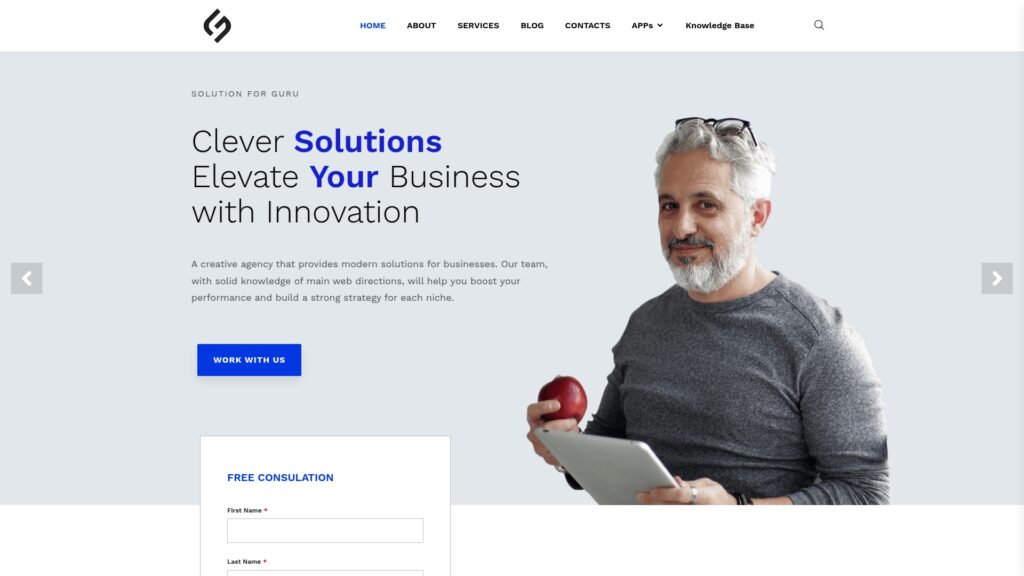
Organizations partnering with Solution for Guru benefit from objective platform selection guidance based on specific business requirements rather than vendor preferences. Whether your organization needs enterprise-scale capabilities, process automation focus, sales pipeline optimization, or simplified small-business functionality, Solution for Guru helps identify the optimal platform and implementation approach. Their implementation methodology emphasizes user adoption and change management alongside technical configuration, recognizing that platform features deliver value only when users embrace them effectively.
By partnering with Solution for Guru, organizations gain access to the multi-professional expertise required for CRM success without the challenges of recruiting, training, and retaining specialists across all necessary disciplines. Their proven methodologies, platform-specific knowledge, and commitment to client success position them as valuable partners throughout the CRM journey from strategy through ongoing optimization.
Recommended:
- How Should You Structure Your CRM Team for Maximum Success?
- Using Salesforce to Build a 360° Customer View
- What Should Investors Know About Salesforce Stock?
- What KPIs Should Every Business Track in Their CRM System?
- What is CRM Database?
- How Can CRM Analytics Transform Your Salesforce Experience?
- CRM Management
- Getting Started With Pipedrive
- What is Pipedrive CRM?
- Choosing the best low-cost CRM
- Top Microsoft Dynamics Alternatives and Competitors
- CRM Cost Comparison of Top Platforms