Commercial Auto Insurance for Delivery Businesses: Why biBERK Is a Strong Option
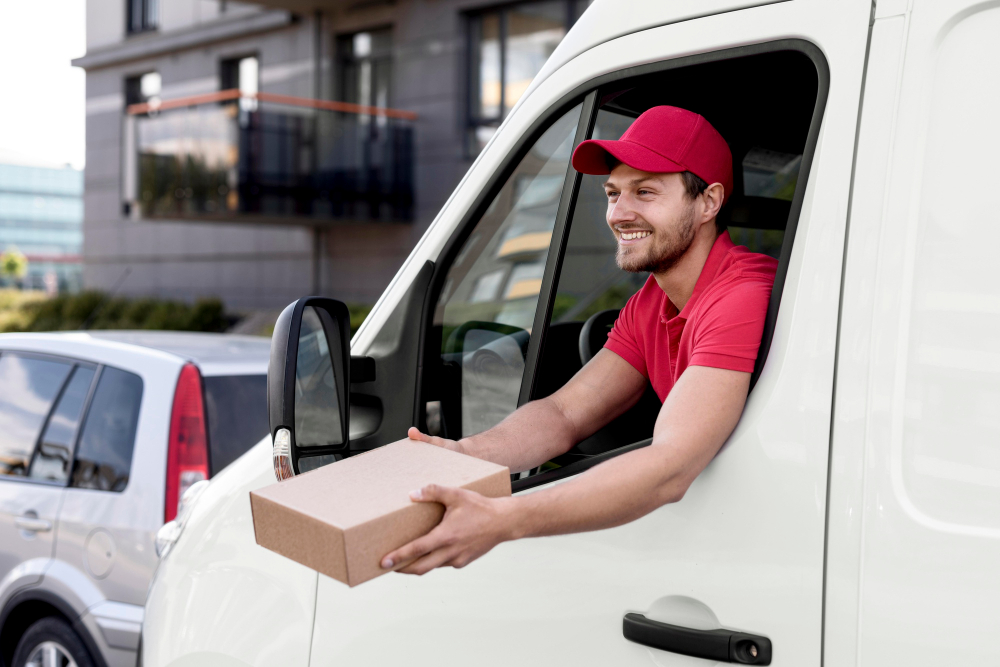
Running a delivery business means keeping vehicles on the road every single day — and that constant movement creates real financial exposure. Whether you operate a single van or a growing fleet of trucks, commercial auto insurance is not optional. It is the financial foundation that protects your business when accidents, injuries, or property damage occur. Consequently, choosing the right insurer matters just as much as choosing the right vehicles.
Table of Contents
- Quick Summary
- What Are Delivery Businesses, and What Are the Features of Commercial Auto Insurance?
- What Is biBERK, and Why Does It Matter for Delivery Fleets?
- What Coverage Options Does biBERK Offer Delivery Businesses?
- How Does biBERK’s Pricing Compare to Traditional Insurers?
- What Are the Key Benefits of Choosing biBERK for Your Delivery Business?
- What Are the Limitations of biBERK, and Who Should Look Elsewhere?
- How Does biBERK Handle Claims for Delivery Vehicles?
- What Additional Insurance Does a Delivery Business Typically Need?
- Summing up
- Frequently Asked Questions
- How Can Solution for Guru Help Your Delivery Business Get the Most Out of biBERK?
Quick Summary
| Topic | Key Point |
|---|---|
| Insurer | biBERK, a Berkshire Hathaway company — direct-to-business insurer with no agent commissions |
| Best For | Small to mid-size delivery fleets, gig couriers, e-commerce fulfillment operators |
| Core Coverage | Liability, collision, comprehensive, uninsured motorist, medical payments |
| Savings Potential | Up to 20% less than policies purchased through traditional agents |
| Claims Process | 24/7 online claims reporting, dedicated claims specialists |
| Backed By | Berkshire Hathaway — one of the highest-rated insurers in the world (A++ AM Best) |
| Partner Support | Solution for Guru provides independent guidance on policy selection and ongoing optimization |
What Are Delivery Businesses, and What Are the Features of Commercial Auto Insurance?

How Do We Define a Delivery Business?
A delivery business is any enterprise that transports goods, packages, food, or materials to customers or distribution points using motor vehicles. The category is broad and covers sole proprietors driving a single van to large companies managing dozens of trucks simultaneously. Today, delivery businesses take many different shapes, including:
- Last-mile courier services delivering parcels for e-commerce retailers
- Restaurant and food-delivery operators using cars, motorcycles, or bicycles
- Medical supply and pharmaceutical distributors
- Building materials and equipment haulers
- Third-party logistics (3PL) companies managing regional distribution
- Gig-economy drivers working on platforms such as DoorDash, Amazon Flex, or Instacart
Each of these categories carries unique risk profiles. A food-delivery motorcyclist navigating dense urban traffic faces very different hazards than a refrigerated van operator making interstate pharmaceutical runs. As a result, commercial auto insurance must adapt to these differences through flexible coverage structures.
What Makes Commercial Auto Insurance Different from Personal Auto Insurance?
Personal auto insurance covers vehicles driven for personal errands and commuting. Commercial auto insurance, by contrast, covers vehicles used primarily for business purposes — including delivery operations. The distinction matters legally: most personal policies explicitly exclude coverage when the insured vehicle is being used to transport goods or passengers for payment. If a delivery driver relies on a personal policy and files a claim after a work-related accident, the insurer will typically deny the claim entirely.
Commercial auto insurance, therefore, addresses this gap by providing coverage that applies during business hours, commercial routes, and cargo-carrying operations. Additionally, it often covers multiple drivers operating the same vehicle — an essential feature for delivery fleets where drivers rotate across shifts.
What Are the Core Features of a Commercial Auto Insurance Policy?
| Coverage Type | What It Covers |
|---|---|
| Liability | Bodily injury and property damage you cause to others |
| Collision | Damage to your vehicle after a crash, regardless of fault |
| Comprehensive | Non-collision losses: theft, fire, weather, vandalism |
| Uninsured Motorist | Covers your losses when the at-fault driver has no insurance |
| Medical Payments | Medical costs for driver and passengers after an accident |
| Hired & Non-Owned | Covers rented or employee-owned vehicles used for business |
What Is biBERK, and Why Does It Matter for Delivery Fleets?
biBERK’s Background
biBERK is a direct-to-business commercial insurance company and a proud member of Warren Buffett’s Berkshire Hathaway insurance group — one of the most financially secure insurance organizations in the world, rated A++ by AM Best. Rather than routing policies through brokers and agents who add commission layers, biBERK sells directly to business owners online. This direct model lowers costs, accelerates the buying process, and gives business owners real-time control over their coverage decisions.
Founded to bring enterprise-level insurance strength to small and mid-size businesses, biBERK serves more than one million businesses across the United States. Its product lineup covers commercial auto, general liability, workers’ compensation, professional liability, umbrella coverage, and more — making it a genuine one-stop shop for businesses that want to consolidate their insurance relationships.
Why Is biBERK Particularly Relevant to Delivery Businesses?
Delivery businesses present elevated insurance risk. Vehicles spend long hours on the road, often driven by multiple operators across different shifts. Traffic density, time pressure, cargo value, and weather exposure all amplify the probability of claims compared with standard commercial vehicles used for occasional business trips.
Consequently, many traditional insurers either charge premium prices for delivery-specific coverage or exclude certain delivery activities altogether. biBERK, backed by Berkshire Hathaway’s enormous reinsurance capacity, can absorb these risks without the conservative pricing that smaller insurers apply. Furthermore, its digital platform enables delivery operators to obtain quotes, adjust coverage, and manage claims without scheduling appointments or waiting for broker callbacks.
What Types of Delivery Vehicles Does biBERK Cover?
- Cargo vans and panel vans
- Box trucks and medium-duty trucks
- Pickup trucks used for hauling
- Sedans and hatchbacks (food delivery, courier services)
- Leased or rented vehicles used in business operations
- Employee-owned vehicles used for company deliveries (via hired and non-owned coverage)
Notably, biBERK does not cover large commercial fleets exceeding certain vehicle thresholds or vehicles requiring specialty endorsements such as hazardous materials transportation. Businesses operating in those categories should seek specialized fleet insurers instead.
What Coverage Options Does biBERK Offer Delivery Businesses?
What Is Included in biBERK’s Commercial Auto Policy?
biBERK structures its commercial auto coverage around a core liability foundation, with optional add-ons that allow delivery businesses to tailor protection to their specific operational risks. The base policy includes bodily injury liability, property damage liability, and uninsured/underinsured motorist coverage — the legally required minimums in most U.S. states.
Beyond the base, business owners can add collision coverage, comprehensive coverage, and medical payments coverage. Together, these layers create a robust protection structure that addresses the full range of incidents a delivery vehicle might encounter — from minor fender-benders in parking lots to total losses caused by collisions at speed.
Does biBERK Offer Hired and Non-Owned Auto Coverage?
Yes — and for delivery businesses, this add-on is often essential. Hired and non-owned auto (HNOA) coverage protects the business when drivers use vehicles the company does not own. This includes rented vehicles during peak seasons and employee-owned cars or motorcycles used to complete deliveries. Without HNOA, any incident involving a non-company vehicle during a delivery shift could leave the business fully exposed to liability.
For example, if a part-time food-delivery driver uses their personal car and gets into an accident while fulfilling an order for your business, their personal policy will likely deny the claim as a commercial-use exclusion. HNOA coverage bridges this gap and ensures your business carries appropriate protection regardless of which vehicle a driver operates.
How Does biBERK Handle Multi-Driver Policies?
Delivery operations routinely involve multiple drivers sharing the same vehicles across different shifts. biBERK‘s commercial auto policies accommodate this by covering listed drivers under a single policy rather than requiring separate policies for each operator. Business owners add drivers during the application process, and the policy extends coverage to all of them operating covered vehicles during business hours.
It is important to list all drivers accurately, since failing to disclose a driver can result in claim denial. biBERK’s online platform makes it straightforward to add or remove drivers as your team changes — a practical advantage for businesses with high seasonal turnover or frequent hiring.
How Does biBERK’s Pricing Compare to Traditional Insurers?

What Factors Drive the Cost of Commercial Auto Insurance?
Several variables influence how insurers price commercial auto policies for delivery businesses. Understanding these factors helps operators anticipate costs and identify opportunities to reduce premiums over time.
| Pricing Factor | How It Affects Your Premium |
|---|---|
| Driving history | Drivers with accidents or violations increase premiums significantly |
| Vehicle type & age | Newer, higher-value vehicles cost more to insure; older vehicles may lack coverage options |
| Annual mileage | Higher mileage exposure correlates directly with increased claim probability |
| Coverage limits | Higher liability limits mean higher premiums but better protection |
| Deductible level | Higher deductibles reduce premiums; lower deductibles increase them |
| Geographic territory | Urban delivery routes carry higher risk than rural operations |
| Number of drivers | More drivers expand exposure; driver records affect aggregate pricing |
How Much Can a Delivery Business Save by Choosing biBERK?
biBERK publicly states that businesses typically save up to 20% on premiums compared to policies purchased through traditional agent channels. This saving comes directly from the elimination of agent commissions — costs that traditional insurers embed in policy pricing. Because biBERK sells directly to the buyer, that commission margin either disappears or converts into additional coverage value.
For a small delivery business paying $4,000 annually for commercial auto insurance, a 20% reduction translates to $800 in annual savings — money that can fund additional coverage, fleet maintenance, or business growth. Over a five-year period, the cumulative saving reaches $4,000 — effectively one full year of premiums recovered simply by choosing a direct insurer.
Does biBERK Offer a Quick Online Quoting Process?
Yes — and speed is one of biBERK‘s most practical advantages. Business owners can receive a commercial auto insurance quote in minutes by completing an online questionnaire covering vehicle details, driver information, coverage preferences, and business type. The system generates a binding quote immediately, and coverage can activate the same day.
This contrasts sharply with traditional insurance workflows, where an agent collects information, submits it to underwriters, and returns with a quote days or sometimes weeks later. For delivery businesses that need coverage quickly — because they just acquired a new vehicle, added a driver, or responded to a client opportunity — biBERK’s real-time quoting is a tangible operational advantage.
What Are the Key Benefits of Choosing biBERK for Your Delivery Business?
Why Does biBERK’s Berkshire Hathaway Backing Matter?
Insurance is ultimately a promise to pay. When a claim occurs — especially a large one — the insurer’s financial strength determines whether that promise holds. Berkshire Hathaway’s A++ AM Best rating places it at the very top of the global insurance stability spectrum. For delivery businesses experiencing a major accident, a multi-vehicle claim, or a liability judgment, this financial backing provides the assurance that biBERK can fulfill its obligations regardless of claim size.
Furthermore, Berkshire Hathaway’s scale allows biBERK to accept risk categories that smaller insurers decline. Delivery businesses operating in congested urban environments, for instance, often struggle to find affordable coverage from regional carriers nervous about their loss ratios. biBERK‘s underwriting capacity accommodates these risks within competitive pricing.
How Does biBERK Simplify Policy Management for Busy Operators?
Delivery business operators rarely have time for lengthy insurance administration. biBERK addresses this directly through its online platform, which allows owners to:
- Obtain and bind coverage entirely online without phone calls
- Add, modify, or remove vehicles and drivers instantly
- Download certificates of insurance immediately for client or contract requirements
- Access policy documents 24 hours a day from any device
- File and track claims through an online portal at any hour
This self-service model respects the pace at which delivery businesses operate. Rather than waiting for business hours to contact an agent, owners handle insurance administration in the gaps between dispatching runs — a practical efficiency that compounds significantly over the life of a policy.
What Safety and Risk Management Support Does biBERK Provide?
Beyond coverage, biBERK provides access to risk management resources that help delivery businesses reduce the frequency and severity of claims. These resources include driver safety guidelines, vehicle maintenance recommendations, and guidance on maintaining accurate records for compliance purposes.
Reducing claims matters beyond the immediate cost of each incident. Insurers review claims histories during renewal, and a business with multiple at-fault accidents will face meaningful premium increases. Consequently, using biBERK‘s risk management resources is not just a safety exercise — it is a direct investment in keeping renewal premiums manageable.
What Are the Limitations of biBERK, and Who Should Look Elsewhere?
What Coverage Gaps Should Delivery Businesses Be Aware Of?
While biBERK covers a broad range of delivery vehicle types and operations, certain business profiles fall outside its standard commercial auto product. Specifically, biBERK does not typically cover:
- Vehicles transporting hazardous materials requiring PHMSA placarding
- Large trucking fleets requiring specialized motor carrier coverage under FMCSA authority
- Vehicles operating under for-hire transportation authority (freight brokerage)
- Ride-share drivers seeking personal policy gap coverage during platform-active hours
If your delivery business falls into one of these categories, a specialized commercial truck insurer or motor carrier insurance provider will better meet your needs. However, the vast majority of local and regional delivery operations — including e-commerce fulfillment, restaurant delivery, courier services, and light freight hauling — fall comfortably within biBERK’s coverage appetite.
Does biBERK Work for Large Enterprise Fleets?
biBERK focuses its commercial auto product on small to mid-size businesses. Enterprises managing very large fleets — typically exceeding 20 to 25 vehicles — may find that biBERK’s underwriting guidelines do not accommodate their scale. Large fleet operators often require customized risk management programs, dedicated loss control consultants, and premium financing arrangements that fall outside biBERK’s self-service model.
Nevertheless, for the majority of independent delivery operators, startups, and growing small businesses, biBERK’s coverage scope and pricing structure represent an excellent fit.
How Does biBERK Handle Claims for Delivery Vehicles?
What Is the Claims Process at biBERK?
Filing a claim with biBERK starts online or by phone, and the process moves quickly compared to many traditional insurers. After an incident, a delivery operator logs into the biBERK portal, enters the claim details — including accident description, driver information, vehicle details, and any available photos — and the system assigns a dedicated claims specialist within one business day.
That specialist handles the claim from first notice through resolution, which means the business owner avoids the frustrating experience of re-explaining details to multiple representatives. Delivery businesses that experience accidents during off-hours can submit claim information immediately through the online portal, even at 2 AM, so the process begins without delay.
How Quickly Does biBERK Resolve Claims?
Claims resolution time varies with the complexity of the incident. Simple property damage claims with clear liability typically resolve within one to two weeks. More complex claims involving injury, multiple vehicles, or disputed liability take longer — as they would with any insurer. However, biBERK’s dedicated specialist model reduces administrative delays that often slow claims at larger, bureaucratically structured carriers.
Importantly, Berkshire Hathaway’s financial strength means biBERK never delays payment because of cash flow constraints — a real concern with smaller regional insurers during high-claim periods such as winter storm seasons.
What Additional Insurance Does a Delivery Business Typically Need?
Is Commercial Auto Insurance Enough on Its Own?
Commercial auto insurance covers vehicle-related incidents, but delivery businesses face liability exposures that extend beyond the road. A complete small business insurance program typically combines commercial auto with several complementary policies. Understanding these additional coverages helps delivery operators build a comprehensive risk management program.
| Policy Type | What It Protects | Why Delivery Businesses Need It |
|---|---|---|
| General Liability | Third-party bodily injury and property damage not related to vehicles | Covers incidents at delivery sites, client premises, or during cargo loading |
| Workers’ Compensation | Employee injuries on the job | Required in most states; covers drivers injured in accidents |
| Cargo Insurance | Physical loss or damage to goods in transit | Protects against customer claims when deliveries arrive damaged |
| Umbrella Policy | Coverage above primary policy limits | Essential when a single accident generates liability beyond auto policy limits |
| Cyber Liability | Data breaches and digital incidents | Protects businesses using routing, dispatch, and payment apps |
biBERK offers general liability, workers’ compensation, and umbrella policies in addition to commercial auto — enabling delivery businesses to consolidate their entire insurance program with a single provider. This consolidation simplifies administration and can unlock multi-policy discounts.
Summing up
Commercial auto insurance is non-negotiable for delivery businesses operating in the United States. The financial exposure from a single serious accident — involving medical costs, vehicle replacement, third-party property damage, and potential litigation — can exceed the annual revenue of a small operator. Consequently, selecting the right insurer and configuring coverage correctly matters enormously.
biBERK earns its position as a strong option for delivery businesses through a combination of financial strength, competitive direct pricing, and genuine operational convenience. Backed by Berkshire Hathaway’s A++ rated balance sheet, biBERK delivers the payment reliability that smaller carriers cannot always match. Its direct-to-business model removes commission layers and translates those savings directly to business owners — up to 20% compared to traditional agent-purchased policies. And its online platform allows delivery operators to manage coverage, add drivers, and file claims on their own schedule, without the friction of agent-dependent workflows.
At the same time, no insurance product — however well-designed — delivers its full value without proper configuration. This is precisely where Solution for Guru adds irreplaceable value. By conducting thorough coverage audits, identifying gaps, and building comprehensive protection programs around biBERK’s core commercial auto product, Solution for Guru transforms a strong policy into a genuinely complete risk management program. The combination of biBERK’s financial strength and Solution for Guru’s advisory expertise gives delivery businesses something they rarely achieve on their own: insurance coverage that actually reflects the risks they face, at a price that reflects what competitive direct-market options make possible.
Whether you operate a single delivery van or a regional fleet, the path to better coverage starts with two decisions: choosing biBERK as your commercial auto insurer, and choosing Solution for Guru as your guide through the process. Together, they give your delivery business the foundation it needs to stay protected, stay compliant, and stay focused on growth.
Frequently Asked Questions
biBERK’s commercial auto policy covers delivery drivers working for their own business or as employees of a registered company. However, gig-economy platform drivers — who technically operate as independent contractors for apps like DoorDash or Amazon Flex — present a more complex coverage situation. Most platforms provide some liability coverage while the driver actively carries an order, but significant gaps exist during the waiting period between accepting and completing orders. biBERK‘s hired and non-owned auto coverage addresses some of these gaps for businesses that contract gig drivers, but individual platform contractors should consult Solution for Guru to identify the right coverage structure for their specific arrangement.
biBERK’s online quoting and binding process operates in real time. Most delivery businesses can obtain a quote, review coverage options, and activate a policy within a single session — often in less than 30 minutes. Coverage can begin the same day the policy binds, which makes biBERK an excellent option for businesses that need to add a vehicle or driver immediately in response to a client opportunity or operational change.
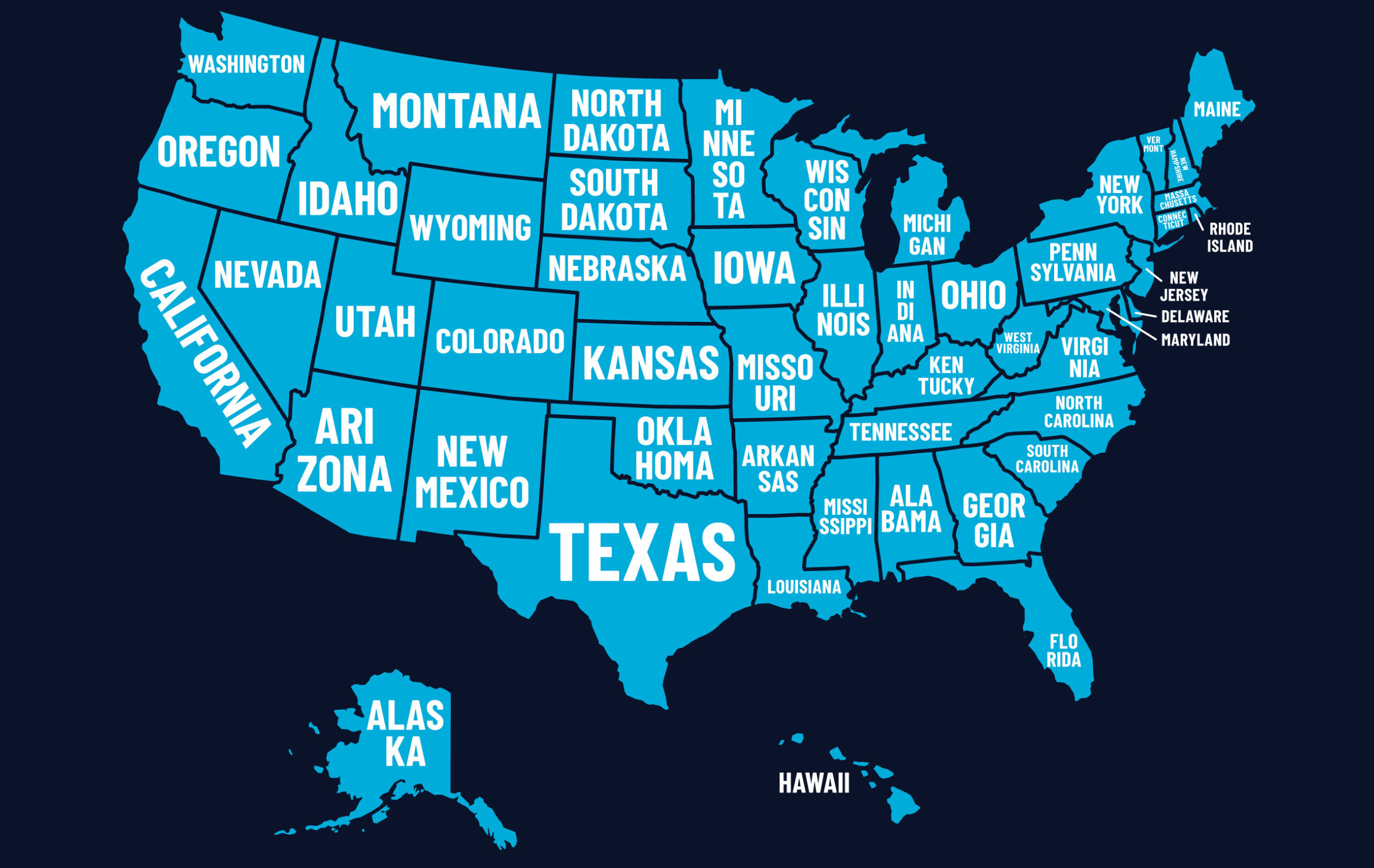
biBERK‘s commercial auto policy covers vehicles and drivers throughout the United States — not just in the state where the business is registered. If a driver crosses state lines and encounters an accident, the policy responds according to the coverage terms, subject to the liability limits selected. Importantly, some states impose higher minimum liability requirements than others, and biBERK automatically adjusts coverage to meet the minimums of the state where the accident occurs if your selected limits fall below that state’s requirements. For businesses operating multi-state routes regularly, Solution for Guru recommends reviewing liability limits to ensure they satisfy the most stringent state requirements in your delivery territory.
How Can Solution for Guru Help Your Delivery Business Get the Most Out of biBERK?
What Does Solution for Guru Do?
Solution for Guru is an independent business advisory and technology consultancy that helps small and mid-size businesses navigate complex purchasing decisions — including commercial insurance selection, technology implementation, and operational optimization. Rather than representing a single insurer or vendor, Solution for Guru evaluates options objectively and recommends solutions that genuinely fit each client’s business model.
In the context of commercial auto insurance, Solution for Guru’s value lies in its ability to translate technical coverage language into practical business guidance. Many delivery operators purchase coverage without fully understanding what they have — and discover the gaps only after a claim is denied. Solution for Guru prevents that outcome by conducting thorough coverage audits, identifying gaps, and working alongside the business to build a complete protection program.
How Does Solution for Guru Support biBERK Policy Selection?
When a delivery business approaches Solution for Guru for insurance guidance, the team conducts a detailed operational assessment covering fleet size, vehicle types, driver profiles, delivery territories, cargo characteristics, and growth projections. This assessment generates a clear picture of the coverage requirements the business actually faces — not just the minimums required by law.
Armed with this analysis, Solution for Guru helps the business configure its biBERK policy to match those requirements precisely. This means selecting appropriate liability limits, choosing the right deductible levels, adding hired and non-owned coverage where needed, and identifying complementary policies that close gaps biBERK’s auto coverage does not address.
What Ongoing Support Does Solution for Guru Provide?
Insurance needs evolve as businesses grow. A delivery startup with two vans today may operate fifteen vehicles in three years. Each stage of growth introduces new coverage requirements, new drivers, new vehicle types, and potentially new geographic territories with different state insurance minimums. Solution for Guru provides ongoing advisory support that keeps a client’s coverage aligned with their actual operational footprint — rather than leaving them to manage renewals independently and risk falling into coverage gaps.
Additionally, Solution for Guru monitors regulatory changes — including state-level insurance minimums and commercial vehicle tracking requirements — and proactively alerts clients when their current policies may need adjustment. This continuous monitoring transforms a one-time insurance purchase into a managed risk program that evolves alongside the business.
- Coverage gap analysis and audit
- biBERK policy configuration and optimization
- Multi-policy consolidation strategy
- Driver risk profiling and safety program guidance
- Regulatory monitoring and compliance alerts
- Renewal review and benchmark pricing analysis
Recommended
- Full Coverage vs. Liability: Which Auto Insurance Is Right for You?
- What’s Covered and What’s Not: Breaking Down Auto Insurance Coverage Types
- What Are the Best Auto Insurance Options for Rideshare Drivers (Uber, Lyft, etc.)?
- How to Get Affordable Auto Insurance After an Accident or Ticket
- Auto and Renters Insurance Bundle
- Preferred Auto Insurance Companies
- How to Get Auto Insurance Online
- Auto Insurance for Farms
- Auto International Insurance
- Comparing Commercial Auto Insurance
- The Top Commercial Auto Insurance Options