How AI and Automation Are Shaping the Future of Remote Access
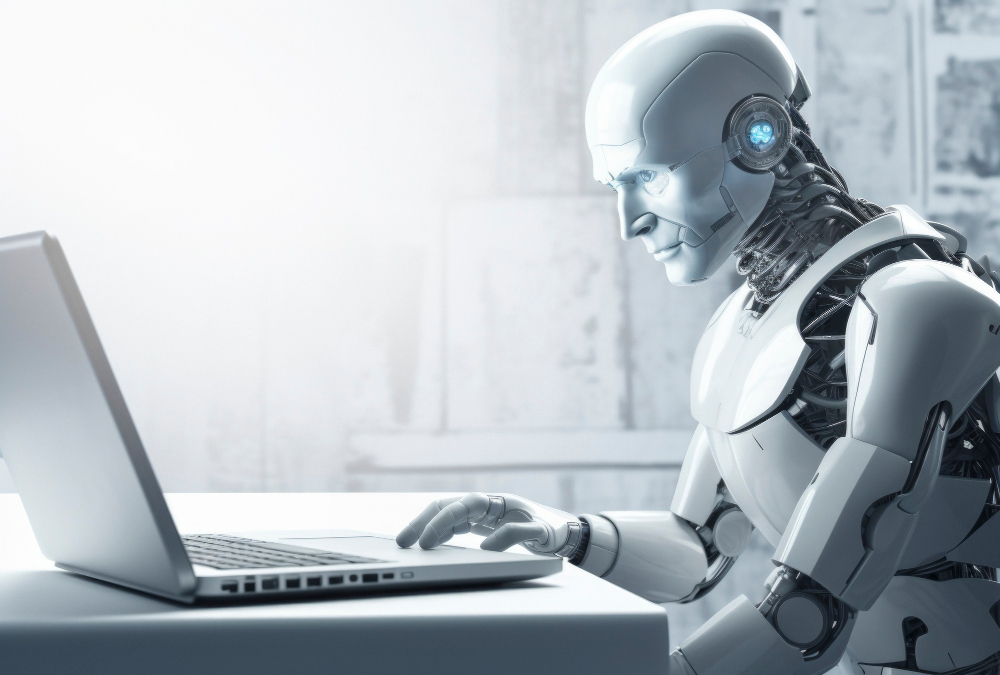
The digital transformation of the modern workplace has accelerated dramatically in recent years, consequently making remote access technologies more critical than ever before. Furthermore, the integration of artificial intelligence and automation into remote access solutions is revolutionizing how organizations manage their IT infrastructure, support end-users, and maintain security protocols. This comprehensive guide explores the profound impact of AI and automation on remote access technologies, examining how these innovations are reshaping business operations and creating new possibilities for workforce productivity.
Table of Contents
- Quick Summary
- What Is Remote Access and What Role Does Artificial Intelligence Play in It?
- How Does ManageEngine Leverage AI for Remote Access?
- How Does ZOHO Integrate AI into Remote Support Solutions?
- How Does Zendesk Utilize AI to Transform Remote Customer Support?
- How Do These Platforms Compare in AI-Powered Remote Access?
- What Are the Key Benefits of AI in Remote Access?
- How Does Automation Enhance Remote Access Capabilities?
- How Do AI and Automation Improve Remote Access Security?
- What Future Trends Will Shape AI-Powered Remote Access?
- How Can Organizations Successfully Implement AI-Driven Remote Access?
- Summing up
- Frequently Asked Questions
- Benefits of Cooperation with Solution for Guru Company
Quick Summary
Artificial intelligence and automation are fundamentally transforming remote access technologies, enabling organizations to deliver faster, more secure, and more efficient IT support and services. Leading platforms like ManageEngine, ZOHO, and Zendesk are incorporating advanced AI capabilities such as predictive analytics, intelligent automation, natural language processing, and machine learning to streamline remote support workflows. These innovations reduce response times, enhance security through behavioral analysis and anomaly detection, and improve user experiences through personalized support. Moreover, the future of remote access will be shaped by emerging technologies including edge computing, quantum-resistant encryption, and augmented reality interfaces, creating unprecedented opportunities for organizations to optimize their remote workforce capabilities.
What Is Remote Access and What Role Does Artificial Intelligence Play in It?
Remote access refers to the technology that enables users to connect to computers, networks, or systems from distant locations, essentially allowing IT professionals and end-users to access resources as if they were physically present at the location. Initially, remote access solutions were simple terminal connections with limited functionality. However, as technology has evolved, these systems have become sophisticated platforms that support complex operations, file transfers, system administration, and comprehensive technical support.
Traditionally, remote access has been used for several critical business functions. IT departments utilize remote access to troubleshoot employee devices, deploy software updates, configure systems, and resolve technical issues without requiring physical presence. Additionally, remote workers depend on these technologies to access corporate networks, applications, and data from home offices or other remote locations. Customer support teams also leverage remote access to directly assist clients by taking control of their systems to diagnose and fix problems efficiently.
How Has AI Transformed Traditional Remote Access?
Artificial intelligence has fundamentally revolutionized remote access by introducing intelligent capabilities that were previously impossible with conventional technologies. Machine learning algorithms can now analyze patterns in system behavior, predict potential issues before they occur, and automatically implement preventive measures. Furthermore, AI-powered chatbots and virtual assistants can handle routine support requests without human intervention, thereby freeing up IT professionals to focus on more complex challenges.
Natural language processing enables remote access platforms to understand user queries in conversational language, making technical support more accessible to non-technical users. Meanwhile, computer vision technologies allow AI systems to analyze screenshots and visual data from remote sessions, identifying problems and suggesting solutions based on visual cues. These AI capabilities create a more intuitive and efficient remote access experience for both support providers and end-users.
What Specific AI Technologies Power Modern Remote Access?
Several key AI technologies are driving innovation in remote access platforms. Predictive analytics uses historical data and machine learning models to forecast system failures, performance bottlenecks, and security threats before they impact operations. Intelligent automation combines AI decision-making with robotic process automation to execute complex workflows without human intervention, such as automatically diagnosing issues, applying patches, or reconfiguring systems based on detected anomalies.
Additionally, behavioral analytics employs AI to establish baseline patterns of normal user and system behavior, then identifies deviations that might indicate security breaches, unauthorized access attempts, or system malfunctions. Contextual awareness enables AI systems to understand the broader context of support requests, including user roles, system configurations, and business priorities, allowing for more personalized and effective assistance. Consequently, these technologies work together to create intelligent remote access solutions that continuously learn and improve over time.
How Does ManageEngine Leverage AI for Remote Access?

ManageEngine has emerged as a leading provider of comprehensive IT management solutions, with their remote access capabilities enhanced significantly through artificial intelligence integration. Their flagship product, Remote Access Plus, combines traditional remote support functionalities with advanced AI-driven features designed to streamline IT operations and improve end-user support experiences. The platform serves organizations of all sizes, from small businesses to large enterprises with complex IT infrastructures.
The company’s approach to AI integration focuses on practical applications that deliver measurable improvements in efficiency and effectiveness. Rather than implementing AI for novelty, ManageEngine has strategically incorporated machine learning and automation where they provide the greatest value to IT teams and end-users alike. This pragmatic strategy has resulted in features that address real-world challenges faced by IT departments managing distributed workforces and complex technology environments.
What AI-Powered Features Does ManageEngine Offer?
ManageEngine’s remote access solution incorporates intelligent automation for routine tasks such as software deployment, patch management, and system configuration. The AI engine can analyze support tickets and historical data to automatically categorize issues, assign them to appropriate technicians based on expertise, and even suggest solutions based on previous successful resolutions. Moreover, the platform’s predictive capabilities can identify systems that are likely to experience problems based on performance metrics, enabling proactive maintenance before issues affect productivity.
The solution also features smart monitoring that uses AI algorithms to establish performance baselines for individual devices and detect anomalies that might indicate hardware failures, security threats, or configuration problems. Additionally, ManageEngine’s AI-powered reporting provides intelligent insights into IT operations, identifying trends, bottlenecks, and opportunities for optimization. The platform continuously learns from technician actions and outcomes, refining its recommendations and automation rules to become more effective over time, thereby creating a self-improving support system.
How Does ZOHO Integrate AI into Remote Support Solutions?

ZOHO has built a comprehensive ecosystem of business applications, with their remote access and support tools deeply integrated with artificial intelligence capabilities through their proprietary AI assistant, Zia. ZOHO’s approach emphasizes seamless integration across their entire product suite, allowing AI insights and automation to flow between different business functions. This interconnected architecture enables organizations to leverage remote access data across sales, marketing, customer service, and IT operations.
The company’s remote support solution, Zoho Assist, combines ease of use with sophisticated AI features designed to enhance both technician productivity and customer experience. By embedding Zia throughout the platform, ZOHO has created an intelligent assistant that supports users at every stage of the remote support process, from initial request through resolution and follow-up. This holistic approach to AI integration distinguishes ZOHO from competitors who treat AI as a separate add-on feature.
What Makes ZOHO’s AI Assistant Zia Unique?
Zia, ZOHO’s AI assistant, brings conversational intelligence to remote support operations. Users can interact with Zia using natural language to initiate support sessions, search knowledge bases, or get status updates on their requests. The AI analyzes support conversations in real-time, providing technicians with relevant suggestions, documentation links, and troubleshooting steps based on the context of the discussion. Additionally, Zia can detect sentiment in user communications, alerting supervisors when customers become frustrated or when issues require escalation.
The AI assistant also excels at predictive analytics, examining patterns across thousands of support interactions to identify trends and predict future support volume. This forecasting capability helps organizations optimize staffing levels and prepare for peak demand periods. Furthermore, Zia continuously monitors system health across connected devices, proactively alerting IT teams to potential issues and even automatically initiating remote sessions to address problems before users experience disruptions. The integration with ZOHO’s broader ecosystem means that Zia can access customer history, purchase data, and interaction records to provide highly contextualized support.
How Does ZOHO Automate Remote Support Workflows?
ZOHO’s platform features extensive workflow automation powered by AI decision-making capabilities. Support requests can be automatically classified, prioritized, and routed based on content analysis that understands the nature and urgency of issues. The system can trigger automated responses for common questions, schedule remote sessions based on technician availability, and even perform preliminary diagnostics before human technicians get involved. These automated workflows reduce manual overhead and ensure consistent processes across the support organization.
Additionally, ZOHO’s automation extends to post-resolution activities, such as sending satisfaction surveys, updating documentation, and analyzing support trends. The AI identifies repetitive issues that might indicate systemic problems requiring permanent solutions rather than repeated fixes. It also suggests automation opportunities by recognizing patterns in technician actions that could be standardized and automated. Consequently, organizations using ZOHO can continuously refine their support processes, reducing the time spent on routine tasks while improving the quality and consistency of support delivery.
How Does Zendesk Utilize AI to Transform Remote Customer Support?
Zendesk has established itself as a leader in customer service software, with their remote support capabilities enhanced by sophisticated AI technologies that focus specifically on improving customer experiences. While Zendesk’s primary focus is customer-facing support rather than internal IT operations, their AI innovations have broad applications for any organization providing remote assistance. The company has invested heavily in developing AI that understands customer needs and empowers support agents to deliver exceptional service.
Zendesk’s AI strategy centers on their Answer Bot and AI-powered analytics, which work together to automate routine interactions while providing human agents with actionable insights. The platform emphasizes the balance between automation and human touch, using AI to handle straightforward issues while seamlessly escalating complex situations to skilled agents. This approach recognizes that while AI can dramatically improve efficiency, human expertise and empathy remain crucial for building strong customer relationships.
What AI Capabilities Does Zendesk’s Answer Bot Provide?
Zendesk’s Answer Bot uses advanced natural language understanding to interpret customer questions and provide accurate answers from the knowledge base without human intervention. The AI can handle multiple languages, understand context and intent, and engage in multi-turn conversations to clarify customer needs. When the bot encounters questions it cannot confidently answer, it gracefully transfers the conversation to human agents, providing them with the full context of the interaction to ensure seamless continuity.
The Answer Bot continuously learns from agent responses and customer feedback, improving its accuracy and expanding its capabilities over time. It identifies gaps in the knowledge base by tracking questions it cannot answer, prompting content creation for commonly asked but undocumented topics. Moreover, the AI analyzes successful resolutions to automatically generate new knowledge articles, ensuring that the knowledge base grows organically based on actual customer needs. This self-improving system reduces the burden on human agents while empowering customers to find answers independently whenever possible.
How Do These Platforms Compare in AI-Powered Remote Access?
| Feature |  |  |  |
|---|---|---|---|
| Primary Focus | IT infrastructure and internal support | Integrated business operations | Customer service and support |
| AI Assistant | Intelligent automation engine | Zia conversational AI | Answer Bot |
| Automation Capabilities | Extensive IT automation and patch management | Cross-platform workflow automation | Customer interaction automation |
| Predictive Analytics | System failure prediction and proactive maintenance | Support volume forecasting and trend analysis | Customer churn prediction and sentiment analysis |
| Natural Language Processing | Ticket categorization and analysis | Conversational interface across suite | Advanced multi-language understanding |
| Knowledge Management | Automated documentation creation | Integrated knowledge across platforms | Self-improving knowledge base |
| Integration Ecosystem | IT management tools focus | Comprehensive business suite | Extensive third-party integrations |
| Best For | Organizations with complex IT infrastructure | Businesses using multiple ZOHO products | Customer-centric organizations prioritizing service quality |
| Learning Capabilities | System performance and issue pattern recognition | Cross-functional business intelligence | Customer behavior and preference learning |
| Pricing Model | Feature-based tiers with perpetual licensing options | Subscription-based with bundle discounts | Agent-based pricing with volume discounts |
Brief summaries
When comparing these three leading platforms, it becomes evident that each has carved out a distinct position in the remote access market, driven by their unique AI capabilities and target audiences. ManageEngine excels in providing comprehensive IT infrastructure management with AI-powered automation that addresses the complex needs of enterprise IT departments. Their strength lies in deep technical capabilities, extensive device management features, and robust security controls that appeal to organizations with sophisticated IT environments.
ZOHO, on the other hand, offers unparalleled integration across business functions, making it ideal for organizations seeking a unified platform that connects remote support with CRM, project management, and other business processes. The Zia AI assistant provides consistent intelligence across all ZOHO applications, creating efficiency gains that extend beyond just remote access. Organizations already invested in the ZOHO ecosystem will find exceptional value in this integrated approach.
Zendesk distinguishes itself through superior customer experience capabilities, with AI specifically designed to understand and respond to customer needs effectively. Their platform excels in multichannel support, advanced analytics, and customer-centric workflows that help organizations build stronger relationships with their users. Companies that prioritize customer satisfaction and brand loyalty will find Zendesk’s AI capabilities particularly valuable, especially when supporting external customers rather than internal employees.
What Are the Key Benefits of AI in Remote Access?
How Does AI Reduce Resolution Times?
One of the most significant benefits of AI integration in remote access platforms is the dramatic reduction in issue resolution times. Intelligent automation can instantly diagnose and fix common problems without waiting for human intervention, resolving issues in seconds rather than hours or days. For example, AI systems can automatically detect when a service has stopped responding, restart it, verify functionality, and document the action without ever creating a support ticket. This proactive approach prevents minor technical glitches from escalating into productivity-disrupting problems.
Furthermore, when human technicians do need to get involved, AI provides them with comprehensive diagnostic information, suggested solutions based on similar past cases, and relevant documentation instantly. This eliminates the time-consuming research phase that traditionally consumed much of the troubleshooting process. Additionally, intelligent routing ensures that issues reach the most qualified technician immediately, avoiding the delays associated with ticket reassignment. The cumulative effect of these AI-driven improvements typically results in 40-60% reductions in average resolution times across organizations that fully embrace these technologies.
How Does AI Enhance Security in Remote Access?
Security represents another critical area where AI delivers substantial benefits for remote access operations. Machine learning algorithms can establish detailed behavioral baselines for every user and device, then identify anomalies that might indicate compromised credentials, unauthorized access attempts, or insider threats. Unlike traditional rule-based security systems that only catch known attack patterns, AI can detect novel threats by recognizing behaviors that deviate from established norms, even if the specific attack method has never been seen before.
AI-powered security also enables real-time threat response that adapts to evolving situations. When suspicious activity is detected, automated systems can immediately restrict access, require additional authentication, or alert security teams while preserving forensic data for investigation. Moreover, AI can analyze access patterns across the entire organization to identify systemic vulnerabilities, such as overly permissive access controls or outdated security configurations. Consequently, organizations leveraging AI for remote access security experience significantly fewer successful breaches and faster detection of security incidents when they do occur, minimizing potential damage.
How Does AI Improve User Experience?
From the end-user perspective, AI-enhanced remote access platforms deliver more intuitive and responsive support experiences. Natural language interfaces allow users to describe problems in their own words rather than navigating complex support forms or categorization systems. The AI understands intent and context, extracting the relevant information and routing requests appropriately. Additionally, personalized support experiences adapt to individual user preferences, skill levels, and historical interactions, providing customized guidance that meets users where they are.
Predictive capabilities further enhance user experience by resolving issues before users encounter them. When AI systems detect performance degradation or impending failures, they can automatically apply fixes or alert users to take preventive action, avoiding frustrating disruptions. Self-service capabilities powered by AI also empower users to resolve simple issues independently through intelligent chatbots and guided troubleshooting wizards. This autonomy not only improves satisfaction but also reduces the workload on support teams, creating a virtuous cycle of better service and lower costs.
How Does Automation Enhance Remote Access Capabilities?
What Routine Tasks Can Be Automated?
Automation transforms remote access from a reactive troubleshooting tool into a proactive management platform by handling numerous routine tasks without human intervention. Software deployment and patch management can be fully automated, with AI systems determining optimal installation schedules based on usage patterns, system configurations, and business priorities. The automation intelligently handles dependencies, performs pre-installation compatibility checks, and rolls back changes if problems are detected, ensuring smooth updates with minimal disruption to users.
System maintenance tasks such as disk cleanup, registry optimization, temporary file removal, and log rotation can all be automated based on intelligent schedules that consider system load and user activity. Moreover, routine diagnostics and health checks can run continuously in the background, collecting performance metrics and identifying potential issues before they impact operations. Password resets, account provisioning, software license management, and compliance reporting are additional areas where automation delivers significant value. Platforms like ManageEngine, ZOHO, and Zendesk all offer extensive automation capabilities that free IT staff from repetitive tasks, allowing them to focus on strategic initiatives and complex problem-solving.
How Does Intelligent Orchestration Work?
Beyond automating individual tasks, modern AI-powered remote access platforms enable intelligent orchestration of complex workflows that span multiple systems and processes. For instance, onboarding a new employee might involve creating accounts across various platforms, installing necessary software, configuring security settings, and providing training resources. AI orchestration can coordinate all these activities, executing them in the proper sequence, handling dependencies, and adapting to unexpected issues without human intervention.
Intelligent orchestration also optimizes resource allocation and scheduling. When multiple automated tasks need to execute, the AI prioritizes them based on business impact, system capacity, and user needs. It can defer non-critical maintenance during peak usage periods, allocate network bandwidth efficiently during large-scale software deployments, and coordinate tasks across distributed infrastructure to minimize overhead. Furthermore, the orchestration engine learns from each execution, identifying opportunities to streamline workflows, eliminate unnecessary steps, and improve reliability. This continuous improvement creates increasingly efficient operations over time, delivering compounding benefits to organizations.
What Role Does RPA Play in Remote Access?
Robotic Process Automation (RPA) has become an essential component of modern remote access platforms, enabling software robots to perform repetitive tasks that typically require human interaction with applications. In remote support contexts, RPA bots can navigate through application interfaces, extract information, input data, and execute complex sequences of actions just as a human technician would. This capability is particularly valuable for legacy systems that lack APIs or other programmatic access methods, allowing organizations to automate workflows even when working with older technologies.
When combined with AI decision-making, RPA becomes even more powerful. AI determines what actions need to be taken based on current conditions, while RPA executes those actions across various systems and applications. For example, when AI detects a security vulnerability, RPA can automatically update affected systems, verify the fixes, and document the remediation across ticketing systems and compliance databases. The combination of AI intelligence and RPA execution creates truly autonomous support capabilities that operate 24/7 without human oversight, dramatically expanding the capacity and consistency of remote access operations.
How Do AI and Automation Improve Remote Access Security?
How Does Behavioral Analytics Detect Threats?
Behavioral analytics represents one of the most powerful security innovations in modern remote access platforms. By establishing baseline patterns for how users typically interact with systems—including login times, accessed resources, command patterns, data transfer volumes, and navigation sequences—AI can create detailed behavioral fingerprints unique to each user. Any deviation from these patterns triggers alerts for investigation, potentially indicating compromised credentials, insider threats, or unauthorized access attempts.
What makes behavioral analytics particularly effective is its ability to detect threats that evade traditional security measures. Even if an attacker has legitimate credentials, their behavior will likely differ from the authorized user’s normal patterns. They might access systems at unusual times, navigate applications differently, or attempt to access data outside their typical scope. Additionally, behavioral analytics can identify subtle indicators of advanced persistent threats that might conduct reconnaissance activities over extended periods. The AI continuously refines behavioral models as users’ legitimate patterns evolve, reducing false positives while maintaining high sensitivity to genuine threats.
How Does AI Enable Zero-Trust Security Models?
Zero-trust security operates on the principle of “never trust, always verify,” requiring continuous authentication and authorization for every access request regardless of source. AI makes zero-trust models practical by automating the continuous verification process that would be overwhelming for human administrators to manage manually. Machine learning algorithms assess risk scores for each access request in real-time, considering factors such as user behavior, device security posture, network location, time of access, and requested resources.
Based on these risk assessments, AI systems can dynamically adjust access controls, requiring additional authentication factors for high-risk scenarios while streamlining access for low-risk situations. For instance, a user accessing routine files from their usual device during normal work hours might proceed without additional verification, while accessing sensitive financial data from a new device in an unusual location would trigger multi-factor authentication and possibly human approval. This intelligent, context-aware approach to security maintains strong protection without creating excessive friction for legitimate users. Platforms like ManageEngine, ZOHO, and Zendesk increasingly incorporate zero-trust principles into their remote access architectures.
How Does Automated Threat Response Minimize Damage?
Speed is critical in cybersecurity—the faster threats are contained, the less damage they can inflict. AI-powered automated threat response dramatically reduces the time between threat detection and containment, often responding in milliseconds compared to the minutes or hours required for human-driven responses. When threats are identified, automation can immediately isolate affected systems, terminate suspicious sessions, revoke potentially compromised credentials, and preserve forensic evidence for investigation, all while alerting security teams to investigate further.
Automated response systems can also execute sophisticated containment strategies that adapt to specific threat types. For example, if ransomware is detected, automation might immediately disconnect affected systems from the network to prevent spread, snapshot system states for recovery, and activate backup restoration processes. Meanwhile, if data exfiltration is detected, systems can throttle network connections, block external transfers, and activate enhanced monitoring of related systems. The AI learns from each incident, refining response protocols based on effectiveness and minimizing false positives that could disrupt legitimate operations. Consequently, organizations benefit from security operations that scale efficiently while maintaining consistent, rapid responses to emerging threats.
What Future Trends Will Shape AI-Powered Remote Access?

How Will Edge Computing Transform Remote Access?
Edge computing represents a fundamental shift in how data processing and AI capabilities are deployed, with significant implications for remote access technologies. Rather than relying solely on centralized cloud infrastructure, edge computing distributes AI processing closer to end-users and devices. This architecture reduces latency dramatically, enabling real-time AI-driven support even in environments with limited connectivity. For remote access scenarios, edge computing means that AI diagnostics, automated responses, and intelligent decision-making can occur locally on managed devices, ensuring support capabilities remain available even during network disruptions.
Furthermore, edge computing enhances privacy and compliance by allowing sensitive data to be processed locally rather than transmitted to central servers. This capability is particularly valuable for organizations in regulated industries or geographic regions with strict data sovereignty requirements. Edge AI can perform local analysis, generating insights and recommendations without exposing raw data to external systems. Additionally, edge computing will enable new remote access use cases in IoT environments, industrial automation, and mobile workforces where real-time responsiveness is critical. The combination of edge computing with remote access platforms will create more resilient, responsive, and privacy-conscious support infrastructures.
What Role Will Augmented Reality Play?
Augmented reality (AR) is poised to revolutionize remote access by providing visual, intuitive interfaces that transcend traditional screen-sharing limitations. With AR-enabled remote support, technicians can see exactly what users see through their smartphone cameras or AR glasses, overlay visual instructions directly onto physical equipment, and guide users through complex procedures with unprecedented clarity. This technology is particularly valuable for hardware troubleshooting, equipment installation, and field service scenarios where verbal instructions alone are insufficient.
AI integration enhances AR remote access through object recognition that identifies equipment automatically, retrieves relevant documentation, and overlays contextual information in the user’s field of view. For example, when a technician points their device at a network switch, AI could identify the specific model, display current status indicators, highlight problem areas, and provide step-by-step visual guidance for repairs. Moreover, AI-powered AR can analyze what the user is doing and provide real-time feedback, warning about potential mistakes before they occur. As AR devices become more affordable and widespread, these capabilities will transform remote access from a passive observation and control model to an active, collaborative problem-solving experience.
How Will Quantum Computing Impact Remote Access Security?
Quantum computing poses both challenges and opportunities for remote access security. On one hand, quantum computers could potentially break many current encryption standards, threatening the security of remote connections and stored data. Organizations must prepare for this eventuality by implementing quantum-resistant encryption algorithms even before quantum computers become widely available. AI will play a crucial role in this transition, identifying vulnerable systems, prioritizing upgrades, and ensuring consistent implementation of new security standards across complex infrastructures.
On the other hand, quantum computing will enable entirely new security capabilities. Quantum key distribution could provide theoretically unbreakable encryption for remote access sessions, ensuring absolute confidentiality even against future quantum attacks. Additionally, quantum-enhanced AI algorithms could detect sophisticated threats that are invisible to classical computing approaches, identifying subtle patterns in vast datasets that indicate security compromises. Organizations working with providers like ManageEngine, ZOHO, and Zendesk should monitor how these platforms prepare for the quantum computing era, ensuring their remote access infrastructure remains secure in the face of evolving technological capabilities.
How Can Organizations Successfully Implement AI-Driven Remote Access?
What Planning Steps Are Essential?
Successful implementation of AI-powered remote access begins with comprehensive planning that aligns technology capabilities with business objectives. Organizations should start by conducting thorough assessments of their current remote access infrastructure, identifying pain points, inefficiencies, and security vulnerabilities that AI could address. This assessment should involve stakeholders from IT, security, end-users, and business leadership to ensure all perspectives are considered. Clear success metrics must be established, whether focused on reducing resolution times, improving user satisfaction, enhancing security, or lowering support costs.
Additionally, organizations need to evaluate different platforms based on their specific requirements. Factors to consider include the size and complexity of the IT environment, existing technology investments, integration requirements, budget constraints, and long-term strategic goals. Conducting pilot programs with leading solutions from ManageEngine, ZOHO, or Zendesk allows organizations to validate capabilities and assess cultural fit before committing to enterprise-wide deployments. Furthermore, planning must address change management, training requirements, and potential resistance from staff who may fear that AI threatens their roles. Transparent communication about how AI will augment rather than replace human capabilities helps build support for the initiative.
How Should Organizations Approach Training and Adoption?
Training is critical for realizing the full value of AI-powered remote access platforms. IT staff need to understand not only how to use the new tools but also how to work alongside AI systems effectively. This includes learning to interpret AI recommendations, override automated decisions when necessary, and provide feedback that helps the AI improve. Training should emphasize that AI handles routine tasks, freeing technicians to focus on complex, high-value activities that require human creativity and judgment. Hands-on practice with realistic scenarios helps staff build confidence and competence with the new systems.
End-user training is equally important, particularly for self-service features and AI-powered chatbots. Users need to understand what the AI can help them with, how to interact with it effectively, and when to escalate to human support. Clear communication about data privacy and security builds trust in the system. Moreover, organizations should implement gradual rollouts that allow for continuous feedback and refinement. Starting with low-risk use cases and expanding to more complex scenarios as comfort and capability increase reduces disruption and allows the organization to learn iteratively. Celebrating early wins and sharing success stories helps build momentum for broader adoption across the organization.
Summing up
The integration of artificial intelligence and automation into remote access technologies represents a transformative shift in how organizations support their distributed workforces and manage IT infrastructure. As explored throughout this article, platforms like ManageEngine, ZOHO, and Zendesk demonstrate the practical applications of AI in delivering faster, more secure, and more efficient remote support experiences. These technologies have evolved from simple troubleshooting tools to intelligent platforms that predict issues, automate resolutions, and continuously learn from each interaction.
The benefits of AI-powered remote access extend across multiple dimensions. Organizations experience dramatic reductions in resolution times through intelligent automation and predictive capabilities. Security improves through behavioral analytics, anomaly detection, and automated threat response that operates at speeds impossible for human teams. User experiences become more personalized and intuitive through natural language interfaces and contextual assistance.
Looking ahead, emerging technologies like edge computing, augmented reality, and quantum computing will further enhance AI-powered remote access capabilities. Edge computing will enable real-time AI processing at the network edge, improving responsiveness and privacy. Augmented reality will create immersive support experiences that transcend traditional screen-sharing limitations. Meanwhile, quantum computing will both challenge existing security models and enable new defensive capabilities. Organizations must prepare for these developments by choosing flexible platforms that can evolve with technological advancements, establishing robust data governance frameworks, and building internal expertise in AI technologies.
Ultimately, AI and automation are not replacing human expertise in remote access—they’re amplifying it. By handling routine tasks, providing intelligent recommendations, and enabling proactive management, these technologies free IT professionals to focus on complex problem-solving, strategic planning, and building relationships with the users they support. The future of remote access lies in this collaborative partnership between human creativity and AI capability, creating support experiences that are simultaneously more efficient, more secure, and more human-centered.
Frequently Asked Questions
The choice between these platforms depends primarily on your organization’s focus and existing technology ecosystem. Select ManageEngine if your priority is comprehensive IT infrastructure management with deep technical capabilities for managing complex device environments, extensive automation for system maintenance, and robust security controls. This platform excels for organizations with sophisticated IT requirements and internal IT support needs. Choose ZOHO if you’re already using or planning to use multiple ZOHO applications, as the integrated ecosystem delivers exceptional value through seamless data sharing and consistent AI capabilities across business functions. ZOHO works well for organizations seeking unified platforms that connect remote access with CRM, project management, and other operations.
Implementing robust security for AI-powered remote access requires a multi-layered approach. First, enable all available AI-driven security features, including behavioral analytics for anomaly detection, automated threat response for rapid incident containment, and zero-trust verification for continuous authentication. Ensure that all remote access sessions use strong encryption protocols and require multi-factor authentication, with AI adjusting authentication requirements based on risk assessment. Implement comprehensive logging and monitoring of all remote access activities, with AI analyzing patterns to identify potential security incidents. Regularly review and audit AI security decisions to ensure they’re not creating false positives that frustrate users or false negatives that miss genuine threats. Additionally, establish clear policies governing who can access what systems remotely, with AI enforcing these policies consistently. Implement network segmentation to limit potential damage from compromised accounts, and ensure that AI systems themselves are secured against tampering or manipulation.
Benefits of Cooperation with Solution for Guru Company
Implementing AI-powered remote access solutions requires specialized expertise that many organizations lack internally. This is where Solution for Guru delivers exceptional value as an implementation and consulting partner. With deep experience across leading platforms including ManageEngine, ZOHO, and Zendesk, Solution for Guru helps organizations navigate the complex landscape of remote access technologies and select solutions that align with their specific requirements.
Security and compliance expertise is particularly valuable given the complex regulatory landscape organizations navigate today. Solution for Guru’s consultants understand requirements across various frameworks including GDPR, HIPAA, SOC 2, and industry-specific regulations. They help configure AI-powered remote access platforms to meet these requirements while maintaining usability and functionality. This includes implementing appropriate access controls, configuring audit logging, establishing data retention policies, and documenting compliance evidence. Their guidance reduces the risk of regulatory violations and provides confidence that your remote access infrastructure meets necessary standards.
Finally, Solution for Guru provides ongoing support and strategic guidance as your organization’s needs evolve. Technology landscapes change rapidly, with new AI capabilities, security threats, and business requirements emerging continuously. Having a trusted partner who understands your environment and stays current with technology trends ensures that your remote access infrastructure continues delivering value over time. Whether you need assistance with platform upgrades, expansion to new use cases, or troubleshooting complex issues, Solution for Guru provides the expertise and support necessary for long-term success with platforms like ManageEngine, ZOHO, and Zendesk.
Recommended:
- Remote Access in Action: Professions That Can’t Work Without It
- How Can Remote Access Software Meet GDPR, HIPAA, and ISO Compliance Requirements?
- What Is Windows Remote Access and How Can It Transform Your Business Operations?
- How Remote Access Software Is Reshaping Modern Professions?
- How Are Modern Careers Being Transformed by Remote Access Technology?
- What Are Remote Access Tools and How Do They Transform Business Operations?
- What is Desktop Remote Access and How Does It Work?
- How Can Organizations Implement Robust Remote Access Security?
- What Is Remote Access Software and How Does It Enable Modern IT Support?
- What Is Remote Access and How Does It Transform Modern Work?