How AI Editing Tools Like Riverside Are Reshaping Content Production

In today’s digital landscape, content creators face an unprecedented challenge: producing high-quality videos, podcasts, and multimedia content at scale while maintaining professional standards. Fortunately, artificial intelligence has emerged as a game-changing solution, transforming the way we approach content editing and production. Among the innovative platforms leading this revolution, Riverside stands out as a pioneering force that’s fundamentally changing how creators work. This comprehensive guide explores how AI editing tools are reshaping the content production industry and why solutions like Riverside are becoming indispensable for modern creators.
Table of Contents
- Quick Summary
- What Are AI Editing Tools and What Is Riverside?
- Why Are Traditional Editing Methods Becoming Obsolete?
- How Does AI Technology Transform the Editing Process?
- What Makes Riverside Different from Other AI Editing Platforms?
- How Can Content Creators Benefit from AI-Powered Editing?
- What Are the Challenges of Implementing AI Editing Tools?
- How Does Riverside Streamline Podcast and Video Production?
- What Does the Future Hold for AI in Content Production?
- How to Choose the Right AI Editing Tool for Your Needs?
- Summing up
- Frequently Asked Questions
- Benefits of Cooperation with Solution for Guru
Quick Summary
AI editing tools are revolutionizing content production by automating time-consuming tasks, improving quality, and reducing costs. Riverside exemplifies this transformation as an AI-powered platform that offers seamless recording, automatic transcription, and intelligent editing features for podcasters and video creators. This article explores how these technologies work, their benefits and challenges, and why they’re becoming essential for modern content creators. Whether you’re a solo podcaster or managing a content team, understanding AI editing tools like Riverside can significantly enhance your production workflow and output quality.
What Are AI Editing Tools and What Is Riverside?
Understanding AI Editing Technology
AI editing tools represent a sophisticated category of software that leverages machine learning, natural language processing, and computer vision to automate and enhance the content editing process. Unlike traditional editing software that requires manual intervention for every cut, transition, and effect, AI-powered platforms can analyze content, identify key moments, remove unwanted elements, and even suggest improvements based on best practices and user preferences. Consequently, these tools have become invaluable assets for content creators who need to maintain consistent quality while managing increasing production demands.
The technology behind these tools relies on complex algorithms trained on vast datasets of professionally edited content. Moreover, they continuously learn from user interactions, becoming more accurate and efficient over time. This adaptive capability means that AI editing tools don’t just save time—they actually improve the quality of the final output by applying professional-grade editing techniques that might otherwise require years of experience to master.
Introducing Riverside: The Future of Content Editing
Riverside is an innovative AI content editing software platform that has emerged as a comprehensive solution for podcasters, video creators, and content producers worldwide. Unlike conventional recording and editing tools, Riverside combines high-quality remote recording capabilities with powerful AI-driven editing features, creating an all-in-one ecosystem for content production. The platform’s distinctive approach addresses multiple pain points simultaneously, from recording crystal-clear audio and 4K video to automating transcription and editing workflows.
What sets Riverside apart is its focus on maintaining professional broadcast quality while simplifying the technical complexities of content production. The platform records locally on each participant’s device, ensuring pristine audio and video quality regardless of internet connection stability. Subsequently, Riverside’s AI features analyze the recorded content, automatically generating transcripts, identifying highlight moments, and enabling text-based editing that allows creators to edit their videos as easily as editing a document. This revolutionary approach has made professional-quality content production accessible to creators at every skill level.
How Riverside Relates to the AI Editing Revolution
Riverside perfectly embodies the transformation occurring in content production because it addresses the entire workflow—from recording to final edit—with AI-enhanced capabilities. The platform demonstrates how artificial intelligence can eliminate technical barriers, democratize content creation, and empower creators to focus on their message rather than wrestling with complicated editing software. By integrating features like automatic speaker detection, filler word removal, and intelligent clip creation, Riverside showcases the practical benefits of AI editing in real-world applications.
Furthermore, Riverside’s continuous evolution reflects the broader trajectory of AI editing tools. The platform regularly introduces new AI-powered features based on user feedback and technological advancements, illustrating how these tools are becoming more sophisticated and user-friendly. As content consumption continues to grow exponentially across podcasts, video platforms, and social media, solutions like Riverside represent not just a convenience but a necessity for creators who want to remain competitive and produce engaging content efficiently.
Why Are Traditional Editing Methods Becoming Obsolete?
The Time-Intensive Nature of Manual Editing
Traditional video and audio editing has long been notorious for its time-consuming nature, often requiring hours of meticulous work to produce even short pieces of content. Editors must manually scrub through footage, identify usable segments, cut unwanted portions, adjust audio levels, add transitions, and perform countless other tasks that demand both technical skill and patience. For instance, a typical one-hour podcast episode might require three to five hours of editing work, while a professional video could demand even more time depending on complexity and desired polish.
This labor-intensive process creates a significant bottleneck for content creators, particularly those operating with limited resources or tight deadlines. Additionally, the steep learning curve associated with professional editing software means that many creators either spend months developing the necessary skills or outsource editing to professionals at considerable expense. As content demands have increased across all platforms, this traditional approach has become increasingly unsustainable for creators who need to publish regularly while maintaining quality standards.
Quality Inconsistencies and Human Error
Even experienced editors face challenges maintaining consistency across multiple projects, especially when working under pressure or handling large volumes of content. Human fatigue leads to overlooked mistakes, inconsistent pacing, and varying quality levels between episodes or videos. Moreover, subjective decision-making can result in editing choices that don’t align with audience preferences or platform-specific best practices. These inconsistencies can negatively impact viewer retention and overall content performance.
Traditional methods also struggle with scalability. As content libraries grow, maintaining a consistent style and quality becomes exponentially more difficult without comprehensive style guides and quality control processes. Furthermore, collaboration challenges arise when multiple editors work on the same project, potentially leading to conflicting approaches and fragmented workflows. These limitations have pushed the industry toward seeking more reliable, automated solutions that can maintain consistent quality while reducing human error.
The Rising Cost of Professional Production
Professional editing services command premium prices, reflecting the specialized skills and time investment required. For independent creators or small businesses, these costs can quickly become prohibitive, often ranging from hundreds to thousands of dollars per project depending on complexity and duration. Consequently, many creators face a difficult choice: compromise on quality by doing everything themselves despite lacking expertise, or allocate substantial portions of their budget to editing expenses that could otherwise support growth and content development.
| Editing Approach | Average Time Investment | Cost Range | Quality Consistency |
|---|---|---|---|
| Manual Self-Editing | 3-5 hours per hour of content | $0 (time cost only) | Variable |
| Professional Editor | Varies by editor | $50-$150+ per hour | High |
| AI Tools (like Riverside) | 30 minutes – 1 hour per hour of content | Monthly subscription ($20-$100) | Very High |
| Hybrid (AI + Human) | 1-2 hours per hour of content | Subscription + reduced editor time | Excellent |
How Does AI Technology Transform the Editing Process?

Automated Transcription and Text-Based Editing
One of the most revolutionary features AI brings to editing is automatic transcription combined with text-based editing capabilities. Platforms like Riverside can transcribe hours of audio or video content in minutes with remarkable accuracy, creating searchable, editable transcripts that serve as the foundation for streamlined editing workflows. Instead of scrubbing through timeline bars looking for specific moments, editors can simply search for words or phrases, dramatically reducing the time needed to locate and edit specific segments.
This text-based approach fundamentally changes how creators interact with their content. By treating video editing more like document editing, Riverside and similar tools make the process accessible to people without traditional editing experience. You can delete a sentence from the transcript, and the corresponding video segment disappears automatically. This intuitive method eliminates the technical barriers that previously intimidated many creators, democratizing professional-quality editing and enabling faster iteration and refinement.
Intelligent Content Analysis and Optimization
AI algorithms excel at analyzing content to identify patterns, highlight moments, and optimization opportunities that human editors might miss or take considerable time to discover. For example, Riverside’s AI can automatically detect when speakers change, identify and remove filler words like “um” and “uh,” and even suggest optimal clip lengths for different social media platforms based on engagement data. These capabilities transform editing from a purely creative task into a data-informed process that balances artistic vision with audience preferences.
Moreover, AI-powered analysis extends beyond basic editing to include sophisticated features like sentiment analysis, energy level detection, and engagement prediction. These tools can identify the most compelling moments in your content—the highlights that are most likely to resonate with audiences—and automatically create shareable clips optimized for different platforms. Consequently, creators using Riverside can effortlessly repurpose a single podcast episode or video into multiple platform-specific assets, maximizing reach and engagement without multiplying editing workload.
Automated Audio Enhancement and Cleanup
Background noise, echo, inconsistent volume levels, and other audio issues have traditionally required specialized knowledge and expensive equipment to address properly. AI technology has revolutionized this aspect of production by automatically analyzing audio tracks and applying sophisticated enhancement algorithms that rival professional studio processing. Riverside’s AI can remove background noise, balance speaker levels, reduce echo, and enhance voice clarity—all with minimal user input required.
These automated audio improvements ensure professional sound quality even when recording in less-than-ideal environments, which is particularly valuable for remote interviews and distributed teams. Additionally, the consistency of AI-applied enhancements means that all your content maintains the same audio quality standards, building trust and professionalism with your audience. This capability alone has enabled countless creators to produce broadcast-quality podcasts and videos from home studios that would have been impossible or prohibitively expensive just a few years ago.
What Makes Riverside Different from Other AI Editing Platforms?
Local Recording for Superior Quality
While many remote recording platforms rely entirely on internet streaming, which can result in quality loss due to bandwidth limitations or connection instability, Riverside employs a unique local recording approach that sets it apart from competitors. Each participant’s audio and video is recorded directly on their own device at the highest possible quality, then uploaded to the cloud after the session ends. This innovative method ensures pristine, professional-grade recordings regardless of internet connection fluctuations, eliminating the compromised quality that plagues traditional streaming-based solutions.
This technical distinction provides Riverside users with a significant competitive advantage. The locally recorded files maintain broadcast-quality standards even if participants experience internet interruptions during recording, as the actual recording happens independently of the connection. Subsequently, editors work with the highest quality source material, which means better final products and more flexibility in post-production. This approach exemplifies how Riverside prioritizes quality throughout the entire content creation workflow, not just during editing.
Integrated Workflow from Recording to Publishing
Unlike many AI editing tools that focus solely on post-production, Riverside offers an end-to-end solution that encompasses recording, editing, and distribution within a single platform. This integrated approach eliminates the need to transfer files between multiple applications, reducing complexity and potential quality loss from format conversions. Creators can record their content, automatically generate transcripts, edit using AI-powered tools, create social media clips, and prepare final exports—all without leaving the Riverside ecosystem.
The seamless integration between Riverside’s recording and editing features creates significant time savings and workflow efficiencies. For instance, the platform automatically syncs audio and video tracks from multiple participants, a task that traditionally requires manual alignment and can consume considerable time. Furthermore, Riverside‘s cloud-based collaboration features enable team members to access projects simultaneously, provide feedback, and make edits from anywhere, facilitating modern remote work arrangements and distributed production teams.
How Can Content Creators Benefit from AI-Powered Editing?
Dramatic Time Savings and Increased Productivity
The most immediate and tangible benefit of AI editing tools like Riverside is the substantial reduction in time required to produce polished content. Tasks that previously consumed hours—transcription, noise removal, filler word deletion, clip creation—now happen automatically in minutes. This efficiency gain doesn’t merely save time; it fundamentally changes what’s possible for creators. Solo podcasters can maintain weekly publishing schedules that would be unsustainable with manual editing, while content teams can increase output without proportionally increasing headcount or budget.
Moreover, the time savings compound across multiple projects and episodes. A creator using Riverside might reduce editing time from four hours per episode to just one hour, freeing up dozens of hours monthly that can be redirected toward content planning, audience engagement, business development, or simply creating more content. This productivity multiplier effect enables creators to operate at a scale and pace that would be impossible with traditional editing methods, providing a competitive advantage in crowded content markets where consistency and volume matter.
Lower Barriers to Entry for New Creators
AI editing platforms have democratized content creation by removing the technical expertise barrier that previously deterred aspiring creators. With Riverside, someone with no editing experience can produce professional-quality podcasts or videos by leveraging AI automation for the complex technical aspects. The intuitive, text-based editing interface means creators can focus on developing their unique voice and message rather than mastering complicated software, accelerating the path from idea to published content.
This accessibility extends beyond individual creators to organizations and businesses that want to develop content marketing strategies but lack in-house production expertise. Small businesses, educational institutions, nonprofits, and entrepreneurs can now create engaging video and audio content without hiring specialized staff or outsourcing production. Consequently, the playing field has leveled considerably, allowing quality and creativity rather than budget and technical resources to determine content success. Riverside embodies this democratization by making professional-grade tools accessible at price points that independent creators can afford.
Consistent Quality and Professional Standards
AI-powered editing ensures consistent application of quality standards across all your content, eliminating the variability that comes with manual editing, particularly when working under time pressure or across multiple editors. Riverside applies the same high-quality audio enhancements, noise reduction, and editing precision to every project, creating a uniform listening or viewing experience that builds audience trust and professionalism. This consistency is particularly valuable for brands and creators building long-term audience relationships, where reliability and quality expectations matter tremendously.
Additionally, AI tools implement best practices automatically, incorporating professional editing techniques that might take years to master through traditional learning. Features like dynamic range compression, equalization, and strategic pacing happen automatically based on algorithms trained on professional content. Therefore, even creators with limited technical knowledge can produce content that meets professional broadcast standards, elevating their entire content library and enhancing their credibility and competitiveness in their respective niches.
Enhanced Creativity and Focus
By automating tedious technical tasks, AI editing tools like Riverside free creators to focus on the creative and strategic aspects of content production. Instead of spending hours removing background noise or cutting out awkward pauses, creators can invest their energy in developing compelling narratives, improving interview techniques, or refining their content strategy. This shift from technical execution to creative development often results in more engaging, authentic content that better resonates with audiences.
Furthermore, the speed of AI-powered editing enables rapid iteration and experimentation. Creators can quickly test different approaches, formats, or styles without the time penalty that manual editing imposes. Riverside users can experiment with various clip lengths, different intro styles, or alternative editing approaches, then easily compare results and audience reactions. This experimental freedom fosters innovation and helps creators discover what works best for their unique audience, ultimately leading to better content and stronger audience connections.
What Are the Challenges of Implementing AI Editing Tools?
Learning Curves and Adaptation Periods
Despite their user-friendly design, AI editing platforms still require an initial investment of time to learn features, understand capabilities, and develop efficient workflows. Creators accustomed to traditional editing software may need to adjust their thinking and approaches to take full advantage of AI-powered tools. While Riverside‘s interface is designed for accessibility, mastering all its features and understanding how to optimize your workflow requires experimentation and practice. This learning period can initially slow production rather than accelerate it, though these temporary inefficiencies quickly reverse as proficiency develops.
Organizations implementing AI editing tools across teams face additional change management challenges. Team members with different technical backgrounds and comfort levels with new technology may adopt tools at varying rates, potentially creating temporary workflow inconsistencies. Therefore, successful implementation often requires dedicated training time, clear documentation, and patience as teams transition from familiar methods to new AI-powered approaches. However, platforms like Riverside typically offer extensive tutorials, customer support, and community resources that significantly ease the transition process.
Balancing Automation with Creative Control
While automation delivers tremendous efficiency benefits, creators must thoughtfully balance AI assistance with maintaining their unique creative voice and style. Excessive reliance on automated features can result in content that feels generic or lacks the personal touches that make it distinctive. Riverside’s AI makes suggestions and automates certain processes, but creators must still make intentional choices about which automated edits to accept, which to modify, and where to apply manual creative judgment to ensure their content remains authentic and aligned with their brand identity.
This challenge requires creators to develop discernment about when to leverage automation and when to intervene manually. For instance, Riverside‘s automatic filler word removal is excellent for cleaning up speech, but removing every single “um” might make conversation feel unnaturally polished or impersonal. Similarly, AI-generated social clips provide excellent starting points, but the best results often come from creators who review, refine, and personalize these automated outputs. The key is viewing AI as a collaborative assistant rather than a replacement for creative decision-making.
Technical Requirements and Connectivity Dependencies
AI editing platforms typically operate as cloud-based services, which means they require reliable internet connections for uploading content, processing, and accessing finished projects. Although Riverside’s local recording feature mitigates connectivity issues during recording sessions, the upload and processing phases still depend on adequate bandwidth. Creators with slow internet connections may experience frustrating delays, while those in areas with unreliable connectivity might find cloud-based workflows challenging. Additionally, processing large video files requires considerable bandwidth and can consume significant time, particularly for users with data caps or slower connections.
Moreover, cloud-based platforms introduce dependencies on the service provider’s infrastructure and business continuity. While established platforms like Riverside maintain robust systems with high uptime, any service can experience occasional outages or technical issues that temporarily prevent access to projects or features. Creators working under tight deadlines need backup plans for these scenarios, and those handling sensitive content must carefully evaluate privacy and security provisions of cloud-based editing solutions. Nevertheless, for most users, the benefits of cloud-based AI editing significantly outweigh these technical considerations.
How Does Riverside Streamline Podcast and Video Production?
Simplified Remote Recording and Collaboration
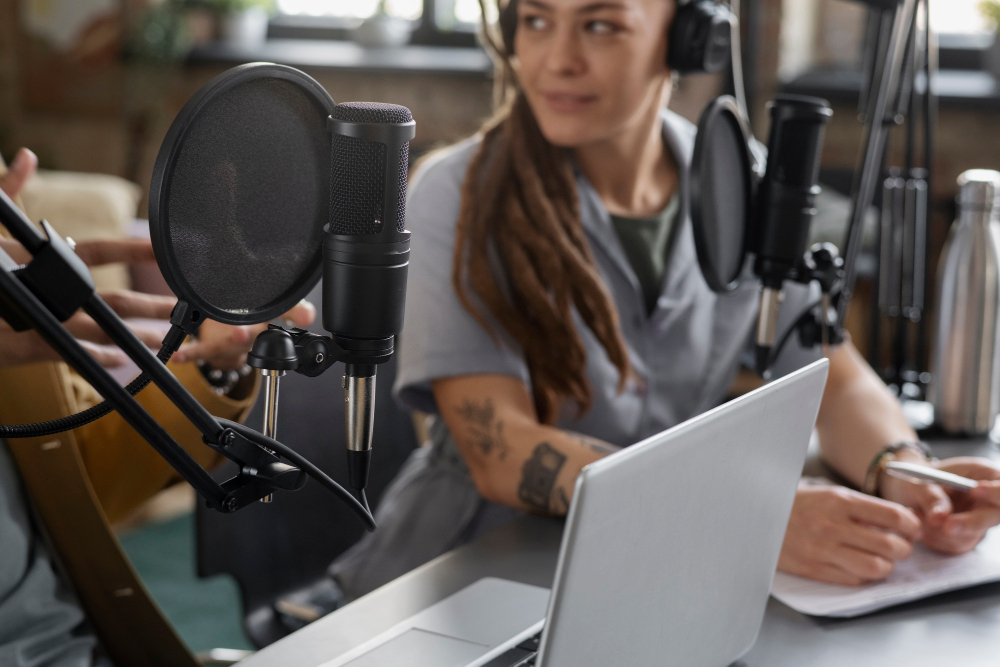
Riverside has become particularly valuable in an era where remote collaboration is increasingly common, offering robust features specifically designed for distributed teams and remote interviews. The platform enables high-quality recording with participants located anywhere in the world, eliminating the need for everyone to gather in a physical studio. Each guest simply joins through a browser link, and Riverside handles the technical complexities of recording multiple participants with broadcast-quality results. This accessibility has opened new possibilities for content creators, enabling interviews with experts, guests, or team members regardless of geographic location.
The platform’s approach to remote recording addresses the common frustrations of internet-based collaboration. Since audio and video are recorded locally on each participant’s device, the final quality doesn’t suffer from internet connection issues that plague traditional web-based recording. Additionally, Riverside provides features like separate audio tracks for each speaker, which simplifies editing and allows for individual audio enhancement. This capability, combined with automatic speaker detection and labeling, makes it remarkably easy to edit multi-person conversations, something that traditionally required significant technical skill and time investment.
Automated Transcription for Accessibility and Editing
Riverside‘s automatic transcription feature serves multiple crucial purposes beyond simplifying the editing process. First, it dramatically improves content accessibility by providing accurate text versions of audio and video content for hearing-impaired audiences or those who prefer reading to watching. Second, these transcripts become valuable SEO assets when published alongside content, improving discoverability through search engines. Third, transcripts facilitate content repurposing into blog posts, social media quotes, or written articles, multiplying the value derived from each recording session.
The transcription accuracy Riverside achieves through AI is remarkable, typically exceeding 95% accuracy for clear audio with native speakers. The platform can handle multiple speakers, distinguishing between voices and labeling speakers appropriately, which is invaluable for interview formats or panel discussions. Furthermore, these transcripts are fully editable and synchronized with the media files, meaning corrections to the transcript can immediately update the corresponding audio or video. This synchronization enables the innovative text-based editing approach that has become one of Riverside‘s signature features, allowing creators to edit media as easily as editing a document.
Magic Clips and Automated Social Media Content
One of Riverside’s most powerful features for modern content creators is its Magic Clips functionality, which uses AI to automatically identify the most engaging segments from longer content and create optimized clips for social media distribution. The AI analyzes factors like speech patterns, energy levels, topic changes, and potential virality to select moments that are likely to perform well as standalone social content. This automated clip creation addresses one of the most time-consuming aspects of content strategy—repurposing long-form content into platform-specific snippets that drive audience growth and engagement.
The platform goes beyond simple clip selection by automatically formatting these clips for different social platforms. Riverside can create vertical videos for Instagram Stories and TikTok, square videos for Instagram feed posts, and landscape videos for YouTube Shorts or LinkedIn—all from the same source material. Additionally, the AI can suggest captions based on transcript content, add dynamic captions to videos for better engagement, and even recommend hashtags based on content analysis. Consequently, a single podcast episode or video interview recorded in Riverside can become a comprehensive multi-platform content campaign with minimal additional effort, dramatically improving content marketing ROI.
What Does the Future Hold for AI in Content Production?
Advancing AI Capabilities and Intelligence
The AI powering content editing tools like Riverside continues to evolve rapidly, with each iteration bringing more sophisticated capabilities and improved accuracy. Future developments will likely include even more advanced content understanding, enabling AI to make editorial decisions based on narrative flow, emotional impact, and audience engagement patterns. We can anticipate AI systems that not only edit content but also provide strategic recommendations about content structure, ideal episode length, optimal publishing times, and topic selection based on audience preferences and performance data.
Additionally, natural language processing advances will enhance AI’s ability to understand context, nuance, and intent in conversations, leading to more intelligent editing decisions. Riverside and similar platforms will likely develop features that can automatically identify and preserve important context while removing irrelevant tangents, balance speaker time in multi-person conversations, or even suggest interview questions based on content gaps. These evolving capabilities will transform AI from a tool that automates manual tasks into a creative collaborator that actively improves content quality and strategic direction.
Integration with Broader Content Ecosystems
The future of AI editing tools includes deeper integration with the broader content creation and distribution ecosystem. We can expect seamless connections between platforms like Riverside and content management systems, social media platforms, analytics tools, and audience engagement solutions. This integration will create unified workflows where recording, editing, publishing, promotion, and performance analysis happen within interconnected systems that share data and insights, enabling truly data-driven content strategies informed by comprehensive performance metrics.
Furthermore, AI editing platforms will likely develop more sophisticated understanding of different content formats, audience segments, and distribution channels. Riverside might automatically create platform-optimized versions of content, suggest distribution strategies based on topic and format, or provide predictive analytics about expected performance across different channels. These capabilities will empower creators to make more strategic decisions about content creation and distribution, maximizing reach and impact while minimizing wasted effort on content that doesn’t align with audience preferences.
Personalization and Adaptive Learning
Future AI editing tools will increasingly personalize their functionality to individual creators’ styles, preferences, and audiences. Platforms like Riverside will learn from your editing decisions, audience feedback, and performance metrics to provide increasingly tailored suggestions and automation that align with your unique approach. This adaptive learning means the AI becomes a more effective assistant over time, understanding your brand voice, preferred pacing, typical content structure, and audience preferences to deliver results that require less manual adjustment.
Moreover, AI will enable unprecedented levels of audience personalization, potentially creating customized versions of content for different audience segments. Imagine Riverside automatically generating different edits of the same episode optimized for different demographics, attention spans, or interest levels. While this level of personalization raises important questions about content authenticity and creator workload, it also offers exciting possibilities for maximizing content relevance and engagement across diverse audience segments. The key will be implementing these capabilities thoughtfully, ensuring they enhance rather than compromise the creator-audience relationship.
How to Choose the Right AI Editing Tool for Your Needs?
Evaluating Your Content Production Requirements
Selecting the ideal AI editing platform begins with a clear understanding of your specific content production needs, goals, and constraints. Consider factors like your content format (podcast, video, both), production volume (episodes per week or month), team size and collaboration requirements, budget constraints, and technical proficiency level. For instance, solo podcasters focused primarily on audio content have different needs than video-first content teams producing daily social media content. Riverside excels for podcast and video creators who prioritize quality and want integrated recording and editing capabilities, while other tools might better serve purely text-based content or highly specialized video production needs.
Additionally, assess your current workflow pain points and prioritize which problems are most critical to solve. If transcription and text-based editing are your primary concerns, platforms with strong transcription capabilities like Riverside should rank highly. If remote collaboration is essential, prioritize tools with robust multi-user recording and editing features. Also, if social media content creation consumes disproportionate time, focus on platforms with strong automated clip creation and multi-platform optimization. By clearly defining your specific requirements and priorities, you can evaluate AI editing tools against criteria that actually matter for your situation rather than being swayed by impressive features you may never use.
Comparing Features, Pricing, and Value
Once you’ve identified your requirements, systematically compare how different platforms address them. Examine not just feature lists but also implementation quality—many tools claim similar capabilities, but execution quality varies significantly. Look for reviews and case studies from creators with similar use cases, test platforms through free trials when available, and evaluate customer support quality since even the best tools occasionally require assistance. Riverside offers competitive pricing tiers that scale with usage and needs, making it accessible for individual creators while providing enterprise solutions for larger organizations.
| Evaluation Criteria | Why It Matters | Questions to Ask |
|---|---|---|
| Recording Quality | Determines final output quality | Does it record locally? What quality settings are available? |
| AI Editing Features | Impacts time savings and efficiency | What tasks are automated? How accurate is the AI? |
| Ease of Use | Affects adoption and productivity | How intuitive is the interface? What’s the learning curve? |
| Collaboration Tools | Essential for team workflows | Can multiple users edit? How do permissions work? |
| Integration Options | Determines workflow compatibility | What platforms does it connect with? |
| Customer Support | Critical when problems arise | What support channels exist? Response time? |
Testing and Validation Before Committing
Before fully committing to any AI editing platform, conduct thorough testing with your actual content and workflows. Most platforms, including Riverside, offer free trials that allow hands-on evaluation. Use this opportunity to test with representative content—import typical episode lengths, test with your common recording scenarios (solo vs. interview, audio vs. video), and try the specific features most important to your workflow. Pay attention to processing times, accuracy of automated features, and how well the platform handles your particular content style and technical requirements.
During testing, involve all team members who will use the platform to gather diverse perspectives on usability and functionality. Create test projects that mirror your typical production process from start to finish, noting any friction points or limitations. Compare results from the AI editing tool against your current workflow’s outputs to objectively assess quality improvements and time savings. This rigorous testing process, though time-consuming initially, prevents costly mistakes and ensures you select a tool that genuinely improves your content production rather than simply shifting problems from one area to another. Riverside’s trial period provides ample opportunity for this thorough evaluation, allowing you to experience all major features before making a financial commitment.
Summing up
AI editing tools like Riverside are undeniably reshaping content production, transforming what was once a technically complex, time-intensive process into an accessible, efficient, and quality-driven workflow. Throughout this exploration, we’ve seen how Riverside specifically addresses the pain points that have historically limited content creators—from maintaining professional quality with limited resources to scaling production without proportional increases in time and cost. The platform’s integrated approach, combining high-quality local recording with sophisticated AI-powered editing features, exemplifies the future of content creation where technology serves creativity rather than constraining it.
The benefits extend far beyond mere time savings. Riverside and similar AI editing platforms democratize professional content production, enabling solo creators, small businesses, and organizations to compete with established media entities on quality while differentiating on authenticity and niche expertise. The consistent quality, automated transcription, intelligent clip creation, and streamlined workflows these tools provide allow creators to focus on what truly matters: developing compelling content that resonates with their audiences. As AI technology continues advancing, platforms like Riverside will become even more sophisticated, offering capabilities we can only begin to imagine today.
However, successful implementation requires thoughtful consideration of your specific needs, willingness to invest in learning new workflows, and maintaining the balance between automation and creative control. The future belongs to creators who embrace these tools while preserving their unique voice and perspective. Whether you’re an established podcaster, an aspiring video creator, or a business building a content marketing strategy, understanding and leveraging AI editing tools like Riverside positions you for success in an increasingly competitive content landscape. The question is no longer whether to adopt these technologies, but rather how quickly you can integrate them to maximize your creative potential and audience impact.
Frequently Asked Questions
While AI editing tools like Riverside dramatically reduce the time and technical expertise required for content editing, they don’t completely replace human creativity and judgment. These platforms excel at automating repetitive technical tasks—transcription, noise removal, basic editing, clip creation—freeing creators to focus on strategic and creative decisions that AI cannot fully replicate. The best results typically come from combining Riverside’s AI capabilities with human oversight and refinement. For instance, the platform might automatically generate social media clips, but a human should review these clips to ensure they align with brand messaging and strategic goals. Think of AI editing tools as highly capable assistants that handle the technical heavy lifting, allowing humans to concentrate on storytelling, strategy, and the creative elements that make content truly distinctive. Consequently, the most successful content creators use Riverside as a collaborative tool that enhances rather than replaces their creative process.
Absolutely—Riverside was designed with accessibility in mind, making it particularly suitable for creators without traditional editing experience. The platform’s text-based editing approach is intuitively similar to editing a document, which most people already know how to do. Instead of learning complex timeline-based editing software, beginners can simply delete sentences from the transcript to remove corresponding video or audio segments. Moreover, Riverside’s AI handles technical complexities like audio enhancement, speaker separation, and format optimization automatically, eliminating the need for specialized knowledge. The platform provides clear onboarding, helpful tutorials, and responsive customer support to guide new users through their first projects. That said, while beginners can achieve professional results quickly with Riverside, taking time to explore all features and understand best practices will significantly enhance output quality.
Benefits of Cooperation with Solution for Guru Company
As content production becomes increasingly sophisticated and AI-powered tools like Riverside reshape the industry landscape, having the right technology partner can make the difference between struggling with implementation and achieving seamless, optimized workflows. Solution for Guru specializes in helping businesses and content creators maximize the value of modern content production technologies through expert consultation, implementation support, and ongoing optimization services.
Working with Solution for Guru provides several key advantages for organizations adopting AI editing platforms like Riverside. Their team offers comprehensive needs assessment to ensure you select the right tools for your specific content strategy, technical onboarding and training to accelerate team adoption and proficiency, workflow optimization to integrate new tools seamlessly with existing processes, and ongoing support to troubleshoot issues and implement best practices as your needs evolve. This partnership approach transforms potentially complex technology adoption into a smooth, value-generating process.

Whether you’re a solo creator looking to professionalize your content production, a marketing team scaling up video and podcast initiatives, or an enterprise organization building comprehensive content capabilities, Solution for Guru provides the expertise and support to ensure your investment in AI editing technology delivers maximum return. Their commitment to client success aligns perfectly with the transformative potential of platforms like Riverside, helping you harness these powerful tools to achieve your content and business objectives efficiently and effectively.