Industries That Benefit Most from Commercial Auto Coverage
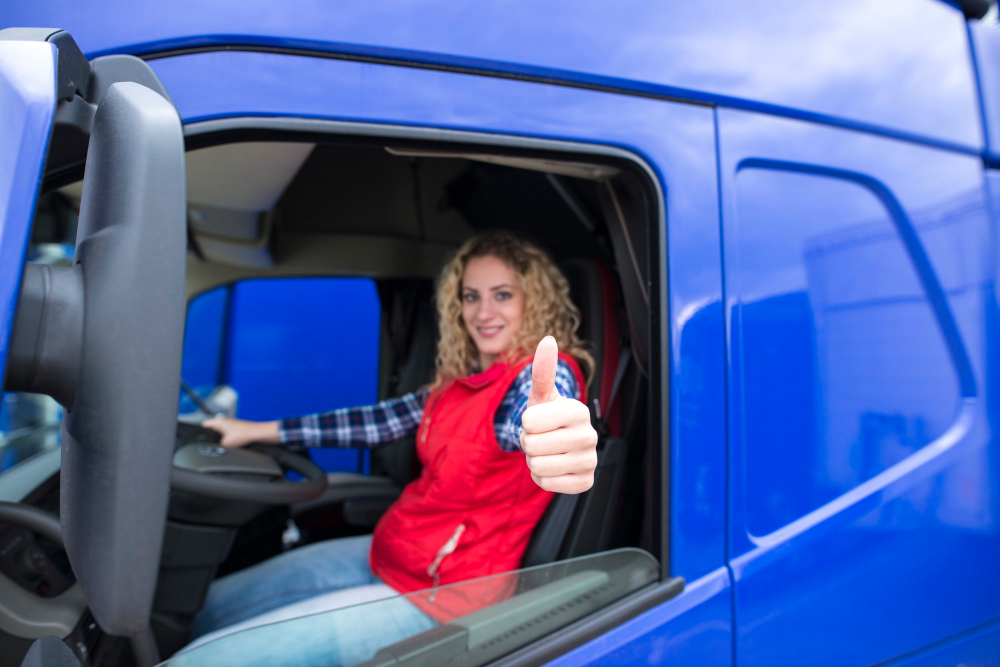
In today’s fast-paced business environment, commercial vehicles serve as the backbone of countless industries, transporting goods, delivering services, and connecting businesses with their customers. However, with increased road time comes elevated risk, making commercial auto coverage not just a regulatory requirement but a critical business necessity. Whether you operate a small delivery service or manage a fleet of construction vehicles, understanding which industries benefit most from comprehensive commercial auto insurance can help you make informed decisions about protecting your business assets, employees, and bottom line.
Table of Contents
- Quick Summary
- What Makes Commercial Auto Coverage Essential for Modern Businesses?
- Which Transportation Industries Require the Most Comprehensive Coverage?
- How Do Construction and Contracting Businesses Benefit from Commercial Auto Insurance?
- Why Is Commercial Auto Coverage Critical for Delivery and Courier Services?
- What Role Does Commercial Auto Insurance Play in Healthcare and Medical Services?
- How Does the Food Service Industry Utilize Commercial Vehicle Coverage?
- Which Real Estate and Property Management Services Need Commercial Auto Protection?
- What Coverage Do Landscaping and Maintenance Companies Require?
- How Do Retail and Wholesale Businesses Leverage Commercial Auto Insurance?
- Summing up
- Frequently Asked Questions
- What Are the Key Benefits of Partnering with Solution for Guru?
Quick Summary
Commercial auto coverage provides essential protection for businesses across numerous industries, with transportation, construction, delivery services, healthcare, food service, real estate, landscaping, and retail sectors benefiting most significantly. This comprehensive guide explores how different industries utilize commercial auto insurance, examines leading providers like BiBerk, Progressive, and Infinity Auto Insurance US, and provides actionable insights for selecting the right coverage. Furthermore, businesses can enhance their insurance procurement process by partnering with Solution for Guru, a platform that streamlines insurance comparison and selection. With commercial auto accidents costing businesses billions annually, proper coverage isn’t just recommended — it’s imperative for sustainable operations.
What Makes Commercial Auto Coverage Essential for Modern Businesses?
Commercial auto coverage stands as a fundamental pillar of business risk management, offering protection that extends far beyond what personal auto insurance can provide. Essentially, commercial auto insurance protects businesses from financial losses resulting from accidents, injuries, and property damage involving company vehicles. This specialized coverage addresses the unique exposures businesses face when vehicles are used for commercial purposes, including higher liability limits, coverage for multiple drivers, and protection for specialized equipment.
Moreover, commercial auto insurance provides several critical benefits that make it indispensable for businesses operating vehicles. First and foremost, it offers liability protection that covers bodily injury and property damage to third parties when your business is at fault in an accident. This protection can save businesses from devastating lawsuits that could otherwise result in bankruptcy. Additionally, commercial policies typically include higher coverage limits than personal policies, recognizing that businesses face greater exposure to claims.
Physical damage coverage represents another vital component, protecting your business vehicles against collision, comprehensive losses, theft, vandalism, and natural disasters. Given that commercial vehicles often represent significant capital investments—from delivery vans costing $30,000 to specialized equipment trucks exceeding $100,000—this protection ensures business continuity even after major accidents. Furthermore, many commercial auto policies include coverage for hired and non-owned vehicles, protecting your business when employees use their personal vehicles for work purposes or when you rent vehicles temporarily.
Medical payments coverage and uninsured/underinsured motorist protection round out the essential benefits, ensuring that your employees receive necessary medical care after accidents and that your business is protected when accidents involve drivers without adequate insurance. These coverages demonstrate the comprehensive nature of commercial auto insurance, addressing risks from multiple angles to create a robust safety net for business operations.
Commercial auto insurance providers
When evaluating commercial auto insurance providers, businesses should consider established carriers that understand industry-specific risks. BiBerk specializes in providing small business insurance solutions, including commercial auto coverage tailored to emerging companies and established small businesses alike. Their streamlined application process and competitive rates make them particularly attractive for businesses with smaller fleets seeking straightforward coverage options.
Similarly, Progressive brings decades of commercial insurance expertise to the table, offering extensive coverage options for businesses of all sizes. Their commercial auto policies are particularly well-regarded for fleet management tools, accident forgiveness programs, and flexible payment options that accommodate seasonal businesses. Progressive’s name recognition and financial stability provide additional peace of mind for business owners seeking a reliable long-term insurance partner.
Infinity Auto Insurance US focuses on providing accessible auto insurance solutions, including commercial coverage for businesses that may face challenges obtaining insurance through traditional carriers. Their specialization in non-standard insurance markets makes them valuable for newer businesses, those with less-than-perfect driving records, or companies operating in higher-risk industries seeking competitive quotes.
Commercial Auto Insurance Provider Comparison
| Feature |  |  |  |
|---|---|---|---|
| Target Market | Small businesses, startups, sole proprietors | Small to large fleets, established businesses | Non-standard markets, newer businesses |
| Fleet Size Capability | 1-25 vehicles | 1-1000+ vehicles | 1-50 vehicles |
| Online Quote Availability | Yes, instant quotes available | Yes, comprehensive online tools | Yes, quick quote process |
| Industry Specialization | General small business, contractors | Transportation, delivery, construction | High-risk industries, startup companies |
| Coverage Customization | Moderate, focused on essentials | Extensive, highly customizable | Standard options with flexibility |
| Digital Tools | Basic online management | Advanced fleet tracking and reporting | Mobile app, online policy management |
| Payment Flexibility | Monthly, annual options | Multiple payment plans, seasonal options | Flexible payment arrangements |
| Claims Process | Streamlined digital claims | 24/7 claims service, dedicated adjusters | Responsive claims handling |
| Additional Services | Bundled business insurance options | Risk management consulting, safety programs | SR-22 filing, financial responsibility support |
| Customer Support | Business hours phone and email | 24/7 phone support, dedicated agents | Extended hours support, bilingual services |
Which Transportation Industries Require the Most Comprehensive Coverage?
Transportation industries inherently face the highest exposure to auto-related risks, making comprehensive commercial auto coverage absolutely essential for their operations. Trucking companies, for instance, operate heavy commercial vehicles that can cause catastrophic damage in accidents, necessitating liability coverage often exceeding $1 million per occurrence. These businesses typically require specialized coverage including motor truck cargo insurance, trailer interchange coverage, and non-trucking liability insurance to address their unique operational risks.
Consequently, passenger transportation services such as taxi companies, limousine services, and shuttle operators also demand extensive coverage due to their responsibility for passenger safety. These businesses typically need commercial auto policies with enhanced liability limits, given that accidents can result in multiple bodily injury claims from passengers. Additionally, many states require specific minimum coverage amounts for passenger-carrying vehicles, often significantly higher than standard commercial vehicle requirements.
Moving and storage companies represent another transportation sector with substantial commercial auto insurance needs. These businesses face unique challenges including valuable cargo exposure, potential damage to customers’ belongings during transit, and the physical demands of loading and unloading that increase accident risks. Their commercial auto policies typically incorporate cargo coverage, hired and non-owned vehicle protection, and potentially workers’ compensation integration to address employee injuries occurring during deliveries.
Furthermore, courier and messenger services operating in urban environments encounter elevated risks from constant stops, parking challenges, and high-traffic navigation. These businesses benefit from commercial auto coverage that includes comprehensive protection against theft, vandalism, and collision in congested areas. The frequency of their vehicle use—often making dozens of stops daily—increases exposure exponentially compared to businesses with limited vehicle use.
How do leading insurance companies understand the unique challenges of the transportation industry?
Companies like BiBerk understand the transportation industry’s unique challenges and offer policies that address specific operational risks. Their commercial auto coverage can be bundled with general liability and cargo insurance, creating comprehensive protection packages that simplify insurance management for transportation businesses. This integrated approach ensures that gaps in coverage don’t leave businesses vulnerable to unexpected claims.
Meanwhile, Progressive has established itself as a leader in commercial transportation insurance, particularly for trucking operations. Their policies include valuable risk management tools, safety training resources, and fleet telematics that help transportation companies reduce accidents and potentially lower premiums. Progressive’s extensive experience with transportation risks means they can provide tailored coverage recommendations based on vehicle types, cargo, routes, and driver profiles.
For transportation companies that may not qualify for coverage through standard markets—perhaps due to newer business status, driver experience, or claims history – Infinity Auto Insurance US offers accessible options. Their willingness to work with non-standard risks makes them particularly valuable for startup transportation companies or those working to improve their insurance profiles after previous challenges.
How Do Construction and Contracting Businesses Benefit from Commercial Auto Insurance?

Construction and contracting businesses rely heavily on commercial vehicles to transport crews, equipment, and materials to job sites, making comprehensive auto coverage a non-negotiable business expense. These industries face unique risks including heavy equipment transportation, frequent travel on both highways and rough terrain, and the potential for damage to expensive tools and materials. Commercial auto insurance protects these substantial investments while ensuring that projects can continue even after vehicle incidents.
Additionally, construction vehicles often carry specialized equipment worth tens or hundreds of thousands of dollars, from excavators and generators to precision surveying instruments. Standard commercial auto policies may not fully cover this equipment, necessitating scheduled equipment coverage or inland marine insurance endorsements. This specialized protection ensures that theft of tools from a locked vehicle or damage to equipment during transit doesn’t derail projects or create financial hardship.
General contractors coordinating multiple subcontractors face another layer of complexity regarding auto insurance. When subcontractors use their own vehicles for project work, general contractors need assurance that adequate insurance exists. Many general contractors require certificates of insurance from subcontractors and maintain their own hired and non-owned vehicle coverage as backup protection. This layered approach prevents gaps that could leave the general contractor liable for accidents involving subcontractor vehicles.
Likewise, construction businesses operating in multiple states encounter varying insurance requirements and regulations. Commercial auto policies must comply with each state’s minimum coverage requirements, and businesses may need to file specific forms or maintain certain coverage levels to secure contracting licenses or bid on public projects. Working with insurance providers experienced in construction industry requirements helps ensure compliance across all operational jurisdictions.
Construction and Contracting Businesses and leading auto insurance companies
BiBerk serves construction businesses effectively by offering straightforward commercial auto coverage that can be bundled with contractors’ general liability insurance and tools and equipment coverage. This comprehensive approach simplifies insurance management for busy contractors who need protection but want to minimize administrative burden. Their focus on small to mid-sized contractors makes them particularly attuned to the budget constraints and practical needs of growing construction businesses.
In contrast, Progressive provides construction businesses with sophisticated fleet management capabilities particularly valuable for larger contracting operations. Their telematics programs can track vehicle location, monitor driver behavior, and provide safety coaching that reduces accidents and lowers insurance costs over time. For construction companies managing multiple crews across various job sites, these tools offer operational insights beyond just insurance protection.
Construction businesses with challenging insurance histories or those just starting out can find accessible coverage through Infinity Auto Insurance US. Their experience with non-standard markets means they understand the unique circumstances facing newer contractors or those working to improve their insurance profile after previous claims. This accessibility ensures that all construction businesses can obtain necessary coverage regardless of their current insurance situation.
Why Is Commercial Auto Coverage Critical for Delivery and Courier Services?
Delivery and courier services operate in an environment of constant vehicle use, tight deadlines, and urban navigation challenges that exponentially increase accident risks. These businesses typically generate more miles annually than most other commercial operations, with delivery drivers often covering 100-200 miles daily in congested areas with frequent stops. This intense vehicle usage creates substantial exposure to accidents, making comprehensive commercial auto coverage absolutely essential for financial survival.
Moreover, the explosion of e-commerce has created unprecedented growth in delivery services, from Amazon contractors and FedEx routes to local courier services and food delivery platforms. This growth has correspondingly increased insurance claims, with delivery vehicles involved in accidents potentially facing significant liability for injuries and property damage. Commercial auto insurance protects these businesses from claims that could easily exceed hundreds of thousands of dollars when serious injuries occur.
Package and cargo value represents another critical consideration for delivery businesses. While residential deliveries might involve relatively modest cargo values, businesses handling commercial deliveries or high-value consumer goods need cargo coverage that protects against loss, theft, or damage during transit. This coverage becomes particularly important during peak seasons when delivery vehicles carry maximum loads and theft risks increase.
Furthermore, delivery businesses face unique challenges regarding driver classification and insurance coverage. Many modern delivery operations utilize independent contractors rather than employees, creating complex insurance questions about who provides coverage and under what circumstances. Businesses must carefully structure their commercial auto insurance to address these relationships, potentially including hired and non-owned vehicle coverage that protects the business when independent contractors use their personal vehicles.
The role of leading auto insurance companies
BiBerk offers delivery businesses streamlined commercial auto coverage designed for the specific needs of smaller delivery operations. Their policies can accommodate the dynamic nature of delivery businesses, including seasonal fluctuations in vehicle use and the addition of temporary vehicles during peak periods. This flexibility proves invaluable for businesses experiencing rapid growth or significant seasonal variations in delivery volume.
Similarly, Progressive has developed specialized commercial auto programs specifically for delivery and courier services. Their coverage options include important features like hired and non-owned vehicle protection, cargo coverage, and trailer coverage that address the full spectrum of delivery business risks. Progressive’s extensive claims network and 24/7 support prove particularly valuable for delivery businesses that operate outside traditional business hours.
Delivery services facing insurance challenges due to driver records, business age, or previous claims can explore coverage options through Infinity Auto Insurance US. Their approach to non-standard insurance markets provides opportunities for delivery businesses to secure necessary coverage even when traditional carriers decline. This accessibility ensures continuous operations rather than business interruption due to insurance gaps.
What Role Does Commercial Auto Insurance Play in Healthcare and Medical Services?
Healthcare and medical services increasingly rely on commercial vehicles for patient transport, mobile medical services, and equipment delivery, making commercial auto coverage a critical component of healthcare risk management. Ambulance services, medical transport companies, and non-emergency medical transportation providers operate under stringent regulations requiring specific insurance coverage levels, often with minimum liability limits of $1 million or more per occurrence due to the vulnerable nature of their passengers.
Additionally, mobile healthcare services including mobile dental clinics, blood collection services, and home health providers use commercial vehicles as mobile offices equipped with expensive medical equipment. These businesses need commercial auto insurance that addresses both the vehicle and the specialized medical equipment it carries. Equipment coverage becomes essential when vehicles contain diagnostic machines, medical supplies, and other assets worth substantial sums that wouldn’t be covered under standard auto policies.
Home healthcare agencies face particular insurance complexities when caregivers use personal vehicles to travel between patient homes. While these might be personal vehicles, their use for business purposes creates commercial exposure that personal auto insurance typically excludes. Healthcare agencies must either require caregivers to maintain commercial auto coverage or secure hired and non-owned vehicle coverage that protects the agency from liability when accidents occur during business use of personal vehicles.
Pharmaceutical delivery services and medical supply companies transport high-value, often temperature-sensitive products that require specialized handling and climate-controlled vehicles. Beyond standard commercial auto coverage, these businesses need cargo insurance with appropriate temperature monitoring and spoilage coverage to protect against the substantial financial losses that can occur if medical products are damaged during transit. Some medications and biological materials can be worth thousands of dollars per delivery, making this specialized coverage essential.
The role of leading auto insurance companies
BiBerk provides healthcare businesses with commercial auto coverage that can be integrated with professional liability insurance and general liability coverage, creating comprehensive protection packages. Their understanding of small healthcare business needs makes them particularly suitable for home health agencies, mobile medical services, and small medical transport operations seeking efficient insurance solutions without complicated administrative requirements.
Conversely, Progressive offers healthcare providers extensive coverage options including high liability limits appropriate for medical transport services. Their experience with specialized industries means they can provide tailored recommendations that address healthcare-specific risks, including coverage for medical equipment, wheelchair lifts, and other specialized vehicle modifications common in medical transport. Progressive’s robust claims handling and risk management resources prove particularly valuable for healthcare businesses where accidents can have serious implications.
Healthcare businesses needing accessible insurance options, particularly newer medical transport services or home health agencies establishing their insurance profiles, can benefit from Infinity Auto Insurance US. Their willingness to work with businesses in various circumstances ensures that healthcare providers can maintain continuous coverage while building their operational history and insurance credentials.
How Does the Food Service Industry Utilize Commercial Vehicle Coverage?

The food service industry depends extensively on commercial vehicles for operations ranging from catering deliveries and food truck operations to restaurant supply chain management and meal delivery services. These businesses face unique insurance challenges including food spoilage concerns, strict health department regulations, and time-sensitive deliveries that can create pressure for drivers to rush. Commercial auto coverage protects food service businesses from the financial consequences of accidents while ensuring business continuity when vehicles are damaged or out of service.
Food trucks represent a particularly interesting insurance scenario, as they are simultaneously commercial vehicles and business premises. These mobile restaurants require specialized commercial auto coverage that extends beyond standard vehicle protection to include coverage for cooking equipment, inventory, and potential liability from serving food. Many food truck operators need policies that address both auto liability and general liability, creating comprehensive protection for this unique business model.
Catering businesses transporting prepared food to events face substantial risks regarding food safety and timely delivery. Temperature control failures during transport can result in foodborne illness claims, while accidents causing delays can lead to breach of contract claims from clients. Commercial auto insurance combined with appropriate business insurance ensures that catering companies are protected against these multifaceted risks that span transportation, food safety, and professional services.
Restaurant supply and distribution businesses operate larger commercial vehicles including refrigerated trucks that maintain specific temperature ranges for food safety. These operations need commercial auto coverage with higher liability limits reflecting the vehicle sizes and cargo values involved. Additionally, refrigeration equipment coverage becomes essential as the breakdown of cooling systems during transit can result in total cargo loss worth thousands or tens of thousands of dollars.
The role of leading auto insurance companies
BiBerk serves food service businesses by offering commercial auto coverage that integrates well with their other insurance needs including general liability and property coverage. Their streamlined approach to small business insurance makes them particularly suitable for food trucks, catering operations, and smaller restaurant delivery services seeking comprehensive protection without excessive complexity.
On the other hand, Progressive provides food service businesses with sophisticated commercial auto programs that can accommodate everything from single food trucks to large distribution fleets. Their coverage options include important protections like refrigeration breakdown coverage, spoilage coverage, and equipment coverage that address food industry-specific risks. Progressive’s extensive agent network and customer service infrastructure ensure that food service businesses receive responsive support when claims occur.
Food service businesses establishing their operations or those with previous insurance challenges can find accessible coverage through Infinity Auto Insurance US. Their experience with diverse business profiles means they can provide coverage options for newer food trucks, startup catering companies, or businesses working to improve their insurance standing, ensuring that all food service operations can secure necessary protection.
Which Real Estate and Property Management Services Need Commercial Auto Protection?
Real estate and property management professionals utilize commercial vehicles extensively for property showings, maintenance supervision, and client meetings, creating substantial exposure that personal auto insurance doesn’t adequately cover. Real estate agents who transport clients to property viewings face potential liability if accidents occur with clients in the vehicle, as personal auto policies typically exclude business use. Commercial auto coverage ensures proper protection when vehicles are used for business purposes, protecting both the agent’s assets and the brokerage’s reputation.
Property management companies face even more complex commercial auto insurance needs, as their operations often include maintenance staff who drive company vehicles to various properties for repairs, inspections, and emergencies. These vehicles might carry tools, equipment, and materials, requiring coverage that extends beyond basic liability to include physical damage coverage and potentially tools and equipment insurance. When property managers oversee multiple properties across wide geographic areas, commercial auto insurance becomes essential for daily operations.
Real estate investors and house flippers frequently transport tools, building materials, and contractors to renovation projects. These business activities clearly fall outside personal auto insurance coverage parameters, necessitating commercial policies that address both liability and physical damage. Additionally, when investors hire contractors who use their own vehicles for project work, hired and non-owned vehicle coverage protects the investor from liability gaps that could arise from accidents involving contractor vehicles.
Appraisers and home inspectors spend significant time traveling between properties, often driving hundreds of miles weekly to conduct evaluations. While individual trips might seem similar to personal use, the cumulative business mileage and the purpose of travel constitute commercial use requiring appropriate insurance coverage. These professionals need commercial auto policies that provide adequate liability protection given their frequent road exposure and the potential for accidents during business travel.
The role of leading auto insurance companies
BiBerk offers real estate professionals streamlined commercial auto coverage that can be bundled with errors and omissions insurance and general liability coverage. This integrated approach proves particularly valuable for real estate agents and small property management companies seeking comprehensive protection without administrative complexity. Their focus on small business needs makes them well-suited to the real estate industry’s unique insurance requirements.
Alternatively, Progressive provides real estate businesses with flexible commercial auto coverage that can accommodate varying vehicle use patterns. Real estate professionals experiencing seasonal fluctuations in business activity benefit from Progressive’s payment flexibility and coverage adjustment options. Their extensive agent network means real estate professionals can work with insurance professionals who understand industry-specific needs and can recommend appropriate coverage levels.
Real estate professionals establishing new businesses or those needing accessible insurance options can explore coverage through Infinity Auto Insurance US. Their approach to diverse business profiles ensures that newer real estate agents, property managers, or investors can secure commercial auto coverage appropriate to their operations, enabling business growth without insurance gaps.
What Coverage Do Landscaping and Maintenance Companies Require?
Landscaping and maintenance companies operate commercial vehicles daily to transport crews, equipment, and materials to job sites, making comprehensive commercial auto coverage essential for these service-oriented businesses. These operations typically utilize trucks equipped with trailers carrying mowers, trimmers, blowers, and other expensive equipment. Commercial auto insurance must address both the vehicles and the trailers, ensuring complete protection for the substantial investment these businesses make in their operational assets.
Snow removal services face particular insurance challenges due to seasonal operations, overnight work schedules, and the urgency clients place on timely service. These businesses often operate during hazardous conditions when accident risks are elevated, making adequate liability coverage critical. Additionally, snow removal equipment attached to vehicles—plows, salt spreaders, and sanders—requires specialized coverage as standard auto policies may not adequately protect these attachments.
Tree service companies represent another segment with heightened commercial auto insurance needs, as they transport dangerous equipment including chainsaws, chippers, and climbing gear. The specialized nature of their work creates elevated risks both on job sites and during transportation. Their commercial auto policies should include high liability limits recognizing the catastrophic potential of accidents involving tree service equipment, alongside coverage for the expensive specialized equipment they transport.
Pool service and maintenance companies travel between numerous residential and commercial properties daily, creating substantial road exposure. These businesses transport chemicals, pumps, filters, and cleaning equipment in their vehicles, necessitating coverage that protects both the vehicle and the equipment. When accidents occur, commercial auto insurance ensures that pool service businesses can quickly replace damaged vehicles and equipment, minimizing disruption to customer service.
The role of leading auto insurance companies
BiBerk provides landscaping and maintenance businesses with commercial auto coverage that addresses their practical needs without excessive complexity. Their policies can be bundled with general liability and tools and equipment coverage, creating comprehensive protection packages that simplify insurance management. This integrated approach proves particularly valuable for small to mid-sized landscaping operations focused on service delivery rather than insurance administration.

In comparison, Progressive offers landscaping businesses sophisticated fleet management tools that can help reduce accidents and lower insurance costs over time. Their trailer coverage and equipment coverage options ensure comprehensive protection for the full scope of landscaping operations. Progressive’s experience with seasonal businesses makes them particularly valuable for snow removal services and other maintenance operations with fluctuating vehicle use throughout the year.
Landscaping companies establishing their businesses or those with previous claims challenges can secure coverage through Infinity Auto Insurance US. Their accessibility ensures that newer landscaping operations or businesses working to improve their insurance profiles can maintain continuous coverage while building their operational history and demonstrating risk improvement.
How Do Retail and Wholesale Businesses Leverage Commercial Auto Insurance?
Retail and wholesale businesses utilize commercial vehicles for diverse purposes including inventory transport, customer deliveries, and business banking, creating varied insurance needs that commercial auto coverage addresses comprehensively. Mobile retailers operating from vehicles—from food trucks and ice cream trucks to mobile boutiques and craft vendors—require specialized coverage that protects both the vehicle and the inventory. These businesses face unique risks as their vehicles simultaneously serve as transportation and retail locations.
Wholesale distributors operating delivery fleets face substantial commercial auto insurance needs reflecting their vehicle utilization intensity and cargo values. These businesses might operate fleets ranging from sprinter vans to box trucks, each carrying inventory worth thousands or tens of thousands of dollars. Commercial auto insurance with appropriate cargo coverage protects these businesses from financial losses when accidents damage inventory or when theft occurs from vehicles during deliveries.
Furniture and appliance retailers providing customer delivery services need commercial auto coverage that addresses both vehicle liability and potential damage to expensive merchandise during transit. These deliveries often involve navigating residential areas, backing into driveways, and maneuvering in tight spaces that increase accident risks. Additionally, loading and unloading large items creates exposure to damage claims when merchandise is scratched, dented, or broken during the delivery process.
E-commerce businesses operating their own delivery operations rather than relying solely on third-party carriers need commercial auto insurance that scales with their operations. As these businesses grow from single-vehicle deliveries to multiple vehicles serving wider geographic areas, their insurance needs evolve correspondingly. Commercial auto coverage provides the flexibility to add vehicles, adjust coverage limits, and modify policies as business operations expand.
The role of leading auto insurance companies
BiBerk serves retail and wholesale businesses by offering straightforward commercial auto coverage that integrates with other business insurance needs. Their policies accommodate the diverse vehicle types these businesses utilize, from cargo vans to box trucks, while maintaining competitive pricing particularly attractive to growing businesses. BiBerk’s streamlined application and policy management processes reduce administrative burden for busy retail operators.
Meanwhile, Progressive provides retail and wholesale businesses with comprehensive commercial auto programs that can accommodate everything from single delivery vehicles to substantial fleets. Their cargo coverage options ensure appropriate protection for inventory in transit, while their fleet management tools help businesses monitor vehicle use and driver behavior. Progressive’s extensive claims network proves particularly valuable for retailers and wholesalers operating across multiple states or regions.
Retail and wholesale businesses needing accessible insurance options, including newer e-commerce operations or businesses with previous insurance challenges, can explore coverage through Infinity Auto Insurance US. Their willingness to work with diverse business profiles ensures that all retail operations can secure necessary commercial auto coverage, enabling business growth and operational continuity.
Summing up
Commercial auto coverage proves indispensable across numerous industries, with transportation, construction, delivery, healthcare, food service, real estate, landscaping, and retail sectors demonstrating the most significant benefits from comprehensive policies. Throughout this examination, we’ve seen how different industries face unique risks requiring tailored coverage solutions that address their specific operational challenges and exposures.
The importance of selecting appropriate coverage from reputable insurance providers cannot be overstated. BiBerk offers small and growing businesses streamlined commercial auto coverage with straightforward processes and competitive pricing, making comprehensive protection accessible without administrative complexity. Their integrated approach to business insurance proves particularly valuable for entrepreneurs focused on operations rather than insurance management.
Progressive brings extensive industry experience and sophisticated tools to commercial auto insurance, providing businesses with not just coverage but valuable risk management resources. Their fleet management capabilities, flexible payment options, and comprehensive coverage options make them particularly suitable for established businesses and those with larger fleets seeking a full-service insurance partner.
Infinity Auto Insurance US fills a critical gap in the commercial auto insurance market by providing accessible coverage options for businesses that may not qualify through traditional carriers. Their experience with non-standard markets ensures that newer businesses, those with challenging insurance histories, or operations in higher-risk industries can secure necessary protection to maintain continuous operations.
Ultimately, commercial auto insurance represents far more than a regulatory compliance requirement—it constitutes a strategic business investment that protects assets, ensures operational continuity, and provides peace of mind. Businesses operating vehicles should carefully evaluate their exposures, understand industry-specific risks, and work with qualified insurance providers to secure appropriate coverage. The financial consequences of inadequate coverage far exceed the cost of comprehensive commercial auto insurance, making proper protection a fundamental business necessity rather than an optional expense.
Frequently Asked Questions
Commercial auto insurance costs vary significantly based on multiple factors including industry, vehicle type, driver records, coverage limits, and geographic location. Generally, small businesses can expect to pay between $1,200 and $2,400 annually per vehicle for basic commercial auto coverage, though costs can exceed $5,000 per vehicle for high-risk industries or operations requiring extensive coverage. Factors that influence pricing include the vehicle’s primary use, annual mileage, the number of drivers, claims history, and the specific coverages selected. Businesses can typically reduce costs by maintaining good driving records, implementing safety programs, bundling multiple insurance policies, increasing deductibles, and regularly reviewing coverage to ensure it aligns with current operations. Working with experienced commercial insurance providers like BiBerk, Progressive, or Infinity Auto Insurance US allows businesses to obtain competitive quotes and explore discount opportunities appropriate to their specific circumstances.
The fundamental difference between personal and commercial auto insurance lies in the vehicle’s primary use and the coverage scope provided. Personal auto insurance covers vehicles used primarily for personal activities like commuting to work, running errands, and personal travel, whereas commercial auto insurance covers vehicles used for business purposes including transporting goods, equipment, employees, or clients. Commercial policies typically provide higher liability limits recognizing greater business exposure, cover multiple drivers without specifically naming them on the policy, include coverage for specialized business equipment, and often provide hired and non-owned vehicle coverage protecting the business when employees use personal vehicles for work. Personal auto policies generally exclude business use, meaning claims arising from commercial activities would likely be denied.
What Are the Key Benefits of Partnering with Solution for Guru?
Navigating the complex landscape of commercial auto insurance becomes significantly more manageable when businesses partner with Solution for Guru, a comprehensive platform designed to streamline insurance procurement and management. This innovative service connects businesses with multiple insurance providers, enabling efficient comparison shopping that ensures companies secure optimal coverage at competitive prices. Rather than contacting multiple insurance carriers individually—a time-consuming process that often results in incomplete information and missed opportunities—businesses can access multiple quotes through a single streamlined platform.
Solution for Guru provides businesses with expert guidance throughout the insurance selection process, helping them understand complex policy terms, identify appropriate coverage levels, and recognize potential gaps in protection. This educational approach proves particularly valuable for business owners who understand their operations intimately but may lack insurance expertise. By demystifying commercial auto insurance terminology and requirements, Solution for Guru empowers businesses to make informed decisions that properly protect their assets and operations.
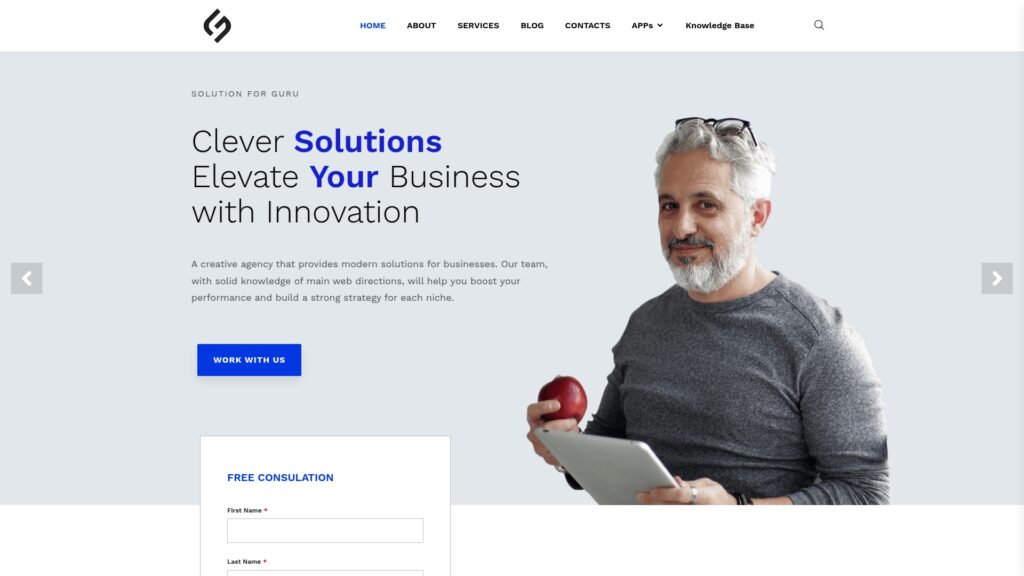
Moreover, Solution for Guru’s relationships with multiple insurance carriers including industry leaders like BiBerk, Progressive, and Infinity Auto Insurance US mean businesses access competitive options spanning from standard markets to specialized providers. This breadth ensures that businesses with diverse profiles—from established companies with excellent insurance histories to newer ventures or those with previous challenges—can find appropriate coverage solutions. The platform’s ability to match businesses with suitable insurance providers based on their specific circumstances, industry, and risk profile maximizes the likelihood of securing both adequate coverage and favorable pricing.
Recommended
- Full Coverage vs. Liability: Which Auto Insurance Is Right for You?
- What’s Covered and What’s Not: Breaking Down Auto Insurance Coverage Types
- What Are the Best Auto Insurance Options for Rideshare Drivers (Uber, Lyft, etc.)?
- How to Get Affordable Auto Insurance After an Accident or Ticket
- Auto and Renters Insurance Bundle
- Preferred Auto Insurance Companies
- How to Get Auto Insurance Online
- Auto Insurance for Farms
- Auto International Insurance
- Comparing Commercial Auto Insurance
- The Top Commercial Auto Insurance Options