Resource Allocation and Capacity Planning in Project Management: How Do You Build Teams That Consistently Deliver?

Every project manager eventually faces the same core challenge: too many tasks, too few people, and not enough time. Poor resource allocation and weak capacity planning are among the leading causes of project failure worldwide — not lack of vision, not budget overruns, and not unclear requirements. When teams stretch themselves thin across too many commitments, quality drops, deadlines slip, and burnout follows. Fortunately, modern project management platforms and proven planning methodologies now give organizations the tools to manage resources strategically rather than reactively. This article explores how to master both disciplines — and how Zoho Projects makes it measurably easier to do so.
Table of contents
Quick Summary
This article covers the full scope of resource allocation and capacity planning in project management — from foundational concepts to advanced strategies and technology implementation. Specifically, it addresses:
- The definitions and key differences between resource allocation and capacity planning
- Why both disciplines directly impact project success rates and team health
- Core frameworks and methodologies for effective planning
- How Zoho Projects streamlines resource and capacity management
- Common pitfalls and how to avoid them
How Does Zoho Projects Fit Into Resource Allocation and Capacity Planning?

Zoho Projects is a cloud-based project management platform used by teams across industries to plan, track, and deliver work efficiently. However, its value extends well beyond task lists and Gantt charts. Zoho Projects provides dedicated resource management and capacity planning features that give project managers a real-time view of who is working on what, how much bandwidth each person has, and where bottlenecks are forming before they derail a project.
Furthermore, Zoho Projects integrates natively with the broader Zoho ecosystem — including Zoho People for HR data, Zoho CRM for sales-linked projects, and Zoho Analytics for cross-project reporting. This integration means that resource and capacity decisions no longer happen in isolation. Instead, managers make them with full visibility into workloads, skills, availability, and project priorities across the entire organization.
What Is Resource Allocation in Project Management and Why Does It Matter?
Resource allocation is the process of identifying, assigning, and managing the assets — people, time, budget, equipment, and technology — needed to complete a project successfully. At its core, it answers a deceptively simple question: who does what, with what, and when?
Despite its apparent simplicity, poor resource allocation consistently ranks among the top causes of project failure. According to the Project Management Institute’s Pulse of the Profession report (2023), 37% of project failures stem directly from inaccurate resource estimates. Moreover, teams that lack a structured allocation approach spend up to 20% of their time reworking tasks due to resource conflicts or misassignments.
What Types of Resources Do Project Managers Allocate?
Resource allocation covers several distinct categories, each requiring its own planning approach:
- Human resources: Individual team members and their specific skills, availability, and capacity
- Financial resources: Budget assigned to specific tasks, phases, or workstreams
- Physical resources: Equipment, office space, hardware, and tools
- Time resources: Project timelines, deadlines, and buffer periods
- Technological resources: Software licenses, cloud infrastructure, and platforms
Among these, human resources typically receive the most attention — and rightfully so, as people represent both the highest project cost and the highest variability. Zoho Projects addresses this directly through its resource utilization reports, which give managers a color-coded, real-time view of team member workloads across all active projects.
What Is the Difference Between Resource Allocation and Resource Management?
These two terms often appear interchangeably, but they describe distinct phases. Resource allocation refers to the planning stage — deciding in advance which resources go to which tasks. Resource management, on the other hand, covers the ongoing monitoring and adjustment of those allocations as the project evolves.
In practice, both matter equally. A perfectly planned allocation can still fail if managers do not actively monitor utilization and reallocate when circumstances change. Zoho Projects supports both phases through its workload view and drag-and-drop task reassignment, enabling managers to plan ahead and course-correct in real time without losing visibility.
What Is Capacity Planning and How Does It Differ from Resource Allocation?
While resource allocation focuses on specific projects, capacity planning takes a broader organizational view. Capacity planning determines whether your team has enough collective bandwidth to take on new work, sustain current commitments, and absorb unexpected demands — now and in the future.
Think of it this way: resource allocation answers ‘who handles this project?’ Capacity planning answers ‘can we even take on this project without overloading our team?’ Both questions are essential, and neither is complete without the other.
What Are the Three Core Types of Capacity Planning?
Project managers typically apply capacity planning across three time horizons, each serving a different strategic purpose:
| Capacity Planning Type | Time Horizon | Primary Purpose | Key Question Answered |
| Strategic Capacity Planning | 12–36 months | Long-term workforce and resource planning | Do we need to hire, train, or restructure? |
| Tactical Capacity Planning | 1–12 months | Project portfolio and team assignment planning | Can we commit to this project pipeline? |
| Operational Capacity Planning | Days to weeks | Sprint and task-level workload balancing | Is every team member appropriately loaded this week? |
Zoho Projects primarily supports tactical and operational capacity planning through its resource allocation charts, availability calendars, and workload summaries. However, when connected to Zoho Analytics, teams can extend their visibility into strategic planning by tracking utilization trends over longer time periods.
Why Do Organizations Struggle with Capacity Planning?
Despite its importance, capacity planning remains one of the most inconsistently practiced disciplines in project management. A 2022 Gartner survey found that only 34% of organizations have a formal capacity planning process in place. The remaining 66% rely on informal estimates, spreadsheets, or gut instinct — approaches that consistently lead to overcommitment, burnout, and missed deadlines.
The root causes typically include lack of centralized visibility into team workloads, absence of a single source of truth for project commitments, and the tendency to plan capacity in isolation from actual project data. Zoho Projects directly addresses all three barriers by bringing project tasks, team calendars, and utilization data into a single, connected workspace.
What Are the Most Effective Frameworks for Resource Allocation and Capacity Planning?
Several proven frameworks guide effective resource allocation and capacity planning. Choosing the right one depends on your project type, team structure, and organizational maturity. Below are the most widely adopted approaches:
How Does the Resource Breakdown Structure (RBS) Help Project Managers?
The Resource Breakdown Structure organizes all project resources hierarchically — by category, type, and individual unit. Similar to a Work Breakdown Structure for tasks, the RBS gives managers a complete visual map of every resource involved in a project before work begins.
Using an RBS alongside Zoho Projects’ resource management features produces a powerful combination. Managers can build the RBS during the planning phase, then map each resource directly to project tasks in Zoho Projects, instantly revealing gaps, conflicts, or overallocations before the project kicks off.
What Is the Critical Path Method and How Does It Relate to Resource Planning?
The Critical Path Method (CPM) identifies the longest sequence of dependent tasks in a project — the path that determines the earliest possible completion date. Understanding the critical path is essential for resource allocation because tasks on this path cannot slip without delaying the entire project.
Consequently, managers should prioritize their best and most available resources for critical path tasks. Zoho Projects’ Gantt chart view visually highlights the critical path, enabling managers to align resource assignments with the highest-priority sequences rather than distributing effort evenly across all tasks.
How Does Agile Capacity Planning Work for Iterative Teams?
Agile teams plan capacity in short cycles — typically two-week sprints. Rather than allocating resources for months in advance, agile capacity planning focuses on the upcoming sprint: how many story points or tasks can each team member realistically complete given their availability, leave, and existing commitments?
Zoho Projects supports agile workflows through its built-in sprint planning module. Teams can set sprint capacity based on each member’s available hours, then monitor actual versus planned utilization as the sprint progresses. As a result, sprint retrospectives become more data-driven, informing better capacity estimates for future cycles.
What Features Does Zoho Projects Offer for Resource and Capacity Management?
Zoho Projects provides a comprehensive suite of tools specifically designed to support resource allocation and capacity planning. Rather than treating these as secondary features, Zoho built them as core components of the platform. Here is a detailed breakdown of the key capabilities:
| Feature | What It Does | Planning Benefit |
| Resource Utilization Chart | Visualizes each team member’s workload as a percentage of capacity across the project timeline | Instantly spot overloaded or underutilized team members |
| Availability Calendar | Shows working hours, holidays, and leave for each resource | Plan task assignments around actual availability, not assumptions |
| Task Assignment & Reassignment | Drag-and-drop task reallocation with real-time workload impact preview | Quickly rebalance work without disrupting the project schedule |
| Baseline Comparison | Compares planned versus actual resource usage | Identify estimation gaps and improve future planning accuracy |
| Portfolio Resource View | Aggregates resource usage across multiple simultaneous projects | Prevent double-booking and cross-project resource conflicts |
| Time Tracking Integration | Logs actual hours worked per task and compares with estimates | Quantify estimation accuracy and support invoicing or billing |
| Custom Roles and Skills | Tags team members by role, skill set, and department | Match tasks to the right people based on competency, not just availability |
How Does the Zoho Projects Resource Utilization Chart Work in Practice?
The Resource Utilization Chart is arguably the most powerful feature for capacity management in Zoho Projects. It displays each team member’s allocated workload as a color-coded percentage — green for healthy utilization, yellow for approaching capacity, and red for overloaded. Managers can view this data by day, week, or month, and drill down into individual tasks driving overallocation.
This feature eliminates the need for separate spreadsheet tracking. Instead of manually compiling workload data across multiple projects and spreadsheets, managers get a live, always-current view of team capacity inside the same tool where work actually happens. According to a 2023 Capterra survey, teams using visual resource management tools reduce scheduling conflicts by 31% compared to those relying on manual methods.
How Does Portfolio-Level Resource Planning Work in Zoho Projects?
Organizations running multiple simultaneous projects face a compounded version of the resource allocation challenge. A developer assigned to Project A might appear fully available in Project A’s view — but is already at 80% capacity due to Project B and Project C commitments. Without a portfolio-level view, project managers make allocation decisions with incomplete information.
Zoho Projects addresses this through its portfolio resource view, which consolidates workload data from all active projects into a single dashboard. Consequently, project portfolio managers can identify cross-project conflicts, reallocate shared resources strategically, and make informed decisions about whether to accept new project commitments based on actual team capacity.
What Are the Most Common Resource Allocation Mistakes and How Do You Avoid Them?

Even experienced project managers fall into predictable resource allocation traps. Recognizing these patterns — and knowing how to counter them — significantly improves project outcomes. The following mistakes consistently appear in post-project reviews:
Why Does Overallocation Happen and What Are Its Consequences?
Overallocation occurs when a team member receives more work than they can realistically complete within their available hours. It typically happens because managers plan resources in isolation, without visibility into what other projects are already consuming that person’s time.
The consequences extend beyond missed deadlines. Research by the American Institute of Stress (2022) found that workplace overload directly contributes to employee burnout, with 83% of workers reporting work-related stress as a significant concern. Furthermore, overallocated team members produce lower-quality work, create dependencies that block other team members, and ultimately cost more through rework and turnover.
Zoho Projects’ availability calendar and utilization chart prevent overallocation by flagging conflicts at the moment of assignment — before they become problems.
What Is the ‘Hero Resource’ Trap and How Does It Damage Projects?
The hero resource trap occurs when a project becomes critically dependent on a single high-performing team member. This person handles the most complex tasks, unblocks other team members, and serves as the go-to expert for decisions. While this feels efficient in the short term, it creates enormous project risk.
When the hero resource takes leave, gets sick, or leaves the organization, the project stalls. Moreover, the hero themselves accumulates stress and resentment as their workload grows disproportionately. The solution lies in deliberate skill distribution and cross-training — assigning stretch tasks to developing team members, documenting knowledge, and building redundancy into critical roles. Zoho Projects supports this by enabling skill tagging and role-based assignment, making it easier to deliberately spread expertise across the team.
| Common Mistake | Root Cause | Prevention Strategy in Zoho Projects |
| Overallocation | No visibility into cross-project commitments | Use Portfolio Resource View before assigning tasks |
| Hero Resource Dependency | Defaulting to the fastest/most skilled person | Use skill tags to distribute assignments deliberately |
| Ignoring Non-Project Time | Failing to account for meetings, admin, and learning | Set realistic capacity percentages in availability settings |
| Last-Minute Reallocation | No early warning system for emerging bottlenecks | Monitor utilization chart weekly, not just at milestones |
| Underutilization of Junior Staff | Risk aversion or habit of assigning to known experts | Use baseline comparisons to identify underused capacity |
| Scope Creep Without Reallocation | Accepting new scope without adjusting resource plans | Rerun resource planning after every approved scope change |
How Does Effective Capacity Planning Improve Team Health and Project Outcomes?

Capacity planning delivers benefits that extend far beyond on-time delivery. When organizations implement structured capacity planning, they simultaneously improve team wellbeing, financial predictability, and strategic agility. These outcomes reinforce each other, creating a compounding advantage over time.
How Does Capacity Planning Reduce Team Burnout?
Burnout is not simply a wellness issue — it is a productivity and retention crisis. The Harvard Business Review (2025) reports that burned-out employees are 63% more likely to take sick days and 23% more likely to visit an emergency room. Furthermore, replacing a burned-out employee costs an average of 1.5 to 2 times their annual salary when factoring in recruitment, onboarding, and lost productivity.
Effective capacity planning prevents burnout by ensuring that no team member consistently operates above 80-85% utilization — leaving buffer for unexpected tasks, creative thinking, and recovery. Zoho Projects makes this guardrail easy to implement by allowing managers to set maximum capacity thresholds per resource and receive alerts when assignments exceed them.
How Does Capacity Planning Improve Financial Forecasting?
Resource costs typically represent 60-80% of total project budgets. Therefore, accurate capacity planning directly improves financial forecasting accuracy. When managers know exactly how many hours each person will contribute to each project phase, they can produce reliable cost estimates and track actual versus planned spend with precision.
Zoho Projects’ time tracking and budget management features connect resource allocations to financial data automatically. As team members log hours, project managers see real-time budget consumption alongside workload data — enabling proactive financial decisions rather than reactive cost overrun conversations at quarter-end.
What Conclusions Can We Draw About Resource Allocation and Capacity Planning?
Resource allocation and capacity planning are not administrative overhead — they are strategic disciplines that determine whether projects succeed or fail, and whether teams thrive or burn out. The evidence is consistent across industries: organizations that invest in structured resource and capacity management deliver more projects on time, within budget, and with higher team satisfaction.
Moreover, the technology to implement these disciplines professionally is no longer reserved for large enterprises with dedicated PMO teams and custom software. Zoho Projects brings enterprise-grade resource allocation and capacity planning tools to organizations of every size — with an interface that project managers and team members can adopt quickly without extensive training.
That said, the difference between a mediocre and a transformative Zoho Projects implementation often comes down to how well the platform maps to your specific workflows, team structure, and organizational goals. This is where Solution for Guru’s expertise proves invaluable. Their structured implementation approach, domain expertise, and ongoing support transform Zoho Projects from a tool into a genuine competitive advantage.
Ultimately, the organizations that consistently deliver excellent projects are not those with the largest teams or the biggest budgets. They are the ones that plan resources intelligently, monitor capacity continuously, and use platforms like Zoho Projects to turn good intentions into disciplined execution — especially when supported by a partner like Solution for Guru who knows how to make that transformation stick.
Frequently Asked Questions
Zoho Projects supports an unlimited number of concurrent projects on higher-tier plans, and its portfolio resource view aggregates workload data across all of them simultaneously. This cross-project visibility is critical for resource planning accuracy — without it, managers risk overallocating shared team members who appear available within one project but are already committed in others. Solution for Guru specifically configures the portfolio view during implementation, ensuring managers have full cross-project visibility from the start rather than discovering conflicts after commitments are already made.
Most project management experts recommend maintaining resource utilization between 70% and 80% of total available hours. This range delivers high productivity while preserving buffer for unexpected tasks, creative problem-solving, meetings, and personal development. Utilization rates above 85% consistently correlate with declining quality, missed deadlines, and increased burnout risk. Zoho Projects lets managers set custom capacity thresholds per resource and displays color-coded utilization warnings — green below 75%, yellow between 75-90%, and red above 90% — giving project managers an instant visual health check for every team member without manual calculation.
Yes. Zoho Projects integrates natively with Zoho People, which serves as the HR system of record for employee availability, leave balances, working patterns, and public holidays. This integration automatically updates each team member’s available capacity in Zoho Projects when leave is approved or working hours change — eliminating the manual synchronization that creates planning errors in disconnected systems. For organizations using third-party HR tools, Solution for Guru designs custom integration workflows using Zoho Flow or API connectors, ensuring that capacity data in Zoho Projects always reflects real availability rather than theoretical working hours.
Why Should You Work with Solution for Guru to Implement Zoho Projects?
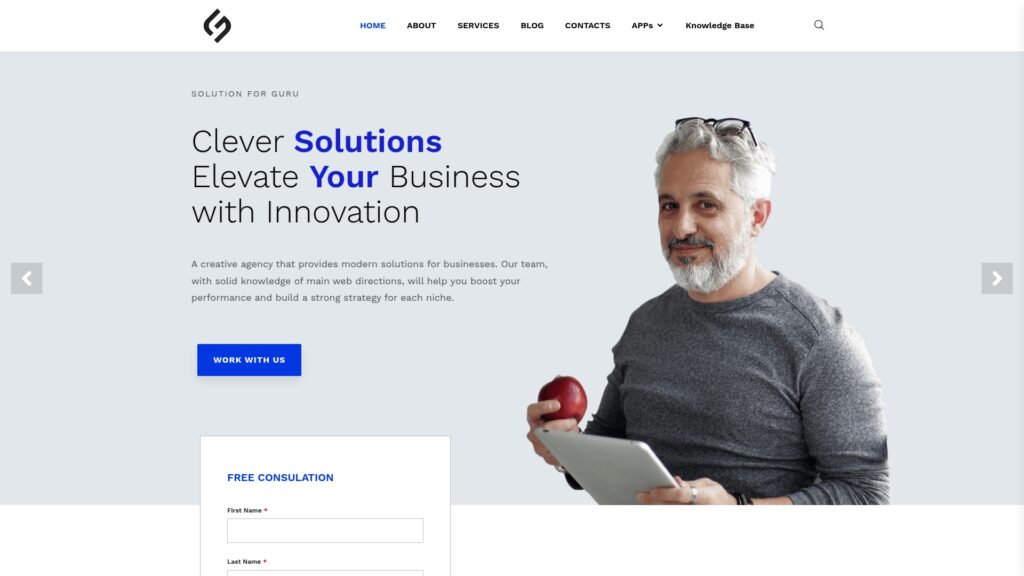
Understanding resource allocation and capacity planning concepts is valuable. However, translating that understanding into a functioning Zoho Projects implementation that your team actually uses is a different challenge entirely. This is precisely where Solution for Guru delivers exceptional value. As a certified Zoho implementation partner, Solution for Guru brings specialized expertise in configuring Zoho Projects for real-world project management workflows — not just technical setup.
What Does Solution for Guru Do Differently from a Standard Zoho Setup?
Many organizations install Zoho Projects and configure it to mirror their existing processes — missing the opportunity to improve those processes in the process. Solution for Guru takes a different approach: they begin with a discovery phase that maps your current resource management pain points, project workflow patterns, and organizational structure. Then they design a Zoho Projects configuration that addresses those specific challenges, rather than delivering a generic out-of-the-box setup.
Additionally, their implementation methodology includes change management support — helping your team understand why the new system works the way it does, which dramatically improves adoption rates and long-term usage consistency.
What Specific Services Does Solution for Guru Provide for Zoho Projects?
- Project Management Audit: Evaluating your current workflow, identifying resource management gaps, and defining success metrics for the implementation
- Zoho Projects Configuration: Setting up project templates, resource roles, capacity thresholds, utilization dashboards, and automated alerts tailored to your workflow
- Cross-Platform Integration: Connecting Zoho Projects with Zoho People, Zoho CRM, Zoho Analytics, or third-party tools your team already uses
- Team Training and Enablement: Hands-on training sessions for project managers, team members, and executives — ensuring everyone extracts value from the platform
- Ongoing Optimization and Support: Monitoring system usage, refining configurations as your organization grows, and providing expert guidance when new challenges arise
What Measurable Benefits Does Partnering with Solution for Guru Deliver?
The return on investment from a professionally implemented Zoho Projects instance compounds over time. Organizations that implement project management software with expert guidance adopt 40% more features than those who self-implement, according to a 2025 Software Advice study. Moreover, higher feature adoption directly correlates with better project outcomes — more accurate forecasts, fewer scheduling conflicts, and higher on-time delivery rates.
| Solution for Guru Benefit | Business Impact |
| Tailored Configuration | Zoho Projects reflects your actual workflow from day one — no generic templates that require months of adjustment |
| Faster Time-to-Value | Teams start using resource planning features productively within weeks, not months |
| Higher Adoption Rates | Change management support ensures team members embrace the system rather than work around it |
| Cross-System Integration | Resource data flows automatically between Zoho Projects, HR systems, and financial tools |
| Proven Methodology | Benefit from implementation patterns developed across dozens of successful deployments |
| Continuous Improvement | Ongoing optimization ensures your Zoho Projects instance evolves as your business grows |
Recommended:
- How Project Management Improves ROI for U.S. Businesses
- Most In-Demand Project Management Skills in the U.S. Job Market
- Zoho Projects Implementation for Software Development Teams
- Zoho Projects + Zoho CRM: Managing Sales-to-Project Workflows
- Using Zoho Projects for Agile Development
- Zoho Projects Architecture and Workflow Model
- How Do You Create a Comprehensive Project Management Plan That Ensures Success?
- What Essential Skills Do Successful Project Managers Need to Master?
- How Can AI Transform Project Management for Modern Teams?
- Project Management Platforms
- Project Management Certification
- Project Management Jobs
- Enterprise Project Management (EPM) Software
- Project Management Software Solutions for Construction Professionals
- IT Project Management: Streamlining Success in the Digital Age