Why ITSM Training Matters in Today’s Digital-First IT Teams

In an era where digital transformation drives business success, IT Service Management (ITSM) has evolved from a backend operational necessity to a strategic business enabler. As organizations increasingly rely on technology to deliver value, the importance of properly trained IT teams cannot be overstated. Moreover, ITSM training equips professionals with the frameworks, tools, and best practices needed to deliver exceptional service quality while maintaining operational efficiency.
This comprehensive guide explores why ITSM training is critical for modern IT teams, how leading platforms support training initiatives, and how you can leverage professional partnerships to maximize your team’s potential. Consequently, understanding these elements will help organizations build resilient, efficient, and customer-focused IT operations.
Table of Contents
- Quick Summary
- What is ITSM Training?
- Leading ITSM Platforms Overview
- ITSM Platform Comparison
- The Strategic Value of ITSM Training
- Core Components of Effective ITSM Training
- Digital-First Challenges and Training Solutions
- Measuring Training ROI
- Summing up
- Frequently Asked Questions
- Benefits of Cooperation with Solution for Guru
Quick Summary
ITSM training is essential for digital-first IT teams to maintain competitive advantages in today’s fast-paced business environment. Furthermore, comprehensive training programs ensure that teams can effectively utilize platforms like Freshservice, ManageEngine, and Zendesk to deliver superior service quality. Additionally, organizations that invest in structured ITSM training see measurable improvements in incident resolution times, customer satisfaction scores, and overall operational efficiency.
Key benefits include reduced service downtime, improved team collaboration, better alignment with business objectives, and enhanced ability to adapt to emerging technologies. Therefore, partnering with experienced consultants like Solution4Guru can accelerate your training initiatives and ensure maximum return on investment.
What is ITSM Training?

ITSM training encompasses structured educational programs designed to equip IT professionals with the knowledge, skills, and competencies required to implement, manage, and optimize IT service delivery. Specifically, it covers industry-standard frameworks such as ITIL (Information Technology Infrastructure Library), along with platform-specific training for tools like Freshservice, ManageEngine, and Zendesk.
Framework-Based Training
ITIL remains the most widely adopted ITSM framework globally. Consequently, ITIL training provides professionals with a systematic approach to service management, covering service strategy, design, transition, operation, and continual improvement. Similarly, other frameworks like COBIT and ISO 20000 offer complementary perspectives that enhance overall service management capabilities.
Platform-Specific Training
Modern ITSM platforms require specialized knowledge to maximize their potential. Therefore, platform-specific training ensures teams can leverage advanced features, automation capabilities, and integration options effectively. For instance, understanding how to configure workflows in Freshservice, customize modules in ManageEngine, or optimize ticket routing in Zendesk directly impacts service delivery quality.
Continuous Learning and Certification
ITSM training is not a one-time event but an ongoing journey. Additionally, professional certifications validate expertise and demonstrate commitment to excellence. Moreover, regular upskilling ensures teams stay current with platform updates, industry trends, and emerging best practices in service management.
Leading ITSM Platforms Overview
Freshservice – Modern Cloud-Based ITSM
Freshservice delivers a contemporary approach to IT service management with an intuitive, user-friendly interface that minimizes training time. Furthermore, it excels in automation, offering AI-powered chatbots, intelligent ticket routing, and predictive analytics that help teams work smarter. Additionally, Freshservice integrates seamlessly with popular business tools, making it ideal for organizations seeking rapid deployment and adoption.
Training for Freshservice focuses on leveraging its automation capabilities, customizing service catalogs, implementing self-service portals, and utilizing analytics for continuous improvement. Therefore, teams trained in Freshservice can significantly reduce manual workload while improving service quality and response times.
Advanced Freshservice training covers workflow orchestration, which enables teams to automate complex multi-step processes across departments and systems. Additionally, the platform’s AI capabilities include predictive analytics that can anticipate service disruptions before they impact users, allowing proactive intervention. Furthermore, integration with collaboration tools like Slack and Microsoft Teams enables contextual service delivery within the platforms where employees already work, reducing friction and improving adoption rates. Consequently, organizations that fully leverage Freshservice‘s capabilities often see 40-50% reductions in ticket volume through effective self-service and automation.
ManageEngine – Enterprise-Grade Comprehensive Solution

ManageEngine ServiceDesk Plus stands out as a comprehensive enterprise solution offering extensive customization options and deep functionality. Moreover, it provides robust asset management, project management integration, and advanced reporting capabilities that appeal to large organizations with complex requirements. Consequently, it supports diverse IT environments and scales effectively across global operations.
Training for ManageEngine emphasizes configuration management, workflow customization, asset lifecycle management, and integration with network monitoring tools. Additionally, advanced training covers API utilization, custom module development, and optimization of service level agreement (SLA) management to ensure compliance and accountability.
ManageEngine’s comprehensive feature set requires deeper technical training but offers unparalleled flexibility for complex enterprise environments. For instance, the platform’s asset management capabilities extend beyond simple inventory tracking to include software license optimization, hardware lifecycle planning, and total cost of ownership analysis. Moreover, ManageEngine’s project management integration enables IT teams to manage major initiatives alongside day-to-day service delivery, providing holistic visibility into resource allocation and capacity planning. Furthermore, its extensive reporting and dashboard capabilities allow organizations to create customized views for different stakeholder groups, from executive leadership to individual technicians, ensuring everyone has access to relevant, actionable information.
Zendesk – Customer-Centric Service Platform
Zendesk originated as a customer support platform and evolved to offer comprehensive ITSM capabilities. Furthermore, its strength lies in omnichannel support, enabling teams to manage requests from email, chat, phone, and social media through a unified interface. Additionally, Zendesk’s marketplace offers thousands of integrations, making it highly adaptable to diverse business needs.
Training for Zendesk concentrates on multi-channel ticket management, knowledge base optimization, customer satisfaction measurement, and leveraging apps and integrations. Moreover, specialized training covers advanced topics like custom triggers, automations, and API integrations that extend platform functionality and improve service delivery efficiency.
Zendesk’s strength in omnichannel support means training programs must cover diverse communication channels and their unique characteristics. For example, social media support requires different skills and approaches than traditional email or phone support, emphasizing rapid response, public visibility management, and brand consistency. Additionally, Zendesk’s extensive marketplace ecosystem offers thousands of pre-built integrations and apps that extend functionality without custom development. Training teams to evaluate, select, and implement these extensions effectively can dramatically enhance productivity and user satisfaction. Furthermore, Zendesk‘s robust analytics and reporting capabilities enable data-driven service improvements, and training should emphasize how to extract meaningful insights from customer interaction data to inform strategic decisions and operational refinements.
ITSM Platform Comparison
Choosing the right ITSM platform depends on organizational size, complexity, budget, and specific requirements. Therefore, understanding the key differences between leading solutions helps organizations make informed decisions aligned with their strategic objectives.
| Feature | |  |  |
| Best For | SMBs to Mid-Market | Enterprise Organizations | Customer-Focused Teams |
| Deployment | Cloud-Only | Cloud & On-Premise | Cloud-Only |
| Ease of Use | Excellent | Moderate | Very Good |
| Automation | AI-Powered, Advanced | Comprehensive | Strong |
| Asset Management | Good | Excellent | Basic |
| Customization | Good | Extensive | Moderate |
| Integration Options | Strong | Very Strong | Excellent |
| Training Requirement | Low to Moderate | Moderate to High | Low to Moderate |
| Pricing Model | Per Agent/Month | Per Technician | Per Agent/Month |
Each platform offers unique strengths that cater to different organizational needs. Consequently, the choice between Freshservice, ManageEngine, and Zendesk should align with your team’s technical expertise, budget constraints, and long-term strategic goals.
The Strategic Value of ITSM Training
Aligning IT with Business Objectives
ITSM training bridges the gap between technical operations and business strategy. Furthermore, well-trained IT professionals understand how their work impacts customer satisfaction, revenue generation, and competitive positioning. Additionally, they can articulate IT value in business terms, facilitating better communication with stakeholders and securing necessary resources for strategic initiatives.
This alignment becomes particularly critical as organizations pursue digital transformation initiatives. Specifically, IT teams must understand how service delivery quality affects customer retention, market reputation, and business growth. Moreover, training programs that include business acumen components enable IT professionals to contribute meaningfully to strategic planning discussions, propose value-driven improvements, and justify technology investments based on business outcomes rather than purely technical merits. Consequently, this business-aligned approach transforms IT from a cost center into a recognized value driver within the organization.
Reducing Operational Costs
Properly trained teams work more efficiently, reducing the time and resources required to resolve incidents and fulfill service requests. Moreover, training in platforms like Freshservice enables teams to leverage automation features that eliminate repetitive manual tasks. Similarly, ManageEngine training helps organizations optimize asset utilization and reduce unnecessary spending, while Zendesk training improves first-contact resolution rates, decreasing overall support costs.
Enhancing Service Quality and Customer Satisfaction
Training directly impacts service quality by ensuring consistent application of best practices across the IT organization. Consequently, customers experience faster response times, more accurate solutions, and proactive communication throughout the service lifecycle. Furthermore, trained teams can better anticipate customer needs and deliver personalized service experiences that build loyalty and trust.
Building Organizational Resilience
In today’s volatile business environment, organizational resilience depends on the ability to adapt quickly to changing circumstances. Therefore, comprehensive ITSM training prepares teams to handle disruptions, implement emergency changes, and maintain service continuity under pressure. Additionally, cross-training on multiple platforms and processes ensures knowledge redundancy, reducing dependency on individual team members and minimizing operational risk.
Core Components of Effective ITSM Training
Technical Skills Development
Technical proficiency forms the foundation of ITSM excellence. Specifically, training should cover platform navigation, configuration management, workflow automation, reporting and analytics, and integration capabilities. For instance, Freshservice training emphasizes AI chatbot configuration and predictive analytics, while ManageEngine training focuses on advanced customization and API development. Meanwhile, Zendesk training prioritizes multi-channel management and app marketplace utilization.
Process and Framework Knowledge
Understanding ITIL processes ensures consistent, standardized service delivery across the organization. Moreover, training should cover incident management, problem management, change management, service request fulfillment, and knowledge management. Additionally, teams should learn how to adapt framework guidelines to their specific organizational context while maintaining compliance with industry standards and regulatory requirements.
Soft Skills and Customer Service Excellence
Technical knowledge alone is insufficient for exceptional service delivery. Therefore, ITSM training must also develop communication skills, empathy and emotional intelligence, conflict resolution, time management, and collaborative problem-solving abilities. Consequently, teams equipped with both technical and interpersonal skills deliver superior customer experiences and build stronger stakeholder relationships.
Analytics and Continuous Improvement
Data-driven decision-making separates high-performing IT organizations from the rest. Furthermore, training should emphasize KPI definition and tracking, trend analysis and predictive modeling, root cause analysis, and continuous service improvement methodologies. Additionally, platforms like Freshservice, ManageEngine, and Zendesk offer robust analytics capabilities that, when properly utilized, provide actionable insights for ongoing optimization and strategic planning.
Digital-First Challenges and Training Solutions
Remote and Hybrid Work Environments
The shift to remote and hybrid work models has fundamentally changed IT service delivery. Consequently, training must address distributed team collaboration, remote troubleshooting techniques, virtual service desk operations, and cloud-based tool management. Moreover, platforms like Freshservice and Zendesk excel in supporting remote teams through cloud accessibility and mobile applications, while ManageEngine offers comprehensive remote desktop and asset management capabilities.
Remote work introduces unique challenges that require specialized training approaches. For instance, technicians must learn to diagnose and resolve issues without physical access to equipment, relying instead on remote desktop tools, detailed communication, and step-by-step guidance. Furthermore, training programs should emphasize asynchronous communication techniques, time zone management, and virtual collaboration tools that enable seamless service delivery regardless of location. Additionally, security considerations for remote access require heightened awareness and adherence to protocols that protect organizational data and systems.
The digital-first environment also demands proficiency in self-service technologies. Therefore, training should cover knowledge base creation and maintenance, chatbot configuration, and user empowerment strategies that reduce dependency on direct technician support. Platforms like Freshservice offer AI-powered self-service portals that, when properly configured, can resolve common issues automatically, while Zendesk’s Guide feature provides comprehensive knowledge management capabilities that enhance user autonomy and satisfaction.
Security and Compliance in Digital Operations
Digital transformation increases security risks and regulatory compliance requirements. Therefore, ITSM training must incorporate security best practices, compliance frameworks like GDPR and SOC 2, access control and identity management, and incident response procedures. Additionally, each platform offers security features that require proper training: Freshservice provides role-based access controls, ManageEngine offers comprehensive audit trails, and Zendesk includes advanced data protection capabilities.
Integration with Emerging Technologies
Modern ITSM platforms increasingly integrate with artificial intelligence, machine learning, automation tools, and Internet of Things (IoT) devices. Consequently, training programs must prepare teams to leverage these technologies effectively. For example, Freshservice’s AI capabilities require training in chatbot configuration and predictive ticket routing, while ManageEngine’s automation features demand understanding of workflow logic and scripting.
Scalability and Rapid Growth Management
Digital-first organizations often experience rapid growth that challenges existing IT capabilities. Therefore, training should address capacity planning, performance optimization, architectural scalability, and platform migration strategies. Additionally, understanding how Freshservice, ManageEngine, and Zendesk scale differently helps organizations make informed decisions about long-term platform investments and training priorities.
Measuring Training ROI

Quantitative Metrics
Organizations should track measurable improvements following ITSM training initiatives. Specifically, key metrics include mean time to resolution (MTTR), first-contact resolution rate, ticket backlog reduction, SLA compliance percentage, and cost per ticket. Furthermore, baseline measurements taken before training provide benchmarks for evaluating post-training improvements and demonstrating value to stakeholders.
Qualitative Indicators
Beyond numbers, qualitative factors reveal training effectiveness. These include customer satisfaction survey results, employee engagement scores, knowledge base quality improvements, and stakeholder feedback. Additionally, observing behavioral changes such as increased collaboration, proactive problem-solving, and knowledge sharing indicates successful training adoption and cultural transformation.
Long-Term Strategic Impact
The full value of ITSM training extends beyond immediate operational improvements. Therefore, organizations should evaluate strategic outcomes such as improved business alignment, enhanced innovation capacity, reduced risk exposure, and stronger competitive positioning. Moreover, well-trained teams adapt more quickly to platform updates and emerging technologies, creating compounding returns on training investments over time.
Summing up
ITSM training represents a critical investment for organizations navigating today’s digital-first business landscape. Furthermore, as demonstrated throughout this article, comprehensive training programs deliver measurable benefits including reduced costs, improved service quality, enhanced customer satisfaction, and greater organizational resilience. Additionally, the strategic value of training extends beyond immediate operational gains to support long-term business transformation and competitive advantage.
Leading platforms like Freshservice, ManageEngine, and Zendesk each offer unique capabilities that, when properly leveraged through targeted training, empower IT teams to deliver exceptional service. Consequently, organizations must carefully assess their specific requirements, team capabilities, and strategic objectives when selecting platforms and designing training programs.
The digital transformation imperative means that ITSM training is no longer optional but essential for business success. Moreover, as technology continues to evolve and customer expectations rise, ongoing investment in team development ensures organizations remain agile, responsive, and capable of delivering value in an increasingly complex environment. Therefore, organizations that prioritize ITSM training position themselves for sustained success in the digital era.
Ultimately, the effectiveness of any ITSM platform depends on the people using it. Consequently, combining powerful tools like Freshservice, ManageEngine, and Zendesk with comprehensive training programs creates a synergy that drives operational excellence, customer satisfaction, and business growth. Additionally, partnering with experienced consultants accelerates training initiatives and ensures maximum return on platform investments.
Frequently Asked Questions
Training duration varies based on platform complexity, team experience, and organizational requirements. Generally, basic platform training takes 2-4 weeks, while comprehensive ITSM framework and advanced feature training requires 2-3 months. However, continuous learning should be ongoing, with regular refresher sessions and updates as platforms evolve. Freshservice typically requires less initial training time due to its intuitive interface, while ManageEngine may require more extensive training for advanced customization capabilities.
ITIL 4 Foundation remains the most recognized and valuable ITSM certification globally. Additionally, platform-specific certifications from Freshservice, ManageEngine, and Zendesk validate practical skills and demonstrate expertise to employers. Advanced certifications like ITIL Managing Professional (MP), ITIL Strategic Leader (SL), and specialized certifications in areas like security, DevOps, and cloud services further enhance professional credibility and career opportunities.
Absolutely. While small organizations may have simpler IT environments, structured ITSM training helps establish professional service delivery practices from the outset. Furthermore, early adoption of best practices prevents bad habits and technical debt that become increasingly difficult to address as organizations grow. Additionally, platforms like Freshservice and Zendesk offer scalable solutions perfect for small teams that plan to expand, making training investments particularly valuable for growing organizations.
Benefits of Cooperation with Solution for Guru
Partnering with Solution for Guru provides organizations with expert guidance throughout their ITSM journey. Moreover, their consultants bring extensive experience implementing and optimizing platforms like Freshservice, ManageEngine, and Zendesk across diverse industries and organizational sizes. Consequently, organizations benefit from proven methodologies, accelerated implementation timelines, and customized training programs aligned with specific business objectives.
Solution for Guru’s comprehensive service offering includes platform selection consulting, implementation and configuration services, customized training program development, ongoing support and optimization, and change management expertise. Additionally, their vendor-neutral approach ensures recommendations prioritize client success over product preferences, while their deep technical knowledge enables rapid problem-solving and innovation.
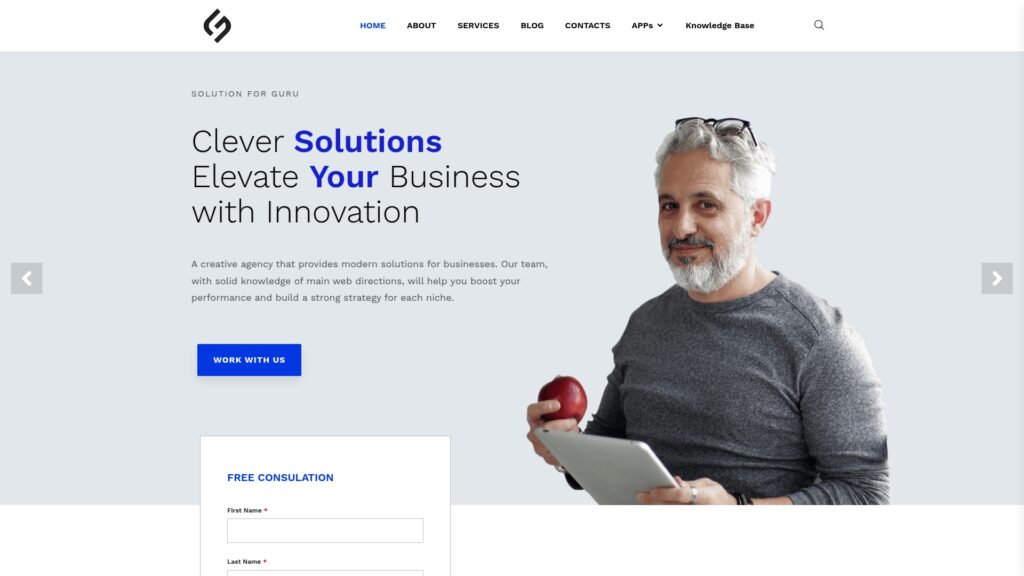
Furthermore, Solution for Guru’s training programs combine theoretical knowledge with practical application, ensuring teams develop both conceptual understanding and hands-on proficiency. Their experienced instructors adapt training delivery to accommodate different learning styles, experience levels, and organizational cultures. Moreover, post-training support includes mentoring, refresher sessions, and continuous improvement consulting that helps organizations maximize long-term value from their ITSM investments.
Solution for Guru distinguishes itself through its commitment to knowledge transfer and sustainable capability building. Rather than creating dependency, their consultants work to empower internal teams with the skills and confidence needed for independent operation and continuous improvement. Additionally, they provide comprehensive documentation, reference materials, and best practice guides tailored to each client’s specific environment and requirements. This approach ensures that training benefits persist long after the initial engagement concludes, creating lasting organizational competency and resilience.
The consulting team at Solution for Guru also brings valuable cross-industry insights that help organizations avoid common pitfalls and adopt proven strategies from similar implementations. For instance, their experience spans healthcare, finance, manufacturing, technology, and professional services sectors, providing diverse perspectives on how different industries approach ITSM challenges. Moreover, this breadth of experience enables rapid identification of optimization opportunities and creative problem-solving when organizations encounter unique requirements or constraints.
Ultimately, cooperation with Solution for Guru transforms ITSM implementation from a technical project into a strategic initiative that drives business value. Therefore, organizations seeking to accelerate their digital transformation, optimize service delivery, and build high-performing IT teams should consider Solution for Guru as a trusted partner capable of delivering measurable results and sustainable competitive advantages.
Recommended:
- ITSM — How to Start Implementation?
- Core ITSM Processes: A Comprehensive Guide to Service Management Excellence
- How Knowledge Management Enhances ITSM Quality?
- ITSM Change Management
- ITSM Integration: Streamlining IT Service Management for Modern Enterprises
- ITSM Problem Management
- What Are ITSM Ticketing Tools?
- ITSM Jobs: Your Guide to a Thriving Career in IT Service Management
- Why are ITSM Best Practices essential?
- What is an IT Management Service Provider?
- Comprehensive Guide to ITSM Tools: Features, Benefits, and Top Solutions
- What is IT Service Management (ITSM)?