What Does Progressive Commercial Auto Insurance Actually Cover?

Running a business means putting vehicles on the road every single day — and every mile carries financial risk. Whether you operate a single delivery van or manage an entire commercial fleet, one accident without the right coverage can result in crippling liability claims, vehicle repair costs, and lost business income. That is exactly why commercial auto insurance exists, and why choosing the right carrier matters enormously. Progressive — one of the largest and most recognized commercial auto insurance providers in the United States — offers a comprehensive range of coverage options designed specifically for business vehicles and the unique risks they face.
Table of contents
Quick Summary: What Does Progressive Commercial Auto Insurance Cover?
Before exploring the details, here is a concise overview of the primary coverage types Progressive offers under its commercial auto insurance policies:
| Coverage Type | What It Protects | Who Needs It |
| Liability Coverage | Bodily injury and property damage caused to others | All commercial vehicle operators — legally required |
| Collision Coverage | Damage to your vehicle from collisions | Any business relying on vehicles for daily operations |
| Comprehensive Coverage | Non-collision damage (theft, weather, vandalism) | Fleets exposed to theft risk or severe weather regions |
| Uninsured/Underinsured Motorist | Losses caused by drivers with no or low insurance | All commercial operators, especially in high-traffic areas |
| Medical Payments / PIP | Medical costs for driver and passengers after an accident | Businesses prioritizing employee protection |
| Hired & Non-Owned Auto | Vehicles rented or personally owned but used for business | Businesses whose employees use personal cars for work tasks |
| Motor Truck Cargo | Goods and freight being transported | Truckers, freight haulers, and delivery businesses |
| Bobtail / Non-Trucking Liability | Coverage when driving without a load or dispatch | Owner-operators and independent truckers |
How Does Progressive Relate to Commercial Auto Insurance in the United States?

Progressive holds a commanding position in the U.S. commercial auto insurance market. Founded in 1937 and headquartered in Mayfield Village, Ohio, Progressive grew from a small personal lines insurer into the largest commercial auto insurance carrier in the United States by premium volume, according to the National Association of Insurance Commissioners (NAIC). This distinction matters because commercial auto insurance represents one of the most complex and high-stakes segments of the insurance industry.
Progressive built its commercial auto dominance by focusing on the specific needs of businesses — not by simply adapting personal auto policies. The company developed dedicated underwriting expertise for trucks, vans, specialty vehicles, and entire fleets. As a result, Progressive covers a uniquely wide range of commercial vehicle types, from small business pickup trucks to 18-wheel semi-trailers operating across state lines.
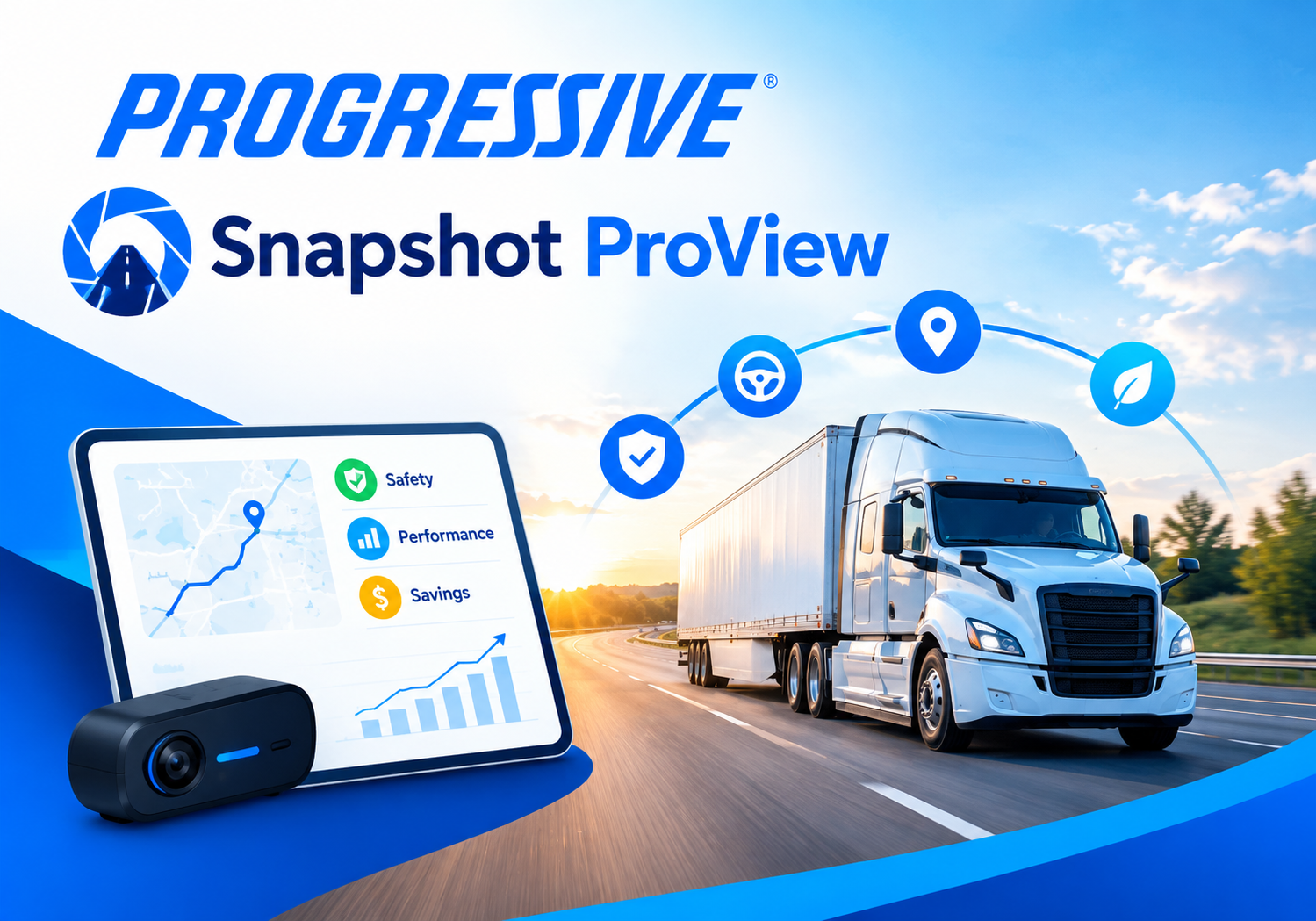
Furthermore, Progressive continuously invests in technology to streamline policy management, claims processing, and risk assessment for commercial clients. Their Snapshot ProView telematics program, for instance, allows fleets to monitor driver behavior and potentially earn premium discounts based on real-world performance. Consequently, businesses that partner with Progressive gain not only financial protection but also tools that actively help reduce risk — a combination that sets Progressive apart in the competitive U.S. commercial auto insurance landscape.
What Core Coverage Types Does Progressive Commercial Auto Insurance Include?
Does Progressive Commercial Auto Insurance Cover Liability Costs?
Liability coverage forms the foundation of any commercial auto insurance policy, and Progressive structures it across two essential components: bodily injury liability and property damage liability. When one of your drivers causes an accident, these coverages pay for the other party’s medical expenses, lost wages, pain and suffering claims, and any property they need repaired or replaced.
The financial stakes here are substantial. A serious commercial vehicle accident involving a large truck can generate liability claims exceeding one million dollars — and jury awards in commercial trucking cases continue to climb. According to the American Transportation Research Institute (ATRI), nuclear verdicts (verdicts exceeding ten million dollars) against trucking companies increased dramatically throughout the 2010s and into the 2020s, making adequate liability limits more critical than ever.
Progressive offers flexible liability limits that businesses can tailor to their risk exposure. Federal regulations require interstate commercial trucks to carry minimum liability limits of $750,000 to $5,000,000 depending on the cargo type, per the Federal Motor Carrier Safety Administration (FMCSA). Progressive writes policies that meet or exceed these requirements, ensuring businesses stay compliant while protecting their assets.
What Vehicle Damage Does Progressive Cover Through Collision Insurance?
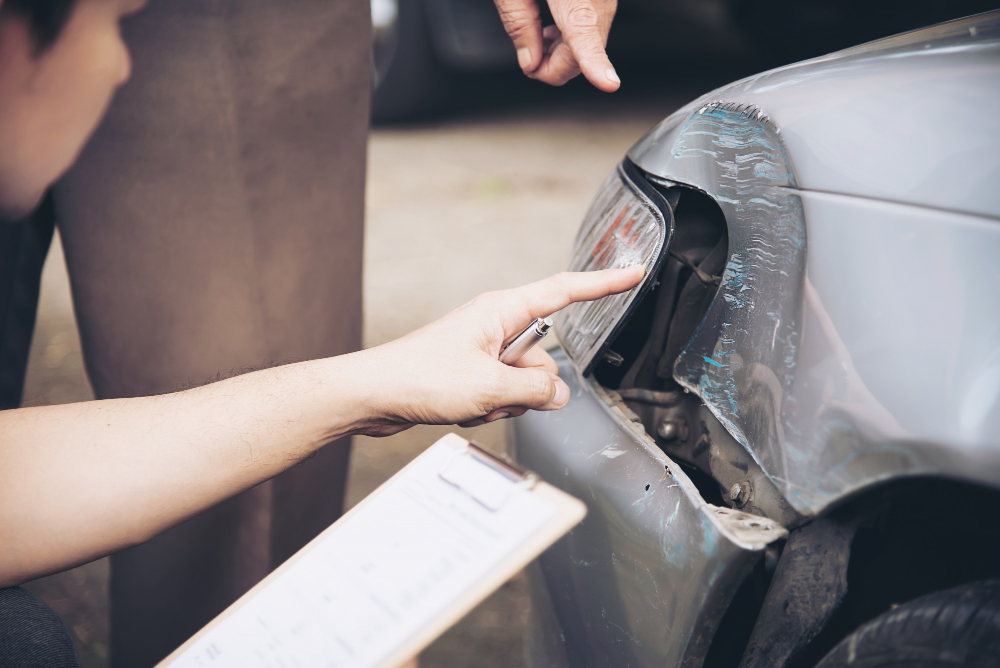
Collision coverage through Progressive pays to repair or replace your business vehicle when it collides with another vehicle or object — regardless of who caused the accident. This coverage applies whether your driver rear-ends another car at a red light, strikes a guardrail on a highway, or rolls a vehicle on a job site.
For businesses, vehicle downtime translates directly into lost revenue. A delivery business that loses a van to collision damage does not simply face a repair bill — it faces delayed deliveries, dissatisfied customers, and potentially lost contracts. Therefore, collision coverage represents not just a financial safety net but a business continuity tool.
Progressive allows businesses to choose their collision deductible, balancing premium cost against out-of-pocket exposure. Higher deductibles reduce monthly premiums, which makes sense for financially strong businesses comfortable absorbing minor repair costs. Lower deductibles provide more protection for smaller businesses where unexpected repair bills would create genuine cash flow problems. Additionally, Progressive’s commercial collision coverage extends to leased and financed vehicles, which lenders typically require as a condition of financing.
Does Progressive Protect Business Vehicles Against Non-Collision Damage?
Comprehensive coverage through Progressive addresses the wide range of vehicle damage scenarios that have nothing to do with collisions. Specifically, comprehensive covers losses from theft, vandalism, fire, hail, flooding, falling objects, hitting an animal, and other non-collision events.
Business vehicles face comprehensive risks that personal vehicles rarely encounter. A contractor’s work van parked overnight in an urban area faces a genuine theft risk — especially when it contains expensive tools and equipment visible through the windows. A landscaping company’s trucks park outdoors year-round, exposing them to hail storms, falling branches, and flooding. A transportation company operating in wildfire-prone regions faces fire damage risks that few personal vehicle owners consider.
Notably, comprehensive coverage does not protect the tools, equipment, or cargo inside a commercial vehicle. Those items require separate inland marine or commercial property coverage. However, comprehensive does cover aftermarket modifications and equipment permanently attached to the vehicle itself — such as custom bumpers, lift kits, or specialized storage systems installed on work trucks. Progressive makes this distinction clear during the quoting process, helping businesses identify coverage gaps before a loss occurs.
How Does Progressive Handle Accidents Caused by Uninsured Drivers?
Uninsured and underinsured motorist coverage addresses a problem that many business owners underestimate: a significant percentage of U.S. drivers operate vehicles without adequate insurance. According to the Insurance Research Council (IRC), approximately one in eight U.S. drivers was uninsured as of their most recent reporting period. When an uninsured driver causes an accident with one of your commercial vehicles, your business absorbs the loss without this coverage.
Progressive‘s uninsured motorist (UM) coverage pays for your driver’s medical expenses and, in some states, your vehicle damage when an uninsured driver causes the accident. Underinsured motorist (UIM) coverage activates when the at-fault driver carries insurance but their limits fall short of covering your total losses. Together, these coverages ensure your business does not pay out of pocket for another driver’s failure to carry adequate insurance.
State laws govern whether UM/UIM coverage is required, optional, or subject to specific minimum limits. Progressive navigates these state-by-state requirements automatically during the quoting process, ensuring policies meet local regulations. For businesses operating vehicles across multiple states, Progressive’s commercial policies apply the coverage requirements of each state where the vehicle operates — a critical detail that many smaller insurers handle inconsistently.
Does Progressive Cover Medical Costs for Commercial Vehicle Drivers?
Medical payments (MedPay) coverage through Progressive pays medical expenses for your driver and any passengers injured in an accident — regardless of fault. Personal Injury Protection (PIP), available in no-fault states, goes further by also covering lost wages and rehabilitation costs for injured occupants.
For businesses with employees driving commercial vehicles, MedPay and PIP provide a critical layer of protection that workers’ compensation sometimes does not fully address. Workers’ compensation typically covers on-the-job injuries, but the interaction between workers’ comp and auto insurance claims can create coverage gaps in certain states and circumstances. MedPay ensures immediate medical expense coverage activates without waiting for fault determination, which speeds up care for injured employees.
Furthermore, offering MedPay or PIP coverage signals to employees that their employer takes their safety seriously — a factor that contributes to driver retention in industries facing significant workforce challenges. Progressive includes these coverages where required by state law and offers them as optional enhancements in other states, giving businesses full control over their protection level.
What Is Hired and Non-Owned Auto Coverage, and Why Does It Matter?
Many businesses expose themselves to significant liability without realizing it: when an employee drives their personal vehicle on company business — making a bank deposit, attending a client meeting, picking up supplies — the business potentially bears liability for any accident that occurs. Progressive‘s Hired and Non-Owned Auto (HNOA) coverage addresses this gap directly.
Hired auto coverage protects rental vehicles your business leases for business purposes. Non-owned auto coverage extends liability protection to personally owned vehicles that employees use for work tasks. Critically, HNOA coverage does not pay to repair the employee’s personal vehicle — it covers liability claims that arise from accidents in those vehicles during business use.
Consider a real-world example: a sales representative drives their personal car to visit a client, runs a red light, and injures another driver. The injured party sues both the employee and the employer. Without HNOA coverage, the business faces that lawsuit with no insurance response. Progressive’s HNOA coverage steps in to defend and pay covered claims, protecting both the company and its employees from catastrophic personal liability exposure.
What Specialized Coverage Does Progressive Offer for Trucking and Freight Businesses?

Does Progressive Cover the Cargo That Commercial Trucks Transport?
Motor Truck Cargo insurance — sometimes called cargo insurance or freight insurance — covers the goods your truck transports against loss or damage during transit. Progressive offers this coverage specifically for owner-operators and trucking companies, protecting the financial interest of both the trucker and their shipper clients in the event of an accident, theft, or other covered loss.
Without cargo coverage, a trucker who loses a load of electronics worth $200,000 in a highway accident faces a claim from the shipper that their liability coverage may not fully address. Cargo insurance fills this critical gap. Progressive structures motor truck cargo coverage with limits that match the typical value of goods the trucker hauls, and businesses can adjust those limits as their freight profile changes.
It is equally important to understand what cargo insurance typically excludes. Standard policies often exclude damage from improper loading, certain perishable goods, and cargo that was already damaged before loading. Progressive’s commercial specialists walk trucking clients through these exclusions during the coverage design process, helping businesses add endorsements where needed to eliminate problematic gaps.
What Is Bobtail Coverage, and Who Needs It from Progressive?
Owner-operators who pull loads under a motor carrier’s authority face a unique coverage situation: their operating authority insurance (provided by the carrier) typically covers them only when they haul under that carrier’s dispatch. The moment an owner-operator drives the tractor without a trailer attached — known as “bobtailing” — or uses the truck for personal purposes between loads, the carrier’s insurance no longer applies. Progressive‘s Bobtail and Non-Trucking Liability coverage fills this gap.
Bobtail coverage protects the owner-operator when driving without a trailer, while non-trucking liability covers personal use of the truck between dispatch assignments. Together, these coverages ensure the driver maintains continuous liability protection — a requirement that both FMCSA regulations and most motor carrier contracts demand.
Progressive specifically built these coverage products for the owner-operator market, where independent truckers need affordable, flexible policies that complement rather than duplicate the carrier’s coverage. Many owner-operators underestimate their exposure during these “gap” periods, making bobtail coverage one of the most commonly overlooked — and most important — commercial trucking protections available.
How Does Progressive Manage Commercial Fleet Insurance for Larger Businesses?
Can Progressive Cover an Entire Business Fleet Under One Policy?
Managing insurance for multiple commercial vehicles as individual policies creates administrative complexity, coverage inconsistencies, and missed renewal dates. Progressive addresses this challenge with commercial fleet policies that cover all of a business’s vehicles under a single, unified policy structure.
Fleet policies simplify administration significantly. One renewal date, one premium payment, one claims contact, and one policy document covering every vehicle in the fleet. Furthermore, fleet policies typically allow businesses to add or remove vehicles throughout the policy period without restructuring the entire coverage arrangement — a practical advantage for growing businesses or those with seasonal equipment needs.
Progressive fleet policies also unlock volume-based pricing advantages. As fleet size grows, the law of large numbers works in the insurer’s favor, often allowing Progressive to offer more competitive rates than individual policies would generate. Additionally, businesses with strong safety records and low claims histories can earn additional premium reductions — an incentive that aligns Progressive’s interests with those of their commercial clients.
Does Progressive Offer Telematics for Commercial Fleets?
Progressive’s Snapshot ProView program brings telematics technology to commercial fleet management. By installing a small device in each fleet vehicle (or integrating with existing ELD systems), the program captures real-time data on driving behaviors including hard braking, rapid acceleration, nighttime driving, and miles traveled. Progressive uses this data both to assess risk more accurately and to reward safe-driving fleets with premium discounts.
Beyond the insurance pricing benefit, fleet telematics data gives business owners unprecedented visibility into how their drivers actually behave behind the wheel. Managers identify high-risk drivers before an accident occurs, enabling targeted coaching interventions that reduce accident rates. Many fleet managers report that telematics programs generate significant accident cost savings that dwarf the premium discounts alone.
| Telematics Data Point | Risk Indicator | Business Action |
| Hard braking events | Following too closely, distracted driving | Driver coaching, route review |
| Rapid acceleration | Aggressive driving style | Safety training, performance review |
| Late-night driving | Fatigue risk, higher accident rates | Schedule adjustment, rest policy review |
| High daily mileage | Driver fatigue, vehicle wear | Route optimization, driver rotation |
| Speeding frequency | Accident severity risk | Speed limiter policy, performance review |
Which Business Types Does Progressive Commercial Auto Insurance Serve?
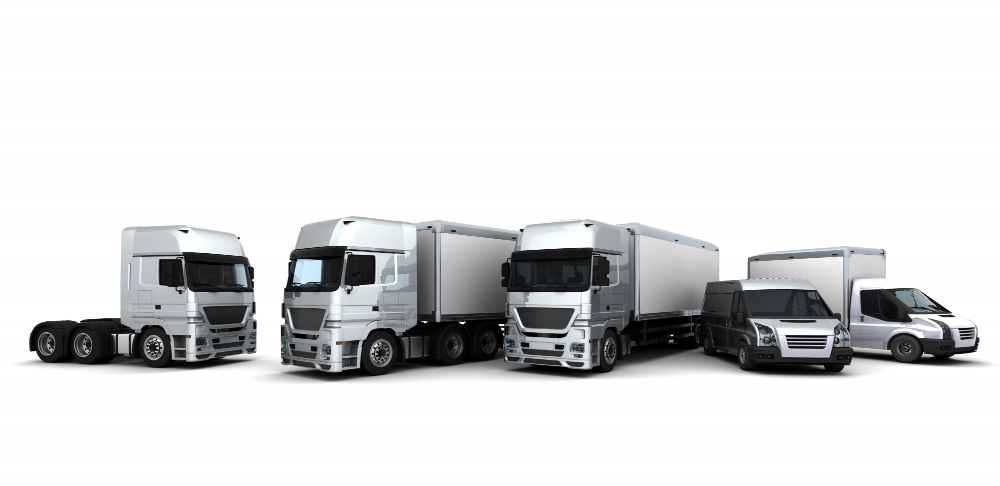
Progressive‘s commercial auto insurance serves an exceptionally wide range of industries and vehicle types. Unlike many insurers who focus narrowly on specific vehicle classes, Progressive writes commercial auto coverage across virtually every business sector that puts vehicles on the road.
| Business Type | Common Vehicles Covered | Key Coverage Needs |
| Trucking & Freight | Semi-trucks, flatbeds, tankers, reefer units | Primary liability, cargo, bobtail, physical damage |
| Contractors & Construction | Pickup trucks, work vans, dump trucks, cranes | Liability, collision, tools & equipment floater |
| Retail Delivery | Vans, box trucks, cargo vehicles | Liability, collision, motor truck cargo |
| Landscaping & Agriculture | Trucks, trailers, specialized equipment | Liability, comprehensive, hired auto |
| Food Service & Catering | Refrigerated vans, delivery trucks | Liability, cargo (temperature-sensitive goods) |
| Service Businesses | Cars, vans used by technicians, plumbers, electricians | Liability, hired & non-owned auto |
| Taxi, Rideshare & Limo | Sedans, SUVs, passenger vans | Commercial liability, hired auto |
| Auto Haulers | Car carrier trailers | Primary liability, cargo, physical damage |
This broad appetite for commercial risk makes Progressive a particularly practical choice for businesses with diverse or non-standard fleets. Where many insurers decline to quote specialty vehicles or mixed fleets, Progressive’s underwriting experience enables competitive pricing across a wider range of commercial vehicle risks.
What Does Progressive Commercial Auto Insurance NOT Cover?
Are There Important Exclusions Businesses Should Know About?
Understanding coverage exclusions matters just as much as understanding what a policy includes. Businesses that assume their commercial auto policy covers every possible vehicle-related risk often discover critical gaps only after a loss — the worst possible moment for that discovery.
Standard Progressive commercial auto policies generally do not cover the following scenarios:
- Tools, equipment, and personal property stored inside the vehicle (requires inland marine or commercial property coverage)
- Intentional damage or criminal acts committed by the insured
- Vehicle use outside the described business purpose in the policy
- Racing or competitive driving activities
- Wear and tear, mechanical breakdown, or gradual deterioration
- Nuclear, war, or government seizure events
- Pollution liability from commercial vehicles carrying hazardous materials (requires separate environmental liability coverage)
- Employee injuries covered under workers’ compensation law in most states
Additionally, personal use of a commercial vehicle by employees not listed on the policy may create coverage disputes during claims. Businesses benefit significantly from working with insurance specialists who review their policy terms carefully and identify these gaps before a loss makes them costly. This is precisely where expert guidance from a company like Solution for Guru proves invaluable.
What Conclusions Should Businesses Draw About Progressive Commercial Auto Insurance?
Commercial auto insurance represents one of the most consequential risk management decisions a business makes — and Progressive‘s position as the largest commercial auto insurer in the United States reflects the trust that hundreds of thousands of businesses place in their products. Their coverage portfolio addresses virtually every commercial vehicle risk scenario — from routine liability exposures to specialized trucking protections like bobtail liability and motor truck cargo coverage.
Furthermore, Progressive’s investment in technology — particularly their Snapshot ProView telematics program — demonstrates a commitment to helping businesses actively manage risk rather than simply transferring it. Businesses that engage seriously with Progressive’s fleet safety tools often generate accident cost reductions that significantly exceed their premium savings, making the relationship genuinely valuable beyond the basic insurance transaction.
Nevertheless, even the most comprehensive insurer’s standard policy will not perfectly match every business’s needs without expert guidance. Coverage limits, endorsements, exclusions, and policy structures require careful analysis by someone who understands both the insurance market and the specific operational realities of the business. This is why pairing Progressive‘s products with the advisory expertise of Solution for Guru represents the strongest approach for most commercial vehicle operators.
In summary, businesses that take commercial auto insurance seriously — investing time in understanding their coverage, working with knowledgeable advisors, and selecting a proven carrier — protect not only their vehicles but their entire enterprise. An uncovered accident can generate liability claims that threaten a business’s very existence. Adequate commercial auto insurance, properly structured with expert guidance, transforms that existential risk into a manageable business expense.
Frequently Asked Questions
Progressive calculates commercial auto premiums using a combination of factors that reflect both the vehicle’s risk profile and the business’s operating characteristics. Key rating factors include: the type and value of vehicles being insured, the driving records of all listed drivers, the primary geographic area where vehicles operate, annual mileage estimates, the industry and specific business use of the vehicles, prior claims history, selected coverage types and limits, and chosen deductibles. Additionally, businesses with multiple vehicles typically access fleet pricing advantages that reduce the per-vehicle cost compared to individual policies. Participation in the Snapshot ProView telematics program can generate further discounts for businesses that demonstrate strong driving safety metrics.
Yes — Progressive commercial auto policies cover employees driving company-owned vehicles for business purposes, provided the policy lists those employees (or defines a class of eligible drivers) and the use falls within the described business purpose. However, businesses must ensure they list all regular drivers on the policy, as undisclosed drivers can create coverage complications during claims. Progressive also offers Hired and Non-Owned Auto coverage for situations where employees use personal or rented vehicles for business tasks — a coverage that many businesses overlook until they face a claim involving an employee’s personal vehicle.
Why Should Businesses Work with Solution for Guru for Commercial Insurance Guidance?
Selecting the right commercial auto insurance coverage is not a simple task. Policy terms, coverage limits, endorsements, exclusions, and state-specific regulations interact in complex ways that non-specialists frequently misinterpret. This complexity is exactly why working with an experienced insurance advisory and consulting partner like Solution for Guru delivers such meaningful business value.
Solution for Guru brings specialized expertise in commercial insurance analysis, helping businesses understand their true risk exposure, evaluate policy options across multiple carriers, and structure coverage that protects them comprehensively — without overpaying for coverages they do not need. Their team works as a strategic advisor rather than simply a policy seller, aligning coverage recommendations with each client’s specific operations, vehicle types, and risk tolerance.
What Specific Benefits Does Partnering with Solution for Guru Provide?
- Coverage Gap Analysis: Solution for Guru conducts thorough reviews of existing commercial auto coverage to identify dangerous gaps before they result in uncovered claims.
- Multi-Carrier Comparison: Rather than defaulting to a single insurer, Solution for Guru compares options across multiple carriers — including Progressive — to secure the best combination of price, coverage breadth, and claims service.
- Policy Optimization: They structure deductibles, limits, and endorsements strategically, ensuring each dollar of premium delivers maximum protection aligned with the business’s actual risk profile.
- Regulatory Compliance Support: Solution for Guru helps businesses navigate federal FMCSA requirements, state-specific regulations, and contractual insurance obligations from clients and lenders.
- Claims Advocacy: When a claim occurs, Solution for Guru advocates on the business’s behalf, ensuring the claims process moves efficiently and the settlement reflects the full scope of covered losses.
- Fleet Program Design: For businesses managing multiple vehicles, Solution for Guru designs fleet insurance programs that consolidate coverage intelligently and leverage volume for premium savings.
- Ongoing Policy Review: As the business grows, acquires new vehicles, or enters new markets, Solution for Guru proactively updates coverage to match — preventing the common problem of businesses outgrowing their insurance protection.
Ultimately, the cost of working with a knowledgeable advisor like Solution for Guru is almost always offset by the savings they generate and the losses they help prevent. Businesses that try to navigate commercial insurance alone often discover — too late — that their coverage contained gaps that a specialist would have caught immediately. Learn more about their services at solution4guru.com.
Recommended
- AI in Commercial Auto Insurance: Smarter Risk Assessment
- Understanding biBERK’s Claims Process for Commercial Auto Insurance
- When Is Progressive More Expensive Than Regional Commercial Auto Insurers?
- Top Progressive Discounts Small Business Owners Should Know About
- 24/7 Policy Management: How Progressive Supports Busy Business Owners
- Is biBERK a Good Choice for Small Business Owners?
- Checklist: Documents Needed for Commercial Auto Insurance
- How Food Truck Owners Can Benefit from Commercial Auto Insurance
- Commercial vs. Personal Auto Insurance: What’s the Difference?
- biBERK vs Progressive Commercial Auto Insurance: Which Is Better?
- Digital Transformation in Commercial Auto Insurance: What’s Next for Businesses?
- Insurance Needs for Contractors with Company Vehicles: What Do You Really Need?
- Commercial Auto Insurance for Delivery Businesses: Why biBERK Is a Strong Option
- What It’s Like to Work in Commercial Auto Insurance (And How to Start)