
How Deel Supports Employees Working Across Borders

A developer in Lisbon, a designer in São Paulo, and a sales lead in Singapore may all report to the same manager. For the manager, that is a staffing win. For the employees, it raises practical questions. Who signs the contract? Who pays tax? Which benefits apply, and who answers a payslip question at 9 a.m. local time?
This guide explains how Deel supports employees working across borders, from the first job application to payday, relocation, and offboarding. It covers the employer-of-record model, pay and benefits, visas, contractors, compliance, costs, and limitations. It is written for business owners, HR leaders, administrators, technical staff, and employees.
Table of contents
What Does This Guide Cover?
Here is a summary of what follows.
- The topic: how one platform handles employment, pay, benefits, and immigration for people who work in a country different from the company’s home base.
- The entry point: the Deel Applicant Tracking System, which starts the cross-border journey at hiring.
- The core service: Deel’s employer of record (EOR), which employs people legally where your company has no entity.
- The extras: payroll, benefits, time off, expenses, mobility and visa support, plus options for contractors.
- The caveats: country counts differ across Deel pages, prices vary by country, and some features depend on the employee’s location.
How Does the Deel Applicant Tracking System Relate to Cross-Border Work?

Cross-border employment starts before the contract. It starts when a company decides to hire someone abroad and has to find that person. Therefore, the hiring tool shapes everything that follows.
Why Does the Hiring Stage Matter for Cross-Border Employees?
The Deel Applicant Tracking System is Deel’s recruiting module. According to Deel’s ATS page, approved roles from workforce planning become job requisitions, and candidate data flows through to onboarding with no re-entry. Once a candidate accepts, that data becomes a worker record.
This matters for employees abroad because errors at the offer stage travel downstream. A wrong country, salary currency, or start date can delay a contract or payroll. A connected record lowers the chance that someone retypes those details.
How Does the ATS Choose an Employment Model?
Deel’s ATS landing page describes a team hiring in the UK, Brazil, and Singapore at once. It says the ATS automatically routes each hire to the right compliance workflow, such as EOR, contractor, or local payroll. The ATS page also states that it is available to customers with Deel’s HRIS as a required foundation.
An employee in a country without your legal entity would normally become an EOR hire. A freelancer would become a contractor. Confirm in a demo exactly how the routing decision is made and who approves it, because the choice carries legal consequences.
What Challenges Do Employees Working Across Borders Face?

Companies often focus on their own risks. Employees face different concerns, and a good cross-border setup addresses both.
What Do Employees Need From Their Employer?
A person working abroad for a foreign company typically needs the following:
- A lawful contract: a written agreement that follows the local labor rules where they live.
- Reliable pay: a salary in a currency they can use, with correct tax withholding.
- Statutory benefits: health, pension, social security, and leave according to local law.
- Self-service access: payslips, time-off requests and expense claims without emailing a foreign HR team.
- Support in their time zone: a person to ask when something goes wrong.
- Immigration clarity: a valid right to work if they relocate.
These needs come from common HR practice, not from a single source. They provide a useful checklist for judging any platform.
What Do Employers Struggle With?
Employers usually face the mirror image. They must understand foreign labor law, withhold the correct taxes, offer compliant benefits, and handle terminations properly. Setting up a local entity is the traditional answer, but Deel’s EOR materials describe it as slow and costly. As a result, many companies look for an intermediary that carries the local legal role while they manage the work.
How Does Deel’s EOR Employ People in Another Country?
An employer of record is a company that becomes the legal employer of a worker in a country on your behalf. Deel’s EOR page describes it as hiring and paying employees globally without requiring an entity.
What Does the Employer of Record Actually Do?
According to Deel, the EOR employs the person under a local contract and handles payroll, taxes, benefits, and compliance, while you direct the day-to-day work. The page’s FAQ explains that the employee is technically on Deel’s payroll but still works for your company like any other employee. Deel’s developer documentation makes a similar statement, adding that contracts, amendments, and terminations follow local laws.
Deel also lists related services on its pages, including background checks, equity administration,n and work visa support. These vary by country, so confirm what applies where your hire will live.
Who Is Responsible for What?
The division of tasks matters because “no entity required” does not mean “no involvement.” The table below summarizes the split based on Deel’s descriptions.
| Task | Typically handled by Deel (EOR) | Typically handled by you |
|---|---|---|
| Local employment contract | Yes | Provide role and terms |
| Payroll and tax filings | Yes | Approve pay details |
| Statutory benefits administration | Yes | Choose optional extras |
| Day-to-day work and tasks | No | Yes |
| Performance management | No | Yes |
| Setting salary | No | Yes |
| Termination process | Manages legal steps | Decide and request |
Deel’s EOR page says you keep control of salaries, daily tasks, KSs,s and performance, while the EOR takes on legal responsibilities. That split is typical of EOR arrangements, but ask your legal adviser how it applies to your situation.
How Does Onboarding Feel for the Employee?
Deel’s EOR FAQ says an employee can be onboarded in as little as one day. The employee receives an email invitation, creates an account, provides personal and bank details and documents, and signs the employment contract. A dedicated onboarding manager helps with questions.
Separate Deel’s EOR landing page advertises a first global hire in 2–5 days. These are vendor claims, and real timelines depend on the country, role, and paperwork. For an employee, the more useful question is whether the process is clear and in a language they understand.
How Does Deel Handle Pay, Benefits and Everyday Employee Services?
Employees judge a platform by what happens after the contract: Is the pay right? Can I find my payslip? Who do I ask about leave? This is where the experience becomes concrete.
How Does Payroll Work for Employees Abroad?
Deel says it owns entities and a payroll engine in 130+ countries, so onboarding and payday are on time. Its pricing page states that EOR includes managed payroll, tax filing,s and reporting. For contractors, it lists payments in 120+ currencies.
For employees, the practical result is local payroll handled in line with local rules, with pay delivered in the local currency. Ask Deel how it handles currency conversion for your employer-side invoices and whether it applies fees to employee payouts.
What Benefits Do Employees Receive?
Benefits are a major reason people choose an employer abroad. According to Deel’s EOR FAQ, each country sets mandatory benefits, ranging from health and unemployment to insurance and social security, and Deel ensures employees receive the required localized benefits plus any optional ones the employer adds. Its pricing page lists healthcare, dental, vision, mental health, fertility, ty and 401(k) among benefits for global and US employees.
An independent profile, Workology’s marketplace, lists localized benefits and payroll in many countries as a strength. It also notes a learning curve for global payroll, which is a fair warning for HR teams new to multi-country administration.
Can Employees Manage Time Off, Expenses and Deel’s
Deel’s EOR page says it offers self-serve payslips, time off, and expenses from day one. On equitpage’s page’s FAQ states that granting equity is possible but depends on the country, and it gives the United States as an example where non-qualified stock options apply. Because the employee’s legal employer is the EOR, equity plans need careful planning with tax and legal advisers.
Deel also lists equipment shipping among EOR use cases on the same page, and its AI information page mentions device provisioning. If your employees abroad need laptops, ask how shipping, customs, and returns work in their country.
How Does Deel Support Employees Who Relocate or Need a Visa?

Some employees do not just work remotely. They move. Relocation adds immigration, which is a separate legal field from employment.
What Does Deel Mobility Do
Deel’s mobility pages describe support for work permits, visas,s and relocation. A Deel Mobility page states that it supports work permits in 75 countries across 200+ visa types and business visas in 102 countries, with 40+ immigration specialists, including licensed attorneys, in 34 languages. Other Deel pages use slightly different figures, such as 100+ countries, so verify the exact coverage for your destination.
A Deel people-teams page lists pre-hire eligibility checks, work authorization verification, EOR-sponsored work permits, employer-sponsored work permits, relocation services, renewals, offboarding, and policy consulting.
How Does Visa Sponsorship Work Through an EOR?
Deel states that its EOR visa sponsorship is built into the platform: Deel hires the employee through its local entity, sponsors the visa, and manages it over time. A Deel blog post adds that the service originally supported EOR-sponsored visas only, and that customerDeel’sg Deel’s HRIS or payroll can now manage relocations across their own entities.
Deel Mobility can also act as a system of record first. According to its mobility page, you can centralize tracking while continuing to work with your existing immigration providers. This helps companies that already have immigration counsel.
What Should You Check About Visas?
Be careful with prDeel. Deel’s own immigration page says costs and processing times vary by visa type and points readers to country guides. A visa decision always rests with the government, not the vendor. In an ad, Deel’s blog notes that right-to-work checks and immigration case management are separate requirements, so companies need both.
For employees, the human side matters: dependents, housing, and arrival support. Deel mentions a relocation partnership in its blog. Ask exactly what is included for family members before you commit to a relocation package.
What About Contractors and Employees Already Under Your Own Entities?
Not everyone who works across borders is an EOR employee. Companies often mix several worker types. Therefore, the platform’s ability to handle all of them matters.
How Does Deel Treat Contractors?
Contractors are self-employed, not Deel employees. Deel’s pricing page lists a contractor option starting at $49 per contractor per month and a Contractor of Record option starting at $325 per contractor per month, where Deel shifts classification liability. It also describes payments in 120+ currencies, automated invoicing,g and worker classification compliance.
Classification is a legal issue. Calling a worker a contractor does not change the legal reality if the relationship looks like employment. Get legal advice before deciding which model fits.
What If You Already Have Entities in Some Countries?
If your company has its own entity in a country, you may run payroll directly instead of using an EOR. Deel offers global payroll for that case, according to its solution list, and its HRIS supports teams under several arrangements. A third-party review on Dupple says the product surface is wide, covering EOR, contractors, payroll, HRIS, ATS, immigration, benefits and IT from one vendor.
A mixed setup is common. For example, a company could employ staff in Germany through its own entity, hire in Brazil through an EOR, and engage a designer in Portugal as a contractor. A single platform can then show all three groups in one place.
How Does Deel Keep Cross-Border Employment Compliant?
Compliance is the main reason companies use an EOR. It is also the area where buyers should ask the most questions.
What Compliance Support Does Deel Offer?
Deel’s EOR page says it monitors and flags regulatory changes, covers the entire employee lifecycle, and gives access to 200+ legal experts specialized in employment regulations, statutory benefits, and tax laws by country. Another Deel page cites 2,000+ in-house legal, HR, and equity experts, which may count a broader team. Treat both as vendor figures.
The EOR page also says Deel offers 24/7 support across continents in your language and time zone for employees with payslip questions; that support matters as much as the legal framework.
What Security and Privacy Controls Apply?
Deel’s ATS page states that Deel is ISO 27001- and ISO 42001-certified, SOC 2 audited, and designed to support GDPR requirements. It lists custom permissions, role-based approvals, and data retention settings. Because cross-border teams involve personal data moving between countries, ask where employee data is stored and how Deel handles data transfers.
Retain responsibility for your own policies. A vendor can support compliance, but your company still decides what data to collect and who may see it.
What Does an End-to-End Cross-Border Journey Look Like?
A short illustration shows how the pieces fit. This example is hypothetical, not a Deel customer story.
How Might One Hire Move Through the Platform?
Imagine a UK company that wants to hire a product designer in Brazil. The steps could look like this:
- Approve the role. Workforce planning creates a requisition that flows into the ATS.
- Post and screen. The recruiter posts the role and reviews candidates; AI screening is optional, but Deel requires human review.
- Extend an offer. The hiring manager selects an employment model, here an EOR hire, because the company has no Brazilian entity.
- Onboard. The candidate receives an invitation, signs the contract, and adds bank details.
- Run payroll. Deel processes local payroll and benefits.
- Support the employee. The designer uses self-service for payslips, time off,f and expenses.
- Handle change. If the designer later relocates, Deel Mobility could manage the visa process.
The value lies in fewer handoffs. Each step uses data from the previous one. However, test every step in a demo in your countries, because rules differ.
What Does It Cost to Support Employees Abroad Through Deel?

Cost drives many decisions. Because Deel prices by worker type, the total depends on your mix. Always check the current pricing page and request a written quote.
What Do the Official Prices Show?
The table below summarizes the starting prices listed on Deel’s pricing page. These are “starting at” figures, and the page notes different services, so actual costs depend on your country and needs.
| Offering | Starting price listed | Typical use |
|---|---|---|
| Find talent (hiring) | $14 per worker per month | Source, screen and onboard candidates |
| Contractor management | $49 per contractor per month | Hire and pay contractors |
| Contractor of Record | $325 per contractor per month | Contractors with liability shifted to Deel |
| US PEO | $125 per employee per month | Co-employment for US employees |
| EOR | $599 per employee per month | Employ people abroad without an entity |
What Else Should You Confirm?
Ask Deel how EOR pricing varies by country, since a third-party price review says it varies. Also ask what the fee includes, such as benefits, equity administration, visa support, or equipment shipping. Check contract length. Deel’s pricing FAQ says it offers month-to-month pricing with no long-term commitment, but confirm this in your order form.
Deel’s FAQ says its HRIS is a foundation. Therefore, include HRIS costs when you compare options.
What Limitations Should Companies Consider?
A balanced assessment includes the model’s weaknesses. These points come from Deel’s own materials and from independent expert judgment.
Why Do Country Numbers Differ?
Deel pages cite different country counts: 100+, 130+, and 150+, depending on the page and service; the page’s metadata says EOR in 100+ countries, while its body text says 130+ and compliance in 150+. The figures may describe different services or dates. Therefore, ask Deel to confirm in writing that your specific country is supported for your specific use, whether EOR, payroll, or visas.
What Are the Structural Limits of an EOR?
An EOR solves legal employment, but it does not erase every cross-border issue. Employees still contract with the EOR, which affects how equity, intellectual property, and employment terms work. Deel’s FAQ says IP passes through to the customer under its contract clauses, and that equity depends on the country. For tax questions about your company’s presence abroad, consult a qualified adviser.
Also consider exit. If you later open a local entity, you may transfer employees from the EOR. Ask Deel how that transition works and what notice and cost it involves.
How Should a Company Roll Out Cross-Border Support With Deel?
A structured rollout reduces surprises. The sequence below is a recommended approach, not an official Deel process.
- List your countries and worker types. Note where you need EOR, contractors, payroll, or visas.
- Confirm coverage in writing. Ask Deel to verify each country and service.
- Map your hiring workflow. Define how the ATS routes candidates to an employment model.
- Request a full quote. Include HRIS, EOR, benefits, visas, and any add-ons.
- Pilot with one hire. Choose a country with moderate complexity and follow the hire from offer to first payslip.
- Gather employee feedback. Ask the new hire about onboarding, pay clarity,y and support.
- Document policies. Write short guides for managers on what Deel handles and what they handle.
- Review legal and tax advice. Check your arrangements with qualified advisers in each country.
What Should Companies and Employees Take Away?
Deel supports employees working across borders by combining several services in one platform. The Deel Applicant Tracking System starts the journey with a connected hiring record. The EOR then provides local legal employment, payroll, benefits, and compliance. Self-service tools and support handle everyday needs, and Deel Mobility addresses visas and relocation.
For companies, the benefit is speed and fewer handoffs. For employees, the benefit is a lawful contract, local pay and benefits, and a clear place to ask questions. On the other hand, country counts differ across pages, prices vary by country, and many details depend on where the employee lives. Most claims come from Deel itself, so independent verification matters.
A sensible next step is a pilot. Choose one hire, one country, and one employment model, and follow the full journey. If the experience is clear for both the manager and the employee, you have strong evidence for a wider rollout. If gaps appear, you will know exactly which questions to ask before expanding.
Frequently Asked Questions
Deel becomes the legal employer in the employee’s country, signs the local employment contract, and handles payroll, taxes, benefits, and compliance. Your company directs the day-to-day work, sets the salary and manages performance, accordiDeel’sDeel’s EOR page. Ask your legal adviser how this applies to your situation.
Deel’s pricing page lists EOR starting at $599 per employee per month. A third-party review says the price varies by country. Request a written quote that states what is included, such as benefits, equity administration, visa support, and equipment shipping.
Yes. Deel Mobility describes support for work permits, visas, relocation, renewals, and right-to-work checks, including EOR-sponsored visas. Coverage figures differ across Deel pages, and costs and timelines vary by visa type. Confirm your destination country and visa category with Deel before you promise anything to the employee.
Yes. Deel lists contractor management from $49 per contractor per month and a Contractor of Record option from $325 per month. Worker classification is a legal question, so seek advice before choosing between contractor and employee models.
According to Deel’s ATS page, the ATS is available to all customers. Deel’s HRIS is a required foundation; you don’t need to buy every module, but you do need the HR system. Confirm the exact package and price with Deel.
What Are the Benefits of Working With Solution For Guru?
Choosing a cross-border employment platform is only part of the job. Teams also need clear policies, realistic timelines, and onboarding guides that employees in different countries can follow. Solution4Guru provides practical technology guidance to help you evaluate and adopt global HR tools with fewer surprises.
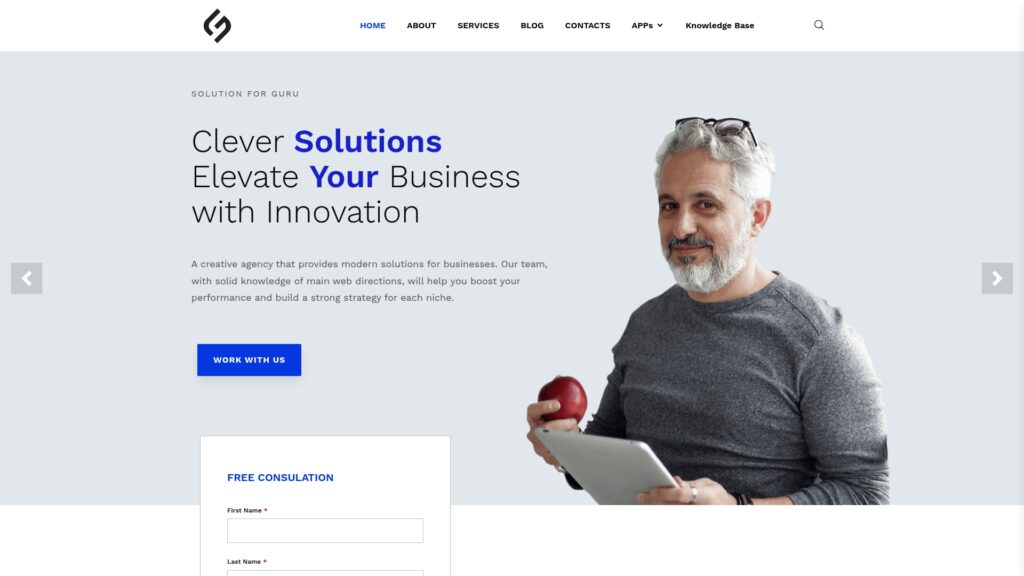
Working with Solution for Guru can help you in several ways:
- Requirements clarity: map your countries, worker types, and compliance needs before you talk to vendors.
- Platform comparison: compare Deel with other EOR and global payroll options using criteria such as coverage, costs,t and employee experience.
- Pilot planning: design a test hire that follows the full journey from offer to first payslip.
- Policy and documentation: draft plain-language guides for managers and employees on what the platform handles.
- Change management: prepare HR, finance,ce and hiring managers for new cross-border workflows.
Recommended:
- How Deel Supports the Recruitment Process
- How Recruiters Use Deel to Manage Global Hiring
- Deel for Small Businesses: Features, Benefits, and Limitations
- Who Uses Deel? A Guide to Its Main Users and Teams
- What Is Workable? A Complete Guide to the Applicant Tracking System
- Deel Pricing Explained: Plans, Costs, and Features
- What Is Deel? A Complete Guide to the Global Hiring Platform