How Progressive Handles Dual-Use Vehicles for Business and Personal Driving
Millions of Americans use the same vehicle for commuting to work, running personal errands, and conducting business activities — whether that means delivering products, visiting clients, or hauling equipment between job sites. This dual-use reality creates one of the most common and consequential coverage gaps in auto insurance: the assumption that a standard personal auto policy covers every mile, regardless of why you’re driving.
It doesn’t. And the financial consequences of discovering that gap after an accident can be severe.
Understanding how your insurer classifies vehicle use — and how that classification affects your coverage — protects you from claims denials that leave you personally liable for damages, medical bills, and legal costs that your policy was never designed to cover.
Table of contents
Quick Summary
Progressive – Auto Insurance US is one of the largest auto insurers in the United States and offers a range of coverage options specifically designed to address the dual-use vehicle challenge. Progressive distinguishes between personal use, commuter use, and business use — and provides commercial auto policies, named non-owner coverage, and rideshare endorsements to fill the gaps that personal policies leave open. This article explains exactly how Progressive classifies vehicle use, what coverage applies in each scenario, how to avoid the most dangerous coverage gaps, and how partnering with Solution for Guru helps you navigate the policy selection and claims process with confidence.
What Is a Dual-Use Vehicle and Why Does It Create Insurance Complexity?
A dual-use vehicle is any vehicle the owner or operator uses for both personal activities and business purposes. The concept sounds simple, but insurance companies draw precise distinctions that most policyholders never read until a claim is denied.
How Do Insurers Define Personal Use Versus Business Use?
The line between personal and business driving isn’t where most people expect it:
| Use Category | Definition | Typical Examples |
|---|---|---|
| Personal / Pleasure | Driving unrelated to work or income generation | Weekend trips, grocery runs, family travel |
| Commuting | Driving between home and a fixed place of employment | Daily drive to an office, factory, or job site |
| Business Use | Driving in connection with work activities beyond commuting | Client visits, deliveries, transporting tools or products, driving between job sites |
| Commercial Use | Using a vehicle as a primary business instrument | Delivery drivers, rideshare drivers, truckers, mobile service providers |
Progressive — like most major insurers — asks about vehicle use when you apply for coverage. The classification you provide determines which policy type applies and, critically, which claims the policy covers when an accident occurs.
Why Does the Dual-Use Classification Matter So Much?
A personal auto policy covers personal driving. When an accident occurs during business use — even a single business errand — insurers have grounds to deny the claim on the basis that the vehicle was operating outside the policy’s intended scope at the time of the loss.
This isn’t a technicality that only affects rare edge cases. According to the Insurance Information Institute, business use exclusions represent one of the most frequently cited reasons for personal auto claim denials affecting self-employed workers, gig economy drivers, and small business owners who assume their personal policy covers everything.
Progressive – Auto Insurance US addresses this reality directly through a structured set of coverage options that match different dual-use scenarios — but accessing the right coverage requires understanding which category your driving falls into before you need to file a claim.
How Does Progressive Classify Vehicle Use on Personal Auto Policies?

When you obtain a quote or purchase a policy from Progressive – Auto Insurance US, the application asks about your primary vehicle use. This selection shapes your premium and your coverage simultaneously.
What Are Progressive’s Standard Vehicle Use Categories?
Progressive’s personal auto policy application typically presents three primary use classifications:
Pleasure Use The vehicle serves primarily for personal, non-work driving. Commuting to a workplace is generally included under pleasure use in many states, but the policy excludes driving performed in connection with your employment or business activities.
Business Use The vehicle regularly serves work-related driving beyond commuting — visiting clients, driving between work locations, transporting business materials, or making deliveries. Progressive’s personal auto policy can include a business use endorsement in some cases, but high-frequency business use typically requires a commercial policy.
Farm or Ranch Use A specialized category for vehicles used primarily on farm or agricultural operations, which carries its own coverage considerations distinct from commercial vehicle use.
What Does Progressive’s Personal Auto Policy Cover for Commuters?
Commuting — driving between your home and a single, fixed workplace — falls within Progressive’s personal auto policy coverage. Most policyholders correctly understand this. The coverage gap opens when driving extends beyond that commute into activities connected to your work.
For example: driving from home to your office is commuting and is covered. Driving from your office to a client meeting, then to a supply store to pick up materials, and then home is business use — and a personal auto policy without a business use endorsement may not cover an accident that occurs during those intermediate stops.
Progressive – Auto Insurance US is clear in its policy language about these distinctions, which makes it essential to accurately represent your actual driving patterns when purchasing coverage rather than defaulting to the classification that produces the lowest premium.
What Coverage Options Does Progressive Offer for Dual-Use Vehicles?
Progressive – Auto Insurance US provides multiple pathways to cover vehicles that serve both personal and business purposes. The right solution depends on how frequently you drive for business, what activities that business driving involves, and what type of vehicle you operate.
Does Progressive Offer Business Use Endorsements on Personal Policies?
In select circumstances, Progressive allows policyholders to add a business use classification to a personal auto policy. This endorsement acknowledges that the vehicle serves both personal and business purposes and adjusts the policy terms accordingly.
However, this option has meaningful limits:
- It typically applies to incidental or occasional business use rather than primary business operations
- It generally doesn’t cover vehicles used for hire, ridesharing, or package delivery
- It may not cover accidents that occur while transporting business property or clients
- Premiums increase to reflect the expanded use
For drivers who occasionally visit clients or drive between company locations but primarily use the vehicle personally, this endorsement can bridge the coverage gap without requiring a full commercial policy. For drivers who spend a significant portion of their mileage on business activities, a commercial auto policy provides more appropriate and more complete protection.
When Does Progressive Require a Commercial Auto Policy for Dual-Use Vehicles?
Progressive – Auto Insurance US offers commercial auto insurance for vehicles used primarily or substantially for business purposes. A commercial policy becomes necessary when:
| Trigger | Why a Commercial Policy Is Required |
|---|---|
| Vehicle primarily used for business | Personal policy coverage scope is exceeded by primary use |
| Regular client or customer transport | Liability exposure exceeds personal policy limits |
| Delivery or courier services | Delivery exclusions in personal policies create coverage gaps |
| Equipment or tools transport for income | Business property exclusions apply |
| Multiple drivers using the vehicle for business | Named driver restrictions on personal policies don’t accommodate business fleets |
| Vehicle titled to a business entity | Personal auto policies typically require individual ownership |
Progressive’s commercial auto policies provide liability, collision, comprehensive, medical payments, and uninsured motorist coverage — the same core coverage types as personal policies — but with terms, limits, and classifications designed for business vehicle operations.
What Commercial Auto Coverage Does Progressive Provide?
Progressive is one of the largest commercial auto insurers in the United States according to data from the National Association of Insurance Commissioners (NAIC). Their commercial auto offerings cover:
- Liability coverage — bodily injury and property damage liability for accidents caused by your business vehicle, with limits appropriate for commercial risk exposure
- Physical damage coverage — collision and comprehensive coverage for the vehicle itself
- Hired and non-owned auto coverage — coverage for vehicles your business rents, borrows, or employees drive for business purposes using personal vehicles
- Motor carrier coverage — specialized coverage for freight transport and logistics operations
- General contractor coverage — coverage designed for construction and trade vehicles
- Contractor equipment coverage — coverage for tools and equipment transported in business vehicles
The commercial policy’s broader scope addresses the gaps that personal policies leave open for business driving — and Progressive’s scale as a commercial insurer means it covers a wide range of business vehicle types and industries.
How Does Progressive Handle Rideshare and Gig Economy Driving?
The gig economy has created a massive population of dual-use vehicle operators — Uber and Lyft drivers, DoorDash and Instacart couriers, Amazon Flex delivery drivers — who use personal vehicles for income-generating work that personal auto policies explicitly exclude.
What Is the Rideshare Coverage Gap and How Does Progressive Address It?
Rideshare platforms like Uber and Lyft provide some coverage through their own commercial policies, but that coverage only activates at specific points in the driving process. This creates a well-documented gap:
| Rideshare Phase | Platform Coverage | Personal Policy Coverage |
|---|---|---|
| App off, personal driving | None | Covered by personal policy |
| App on, waiting for ride request | Limited liability only | Typically excluded by personal policy |
| Ride accepted, en route to pickup | Platform commercial policy active | Personal policy typically excludes |
| Passenger in vehicle | Platform commercial policy active | Personal policy excludes |
Progressive – Auto Insurance US offers a rideshare endorsement — available in most states — that fills the gap period when the app is on but no ride has been accepted. This endorsement extends your personal Progressive policy to cover the window that platform policies leave unprotected, creating continuous coverage across every phase of rideshare driving.
Does Progressive Cover Delivery Driving for Gig Platforms?
Delivery driving — including food delivery for DoorDash, Grubhub, and Uber Eats, and package delivery for Amazon Flex — generally falls outside the scope of both personal auto policies and rideshare endorsements. Delivery platforms provide their own commercial coverage during active deliveries, but the same gap periods that affect rideshare drivers affect delivery drivers as well.
Progressive addresses delivery driving through its commercial auto policies rather than personal policy endorsements. Drivers who earn a significant portion of their income from delivery services should obtain commercial coverage that explicitly covers delivery operations — because a personal policy denial following an accident during a delivery shift can leave thousands of dollars in vehicle damage and liability exposure uncovered.
How Does Progressive Handle Accidents During Business Driving?

Understanding what happens when an accident occurs during business driving clarifies why correct coverage classification matters before the accident — not after.
What Happens When You File a Claim for a Business-Use Accident Under a Personal Policy?
When Progressive – Auto Insurance US receives a claim, the claims investigation process examines the circumstances of the accident — including what the driver was doing at the time of the loss. If the investigation reveals business use at the time of an accident covered only by a personal policy, Progressive has grounds under the policy terms to:
- Deny the claim partially or entirely based on the business use exclusion
- Rescind the policy if misrepresentation of vehicle use is discovered
- Limit reimbursement to amounts that would have applied under the correct policy type
None of these outcomes benefit the policyholder — and all of them are avoidable by obtaining appropriate coverage before driving for business purposes.
How Does Progressive Investigate Dual-Use Vehicle Claims?
Progressive’s claims process for dual-use situations typically examines:
- GPS and telematics data — if the vehicle is enrolled in Progressive’s Snapshot program, driving data may indicate patterns inconsistent with declared personal use
- Employer or client records — documentation of work activities at the time of the accident
- Social media and digital records — evidence of business activities or commercial operations
- Witness statements — accounts of the driver’s stated purpose at the time of the accident
- Vehicle contents — business equipment, delivery packages, or commercial materials present at the accident scene
This investigation process isn’t designed to catch policyholders in bad faith — it’s the standard claims verification process. However, it demonstrates that the distinction between personal and business use isn’t simply a matter of declaration; it’s a factual determination that Progressive’s claims team makes based on available evidence.
How Does Progressive’s Snapshot Program Affect Dual-Use Vehicle Policyholders?
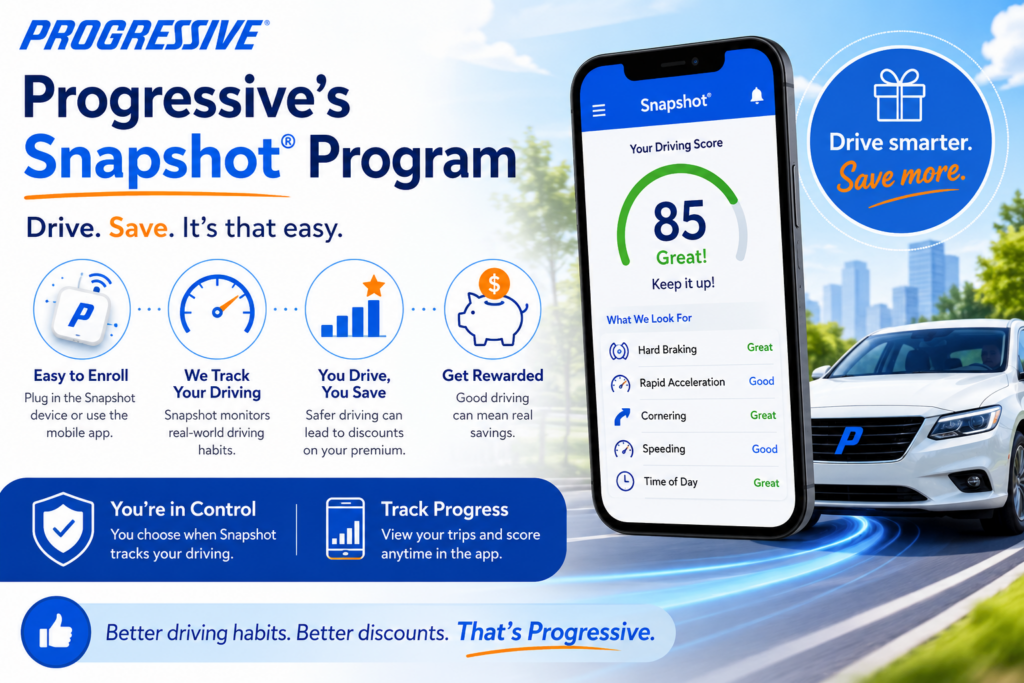
Progressive’s Snapshot program — a usage-based insurance program that monitors driving behavior through a mobile app or plug-in device — offers premium discounts based on safe driving habits. However, for dual-use vehicle operators, Snapshot introduces additional considerations.
How Does Snapshot Collect and Use Driving Data?
The Snapshot program monitors:
- Miles driven
- Time of day driving occurs
- Hard braking frequency
- Phone use while driving (app-based monitoring)
- Rapid acceleration patterns
For dual-use drivers, Snapshot data may reveal driving patterns — high mileage, frequent stops, consistent driving during business hours — that don’t align with declared personal-use coverage. While Progressive uses Snapshot data primarily for premium pricing rather than claims investigation, policyholders with significant business driving should understand that telematics data creates a factual record of actual vehicle use.
Should Dual-Use Vehicle Operators Enroll in Snapshot?
Progressive – Auto Insurance US designs Snapshot for personal vehicle operators, and the program offers genuine premium savings for safe personal drivers. However, dual-use operators who have correctly classified their business driving under a commercial policy can still benefit from Snapshot on any personal vehicles they operate separately. The key is ensuring that business-use vehicles carry commercial coverage — and that the distinction between personal and business vehicles is clear and consistent in your insurance portfolio.
What Are the Key Risks of Underinsuring a Dual-Use Vehicle?

The financial risks of inadequate coverage for dual-use vehicles extend well beyond a denied claim for vehicle repairs.
What Financial Consequences Can Result From a Coverage Gap?
| Risk Category | Potential Financial Impact |
|---|---|
| Vehicle repair costs | $5,000–$50,000+ depending on vehicle type and damage severity |
| Third-party bodily injury liability | Medical bills, lost wages, and pain and suffering claims from injured parties — potentially hundreds of thousands of dollars |
| Third-party property damage | Repair or replacement costs for other vehicles, structures, or property damaged in the accident |
| Legal defense costs | Attorney fees and court costs if the injured party pursues litigation |
| Business interruption | Revenue loss if the vehicle is essential to business operations during repair |
| Personal asset exposure | If liability exceeds policy limits or coverage is denied, personal assets become exposed to judgment liens |
According to the Insurance Research Council, the average auto liability claim for bodily injury exceeded $24,000 in recent years — a figure that rises dramatically when serious injury or fatality is involved. Without adequate coverage in place, these costs fall directly on the responsible driver.
How Does Incorrect Vehicle Use Classification Affect Policy Renewal?
Beyond individual claims, Progressive – Auto Insurance US — like all insurers — reviews policy accuracy at renewal. If underwriting identifies a mismatch between declared vehicle use and actual driving patterns (through Snapshot data, claims history, or external data sources), the policy may face:
- Premium adjustment reflecting actual use classification
- Policy non-renewal if significant misrepresentation is found
- Coverage exclusion modifications on renewal terms
Proactively disclosing business use and obtaining appropriate coverage avoids all of these renewal-time complications.
How Should You Determine Whether You Need Personal or Commercial Coverage With Progressive?
The practical decision framework for dual-use vehicle operators starts with an honest assessment of how the vehicle actually operates — not how you’d prefer to classify it for premium purposes.
What Questions Should You Answer Before Choosing Coverage?
Work through these questions to identify your correct coverage category:
- How often do you drive for business purposes? Occasional client visits differ fundamentally from daily delivery routes.
- Does your employer require you to use your personal vehicle for work? If so, your employer’s commercial policy may cover work-related driving — verify before assuming personal coverage applies.
- Do you transport clients, customers, or passengers for compensation? This triggers commercial or rideshare coverage requirements.
- Do you transport business property, products, or equipment? Business property exclusions in personal policies may apply.
- Is the vehicle titled to a business entity or used exclusively for business? Commercial coverage is typically required.
- Do you earn income directly related to vehicle use? Any income-generating vehicle use creates commercial exposure.
Progressive – Auto Insurance US provides direct guidance through its online quote tools and agent network for navigating these questions — and agents can help identify which policy type and endorsements correctly cover your specific driving pattern.
Conclusions: How Does Progressive’s Approach to Dual-Use Vehicles Protect Your Financial Interests?
Progressive – Auto Insurance US provides one of the most comprehensive sets of coverage options for dual-use vehicle operators available from a major U.S. insurer. From business use endorsements on personal policies, to full commercial auto coverage for business-primary vehicles, to rideshare endorsements that close the gig economy coverage gap, Progressive has structured its product line to address the realities of how Americans actually use their vehicles.
The responsibility, however, lies with the policyholder to accurately represent their vehicle use and select coverage that matches their actual driving patterns. A personal policy that saves $50 per month in premiums creates catastrophic financial exposure if a business-use accident results in a coverage denial during a six-figure liability claim. The math strongly favors paying the correct premium for the right coverage — and Progressive – Auto Insurance US makes that correct coverage accessible across the full spectrum of personal-to-commercial vehicle use.
Working with Solution for Guru takes the uncertainty out of that coverage decision. Whether you drive occasionally for work, operate a business fleet, or earn income through a rideshare or delivery platform, Solution for Guru provides the expertise to match your coverage to your actual driving life — so the policy you carry when an accident happens is the policy that actually protects you.
Frequently Asked Questions
Does Progressive Cover a Vehicle Used for Both Personal Driving and Running a Small Business From Home?
Progressive – Auto Insurance US covers this scenario, but the right policy type depends on how the vehicle serves the business. If you drive the vehicle to occasional client meetings, networking events, or supply stores in connection with your home-based business, you likely need either a business use classification on your personal policy or a business use endorsement — depending on frequency. If you use the vehicle to transport products, tools, or equipment as part of regular business operations, or if business driving accounts for a significant share of your total mileage, Progressive will typically require a commercial auto policy to provide appropriate coverage. The safest approach is to describe your actual driving pattern honestly to a Progressive agent and let them recommend the correct classification — because the premium difference between personal and commercial coverage is considerably smaller than the financial exposure from a denied claim during a business-use accident.
What Should You Do Immediately After an Accident in a Dual-Use Vehicle Insured by Progressive?
After ensuring safety and contacting emergency services if needed, dual-use vehicle operators should take these steps when filing with Progressive – Auto Insurance US: document the accident scene thoroughly with photos and witness information; note the exact circumstances of the trip at the time of the accident, including your purpose and destination; contact Progressive to report the claim promptly; and review your policy documents to understand your declared use classification before providing a statement. If you were conducting business activities at the time of the accident and your current policy is classified as personal use, contact Solution for Guru before providing a detailed claims statement — because how you describe the circumstances of a dual-use accident affects the claims determination, and having expert guidance during that process protects your interests.
Can Progressive Deny a Claim If You Occasionally Use a Personal Vehicle for Work Without a Business Endorsement?
Yes — Progressive – Auto Insurance US can deny or limit a claim when an accident occurs during business use if the policy is classified as personal use only. The key term in most personal auto policies is “business use exclusion,” which explicitly removes coverage for accidents occurring while the vehicle is being used for business purposes. The frequency of business use doesn’t eliminate this exclusion — a single business errand at the time of an accident is sufficient to trigger the exclusion in most policy terms. Occasional business drivers face the same exposure as frequent business drivers if an accident happens during a business trip. The solution is straightforward: disclose your actual vehicle use to Progressive, obtain the appropriate endorsement or commercial policy, and eliminate the coverage gap entirely. The premium cost of correct coverage is predictable; the cost of a coverage denial is not.
How Does Partnering With Solution for Guru Help You Navigate Progressive’s Coverage Options?
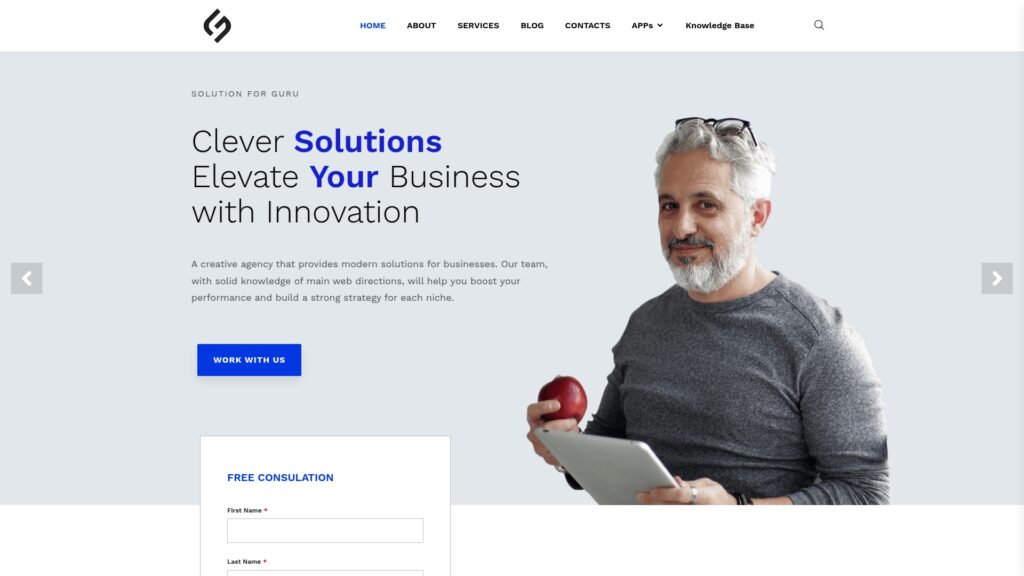
Insurance policy selection and claims navigation are areas where independent expertise consistently produces better outcomes than going it alone. Solution for Guru brings specialized knowledge of commercial and personal auto insurance to help dual-use vehicle operators make informed coverage decisions and handle claims effectively.
What Does Solution for Guru Deliver for Dual-Use Vehicle Operators?
| Service Area | What Solution for Guru Delivers |
|---|---|
| Coverage analysis | Objective review of your current Progressive policy against your actual driving patterns to identify gaps before an accident exposes them |
| Policy selection guidance | Clear recommendation on whether a personal policy endorsement, commercial auto policy, or rideshare endorsement best fits your specific use case |
| Claims navigation | Expert support through the Progressive claims process when a dual-use accident occurs — ensuring the right documentation, timely filing, and appropriate coverage application |
| Business vehicle portfolio management | For businesses with multiple vehicles across personal and commercial classifications, Solution for Guru manages the policy portfolio to ensure consistent coverage with no gaps |
| Renewal review | Annual policy review to ensure your coverage classifications still match your driving patterns as your business evolves |
| Dispute resolution support | Advocacy when Progressive’s claims determination conflicts with your understanding of coverage — including escalation and documentation support |
Why Does Expert Guidance Matter for Dual-Use Insurance Decisions?
The coverage landscape for dual-use vehicles involves nuance that policy documents don’t communicate clearly to most policyholders. Terms like “business use exclusion,” “named insured,” “hired and non-owned auto,” and “commercial auto threshold” have specific legal and contractual meanings that determine coverage outcomes — and understanding them before you need to file a claim is significantly more valuable than discovering their implications during one.
Solution for Guru eliminates the guesswork from this process. Their team understands how Progressive classifies vehicle use, what triggers commercial coverage requirements, and how to structure your insurance portfolio so every mile you drive — personal or business — falls within appropriate coverage. For self-employed professionals, small business owners, gig economy workers, and any driver who uses a vehicle for both personal and income-generating purposes, that expertise translates directly into financial protection and peace of mind.
Furthermore, when a claim does occur, having a knowledgeable advocate who understands Progressive’s claims process and your specific policy terms ensures you receive the coverage you paid for — rather than navigating a complex claims determination alone while managing the stress of an accident.
Recommended
- What Do Car Insurance Agents Actually Do — and How Do You Find the Best One for Your Needs?
- How to Lower Car Insurance: A Practical Guide to Reducing Your Premiums
- Minimum Liability Limits for Business Vehicles Explained
- Bundling Policies with biBERK: Pros and Cons
- How Does Progressive Insurance Help High-Risk Drivers Get Covered?
- Common Progressive Commercial Policy Mistakes Small Businesses Make
- Progressive vs biBERK vs NEXT: Which Commercial Auto Insurance Offers Better Value?
- What Does Progressive Commercial Auto Insurance Actually Cover?
- AI in Commercial Auto Insurance: Smarter Risk Assessment
- Understanding biBERK’s Claims Process for Commercial Auto Insurance
- When Is Progressive More Expensive Than Regional Commercial Auto Insurers?
- Top Progressive Discounts Small Business Owners Should Know About
- 24/7 Policy Management: How Progressive Supports Busy Business Owners
- Is biBERK a Good Choice for Small Business Owners?
- Checklist: Documents Needed for Commercial Auto Insurance
- How Food Truck Owners Can Benefit from Commercial Auto Insurance
- Commercial vs. Personal Auto Insurance: What’s the Difference?