What Is biBERK Business Insurance and How Does It Work?
biBERK business insurance gives small business owners a way to buy commercial coverage directly from a Berkshire Hathaway company, without an agent or broker in the middle. The company says buyers can quote, purchase, and manage policies online. That model appeals to owners who want speed and a recognizable parent company. It also raises practical questions about coverage, eligibility, cost, and service.
This guide explains what biBERK is, how the buying process works, and which policies it sells. It also covers pricing, claims, and the trade-offs of buying direct. Business owners, office managers, and administrators can use it to decide whether biBERK Small Business Insurance deserves a place on their quote list.
What Is the Quick Summary of biBERK Business Insurance?
- Who it serves: Small businesses that want to buy commercial insurance directly, online or by phone.
- Parent company: biBERK describes itself as part of the Berkshire Hathaway Insurance Group.
- Products: Workers’ compensation, general liability, professional liability (errors and omissions), business owner’s policy (BOP), commercial auto, umbrella, and cyber coverage, according to biBERK’s product overview.
- Pricing claim: biBERK says direct sales can save customers up to 20% compared with other insurers. Your rate still depends on your business.
- Service tools: Policyholders can request certificates of insurance, pay bills, and report claims through the biBERK policyholder portal.
- Main limitation: Coverage lines and availability vary by state, so check eligibility before you plan around a specific policy.
How Does biBERK Small Business Insurance Fit Into This Topic?

biBERK Small Business Insurance sits at the point where a business owner first needs commercial coverage and wants a fast, low-friction way to get it. Understanding its place in the market clarifies what the rest of this article covers.
What Role Does biBERK Play for Small Businesses?
Most small businesses need at least one policy before they open for work. A landlord may require liability insurance. A client may demand proof of coverage before signing a contract. State law usually requires workers’ compensation once a business hires employees. biBERK targets these first-purchase and routine-renewal needs with a short online process.
For example, a freelance consultant can request a professional liability quote after a client asks for a certificate. A small contractor can compare general liability and workers’ compensation on the same site. Consequently, biBERK works as a one-stop option for businesses with straightforward risks.
How Does Its Direct Model Change the Buying Experience?
biBERK sells to business owners without independent agents. Its site says it insures businesses directly, without a middleman or broker. That means you deal with the insurer’s own website and phone team instead of an agent who shops several carriers for you.
This approach saves time when your needs are simple. However, it also means nobody compares competing carriers on your behalf, so you must run those comparisons yourself.
What Is biBERK Business Insurance and Who Stands Behind It?
biBERK is a small business insurance brand within Berkshire Hathaway’s insurance operations. Its name stands for “business insurance Berkshire,” according to one independent review. The brand launched in 2015 and reached the market under its current name after an earlier rebrand. A 2017 Insurance Journal report notes the unit was known as “Cover Your Business” until a name change.
Who Underwrites biBERK Policies?
Underwriting means the company that accepts the risk and pays covered claims. biBERK says its policies come from A++ AM Best-rated Berkshire Hathaway insurance carriers. AM Best is an agency that rates insurers on financial strength, and A++ is its highest category.
One 2026 review lists the specific carriers as Berkshire Hathaway Direct Insurance Company and National Liability and Fire Insurance Company. The legal insurer can vary by policy and state, though. Therefore, review the quote and declarations page to confirm which company issues your policy.
Is biBERK a Broker or an Insurer?
biBERK acts as a direct seller for Berkshire Hathaway insurance companies, not as a broker comparing carriers. This distinction matters. A broker represents your interests across several insurers. A direct seller represents one group’s products. As a result, you get speed and a single point of contact, but you do not get an independent market comparison.
How Does biBERK Business Insurance Work Step by Step?

The process follows a predictable sequence. Most of it happens online, although phone support remains available.
How Do You Get a Quote?
You start on the biBERK website or call its licensed representatives. The site collects basic details about your business. Typical inputs include industry, location, revenue, payroll, and employee count. biBERK describes the quote process as quick, and its site says you can get a quote online in minutes.
Accuracy matters more than speed here. Premiums depend on the data you submit, so a rushed estimate can lead to a premium adjustment later, particularly for workers’ compensation, where payroll drives the price.
How Do You Buy and Activate a Policy?
After you accept a quote, you complete the purchase online or by phone. biBERK’s FAQ confirms that you can get a quote, buy a policy, submit claims, and manage your policy on its website. You then choose a payment schedule. Premium payments may run monthly, quarterly, or annually, depending on the policy and options available.
Autopay deserves attention. One payment page notes that enrolled customers’ policies renew automatically as long as the payment succeeds. Review your renewal terms before you enroll.
How Do You Manage a Policy After Purchase?
The policyholder area covers the daily tasks. According to biBERK’s policyholder page, you can:
- Request and download a certificate of insurance.
- Make a payment or update your payment method.
- Start a claim online.
- Review policy documents and renewal information.
Cancellation works differently. biBERK states that you must cancel policies over the phone, and that state rules may require proof of new coverage or a final audit first.
What Coverage Does biBERK Offer?
biBERK lists seven product types on its small business insurance page. The table below summarizes what each one does and who typically needs it.
| Coverage | What it does | Typical buyer |
|---|---|---|
| Workers’ compensation | Pays medical care and lost wages after a work-related injury or illness | Any business with employees |
| General liability | Covers third-party bodily injury and property damage claims | Businesses that serve customers or work on client sites |
| Professional liability (E&O) | Covers claims over professional advice or services | Consultants, agencies, service providers |
| Business owner’s policy (BOP) | Bundles general liability with property coverage | Small, single-location businesses |
| Commercial auto | Covers business-use vehicles | Contractors, delivery, and service businesses |
| Umbrella | Adds limits above underlying policies | Businesses with higher liability exposure |
| Cyber | Covers data breach and system-hack costs | Businesses that store customer data |
What Does Workers’ Compensation Cover?
Workers’ compensation pays for medical care and lost wages when an employee suffers a work-related injury or illness. biBERK notes that most states require it once you have employees. One independent review reports that biBERK offers it in all non-monopolistic states and often allows online quotes.
You can also handle payroll audits online. An audit compares estimated payroll against actual payroll at the end of the term, so it adjusts your final premium.
What Do General Liability and BOP Policies Cover?
General liability protects against claims that your business caused bodily injury or property damage to someone else. It also typically addresses personal and advertising injury. A BOP combines general liability with commercial property coverage and business income protection. For example, a small retail shop can use a BOP to cover both a customer’s slip-and-fall claim and damage to its own inventory.
biBERK also lets owners tailor policies with add-ons. Its site lists options such as hired and non-owned auto liability, employment-related practices liability, and employee benefits liability.
What Do Professional Liability, Auto, Umbrella, and Cyber Cover?
Professional liability, also called errors and omissions (E&O), applies when a client claims your advice or service caused a financial loss. Commercial auto covers vehicles that your business owns or leases. An umbrella policy adds extra liability limits above your other policies. Without one, you may owe any amount above a policy’s limit.
Cyber coverage works as an add-on. biBERK sells it alongside a BOP, general liability, or professional liability policy to cover costs from data security breaches. Match each coverage to a real exposure instead of buying every option.
How Much Does biBERK Business Insurance Cost?

Premiums vary widely, so published numbers serve as starting points. Your own quote determines what you pay.
What Does the “Up to 20% Savings” Claim Mean?
biBERK says its direct model passes savings to customers and that policies cost up to 20% less than those of other insurance companies. Treat that as a marketing claim, not a guarantee. One independent reviewer cautions that your rate will depend on your industry, business size, revenue, and other variables.
Compare at least two or three quotes for identical coverage and limits. Only then can you judge whether the savings apply to your business.
What Are Typical Starting Prices?
FitSmallBusiness reports that, according to biBERK, general liability starts at $360 annually. The same review says a BOP usually starts at $500 per year, and most businesses pay less than $2,000 annually. Treat these figures as entry points. A higher-risk industry or a larger payroll will push premiums above them.
Which Factors Change Your Premium?
Several inputs shape the final price:
- Industry and class code: A roofing contractor pays more than a bookkeeper.
- Payroll and headcount: These drive workers’ compensation costs.
- Revenue: Higher sales often signal higher liability exposure.
- Location: State rules and claim costs differ.
- Limits and deductibles: Higher limits raise premiums, while higher deductibles can lower them.
- Claims history: Past losses influence underwriting decisions.
Where Is biBERK Business Insurance Available?
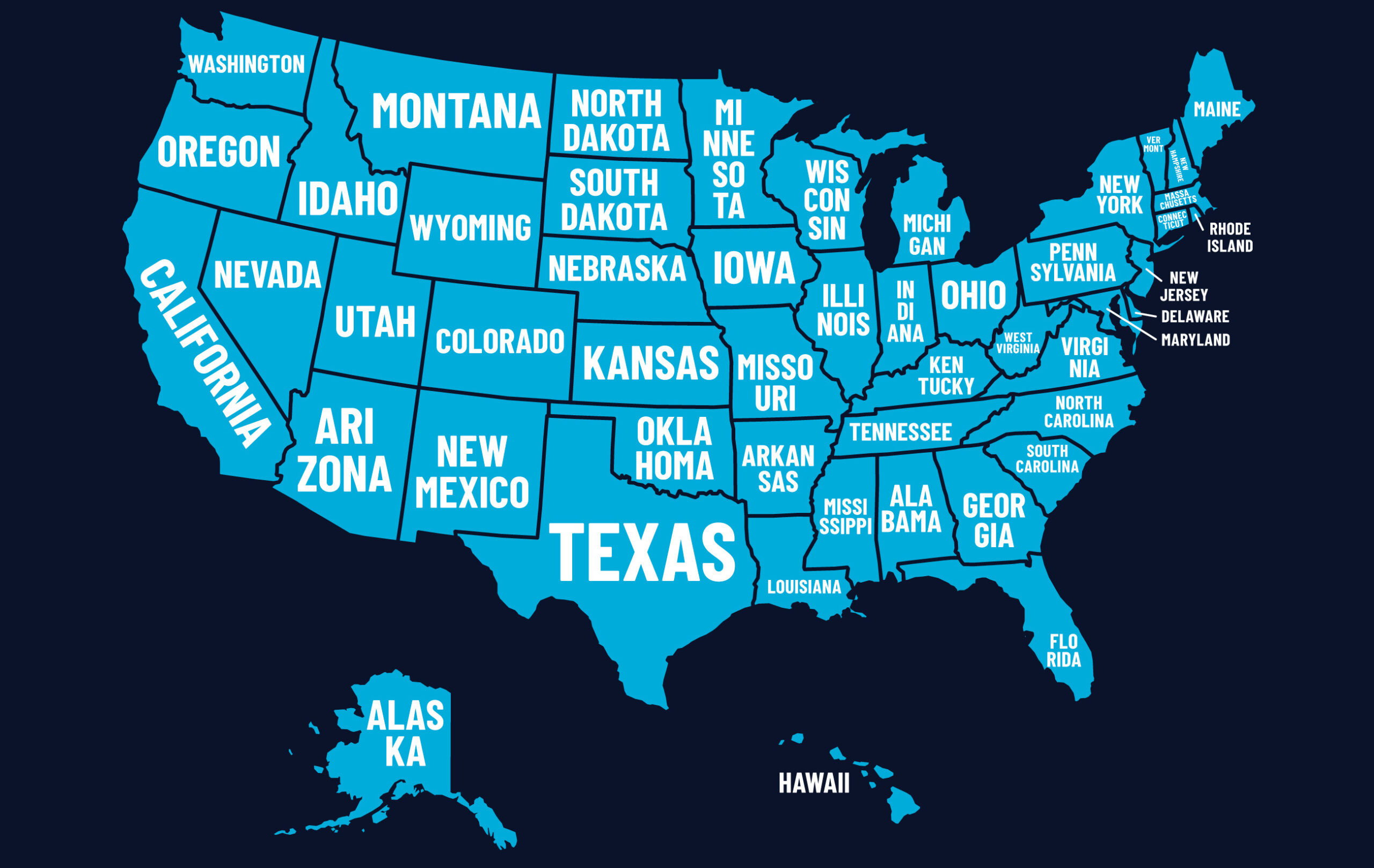
Availability depends on the product and the state. biBERK publishes coverage maps on its where we insure page, with separate maps for workers’ compensation, general liability, professional liability, BOP, commercial auto, and umbrella.
Independent reviews describe a patchwork. One reports general liability in 28 states and commercial auto in 20 states, though these counts may change. Therefore, check the current maps before you plan. A business that operates in several states should confirm each location separately.
For example, a contractor with trucks in two states might find workers’ compensation available in both but commercial auto in only one. That gap would force a second carrier for the vehicles.
How Do Claims, Certificates, and Audits Work?
Service tasks decide whether a policy feels easy or burdensome over time. biBERK concentrates the most common ones online.
How Do You File a Claim?
You can start a claim through the website or by phone. biBERK says its in-house team handles claims or assigns them to a third-party adjuster. Claim phone numbers differ by line of coverage, and GEICO’s partner pages list separate numbers for general liability and workers’ compensation. Save the correct number for each policy when you buy.
Report incidents promptly. Late reporting can complicate coverage decisions, especially for injuries.
How Do You Get a Certificate of Insurance?
A certificate of insurance (COI) proves that you hold coverage. Clients, landlords, and contractors often request one. biBERK states that you can request a certificate online and download it from the website. You can also add an insured, which names a third party that your policy protects for a specific job.
This feature saves time for contractors who need certificates weekly. Custom wording may need extra review, so allow time when a client sends detailed requirements.
How Does a Workers’ Compensation Audit Work?
At the end of the policy term, the insurer reviews your actual payroll. If payroll rose, you may owe more premium. If it fell, you may receive a credit. biBERK lets policyholders request and complete audits online, which shortens a task many owners dread. Keep payroll records organized so the audit goes smoothly.
What Are the Advantages and Limitations of biBERK Business Insurance?

A balanced view helps you avoid surprises. The points below combine biBERK’s own claims with independent observations.
What Advantages Does biBERK Offer?
- Strong backing: Berkshire Hathaway carriers hold an A++ AM Best rating, per biBERK.
- Speed: Online quoting and purchase reduce delays for simple risks.
- Direct pricing: The model removes agent commissions, which can lower costs.
- Broad product menu: One site covers liability, property, workers’ compensation, and auto.
- Self-service tools: COIs, payments, and claims all sit online.
What Limitations Should You Weigh?
- No independent comparison: Nobody shops other carriers for you.
- State gaps: Some products are unavailable in some states.
- Standard risks only: Unusual or high-hazard operations may fall outside its appetite.
- Phone-only cancellation: You cannot cancel online.
- Claims depend on policy terms: Exclusions and limits still apply to every policy.
In short, biBERK Small Business Insurance suits owners who value convenience and brand strength. It suits complex risks less well.
Who Should Consider biBERK, and Who Should Compare Other Options?
Fit depends on your risk profile and how much hand-holding you want.
Which Businesses Fit biBERK Best?
Businesses with simple, well-understood risks fit best. Examples include consultants, small retailers, personal service providers, and light contractors. These owners often need liability coverage, a certificate, and a clean renewal process. A reviewer notes that biBERK’s BOP is price-competitive and fast to quote for single-location businesses with standard property and liability needs.
When Should You Compare Other Carriers or Use a Broker?
Compare other carriers when your operations are unusual, you run multiple locations, or you need tailored endorsements. An independent broker can then shop several insurers and explain exclusions. Similarly, if your contract requires specific wording or limits, a broker can negotiate it.
You can also treat biBERK as one quote among several. Get its price, then test it against another direct insurer and a broker quote.
How Can You Prepare for a Smooth biBERK Quote?
Preparation prevents rework and premium surprises. Gather these items first:
- Business details: Legal name, address, industry, and years in operation.
- Financial figures: Annual revenue and an honest payroll estimate.
- Employee data: Headcount and job roles, including contractors.
- Vehicle information: Types, uses, and drivers, if you need commercial auto.
- Contract requirements: Required limits, additional insureds, and wording from clients or landlords.
- Loss history: Any prior claims you must disclose.
Then compare the quote against your contracts line by line. If a client requires $2 million in aggregate liability limits, confirm the policy meets that number before you pay. Also read the exclusions. A policy only covers what its terms say.
Keep in mind that this article offers general information, not insurance or legal advice. Confirm coverage details with a licensed professional before you rely on them.
What Should You Remember About biBERK Business Insurance?
biBERK business insurance offers small businesses a fast, direct path to commercial coverage backed by Berkshire Hathaway carriers. You can quote, buy, and manage policies online, and you can request certificates and start claims without calling an agent. The product range covers the main small business risks, from workers’ compensation to cyber add-ons.
However, direct buying has trade-offs. Availability varies by state, nobody compares carriers for you, and published savings claims depend on your risk profile. Therefore, collect accurate data, request identical coverage from several insurers, and read the declarations page before you commit. Used that way, biBERK Small Business Insurance gives owners a credible, efficient option worth a place on the shortlist.
Frequently Asked Questions
Yes. biBERK describes itself as part of the Berkshire Hathaway Insurance Group, and its policies come from Berkshire Hathaway carriers that it says hold A++ AM Best ratings. Even so, confirm the issuing insurer on your quote and declarations page, because the legal carrier can vary by policy.
Yes. biBERK sells directly to business owners online and by phone. Its partner page states that it does not appoint individual retail agents, but it offers products through select wholesaler partners. You do not need an agent to quote, buy, or manage a policy.
You must cancel by phone. biBERK’s policyholder page lists 1-844-472-0967 for starting cancellation. The process varies by coverage and state law, and your state may require an audit or proof of replacement coverage first.
How Can Solution for Guru Help You Choose and Manage Business Insurance Technology?
Solution for Guru is a consultancy that helps businesses select, implement, and optimize CRM and business software. Insurance decisions create data, documents, and renewals that your systems must track. A specialist can help you build that process around your tools. Benefits include:
- Policy tracking workflows: Consultants can set up CRM or task systems that flag renewals, audits, and certificate requests.
- Document organization: Structured records make COIs, declarations pages, and loss histories easy to find.
- Vendor comparison support: A consistent evaluation checklist helps you compare insurers and software with the same criteria.
- Process automation: Automated reminders reduce missed payments and renewal gaps.
- Team training: Clear procedures help staff handle certificate requests and incident reports quickly.
Contact Solution for Guru to review how your business tracks insurance, contracts, and compliance tasks.
Recommended
- State-by-State Commercial Auto Requirements: How Progressive Helps Businesses Stay Compliant
- biBERK Comprehensive vs Collision Coverage Explained
- biBERK Commercial Auto Insurance Exclusions Explained
- Does Your Driving Record Affect biBERK Commercial Auto Insurance Rates?
- Does Business Location Affect biBERK Commercial Auto Insurance Rates?
- How Progressive Supports Small Fleets: Coverage Options for 2–10 Vehicles
- How Berkshire Hathaway Companies Like biBERK Are Innovating Insurance
- Delivery Drivers and Courier Services: Progressive Commercial Auto Insurance Breakdown
- BiBerk Hired and Non-Owned Auto Insurance: Does Your Business Really Need It?
- BiBerk Commercial Truck Insurance: Is It the Right Coverage for Your Fleet?
- Progressive Commercial Auto Insurance for LLCs and Sole Proprietors
- How Progressive Handles Dual-Use Vehicles for Business and Personal Driving
- What Do Car Insurance Agents Actually Do — and How Do You Find the Best One for Your Needs?
- How to Lower Car Insurance: A Practical Guide to Reducing Your Premiums
- Minimum Liability Limits for Business Vehicles Explained
- Bundling Policies with biBERK: Pros and Cons
- Common Progressive Commercial Policy Mistakes Small Businesses Make
- Progressive vs biBERK vs NEXT: Which Commercial Auto Insurance Offers Better Value?
- What Does Progressive Commercial Auto Insurance Actually Cover?