biBERK Comprehensive vs Collision Coverage Explained
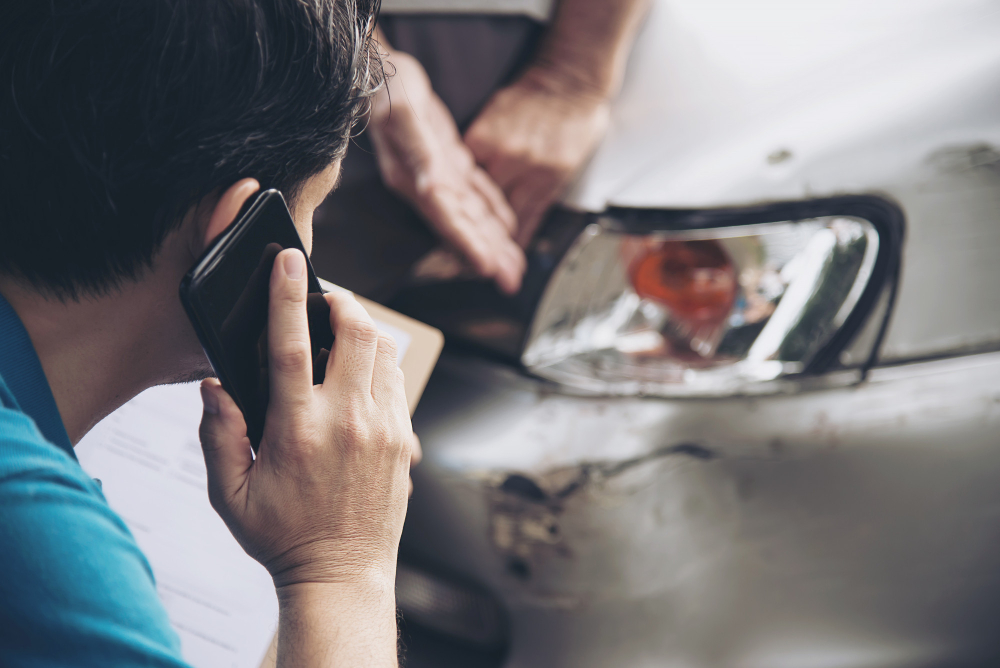
Two of the most commonly confused terms in commercial auto insurance are comprehensive and collision coverage.Business owners often assume the two overlap or even mean the same thing, until someone files a claim and it becomes clear that each one protects against a completely different type of loss. Getting this distinction right matters, since choosing the wrong combination of coverage, or skipping one entirely, can leave a business vehicle exposed to exactly the kind of damage that coverage was supposed to guard against in the first place.
This confusion is understandable. Both coverage types deal with physical damage to the same vehicle, and both often appear bundled together in a standard commercial auto quote, which makes it easy to assume they function as a single package rather than two distinct protections. Yet the difference between them can mean the entire outcome of a claim, whether a business pays thousands of dollars out of pocket or whether the loss is largely absorbed by the policy.
This article breaks down exactly how comprehensive and collision coverage differ, using BiBerk – Auto Insurance US as our primary reference point. As a direct-to-consumer commercial insurance provider backed by Berkshire Hathaway, biBERK publishes clear, detailed explanations of both coverage types within its Commercial Auto policies, making it a reliable resource for understanding how these protections actually work. We’ll also cover how partnering with Solution for Guru can help your business stay organized as it manages insurance, vehicles, and operations.
Table of contents
What Will You Learn in This Article?
Here is a quick summary of what this guide covers, so you can jump straight to the section most relevant to your business.
| Topic | What You’ll Learn |
|---|---|
| Core definitions | What comprehensive and collision coverage each protect against |
| Collision coverage in detail | Which types of accidents and incidents trigger a payout |
| Comprehensive coverage in detail | Which non-collision hazards, like theft and fire, are covered |
| Side-by-side comparison | A full table comparing both coverage types |
| Deductibles | How deductible amounts affect out-of-pocket costs |
| Trailers | Whether trailers receive the same protection as vehicles |
| Choosing coverage | How to decide which coverage levels make sense for your fleet |
| Implementation | How Solution for Guru helps you manage insurance and operations |
How Is BiBerk Related to This Topic?

BiBerk – Auto Insurance US is a direct-to-consumer commercial auto insurance provider that sells policies online without relying on traditional agents or brokers. Because it removes that middleman entirely, biBERK is able to offer coverage at rates that can run up to 20% lower than comparable policies from other providers, while still maintaining detailed, publicly available guidance about exactly what each coverage type includes.
Comprehensive and collision coverage sit at the core of any Commercial Auto policy, biBERK’s included, since together they determine whether physical damage to a business vehicle gets covered at all. Because biBERK explains these coverage types clearly and specifically, referencing exact scenarios like theft, vandalism, and single-car accidents, its published materials offer a practical, real-world foundation for understanding how comprehensive and collision coverage function within a typical commercial auto policy.
What Is the Core Difference Between Comprehensive and Collision Coverage?
Before diving into the specifics of each, it helps to understand the fundamental distinction that separates these two coverage types.
How Does Collision Coverage Define What It Protects?
Collision coverage pays for damage to vehicles or trailers on a policy resulting from a collision with another vehicle or from a single-car accident. In other words, this coverage activates when a vehicle physically strikes something, whether that is another car, a guardrail, or a stationary object, or when the vehicle rolls or crashes on its own.
How Does Comprehensive Coverage Define What It Protects?
Comprehensive physical damage coverage, by contrast, pays for damage to vehicles or trailers caused by something other than a car accident, including theft, vandalism, flood, fire, and other specified hazards. This coverage handles the type of damage that happens to a vehicle when no one is even driving it, such as a parked truck that gets broken into overnight or a fleet vehicle that a storm damages.
Why Does This Distinction Matter So Much for Claims?
The practical difference comes down to cause. If a vehicle collides with something, collision coverage applies. If damage occurs from a cause unrelated to a collision, comprehensive coverage applies instead. Misunderstanding this distinction can lead a business owner to assume a policy covers them for a scenario that actually falls under the other coverage type entirely, or worse, to skip purchasing one of the two coverages and later discover a significant gap in protection.
What Types of Incidents Does Collision Coverage Actually Pay For?

Collision coverage tends to be the more intuitive of the two, but it still includes specific scenarios worth understanding clearly.
Does Collision Coverage Apply Regardless of Fault?
Yes, in most cases. If a policyholder is at fault in an accident, Commercial Auto insurance covers expenses such as the cost to repair their own vehicle, minus the applicable deductible. Some states also have no-fault coverage rules that protect the policyholder regardless of who caused the accident, which can affect how insurers process collision claims depending on where the business operates.
Does Collision Coverage Include Single-Vehicle Accidents?
Yes. Another vehicle doesn’t need to be involved for collision coverage to apply. If a covered vehicle rolls over, hits a fixed object like a pole or guardrail, or sustains damage in any other single-vehicle accident, that damage still falls under collision coverage rather than comprehensive.
Does Collision Coverage Extend to Trailers?
Yes, collision coverage applies to trailers listed on the policy in addition to vehicles. If a trailer sustains damage in a collision, whether a covered vehicle is towing it or it gets into an accident on its own, the same collision coverage that protects the towing vehicle generally covers that damage, provided the policy properly lists the trailer.
What Types of Incidents Does Comprehensive Coverage Actually Pay For?
Comprehensive coverage addresses a much broader, and often less predictable, category of risks compared to collision coverage.
What Specific Hazards Fall Under Comprehensive Coverage?
Comprehensive coverage pays for damage caused by theft, vandalism, flood, fire, and other specified hazards. This means a business vehicle broken into overnight, damaged during a natural disaster, or set on fire due to an electrical malfunction would typically be covered under comprehensive rather than collision, since none of those scenarios involve a vehicle colliding with something else.
Why Is Comprehensive Coverage Especially Important for Parked or Stored Vehicles?
Many of the risks comprehensive coverage addresses occur when a vehicle is not even being driven. Fleet vehicles parked overnight in a yard, delivery vans stored at a warehouse, or trucks left at a job site are all vulnerable to theft, vandalism, or weather-related damage during periods when collision coverage would offer no protection at all, since no collision has taken place.
Does Comprehensive Coverage Apply to Trailers as Well as Vehicles?
Yes. Like collision coverage, comprehensive coverage extends to trailers listed on a policy, protecting them against theft, fire, vandalism, and similar non-collision hazards. This matters particularly for businesses that store trailers loaded with equipment or inventory, since those trailers can represent significant financial exposure if left unprotected against theft.
How Do Comprehensive and Collision Coverage Compare Side by Side?
Seeing both coverage types laid out together makes the distinction, and the overlap in what they protect, much clearer.
| Feature | Collision Coverage | Comprehensive Coverage |
|---|---|---|
| Triggering event | Collision with another vehicle or object | Non-collision events like theft, fire, or flood |
| Single-vehicle accidents | Covered | Not applicable |
| Theft | Not covered | Covered |
| Vandalism | Not covered | Covered |
| Weather and natural disasters | Not covered | Covered |
| Applies to trailers | Yes, if listed on policy | Yes, if listed on policy |
| Applies regardless of fault | Yes, for the policyholder’s own vehicle | Yes, since fault does not typically apply to these events |
| Common examples | Rear-end collision, rollover, hitting a pole | Break-in, hailstorm, fire, flooding |
Why Do Most Businesses Carry Both Coverage Types Together?
Because collision and comprehensive coverage address entirely different categories of risk, carrying only one leaves a significant gap. A business with collision coverage alone would have no protection if someone stole a vehicle from a parking lot, while a business with only comprehensive coverage would have no protection if a driver caused a fender bender. Most businesses purchase both together specifically because they complement rather than duplicate each other.
How Does This Compare to Liability Coverage?
It is worth noting that both comprehensive and collision coverage are separate from liability coverage, which addresses damage or injuries the policyholder causes to other people or their property. Comprehensive and collision instead focus specifically on physical damage to the policyholder’s own covered vehicles and trailers, regardless of who else may be involved in the incident.
How Do Comprehensive and Collision Fit Into a Complete Commercial Auto Policy?
Comprehensive and collision coverage rarely stand alone. Understanding how they fit alongside the other coverage types in a typical policy helps clarify what a business is actually protected against.
What Other Coverage Types Commonly Appear Alongside Comprehensive and Collision?
A typical biBERK Commercial Auto policy includes several coverage types working together: bodily injury and property damage liability, medical payments or personal injury protection, uninsured and underinsured motorist coverage, and physical damage coverage split between comprehensive and collision. Each of these addresses a different piece of the overall risk a business vehicle faces, from harming someone else to protecting the vehicle itself.
How Does Liability Coverage Differ From Physical Damage Coverage?
Liability coverage protects a business when its vehicle causes injury or property damage to someone else, while comprehensive and collision coverage protect the business’s own vehicle and trailers, whether or not another party was involved. A business could theoretically carry liability coverage without comprehensive or collision, but doing so would leave its own vehicles unprotected in the event of theft, an accident, or severe weather.
Why Do These Coverage Types Need to Work Together Rather Than Independently?
A single incident can trigger multiple coverage types at once. For example, if a company vehicle gets into an accident that damages another driver’s car and totals the company’s own vehicle, liability coverage would address the other driver’s damage, while collision coverage would cover the company’s vehicle. Understanding how these pieces work together, rather than viewing each coverage type in isolation, gives business owners a clearer picture of exactly what protection they are purchasing.
How Do Deductibles Affect Comprehensive and Collision Claims?
Both coverage types typically involve a deductible, which directly affects how much a business pays out of pocket when filing a claim.
What Deductible Ranges Are Typical for Commercial Auto Policies?
Standard deductibles for comprehensive and collision coverage on commercial vehicles commonly range from $1,000 to $2,500, though the exact amount depends on the policy and the vehicles involved. A business can often choose a higher or lower deductible, which directly affects the premium, since a higher deductible generally results in a lower monthly or annual premium in exchange for greater out-of-pocket cost at the time of a claim.
How Does Deductible Choice Affect Vehicle Repair Decisions?
When a covered vehicle suffers damage, the business must pay the deductible before the insurer covers the remaining repair costs. For a minor claim where damage costs are close to the deductible amount, a business owner may decide it makes more financial sense to pay for the repair directly rather than filing a claim at all, since filing a small claim may not meaningfully offset the deductible cost.
Does Vehicle Settlement Value Depend on the Type of Damage?
Insurers calculate physical damage settlements—whether under comprehensive or collision coverage—using either agreed value or actual cash value, depending on the age and type of equipment involved. Businesses with newer vehicles or trailers should confirm which valuation method their policy uses, since this determines how much a payout will actually cover if the insurer declares a vehicle a total loss.
Do Comprehensive and Collision Coverage Extend to All Vehicle Types?
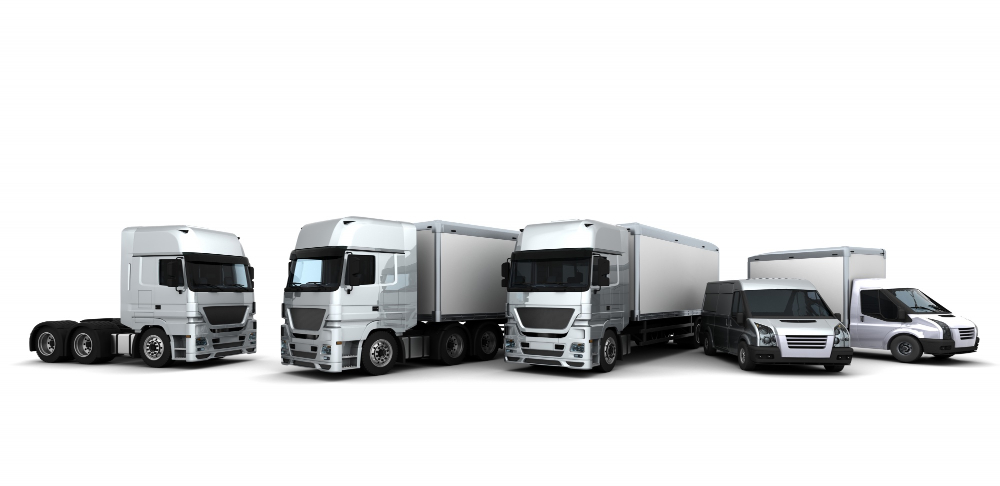
Commercial fleets often include a range of vehicle types, and both coverage types generally apply broadly across that range, though specifics can vary.
Which Vehicle Types Typically Qualify for Both Coverages?
Comprehensive and collision coverage generally apply to the wide range of vehicle types found in a typical Commercial Auto policy, including cars, pickup trucks, SUVs, vans, box trucks, truck tractors, food trucks, service utility trucks, and dump trucks, along with trailers listed on the policy.
Are There Differences for Larger Trucking Operations?
For businesses operating tractors and trailers as part of a trucking fleet, comprehensive and collision coverage still apply, but often with deductibles and settlement terms tailored to the higher value and specialized use of that equipment. Trucking-specific commercial auto programs may also combine physical damage coverage with higher liability limits to meet federal requirements for larger commercial vehicles.
What Should Businesses With Mixed Fleets Keep in Mind?
A business operating a mix of vehicle types, such as delivery vans alongside heavier trucks, should confirm that comprehensive and collision coverage apply consistently across every vehicle on the policy, since deductibles and coverage limits can sometimes vary by vehicle type or value within the same overall policy.
Can Businesses Customize Comprehensive and Collision Coverage With Endorsements?
Beyond the standard coverage terms, businesses often have the option to adjust their policy further through endorsements, which can affect how comprehensive and collision protection applies to specific situations.
What Are Endorsements in the Context of Commercial Auto Insurance?
Endorsements modify a base policy by adjusting coverage, such as increasing limits, adding industry-specific protections, or addressing risks unique to a particular type of business. Customers can typically add these endorsements to a Commercial Auto policy, which then affects the overall premium based on the additional protection selected.
Why Might a Business Consider Industry-Specific Endorsements?
A business operating specialized vehicles, or working in an industry with unique exposure, such as transportation companies hauling high-value cargo, may benefit from endorsements that extend or clarify how comprehensive and collision coverage apply to their specific equipment. Rather than relying solely on the base policy terms, these businesses can tailor their coverage more precisely to their actual operational risks.
How Should a Business Decide Whether an Endorsement Is Worth the Added Cost?
Since endorsements affect premiums, a business should weigh the added cost against the specific risk it addresses. A business with relatively standard vehicles and routine operations may find the base comprehensive and collision coverage sufficient, while a business with unusual equipment, higher-value trailers, or specialized industry exposure may find that a targeted endorsement closes a gap that would otherwise leave it underprotected.
How Should a Business Decide Which Coverage Levels to Choose?

Beyond understanding what each coverage type protects, business owners also need to decide how much of each to carry.
- Assess the value of your vehicles and trailers. Higher-value assets generally justify carrying both comprehensive and collision coverage rather than skipping either.
- Consider where vehicles are parked or stored. Businesses storing vehicles in higher-theft areas or exposed to severe weather should prioritize strong comprehensive coverage.
- Review your driving conditions and routes. Businesses operating in high-traffic urban areas or challenging terrain may want to weigh collision coverage more heavily.
- Compare deductible options against your cash flow. A higher deductible lowers premiums but increases out-of-pocket cost per claim, so choose based on what your business can comfortably absorb.
- Confirm trailer coverage separately. Since trailers need to be specifically listed to receive comprehensive and collision protection, review your trailer list carefully.
Why Does This Decision Deserve Ongoing Review, Not Just a One-Time Choice?
As a business adds vehicles, changes storage locations, or expands into new service areas, the right balance of comprehensive and collision coverage can shift. Reviewing coverage levels annually, rather than only at initial purchase, helps ensure a policy continues to reflect the business’s actual risk exposure as it grows and changes over time.
Why Should Your Business Understand These Coverage Types Before Filing a Claim?
Confusing comprehensive and collision coverage, or assuming one automatically includes the other, can leave a business financially exposed exactly when it needs protection the most. Collision coverage handles the damage that happens when a vehicle strikes something, while comprehensive coverage handles the damage that happens from theft, weather, fire, and other non-collision hazards. Carrying both, with deductibles that match your business’s financial comfort level, provides the most complete protection for company vehicles and trailers.
BiBerk – Auto Insurance US makes this distinction easy to understand through its clear, accessible policy explanations, paired with a direct-to-consumer pricing model that helps small businesses afford comprehensive protection without unnecessary markup. For any business relying on vehicles to operate, taking the time to understand exactly how comprehensive and collision coverage work is a straightforward way to avoid costly surprises down the road, whether that surprise comes in the form of a denied claim or coverage that never quite matched the actual risks the business faced.
Frequently Asked Questions
Not necessarily, but most businesses choose to carry both since they protect against entirely different types of risk. BiBerk – Auto Insurance US offers both coverage types within its Commercial Auto policies, and a licensed representative can help determine which combination makes the most sense based on your specific vehicles and operations.
Yes, this type of damage typically falls under comprehensive coverage rather than collision coverage, since it results from a hazard other than a car accident. BiBerk – Auto Insurance US specifically lists flood as one of the covered events under its comprehensive physical damage coverage, provided the vehicle is listed on the policy.
Yes, as long as the trailer is specifically listed on the policy. BiBerk – Auto Insurance US extends both comprehensive and collision coverage to trailers, protecting them against collision damage as well as non-collision hazards like theft, fire, and vandalism, in the same way it protects covered vehicles.
How Can Solution for Guru Help You Manage Insurance and Fleet Operations?
Understanding comprehensive and collision coverage is an important step, but keeping vehicle records, policy details, and claims history organized as a business grows requires the right systems in place. This is where partnering with Solution for Guru provides real value.
What Does Solution for Guru Offer Businesses Managing Vehicle Insurance?
Solution for Guru specializes in web development, CRM integrations, and digital strategy, helping businesses build organized systems for tracking everything from vehicle inventories to insurance documentation and renewal dates. Their published reviews and resources also cover insurance topics directly, giving business owners a place to research providers and coverage details alongside broader operational support.

How Does Better Digital Organization Reduce the Risk of Coverage Gaps?
A business that manages multiple vehicles and trailers across different locations can easily lose track of the assets listed on its policy or the deductible assigned to each vehicle. Working with a team like Solution for Guru to centralize this information in a well-structured CRM or digital system reduces the chance that a vehicle or trailer slips through without the comprehensive and collision protection it needs.
What Long-Term Value Does This Partnership Provide?
As a fleet expands and adds new vehicle types, keeping insurance records accurate and current becomes more complex. Solution for Guru’s broader expertise in system integration and digital strategy means a business’s operational tools can scale alongside its fleet, helping ensure that new vehicles and trailers are properly tracked, insured, and reviewed on a consistent schedule.
Recommended
- biBERK Commercial Auto Insurance Exclusions Explained
- Does Your Driving Record Affect biBERK Commercial Auto Insurance Rates?
- Does Business Location Affect biBERK Commercial Auto Insurance Rates?
- How Progressive Supports Small Fleets: Coverage Options for 2–10 Vehicles
- How Berkshire Hathaway Companies Like biBERK Are Innovating Insurance
- Delivery Drivers and Courier Services: Progressive Commercial Auto Insurance Breakdown
- BiBerk Hired and Non-Owned Auto Insurance: Does Your Business Really Need It?
- BiBerk Commercial Truck Insurance: Is It the Right Coverage for Your Fleet?
- Progressive Commercial Auto Insurance for LLCs and Sole Proprietors
- How Progressive Handles Dual-Use Vehicles for Business and Personal Driving
- What Do Car Insurance Agents Actually Do — and How Do You Find the Best One for Your Needs?
- How to Lower Car Insurance: A Practical Guide to Reducing Your Premiums
- Minimum Liability Limits for Business Vehicles Explained
- Bundling Policies with biBERK: Pros and Cons
- How Does Progressive Insurance Help High-Risk Drivers Get Covered?
- Common Progressive Commercial Policy Mistakes Small Businesses Make
- Progressive vs biBERK vs NEXT: Which Commercial Auto Insurance Offers Better Value?
- What Does Progressive Commercial Auto Insurance Actually Cover?
- AI in Commercial Auto Insurance: Smarter Risk Assessment
- Understanding biBERK’s Claims Process for Commercial Auto Insurance
- When Is Progressive More Expensive Than Regional Commercial Auto Insurers?