How Progressive Supports Small Fleets: Coverage Options for 2–10 Vehicles
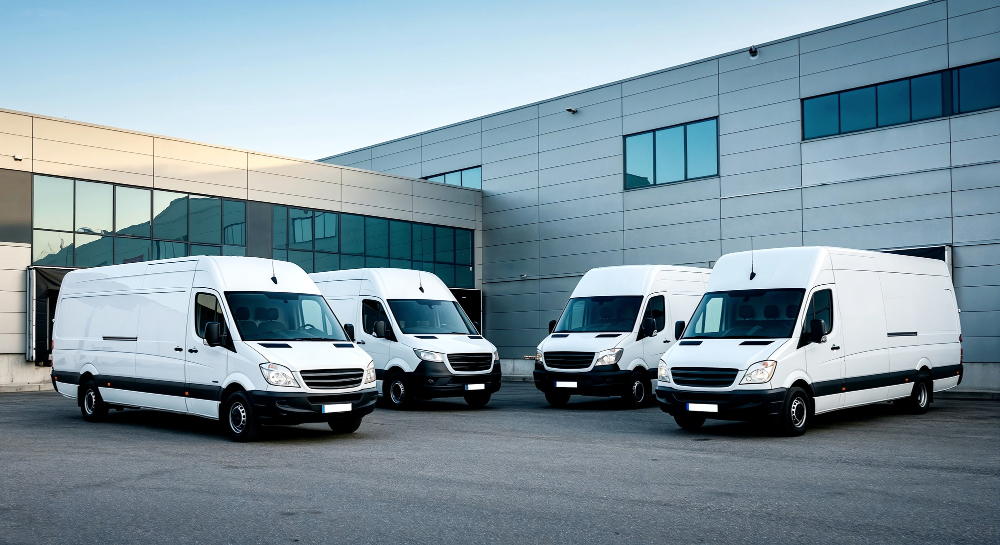
Running two vehicles is very different from running a single one, and running ten is different again. The moment a business adds a second commercial vehicle, it enters a new insurance category with its own paperwork, underwriting scrutiny, and coverage considerations. Yet many small business owners still shop for coverage the same way they did as a single-vehicle operation, which often leads to gaps, overpayment, or unnecessary delays at renewal time.
This article breaks down how small fleets, generally defined as businesses running 2 to 10 vehicles, can approach commercial auto coverage strategically. It also explains where a major national insurer fits into that picture, and how working with the right coverage partner can smooth out the process considerably.
Table of contents
Quick Summary: What Should Small Fleet Owners Know First?
Before getting into the details, here’s a fast overview of the key points this article covers.
| Topic | Key Takeaway |
|---|---|
| Fleet size definition | Many insurers treat 2–10 vehicles as the “small fleet” underwriting bracket |
| Typical cost range (2026) | Roughly $150–$900+ per vehicle per month, depending on use case and risk factors |
| Core coverages | Liability, collision, comprehensive, uninsured/underinsured motorist, medical payments |
| Common add-ons | Hired & non-owned auto, roadside assistance, rental reimbursement |
| Discount opportunities | Telematics programs, CDL discounts, business experience, bundling |
| Underwriting factors | Driver records, garaging ZIP code, operating radius, vehicle class, loss history |
These figures set realistic expectations, but every fleet’s actual quote depends on its specific risk profile, which the sections below explain in more depth.
How Does Progressive Relate to the Topic of This Article?

Progressive – Auto Insurance US is one of the largest commercial auto insurers in the country, and it specifically structures products around the small fleet category this article focuses on. Progressive commonly writes multi-vehicle commercial auto accounts covering businesses with anywhere from a single vehicle up to large fleets, and its Commercial Auto product line is built to scale as a business adds vehicles.
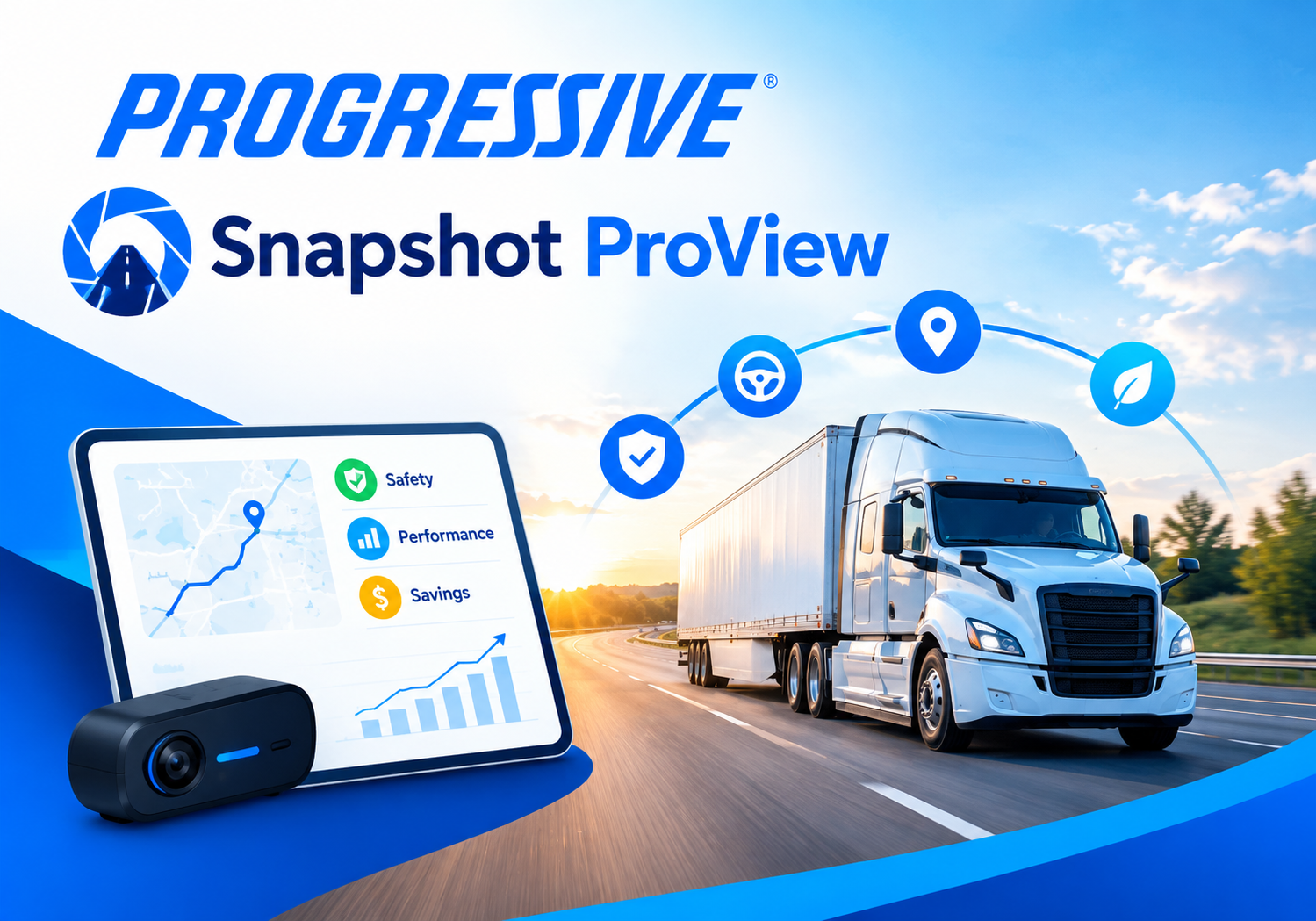
Also, Progressive emphasizes tools that matter directly to small fleets, such as Snapshot ProView, a telematics program that tracks driving behavior and can unlock meaningful discounts, along with centralized billing and certificate of insurance management for businesses juggling multiple vehicles and contracts. Because Progressive positions its Commercial Auto offering around exactly this 2-to-10-vehicle range before a business graduates into full fleet and specialty programs, it serves as a useful lens for understanding what small fleet coverage typically includes, what it costs, and where the common pitfalls lie.
What Counts as a Small Fleet, and Why Does the Definition Matter?
Insurance carriers don’t use a single universal definition of “fleet,” and that inconsistency can create confusion for growing businesses.
How Do Insurers Typically Define a Small Fleet?
For Progressive and most commercial auto markets, a small fleet commonly refers to businesses operating 2 to 10 vehicles, though the exact threshold can vary by state, program, and how complex the operation is. Anything above that range, generally 10 or more vehicles, tends to shift into dedicated fleet and specialty programs designed for larger-scale operations. Consequently, a business’s exact vehicle count can determine which underwriting workflow, application process, and discount structure applies.
Why Does Crossing the Fleet Threshold Change Underwriting?
Adding a second vehicle to a policy already increases underwriting scrutiny compared to a single-vehicle policy. Once a business enters the 2–10 vehicle bracket, insurers typically request more detailed documentation: a complete driver list, a VIN schedule for every vehicle, loss run reports covering recent claims history, and clarity on garaging locations and operating radius. Businesses that submit incomplete or inconsistent information at this stage often experience quote delays or unexpected re-rating later.
What Should Business Owners Confirm Before Committing?
Because “fleet” definitions vary, business owners should directly ask their insurer three things: how the company defines fleet versus non-fleet in their state, whether centralized billing applies and how mid-term vehicle changes get handled, and how certificates of insurance are issued and updated for outside contracts. Clarifying these points upfront prevents administrative surprises after a policy is already in place.
What Coverage Options Do Small Fleets Typically Need?

A commercial auto policy for a small fleet usually includes several coverage types working together, rather than a single blanket protection.
What Does Liability Coverage Include?
Liability insurance pays for bodily injury and property damage when a business vehicle causes an accident. Businesses can typically choose between split limits or a combined single limit, and commercial liability limits generally run higher than personal auto policy limits because of the increased exposure that comes with business use. For fleets working under client contracts, minimum liability requirements are often dictated directly by those contracts, so it’s worth checking contractual obligations before finalizing limits.
What Does Physical Damage Coverage Protect?
Comprehensive coverage pays for vehicle damage caused by theft, vandalism, fire, or weather events, while collision coverage pays for repairs after a vehicle hits another vehicle or object, regardless of fault. Together, these two coverages protect the fleet’s physical assets rather than just the liability exposure from an accident.
What Do Uninsured Motorist and Medical Payments Coverage Do?
Uninsured and underinsured motorist coverage pays for damage when a driver without adequate insurance causes an accident involving a business vehicle. Medical payments coverage, meanwhile, helps pay medical expenses for the driver and passengers after an accident, regardless of who was at fault. Both coverages matter especially for delivery and service fleets that spend significant time on the road daily.
What Additional Endorsements Should Small Fleets Consider?
Hired auto coverage protects vehicles a business rents, leases, or borrows, while non-owned auto coverage applies when employees use personal vehicles for work errands. If employees ever run business errands in their own cars, or the fleet occasionally rents additional vehicles during busy seasons, Hired & Non-Owned Auto (HNOA) coverage closes a liability gap that a standard fleet policy alone won’t cover. Roadside assistance is another common add-on, typically covering towing, jump-starts, flat-tire changes, and lockout service.
What Does Small Fleet Coverage Typically Cost in 2026?
Cost is often the first question small business owners ask, but a single average figure rarely tells the full story.
What Is a Realistic Budgeting Range for 2–10 Vehicle Fleets?
For many small fleets in 2026, a practical budgeting range often falls between roughly $150 and $900 or more per vehicle per month, translating to approximately $1,800 to $10,800 or more per vehicle annually. Urban delivery operations and trucking-adjacent businesses tend to land toward the higher end of that range, while lower-mileage, lower-risk local operations often land closer to the lower end.
Which Factors Drive These Cost Differences?
Rather than relying on a single average, business owners should understand the specific factors that move pricing up or down: driver records and experience, garaging ZIP code, operating radius, vehicle class and value, loss history, and the liability limits selected. Two fleets with an identical vehicle count can receive very different quotes if one has recent claims or less experienced drivers.
How Can Fleets Compare Quotes Fairly?
The most reliable way to compare pricing across carriers is to request quotes using the exact same driver roster, VINs, operating radius, coverage limits, and deductibles. Without this consistency, a lower quote from one carrier might simply reflect thinner coverage rather than a genuinely better price. Business owners should also confirm whether quoted premiums include any assumed discounts, since those can shift the real comparison significantly.
What Discounts Can Help Small Fleets Lower Premiums?

Even though commercial auto coverage for multiple vehicles represents a meaningful expense, several discount opportunities can reduce that cost considerably.
- Telematics enrollment — Usage-based programs that track driving behavior can unlock savings for businesses willing to monitor and coach driver performance.
- Commercial driver’s license discount — Drivers holding a CDL valid for at least two years often qualify for reduced rates.
- Business experience discount — Businesses operating for at least three years may receive a discount reflecting their established track record.
- Multi-policy bundling — Combining personal auto coverage with commercial policies, or bundling commercial auto with general liability, often reduces overall costs.
- Electronic logging device programs — Fleets using ELDs for compliance can sometimes access additional savings tied to safety and monitoring data.
- Continuous coverage history — Avoiding lapses in coverage helps maintain better long-term pricing, since gaps in insurance history typically raise perceived risk.
Stacking several of these discounts can meaningfully offset the cost differences small fleets encounter as they scale from one vehicle to several.
How Does Telematics Improve Fleet Safety and Pricing?
Beyond discounts, telematics programs give small fleets practical tools for managing day-to-day safety, not just a pricing lever.
What Do Telematics Programs Actually Track?
Usage-based insurance tools monitor real driving behavior, including speed, braking patterns, and mileage, and translate that data into safety scores for individual drivers. New customers enrolling in these programs often save a meaningful percentage immediately, with additional savings available for fleets that maintain a strong established safety record over time.
How Should Fleets Use This Data Beyond Discounts?
Telematics data works best when a fleet actively uses it, not just installs the device and moves on. Reviewing driver scores regularly, coaching drivers on specific patterns like hard braking or speeding, and documenting that coaching cadence tends to produce better long-term safety outcomes than treating telematics as a one-time discount checkbox. Fleets that build a weekly review habit around this data typically see steadier improvement than those checking in only quarterly.
What Should Small Fleets Prepare Before Requesting a Quote?
Underwriters reward complete, consistent submissions, so preparation matters as much as the coverage decisions themselves.
What Documentation Speeds Up the Quoting Process?
A clean submission typically includes a complete driver list with license and experience details, a VIN schedule covering every vehicle in the fleet, recent loss run reports showing claims history, and clear documentation of garaging address and operating radius. When these details match consistently across every document, underwriters can process the submission faster and with fewer follow-up questions.
What Happens If Submission Details Don’t Match?
Mismatched information, such as an inconsistent garaging address or an incomplete driver roster, often triggers delays or re-rating after the fact. Since one lapse or one sloppy submission can spike a fleet’s premium and stall operations while waiting on updated certificates of insurance, taking time to prepare accurate documentation upfront genuinely pays off.
Does Federal Filing Apply to Small Fleets?
Certain regulated, for-hire interstate motor carriers must meet FMCSA insurance filing requirements, and businesses uncertain whether these federal rules apply to their operation should review the official FMCSA guidance directly. Confirming this status early avoids compliance issues that could otherwise delay a fleet’s ability to operate under contract.
How Should a Business Document Claims to Protect Its Premium?
Consistent claims documentation habits help control both immediate claim costs and long-term renewal pricing.
A simple standard operating procedure after any incident typically includes photographs of all vehicles and damage, witness information, a written driver statement, and the police report number when applicable. Fleets that document losses consistently tend to manage claim costs and renewal outcomes more effectively than those that scramble to gather information after the fact. Establishing this process before an accident occurs, rather than improvising afterward, makes a meaningful difference when a claim eventually happens.
How Does Progressive Compare to Other Small Fleet Insurers?
Understanding where a major insurer sits relative to alternatives helps business owners set realistic expectations during the shopping process.
What Strengths Does Progressive Bring to Small Fleets?
Progressive is widely recognized for its broad appetite across vehicle types, covering everything from pickup trucks and cargo vans to box trucks and specialty vehicles used by contractors, landscapers, and delivery businesses. Its financial strength supports same-day policy options in many cases, and its telematics program gives fleets a genuine tool for improving safety rather than just tracking behavior passively. Centralized billing and streamlined certificate of insurance management also matter considerably once a business is juggling several vehicles and multiple client contracts simultaneously.
Where Might Other Carriers Fit Better?
Some independent reviews note that Progressive offers fewer customization add-ons compared to certain specialty commercial auto insurers, and eligibility can vary for niche or highly specialized vehicle types. Fleets with unusual operations, such as long-haul trucking under a fairly new authority, sometimes find better-fitting programs through carriers or agents specializing specifically in that niche. This doesn’t diminish Progressive’s fit for typical small fleets, but it does mean businesses with unusual risk profiles should still compare options rather than assuming one insurer automatically fits every situation.
| Comparison Point | Progressive | Typical Alternative Carriers |
|---|---|---|
| Vehicle type appetite | Broad, covers most business vehicle classes | Often narrower or niche-focused |
| Telematics program | Snapshot ProView with meaningful discounts | Varies significantly by carrier |
| Policy administration | Centralized billing, streamlined COIs | Often less consolidated for small accounts |
| Customization | Moderate, core coverages plus common endorsements | Some specialty carriers offer deeper customization |
| Same-day binding | Available in many cases | Varies, sometimes slower for small fleets |
What Mistakes Should Small Fleets Avoid When Buying Coverage?

Even well-intentioned business owners make avoidable errors when purchasing commercial auto coverage for the first time as a multi-vehicle operation.
- Underestimating liability limits — Choosing minimum state-required limits without checking client contract requirements can leave a fleet underinsured for the work it actually performs.
- Letting coverage lapse — Even a brief gap in continuous coverage can raise future premiums and signal higher risk to underwriters.
- Skipping hired and non-owned auto coverage — Businesses that assume personal auto policies cover employee errands often discover the gap only after a claim is denied.
- Providing inconsistent documentation — Mismatched garaging addresses, incomplete driver lists, or outdated VIN schedules routinely cause quoting delays and re-rating surprises.
- Comparing quotes with different limits — Shopping renewal without matching coverage limits and deductibles across carriers makes “cheaper” quotes misleading rather than genuinely better value.
- Ignoring telematics opportunities — Passing on usage-based insurance programs means leaving meaningful discount potential unclaimed, especially for fleets with genuinely safe drivers.
Avoiding these pitfalls doesn’t require deep insurance expertise on its own, but it does require careful attention to detail, which is exactly where experienced guidance tends to add the most value.
How Should Small Fleets Plan for Growth Beyond 10 Vehicles?
Businesses rarely stay at a fixed vehicle count forever, so it helps to understand what changes as a fleet approaches or crosses the 10-vehicle mark.
What Changes When a Fleet Grows Past the Small Fleet Range?
Commercial fleet insurance designed for businesses with 10 or more vehicles typically shifts into dedicated fleet and specialty programs, which scale differently than standard commercial auto policies built around a limited vehicle count. Unlike standard commercial auto insurance, which can cap the number of vehicles covered under a single policy structure, true fleet programs are built specifically to expand as a business adds vehicles, simplifying the administrative burden that comes with managing a larger roster of drivers and vehicles.
How Should a Growing Fleet Prepare for This Transition?
Businesses approaching the 10-vehicle threshold should start the conversation with their insurer or agent well before they actually cross it, since moving into a fleet program often involves a different underwriting workflow and potentially different discount structures. Maintaining clean documentation, consistent driver records, and a strong safety history throughout the small fleet phase makes this transition considerably smoother, since underwriters generally favor businesses with an established track record over those with thin or inconsistent claims history.
Why Does Planning Ahead Matter for Pricing?
Fleets that wait until they’ve already added an eleventh or twelfth vehicle before revisiting their coverage structure sometimes find themselves scrambling to meet a program’s documentation requirements under time pressure. Planning this transition proactively, rather than reactively, tends to produce better pricing outcomes and a smoother renewal experience overall.
Conclusion
Moving from a single business vehicle to a small fleet of 2 to 10 vehicles introduces new underwriting complexity, but it also opens the door to more sophisticated coverage structures and discount opportunities that single-vehicle policies simply don’t offer. Understanding core coverages like liability, collision, comprehensive, and uninsured motorist protection, alongside endorsements such as hired and non-owned auto, gives small fleet owners a genuinely complete picture of their exposure, rather than a partial one that leaves gaps waiting to surface after an accident.
Progressive – Auto Insurance US illustrates how a major national insurer structures its commercial auto products specifically around this small fleet range, offering scalable coverage, telematics-driven discounts, and centralized administration tools built for businesses managing multiple vehicles. Ultimately, small fleets that prepare clean documentation, compare quotes consistently across carriers, avoid common purchasing mistakes, and maintain continuous coverage tend to secure better long-term pricing and fewer administrative headaches at renewal, whether they stay in the 2-to-10-vehicle range for years or eventually grow into a larger fleet program.
Frequently Asked Questions
Most insurers, including Progressive, treat 2 to 10 vehicles as the small fleet bracket, though the exact threshold can vary by state and program. Businesses with 10 or more vehicles typically move into dedicated fleet and specialty programs designed for larger-scale operations.
If employees ever use personal vehicles for business errands, or the business occasionally rents or borrows vehicles, Hired & Non-Owned Auto coverage is worth strong consideration. It addresses a common liability gap that standard commercial auto policies don’t automatically cover for vehicles the business doesn’t own.
Yes, many insurers offer meaningful discounts for enrolling in usage-based telematics programs, with additional savings available for fleets that maintain strong safety records over time. However, these programs work best when a fleet actively reviews the data and coaches drivers, rather than simply installing the device for the discount alone.
Why Partner with Solution For Guru for Small Fleet Insurance Planning?
Navigating commercial auto coverage across multiple vehicles, drivers, and contracts takes more than requesting a single online quote. Coverage limits, endorsements, discount eligibility, and documentation requirements all interact in ways that are easy to get wrong without experienced guidance. This is where working with a knowledgeable partner like Solution For Guru becomes genuinely valuable.
Partnering with Solution For Guru can help small fleet owners in several concrete ways:
- Compare quotes accurately, ensuring every carrier is evaluated using the same driver roster, VIN schedule, limits, and deductibles for a fair comparison.
- Identify coverage gaps early, including whether hired and non-owned auto, roadside assistance, or additional endorsements make sense for the specific operation.
- Maximize available discounts, from telematics enrollment to bundling and driver experience credits, without leaving savings on the table.
- Prepare clean, consistent documentation, reducing the risk of underwriting delays or unexpected re-rating during the quoting process.
- Provide ongoing support at renewal, helping fleets adjust coverage as they add vehicles, hire new drivers, or expand their operating radius over time.
For small business owners who would rather focus on running their operation than deciphering insurance paperwork, partnering with a specialist such as Solution For Guru can make the entire coverage process faster, clearer, and considerably less stressful.
Recommended
- How Berkshire Hathaway Companies Like biBERK Are Innovating Insurance
- Delivery Drivers and Courier Services: Progressive Commercial Auto Insurance Breakdown
- BiBerk Hired and Non-Owned Auto Insurance: Does Your Business Really Need It?
- BiBerk Commercial Truck Insurance: Is It the Right Coverage for Your Fleet?
- Progressive Commercial Auto Insurance for LLCs and Sole Proprietors
- How Progressive Handles Dual-Use Vehicles for Business and Personal Driving
- What Do Car Insurance Agents Actually Do — and How Do You Find the Best One for Your Needs?
- How to Lower Car Insurance: A Practical Guide to Reducing Your Premiums
- Minimum Liability Limits for Business Vehicles Explained
- Bundling Policies with biBERK: Pros and Cons
- How Does Progressive Insurance Help High-Risk Drivers Get Covered?
- Common Progressive Commercial Policy Mistakes Small Businesses Make
- Progressive vs biBERK vs NEXT: Which Commercial Auto Insurance Offers Better Value?
- What Does Progressive Commercial Auto Insurance Actually Cover?
- AI in Commercial Auto Insurance: Smarter Risk Assessment
- Understanding biBERK’s Claims Process for Commercial Auto Insurance
- When Is Progressive More Expensive Than Regional Commercial Auto Insurers?