BiBerk Commercial Truck Insurance: Is It the Right Coverage for Your Fleet?

Running a trucking business means carrying real risk on every mile: cargo, equipment, drivers, and liability all ride together on the road. Consequently, choosing the right commercial truck insurance carrier becomes one of the most consequential decisions an owner-operator or fleet manager makes. BiBerk has emerged as a notable option in this space, largely because it pairs a direct, no-agent buying model with the financial backing of Berkshire Hathaway. This article walks through what BiBerk offers, how it fits into the broader BiBerk – Auto Insurance US ecosystem, and what mid-size trucking operations should weigh before signing up.
Table of contents
What Should You Know About BiBerk Commercial Truck Insurance at a Glance?
Before digging into specifics, here’s a quick snapshot that answers the questions most fleet owners ask first.
| Category | Details |
|---|---|
| Parent company | Berkshire Hathaway Insurance Group |
| Founded | 2015 |
| Financial rating | AM Best A++ (Superior), the highest possible rating |
| Buying model | Direct-to-business, online-first, no traditional broker |
| Coverage scope | Commercial auto plus trucking-specific add-ons like cargo and trailer interchange |
| Best fit | Owner-operators and small to mid-size fleets with established, clean records |
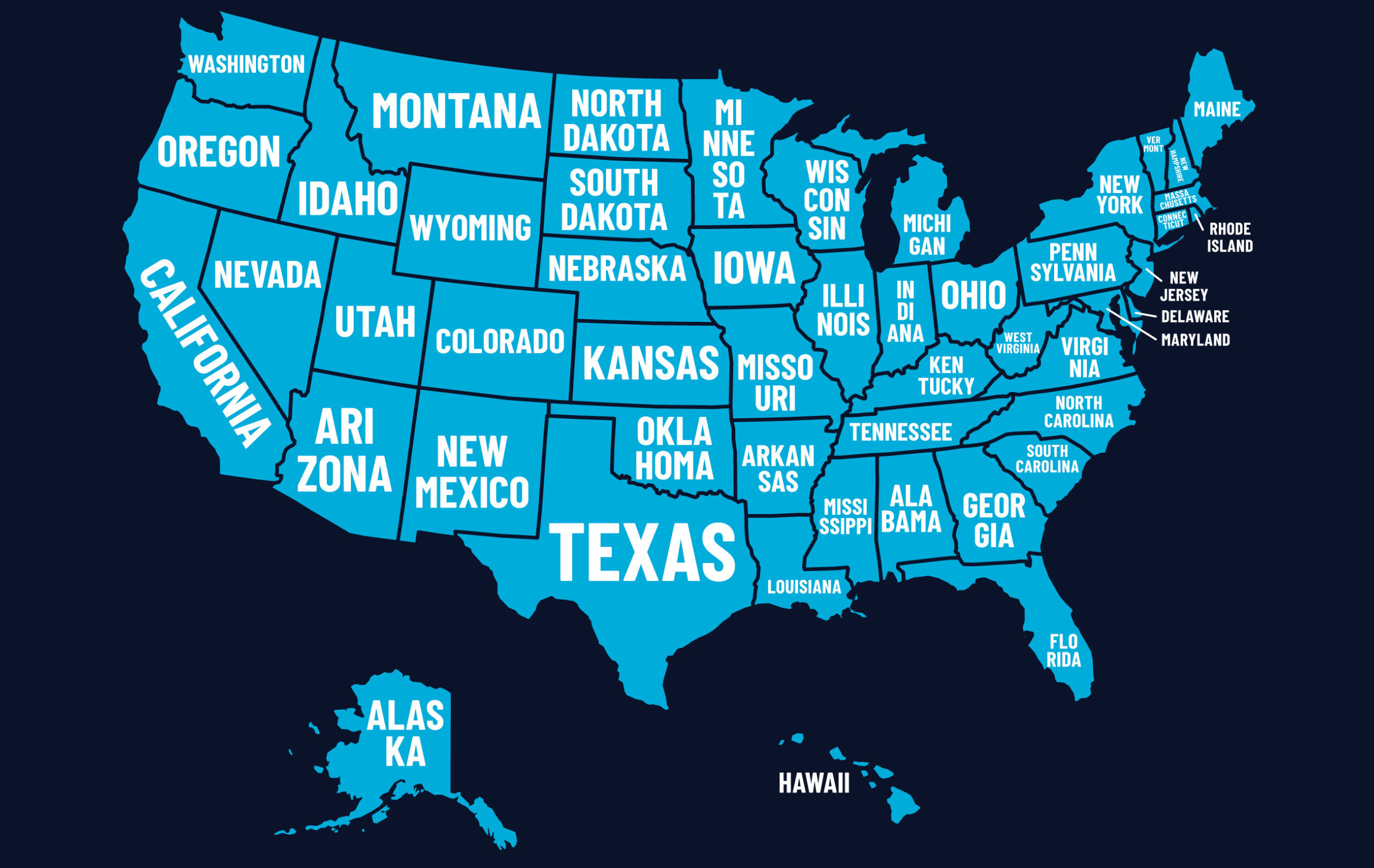
| State availability | Commercial auto currently offered in a limited number of states, expanding over time |
As this table shows, BiBerk positions itself around efficiency and financial strength rather than deep trucking specialization. Therefore, understanding both strengths and limitations helps a fleet owner decide whether it truly fits their operation.
How Does BiBerk – Auto Insurance US Relate to This Topic?
BiBerk – Auto Insurance US is the digital insurance platform behind BiBerk’s auto and commercial trucking products. It operates as the direct-to-consumer and direct-to-business arm through which trucking companies request quotes, bind policies, and manage coverage entirely online. This matters for the topic at hand because commercial truck insurance from BiBerk isn’t sold through a network of independent agents the way many trucking-focused insurers operate; instead, BiBerk – Auto Insurance US serves as the single portal connecting fleet owners to underwriting, policy issuance, and claims support.
This direct model shapes nearly every aspect of the buying experience. Rather than working with a broker who shops multiple carriers, a trucking business interacts straight with BiBerk’s online system, which quotes commercial auto coverage in a matter of minutes. Consequently, the platform appeals most to operators who feel comfortable managing their own insurance decisions and want speed over hand-holding.
At the same time, this efficiency comes with trade-offs worth understanding upfront. Because BiBerk – Auto Insurance US removes the agent layer, businesses lose the advocacy a dedicated trucking insurance broker typically provides during claims or complex underwriting situations. The rest of this article examines both sides of that equation in detail.
Why Do Trucking Businesses Need Specialized Commercial Auto Coverage?
Standard personal auto insurance simply doesn’t extend to vehicles used for business purposes, and most states legally require commercial coverage for any company that owns or leases vehicles. Understanding why this distinction matters helps clarify what a trucking business is actually buying.
What Risks Does a Standard Personal Policy Fail to Cover?
Personal auto policies exclude business use almost entirely, which means a trucking company operating without commercial coverage risks a denied claim after even a minor accident. Additionally, personal policies don’t account for cargo liability, higher-value vehicles, or the increased mileage and wear that commercial vehicles accumulate. As a result, any business transporting goods or people for pay needs a dedicated commercial policy from the outset.
How Does Commercial Auto Insurance Protect the Business Itself?
Commercial auto insurance protects both the vehicle and the broader business. If an employee causes an accident, the policy can cover legal fees, medical costs for others involved, and physical damage to the company’s own vehicles. Moreover, coverage typically extends even when a vehicle is used briefly for personal activities outside its primary business function, which adds a layer of flexibility for owner-operators.
Why Does State-Mandated Coverage Make This Non-Negotiable?
Most states require commercial auto liability coverage for any business that owns or operates vehicles, and trucking companies face additional federal filing requirements on top of that baseline. Skipping proper coverage doesn’t just create financial risk; it can also jeopardize a company’s operating authority. This is precisely the gap BiBerk’s commercial truck insurance product aims to fill.
What Coverage Options Does BiBerk Offer for Trucking Businesses?
BiBerk structures its trucking insurance around a core commercial auto policy, supplemented by add-ons tailored to for-hire and owner-operator trucking. Breaking down these components clarifies what a policy actually includes.
What Does the Core Commercial Auto Policy Cover?
The base policy covers bodily injury and property damage liability if a driver is at fault in an accident, along with physical damage to the insured vehicle itself. It also includes on-hook towing coverage, which protects a truck while it’s being towed. Because trucking businesses often operate a mix of vehicle types, BiBerk’s commercial auto product can extend to standard sedans, work trucks, and larger commercial vehicles depending on the operation.
What Trucking-Specific Add-Ons Are Available?
For businesses in for-hire trucking, BiBerk offers several endorsements layered onto the base policy. These include cargo liability, trailer interchange coverage, uninsured and underinsured motorist protection, and rental reimbursement paired with downtime coverage. Consequently, a fleet operator can build a policy that reflects the actual risks of hauling freight rather than relying on generic commercial auto terms alone.
Can BiBerk Bundle Additional Business Coverage?
Yes. Many trucking businesses also carry general liability, a business owner’s policy, umbrella coverage, cyber insurance, and workers’ compensation. BiBerk allows these policies to be bundled alongside commercial auto, which creates a more complete risk management program under a single provider rather than juggling separate carriers for each line of coverage.
What Does the Coverage Comparison Look Like?
| Coverage Type | What It Protects | Typically Needed By |
|---|---|---|
| Commercial Auto Liability | Bodily injury and property damage from at-fault accidents | All trucking businesses (often state-mandated) |
| Cargo Liability | Freight being transported | For-hire trucking operations |
| Trailer Interchange | Trailers used under interchange agreements | Fleets swapping trailers with other carriers |
| Workers’ Compensation | Employee injuries and lost wages | Businesses with employees (state-mandated in most states) |
| Cyber Insurance | Data breaches and system hacks | Businesses storing client or shipment data |
How Does BiBerk Handle Filings and Compliance for Trucking Companies?
Federal and state compliance adds another layer of complexity for trucking businesses, since operating authority depends on proper filings being in place.
What Federal Filings Does BiBerk Assist With?
BiBerk provides assistance with federal motor-carrier filings, including BMC-91X and MCS-90 forms where applicable. However, the business typically needs to initiate this request directly with BiBerk’s support team and confirm posting timelines. Consequently, it helps to plan the filing timeline alongside authority activation, since gaps between the two can delay a company’s ability to legally operate.
Does BiBerk Write Coverage for New Trucking Authorities?
Generally, no. BiBerk’s underwriting appetite favors established operators with clean driving and claims histories rather than brand-new authorities. This means startups seeking their first operating authority may need to look elsewhere initially, then consider BiBerk once the business has a track record.
How Should a Business Confirm Its Filing Needs?
Before binding a policy, it’s worth confirming exactly which filings BiBerk will handle versus which the business must coordinate independently. Since requirements vary by state and operation type, clarifying this upfront prevents surprises when it’s time to activate authority or respond to a shipper’s certificate request.
Who Is BiBerk Commercial Truck Insurance Best Suited For?

Not every trucking operation fits the same insurance model, so it helps to identify where BiBerk performs best.
Which Types of Operators Benefit Most?
Owner-operators and small to mid-size fleets that prefer a self-serve, digital experience tend to get the most value from BiBerk. These businesses typically want fast quoting, straightforward certificates of insurance, and predictable billing without waiting on a broker to shop the market. BiBerk markets its direct model as a way to reduce overhead costs that would otherwise fund agent commissions, which can translate into competitive pricing for straightforward risks.
Which Transportation Niches Does BiBerk Market To?
The company markets its trucking coverage across a range of niches, including local and long-distance trucking, dump trucking, towing, hot shot, courier services, and livestock transport. That said, underwriting appetite and limits vary by state and vehicle class, so aligning a quote with the business’s specific lanes, commodities, and equipment matters before assuming coverage will apply cleanly.
When Should a Business Consider a Different Insurer Instead?
Businesses with complex operations, multiple states of authority, or a need for hands-off management of every filing may find BiBerk’s more limited trucking specialization a constraint. Likewise, operations that specifically need hired and non-owned auto coverage directly on the commercial auto policy, rather than a companion policy, should confirm feasibility before planning around BiBerk. In these cases, working with an experienced advisor can help identify whether BiBerk or an alternative carrier better matches the operation’s complexity.
How Does BiBerk’s Direct Model Compare to Traditional Trucking Insurance Brokers?
Understanding the trade-offs of a direct-to-business model helps clarify what a trucking company gains and gives up by choosing BiBerk.
What Does the Business Gain by Skipping a Broker?
Working directly with BiBerk – Auto Insurance US typically means faster quoting and binding, since there’s no back-and-forth with a broker gathering information for multiple carriers. Additionally, the online portal lets policyholders request certificates of insurance, pull auto ID cards, report claims, and make payments without waiting on business hours or callback windows.
What Does the Business Give Up Without an Agent?
The trade-off is advocacy. A knowledgeable trucking insurance broker can negotiate on a client’s behalf during claims disputes, spot coverage gaps specific to a niche operation, and shop multiple markets to find the best combination of price and terms. Without that layer, a BiBerk policyholder handles more of this work independently, which suits confident, established operators better than newer or more complex businesses.
How Does Financial Strength Factor Into the Decision?
Regardless of the buying model, financial strength matters enormously for long-tail liability claims that can take years to resolve. BiBerk’s policies are underwritten by Berkshire Hathaway affiliates carrying an AM Best A++ rating, which is the highest possible designation. This backing gives policyholders confidence that claims will be paid even years down the line, an important factor for any trucking business weighing long-term risk.
How Does the Claims Process Work with BiBerk?
Understanding how claims actually unfold matters just as much as understanding what a policy covers, since the claims experience is where insurance either proves its value or falls short.
How Do You Report a Claim?
Policyholders report claims directly through BiBerk’s online portal, which reflects the company’s broader digital-first philosophy. Rather than calling an agent who then relays information to the carrier, the trucking business submits details straight into BiBerk’s system. This can speed up the initial reporting step considerably, especially for straightforward incidents like a minor collision or vehicle damage.
What Should Fleet Owners Expect During the Process?
Because BiBerk doesn’t maintain a 24/7 call center, response times outside business hours may lag behind what some trucking operations expect, particularly for time-sensitive incidents involving stranded cargo or drivers. Additionally, since the model skips a dedicated agent, some policyholders report that claims handling can feel less tailored to trucking-specific nuances compared to a specialty carrier that lives and breathes the industry every day.
How Can Businesses Prepare for a Smoother Claims Experience?
Fleet owners can reduce friction during claims by keeping documentation organized ahead of time: driver qualification files, vehicle maintenance records, and clear photos or telematics data from incidents all help speed up resolution. Moreover, confirming certificate and loss-payee wording in advance, particularly for leased or financed vehicles, prevents delays when a claim needs to move quickly.
Which Industries and Trucking Niches Does BiBerk Serve Best?

While BiBerk markets to a range of transportation businesses, certain niches tend to align more naturally with its underwriting appetite and digital model than others.
How Does BiBerk Serve Local and Regional Haulers?
Local and regional trucking operations, which typically run more predictable routes and shorter hauls, often fit well within BiBerk’s underwriting comfort zone. These businesses tend to have more consistent risk profiles, which suits a digital, data-driven underwriting process better than highly variable long-haul or specialized freight operations.
How Does BiBerk Serve Owner-Operators and Small Fleets?
Owner-operators represent a core part of BiBerk’s target audience, since these businesses generally value speed, simplicity, and cost savings over the deep, ongoing advisory relationship a broker provides. For a single-truck operation or a fleet of just a few vehicles, the self-service portal covers most day-to-day insurance needs without requiring dedicated administrative staff.
How Does BiBerk Serve Specialized Freight and Livestock Transport?
BiBerk also markets coverage toward niche categories like hot shot trucking, courier services, and livestock transport. However, because these operations often carry unique risks — temperature-sensitive cargo, live animals, or irregular routes — it’s especially important to confirm that endorsement limits and terms genuinely match the operation before binding a policy, rather than assuming standard trucking coverage will automatically apply.
Why Does Financial Strength Matter More in Trucking Insurance Than in Other Industries?
Trucking carries a uniquely long liability tail compared to many other business types, which makes carrier financial strength especially important.
What Is a Long-Tail Liability Claim?
Serious trucking accidents, particularly those involving injury or death, can take years to fully litigate and resolve. During that time, the insurance carrier needs to remain financially capable of paying out the eventual settlement or judgment, regardless of how long the process takes. This is precisely the scenario where a carrier’s financial rating becomes more than just a marketing detail.
How Does Berkshire Hathaway’s Backing Address This Risk?
Because BiBerk’s policies are underwritten by Berkshire Hathaway affiliates, policyholders gain the backing of one of the most financially stable insurance groups in the world. Berkshire Hathaway Insurance Group has paid out tens of billions of dollars in claims across its portfolio, which reflects a level of capital reserve that smaller, niche trucking insurers may not be able to match during a catastrophic claim year.
What Does This Mean for a Growing Trucking Business?
For a mid-size trucking operation planning for long-term stability, choosing a carrier with strong financial backing reduces the risk of facing an insurer that can’t pay a major claim or that exits the market during a downturn. In that sense, BiBerk’s Berkshire Hathaway affiliation offers a layer of security that complements its speed and convenience, rather than competing with it.
What Are the Benefits of BiBerk Commercial Truck Insurance?

Bringing the previous sections together, here’s a consolidated list of BiBerk’s core advantages for trucking businesses:
- Top-tier financial backing — AM Best A++ rating through Berkshire Hathaway affiliates
- Fast, direct quoting — policies can be quoted and bound online, often within minutes
- No broker markup — direct model aims to reduce overhead costs passed to policyholders
- Trucking-specific add-ons — cargo liability, trailer interchange, downtime, and rental reimbursement
- Bundling flexibility — general liability, BOP, umbrella, cyber, and workers’ compensation available alongside commercial auto
- Self-service portal — certificates of insurance, ID cards, claims reporting, and payments in one place
- Filing assistance — support with BMC-91X and MCS-90 federal filings where applicable
What Should You Consider Before Choosing BiBerk?
Every insurance decision involves trade-offs, and BiBerk is no exception. A few considerations deserve attention before committing.
Does BiBerk Offer Coverage in Every State?
No. BiBerk’s commercial auto product is currently available in a limited number of states rather than nationwide, so it’s worth confirming availability for the business’s operating region before assuming coverage will apply. Broader business insurance lines, such as general liability and workers’ compensation, tend to have wider state availability than commercial trucking coverage specifically.
How Does Claims Handling Compare to Specialty Trucking Insurers?
BiBerk’s claims process reflects its digital-first approach, which works well for straightforward claims but may lack the deep trucking-industry expertise that specialty insurers bring to complex cargo or liability disputes. Consequently, businesses hauling high-value or specialized cargo may want to weigh this trade-off carefully against the cost savings of the direct model.
Is BiBerk the Right Fit for Every Fleet Size?
BiBerk tends to work best for owner-operators and small to mid-size fleets rather than large, complex trucking operations spanning many states and vehicle classes. Larger fleets with more intricate risk profiles may need a specialty trucking insurer or a broker who can access multiple markets simultaneously.
Conclusion: Is BiBerk Commercial Truck Insurance Worth Considering?
Pulling everything together, BiBerk commercial truck insurance offers a compelling combination for the right kind of trucking business: unquestionable financial strength through Berkshire Hathaway, a fast and modern online buying experience, and trucking-specific add-ons that address real operational risks like cargo and trailer interchange. For established owner-operators and small to mid-size fleets that value speed and self-service over agent advocacy, BiBerk – Auto Insurance US delivers a genuinely efficient path to coverage.
That said, the direct model isn’t the right fit for every operation. Newer authorities, businesses needing hands-off filing management, and fleets with complex, multi-state operations may find the lack of agent support a real limitation. As with any insurance decision, the value of BiBerk commercial truck insurance ultimately depends on how well its strengths align with a specific business’s needs — and getting that alignment right is exactly where thoughtful planning, potentially with a partner like Solution for Guru, makes the difference.
Frequently Asked Questions
Not entirely. BiBerk’s commercial auto and trucking coverage is currently offered in a limited number of states rather than all fifty, so it’s important to confirm availability for the business’s specific operating region directly through BiBerk – Auto Insurance US before assuming coverage applies.
Generally, BiBerk favors established operators with clean records rather than brand-new authorities. Businesses just starting out may need to secure coverage elsewhere initially and consider BiBerk – Auto Insurance US once they’ve built an operating history.
Yes, cargo liability is available as an add-on for for-hire trucking operations, alongside other trucking-specific endorsements like trailer interchange and downtime coverage. Confirming exact cargo limits and terms during the quoting process ensures the policy matches the type and value of freight being hauled.
What Are the Benefits of Partnering with Solution for Guru for Your Insurance Strategy?
Selecting a carrier is only one part of building a sound insurance strategy; structuring coverage correctly around the business’s actual operations is what determines whether that coverage performs when it matters. This is where working with Solution for Guru adds real value.
Solution for Guru is a technology and business solutions provider with experience helping companies integrate and optimize the systems that support their operations, from CRM and payroll to broader business technology decisions. Applying that same structured, detail-oriented approach to insurance planning offers trucking businesses several concrete advantages:
- Clearer risk assessment — an experienced partner helps map out which coverages, endorsements, and limits actually match the business’s fleet, cargo, and operating footprint
- Better coordination across systems — insurance decisions rarely exist in isolation; Solution for Guru helps ensure policy management integrates smoothly with the business’s broader operational and record-keeping tools
- Reduced administrative burden — rather than managing filings, certificates, and renewals internally, a business can lean on an experienced partner to keep these details organized and current
- Ongoing optimization — as a fleet grows or adds new routes, cargo types, or vehicles, Solution for Guru can help revisit coverage to ensure it still matches the business’s evolving risk profile
- Objective guidance — rather than relying solely on a single carrier’s marketing, an independent partner can help a business weigh options like BiBerk against its actual operational needs
In short, the right insurance policy only delivers value when it’s structured correctly around the business it protects. Partnering with a knowledgeable team like Solution for Guru helps trucking companies make that connection deliberately, rather than discovering coverage gaps after a claim.
Recommended
- Progressive Commercial Auto Insurance for LLCs and Sole Proprietors
- How Progressive Handles Dual-Use Vehicles for Business and Personal Driving
- What Do Car Insurance Agents Actually Do — and How Do You Find the Best One for Your Needs?
- How to Lower Car Insurance: A Practical Guide to Reducing Your Premiums
- Minimum Liability Limits for Business Vehicles Explained
- Bundling Policies with biBERK: Pros and Cons
- How Does Progressive Insurance Help High-Risk Drivers Get Covered?
- Common Progressive Commercial Policy Mistakes Small Businesses Make
- Progressive vs biBERK vs NEXT: Which Commercial Auto Insurance Offers Better Value?
- What Does Progressive Commercial Auto Insurance Actually Cover?
- AI in Commercial Auto Insurance: Smarter Risk Assessment
- Understanding biBERK’s Claims Process for Commercial Auto Insurance
- When Is Progressive More Expensive Than Regional Commercial Auto Insurers?
- Top Progressive Discounts Small Business Owners Should Know About
- 24/7 Policy Management: How Progressive Supports Busy Business Owners
- Is biBERK a Good Choice for Small Business Owners?
- Checklist: Documents Needed for Commercial Auto Insurance
- How Food Truck Owners Can Benefit from Commercial Auto Insurance
- Commercial vs. Personal Auto Insurance: What’s the Difference?