Does Your Driving Record Affect biBERK Commercial Auto Insurance Rates?
If you run a business that depends on vehicles — whether it’s a single work van or a small fleet of delivery trucks — you’ve probably wondered how much your drivers’ history behind the wheel actually shapes what you pay for coverage. The short answer is yes, driving records matter. But the way they affect your premium is more nuanced than a simple “one ticket, higher price” formula.
This article explains exactly how driving records factor into commercial auto insurance rates, what insurers look at when they review a policy, and how you can keep your costs manageable even after an incident.
Table of contents
Quick Summary
- Driving records do influence commercial auto insurance rates, but an accident doesn’t automatically guarantee a rate increase.
- Rates get reassessed each time a policy is rewritten at renewal, not mid-term.
- Insurers weigh driving records alongside vehicle type, usage, claims history, coverage limits, and deductibles.
- Businesses with clean driving records can qualify for safe driver and accident-free discounts.
- biBERK – Auto Insurance US offers commercial auto coverage directly to businesses, which can reduce costs by up to 20% compared to providers that rely on brokers.
- Solution For Guru helps businesses put safer driving practices and cleaner records in place, supporting long-term savings on commercial insurance.
BiBerk – Auto Insurance US: How Does This Company Relate to the Topic?

BiBerk – Auto Insurance US is a commercial insurance provider that sells coverage directly to business owners, without going through brokers or middlemen. This direct-to-consumer model matters for this topic specifically because driving records are one of the central inputs biBERK uses when calculating and adjusting commercial auto insurance premiums.
Why Focus on biBERK for This Topic?
biBERK is part of Berkshire Hathaway Insurance Group, a long-established name in the insurance industry. According to biBERK’s own materials, the company brings insurance industry experience, financial resources, and positive customer reviews, backed by Berkshire Hathaway Insurance Group’s millions of satisfied customers, a 4.9 out of 5 customer review rating, more than 75 years of insurance experience, and $62 billion in paid claims in 2025. That scale gives the company real data to draw on when assessing how driving history should influence pricing.
What Makes biBERK’s Approach to Pricing Different?
Because biBERK sells directly to customers without brokers involved in the transaction, the company can provide insurance for up to 20% less than other insurance companies. This direct model doesn’t change whether driving records matter — they still do — but it does mean businesses aren’t paying an added broker markup on top of whatever their driving history already costs them.
Does Your Driving Record Actually Affect Your Commercial Auto Rate?
Yes, it does — though not in the way many business owners assume. Your driving record is one of several factors insurers weigh, and it typically comes into play at specific points in your policy cycle rather than immediately after every incident.
When Does a Driving Record Actually Get Reassessed?
Commercial auto policies aren’t adjusted in real time. Instead, according to biBERK, your policy is rewritten each time it expires, and when that occurs, your driving record is a factor in determining your rate. That means your rate may go up, but an increase isn’t guaranteed just because of an accident.
What Happens Immediately After an Accident?
If one of your drivers is involved in an accident mid-term, don’t expect an immediate premium change. biBERK confirms that your current policy won’t be affected, but your next term or renewal may be, since policies are rewritten each time they expire. This gives business owners a window to address the underlying issue — whether that’s additional driver training or a policy change — before the next renewal cycle.
Does a Single Ticket or Minor Incident Guarantee a Rate Hike?
Not necessarily. Insurers look at the full picture: how many incidents occurred, their severity, and whether they were at-fault. A single minor violation carries far less weight than a pattern of repeated at-fault accidents. biBERK notes that even after an accident, a rate increase isn’t guaranteed just because you were involved in an accident, which underscores that context and history matter more than any single event.
What Other Factors Combine with Driving Records to Set Your Rate?
Driving history rarely stands alone in a pricing decision. Insurers typically layer it together with several other variables to arrive at a final premium.
What Does biBERK Consider When Pricing a Policy?

According to biBERK’s coverage documentation, many factors are assessed when determining commercial auto insurance cost, including the types of vehicles, what the vehicles are used for, how much you drive, where you drive, where you store the vehicles, information about the people who will be driving them (including their driving records), and your claims history, along with the coverage limits and deductibles you choose.
How Do These Factors Break Down in Practice?
| Factor | Why It Matters |
|---|---|
| Driving records | Reflects the risk each driver brings to the policy |
| Claims history | Shows the company’s overall accident and incident pattern |
| Vehicle type | Some vehicles cost more to repair or pose higher risk |
| Vehicle usage | For-hire trucking carries different risk than local delivery |
| Mileage | More time on the road increases exposure to accidents |
| Location | Traffic density and regional accident rates vary |
| Storage | Vehicles parked in secured locations face less theft/vandalism risk |
| Coverage limits and deductibles | Higher limits and lower deductibles typically raise premiums |
How Much Can Vehicle Use Actually Move the Price?
Usage type creates significant swings in cost, independent of driving records. For example, biBERK notes that commuter or consultant use of smaller vehicles can cost $600 to $1,500 per vehicle per year, while vehicles used in for-hire trucking operations can cost $5,000 to $15,000 per vehicle annually, and livery vehicles commonly cost $2,000 to $6,000 per vehicle per year. A clean driving record helps regardless of category, but the baseline cost still depends heavily on what the vehicle actually does for your business.
How Do Insurers Evaluate Individual Drivers’ Records?
Since commercial policies often cover multiple drivers, insurers don’t just look at the business owner’s record — they assess everyone with regular access to company vehicles.
Who Actually Gets Reviewed on a Commercial Policy?
biBERK’s guidance explains that a policy can cover employees, family members, and others who have permission to drive company vehicles, and people who do so on a regular basis should be noted on the policy. This means each of those regular drivers’ histories can factor into the overall rate, not just the primary policyholder’s.
What Should You Do Before Hiring a New Driver?
biBERK recommends a proactive screening step before adding anyone new to the road. Business insurance guidance suggests companies should check applicant driving records, since potential employees with a history of traffic offenses and accidents pose a greater liability risk, and businesses should obtain a report from the state’s Department of Motor Vehicles and review it carefully.
Should You Also Recheck Existing Employees?
Yes. It’s not just new hires who warrant a look. The same guidance notes that companies should also check the driving record of existing employees who are changing roles and will have driving responsibilities. A staff member moving from an office role into a delivery or field role introduces new risk to the policy that wasn’t previously accounted for.
How Often Should Driving Records Actually Be Checked?
There’s no single universal rule, but many businesses find it useful to check records at hiring, whenever a role changes, and then again on a set schedule — annually is a common baseline. Some states also limit how frequently an employer can pull a driving record, so it’s worth confirming local requirements before setting a company-wide policy. The goal isn’t to check obsessively; it’s to make sure the record on file actually reflects current reality by the time renewal comes around.
What Should You Do If You Discover a Problematic Record?
Finding a concerning record doesn’t automatically mean removing someone from driving duties, though in some cases that’s the right call. Many businesses first look at additional training, a probationary period with closer monitoring, or a temporary reassignment to non-driving responsibilities while the employee works to improve their record. Documenting these steps also demonstrates good-faith risk management, which can matter if the situation ever comes up during a renewal conversation.
What Steps Can Reduce Driver-Related Risk Company-Wide?
- Screen applicant driving records before assigning driving duties.
- Recheck existing employees’ records when their role changes.
- Buy vehicles with strong safety ratings and available safety features.
- Store vehicles in secured locations to reduce theft and vandalism exposure.
- Reinforce safe driving practices through ongoing training.
How Does Claims History Interact with Driving Records?

Claims history and driving records are closely related but not identical. One reflects what actually happened on the road; the other reflects how those incidents translated into insurance claims.
Why Does the Number of Claims Matter So Much?
Insurers pay close attention to frequency. As biBERK puts it, the more claims a business has, or the more incidents its drivers have had, the higher its rate is likely to be, so taking action to reduce accident risk also helps keep insurance costs low. This is a direct, practical link between everyday driving behavior and what a business ultimately pays.
Can You Reduce Claims Frequency Through Prevention?
Absolutely, and biBERK points to concrete prevention tactics rather than leaving this to chance. The company advises businesses to buy vehicles with good safety records, since some vehicles are designed to be safer and less prone to accidents, and businesses should purchase vehicles with high safety ratings along with optional safety features. Combined with driver screening, this creates a layered approach to keeping both accident frequency and resulting claims low.
What’s the Long-Term Payoff of a Clean Claims Record?
Fewer claims compound into meaningful savings over time, since each renewal cycle reflects the business’s recent history rather than a fixed, unchanging rate. A company that consistently avoids at-fault incidents builds a track record that keeps working in its favor at every future renewal, not just the next one.
What Discounts Can Improve Your Rate If Your Record Is Clean?

A strong driving record doesn’t just avoid rate increases — it can actively unlock savings through specific discount programs.
What Is a Safe Driver Discount?
A safe driver discount rewards businesses whose drivers maintain few or no accidents and traffic violations. According to guidance on biBERK‘s commercial auto offerings, safe driver discounts are available to businesses that have few or no accidents or traffic violations, and the discount can vary depending on the insurance company and the business’s driving record.
What Is an Accident-Free Discount, and How Does It Differ?
An accident-free discount specifically rewards a clean accident history rather than a broader violation-free record. Businesses that qualify see real, tangible benefits: reduced premiums, improved cash flow from lower insurance costs, and increased safety, since accident-free discounts encourage drivers to drive more carefully.
How Can You Position Your Business to Qualify?
| Discount Type | What It Rewards | How to Qualify |
|---|---|---|
| Safe driver discount | Few or no accidents/violations across drivers | Maintain clean records company-wide |
| Accident-free discount | No at-fault accidents over a policy period | Avoid preventable collisions |
| Multi-policy discount | Bundling multiple policy types | Purchase auto insurance alongside other coverage |
How Can You Minimize Rate Increases If an Incident Does Happen?
Even businesses with strong safety cultures occasionally deal with an accident. What matters most afterward is how the business responds and what it does before the next renewal.
What Practical Steps Reduce Future Rate Impact?
biBERK offers direct guidance here, noting that businesses can minimize rate increases by driving carefully and avoiding accidents, and can also reduce the likelihood of vehicles being stolen or vandalized by locking them in a secured garage at night.
Is Every Rate Change Outside a Business Owner’s Control?
Not entirely, but some variables genuinely are. As biBERK acknowledges, using safe driving practices is helpful, but there are still many variables outside a driver’s control — the behavior of other drivers, road hazards, and weather conditions, among others. This is a useful reminder that a rate increase after an incident doesn’t necessarily reflect poor management; insurers understand that not every accident is preventable.
Should You Shop Around After a Rate Increase?
It’s worth comparing providers, but cost isn’t the only variable that should factor into that decision. biBERK suggests looking beyond price alone: an important consideration when searching for the best commercial auto insurance provider is the company’s insurance rating, since biBERK’s major insurance subsidiaries are rated A++ by A.M. Best Company and AA+ by Standard & Poor’s Corporation, reflecting superior financial health and operating performance. A cheaper policy from a less financially stable insurer may not be the better long-term choice.
What Should Business Owners Do to Manage Driving-Record Risk Long Term?
Managing driving-record risk isn’t a one-time task — it’s an ongoing part of running a vehicle-dependent business, and the businesses that treat it that way tend to see the most consistent savings.
How Should You Build an Internal Driving Policy?
Start by setting clear expectations for anyone who drives a company vehicle: seatbelt use, phone policies, speed limits, and reporting requirements after any incident, however minor. Document this policy, share it during onboarding, and revisit it whenever a new vehicle type or role gets added to the business.
Why Does Regular Monitoring Matter More Than a One-Time Check?
A driving record checked once at hiring can look very different two years later. Building in a routine review — annually, or whenever a driver’s role changes — keeps the business’s overall risk profile current instead of relying on outdated information at renewal time.
How Does This Connect Back to Insurance Costs?
Every one of these internal steps ties directly back to what a business pays at renewal. Since biBERK rewrites policies at each renewal and factors in driving records at that point, a business that actively manages driver behavior between renewals is effectively managing its future premium, not just its safety record.
How Do State and Regional Factors Interact with Your Driving Record?
A driving record doesn’t exist in isolation — where your business operates and where your vehicles travel also shapes how much that record ultimately costs you.
Why Does Location Affect the Weight of a Driving Record?
Insurers price risk based on the environment a vehicle actually operates in, not just the driver’s history in isolation. A business operating in a dense urban area with heavy traffic faces a statistically higher chance of accidents than one running routes through low-traffic rural roads, even with drivers who have identical records. This means the same clean driving record might produce a lower premium in one region than in another, simply because the surrounding driving conditions differ.
Does Coverage Availability Vary by Region?
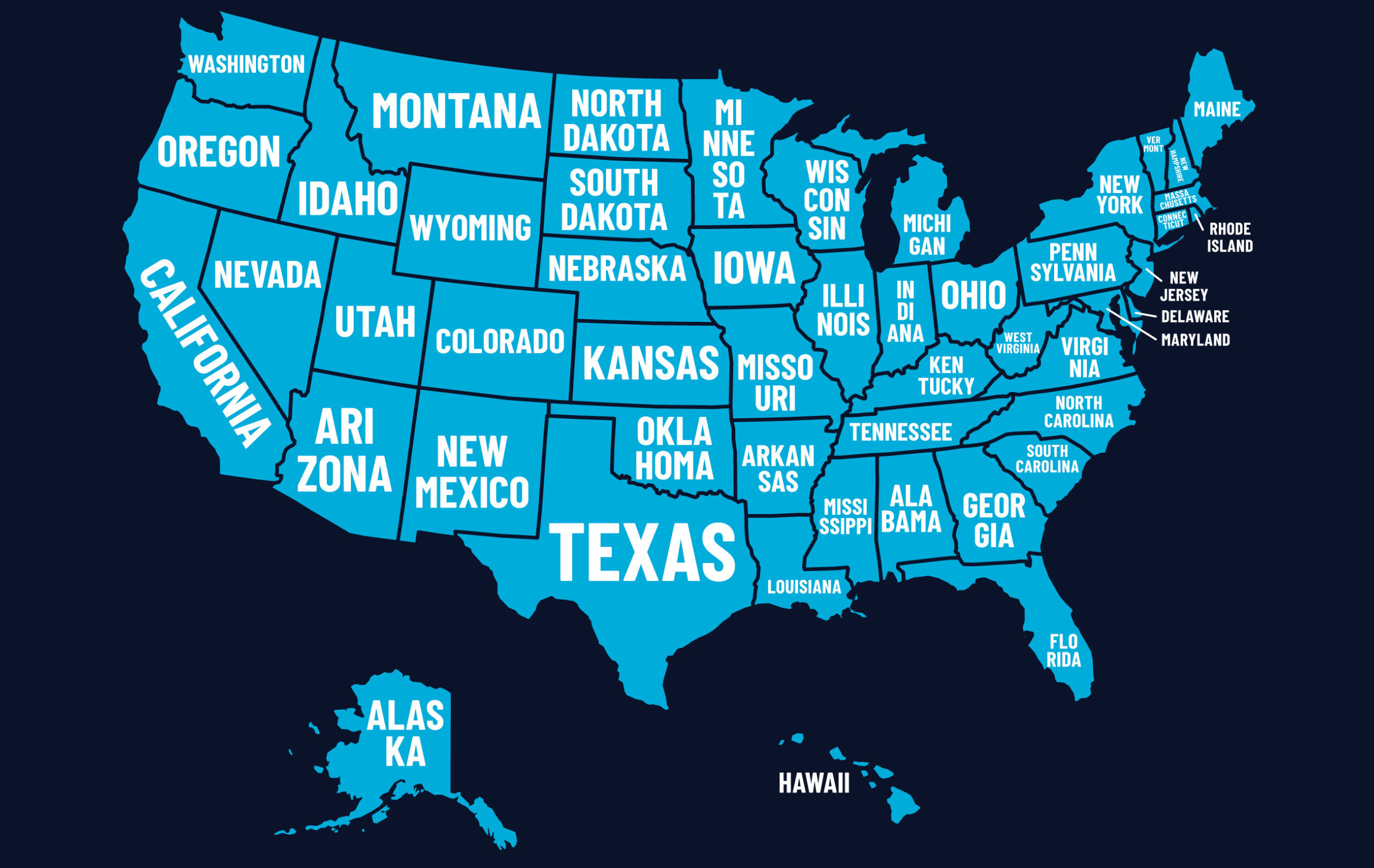
Yes, and this is worth checking before assuming a quote applies everywhere. biBERK maintains coverage across many but not all locations, and businesses should confirm availability for their specific area before finalizing a policy. Checking a provider’s coverage map early in the process avoids surprises later, especially for businesses that operate across state lines or plan to expand into new markets.
How Should Multi-State Operations Think About Driving Records?
Businesses running vehicles across multiple states should expect their overall risk profile to reflect the combined driving history and conditions across all those regions, not just the state where the business is headquartered. Keeping consistent, company-wide driver policies — rather than looser standards in some states than others — helps maintain a uniform, favorable record across the entire operation.
What Does a Typical Rate Change Look Like in Practice?
Working through a hypothetical scenario helps illustrate how these pieces fit together at renewal time.
Scenario: A Small Delivery Business with One At-Fault Accident
Imagine a small business running two delivery vans, both driven regularly by two employees. Midway through the policy term, one employee is involved in an at-fault accident. Under biBERK’s model, that accident doesn’t change anything about the current term’s premium. It does, however, become part of the driving and claims history reviewed when the policy comes up for renewal.
What Factors Soften the Impact in This Scenario?
If this is the only incident in an otherwise clean multi-year history, and the business has no other claims, the renewal increase is likely to be modest rather than dramatic. Insurers weigh isolated incidents differently than recurring patterns. A business that also demonstrates proactive steps — enrolling the driver in additional training, tightening internal safety policies — strengthens its case for a smaller adjustment.
What Factors Would Make the Impact More Significant?
If the same business had multiple at-fault incidents across several drivers within a short period, the renewal impact would likely be more pronounced, since that pattern signals a broader risk trend rather than an isolated event. This is why claims frequency, not just claims existence, plays such a heavy role in how insurers like biBERK approach pricing.
How Does Fleet Size Change the Way Driving Records Are Weighed?

The math behind commercial auto pricing shifts somewhat depending on whether a business insures one vehicle or a larger fleet.
How Are Single-Vehicle Policies Priced Differently from Fleets?
A business with a single vehicle and one primary driver has a fairly straightforward risk profile — that one person’s driving record carries significant weight in the overall rate. Fleet policies covering multiple vehicles and drivers spread risk across a larger group, meaning one driver’s poor record has a smaller proportional impact on the total premium than it would for a single-vehicle policy.
Does a Larger Fleet Mean Lower Risk Overall?
Not necessarily lower risk, but often more predictable risk. Insurers can use aggregate data across a larger group of drivers to price more consistently, since one outlier incident is less likely to swing the entire policy compared to a business insuring just one or two vehicles. That said, a fleet with a consistently poor safety culture across many drivers will still see costs reflect that pattern over time.
What Should Growing Businesses Keep in Mind as They Add Vehicles?
As a business scales from one vehicle to several, it’s worth revisiting internal driver policies at each stage of growth. What worked informally for a single owner-operator often needs to become a documented, company-wide standard once multiple employees are regularly behind the wheel. This transition point is exactly when driving-record screening and ongoing monitoring become most valuable — before, rather than after, a pattern of incidents develops.
Conclusion
Your driving record does affect your commercial auto insurance rate, but the relationship isn’t as blunt as a single accident automatically triggering a higher bill. Insurers, including biBERK – Auto Insurance US, reassess pricing at renewal, weighing driving history alongside claims history, vehicle type, usage, coverage limits, and more. A clean record — maintained through careful driver screening, ongoing safety practices, and prompt attention to any incidents — puts a business in a strong position for safe driver and accident-free discounts at every future renewal.
biBERK’s direct-to-business model means those savings aren’t diluted by broker markups, and its backing from Berkshire Hathaway Insurance Group adds a layer of financial stability worth factoring into any comparison shopping. For businesses that want extra support building the internal practices that keep driving records clean — from applicant screening processes to ongoing safety training — Solution For Guru offers practical guidance tailored to how a business actually operates. Partnering with Solution For Guru helps ensure that the systems supporting driver safety are as solid as the coverage protecting the business, which pays off at every renewal with biBERK – Auto Insurance US.
Frequently Asked Questions
No, not immediately. biBERK confirms that a current policy isn’t affected mid-term; instead, the next renewal reflects any changes to a driver’s record, since policies are rewritten each time they expire. An accident also doesn’t guarantee a rate increase — it’s evaluated alongside the broader driving and claims history.
Yes. Businesses with strong driving records can qualify for safe driver discounts and accident-free discounts, both of which reduce premiums and reward companies that maintain low accident and violation rates across their drivers.
biBERK’s coverage extends to employees, family members, and others authorized to drive company vehicles, and anyone who drives regularly should be listed on the policy. Because of this, each regular driver’s record can influence the overall rate, not just the business owner’s history.
Recommended
- Does Business Location Affect biBERK Commercial Auto Insurance Rates?
- How Progressive Supports Small Fleets: Coverage Options for 2–10 Vehicles
- How Berkshire Hathaway Companies Like biBERK Are Innovating Insurance
- Delivery Drivers and Courier Services: Progressive Commercial Auto Insurance Breakdown
- BiBerk Hired and Non-Owned Auto Insurance: Does Your Business Really Need It?
- BiBerk Commercial Truck Insurance: Is It the Right Coverage for Your Fleet?
- Progressive Commercial Auto Insurance for LLCs and Sole Proprietors
- How Progressive Handles Dual-Use Vehicles for Business and Personal Driving
- What Do Car Insurance Agents Actually Do — and How Do You Find the Best One for Your Needs?
- How to Lower Car Insurance: A Practical Guide to Reducing Your Premiums
- Minimum Liability Limits for Business Vehicles Explained
- Bundling Policies with biBERK: Pros and Cons
- How Does Progressive Insurance Help High-Risk Drivers Get Covered?
- Common Progressive Commercial Policy Mistakes Small Businesses Make
- Progressive vs biBERK vs NEXT: Which Commercial Auto Insurance Offers Better Value?
- What Does Progressive Commercial Auto Insurance Actually Cover?
- AI in Commercial Auto Insurance: Smarter Risk Assessment
- Understanding biBERK’s Claims Process for Commercial Auto Insurance
- When Is Progressive More Expensive Than Regional Commercial Auto Insurers?