Understanding biBERK’s Claims Process for Commercial Auto Insurance

A fender-bender in a company van. A rear-end collision in a delivery truck. A dispute over property damage caused by a business vehicle. These events happen every day across the United States, and when they do, a business’s commercial auto insurance policy becomes its most important financial tool. Filing a claim quickly, correctly, and with a carrier that actually responds — that is where the difference between good insurance and great insurance becomes clear.
biBERK, a direct-to-business insurer and division of the Berkshire Hathaway Insurance Group, built its entire model around simplifying that experience. From quoting to purchasing to filing a claim, biBERK puts control in the hands of the business owner through a fully digital platform that requires no brokers, no middlemen, and no unnecessary delays.
This article breaks down exactly how biBERK’s commercial auto insurance claims process works, what coverage the policy includes, how pricing compares across business types, and what small business owners in the US need to know before — and after — an incident on the road.
Table of contents
Quick Summary: biBERK Commercial Auto Insurance at a Glance
| Category | Detail |
|---|---|
| Company | biBERK Insurance Services (Berkshire Hathaway Division) |
| Founded | 2015 |
| AM Best Rating | A++ (Superior) |
| BBB Rating | A+ (Accredited) |
| Claims Filing | Online or by phone |
| Policy Management | Fully online (portal and mobile) |
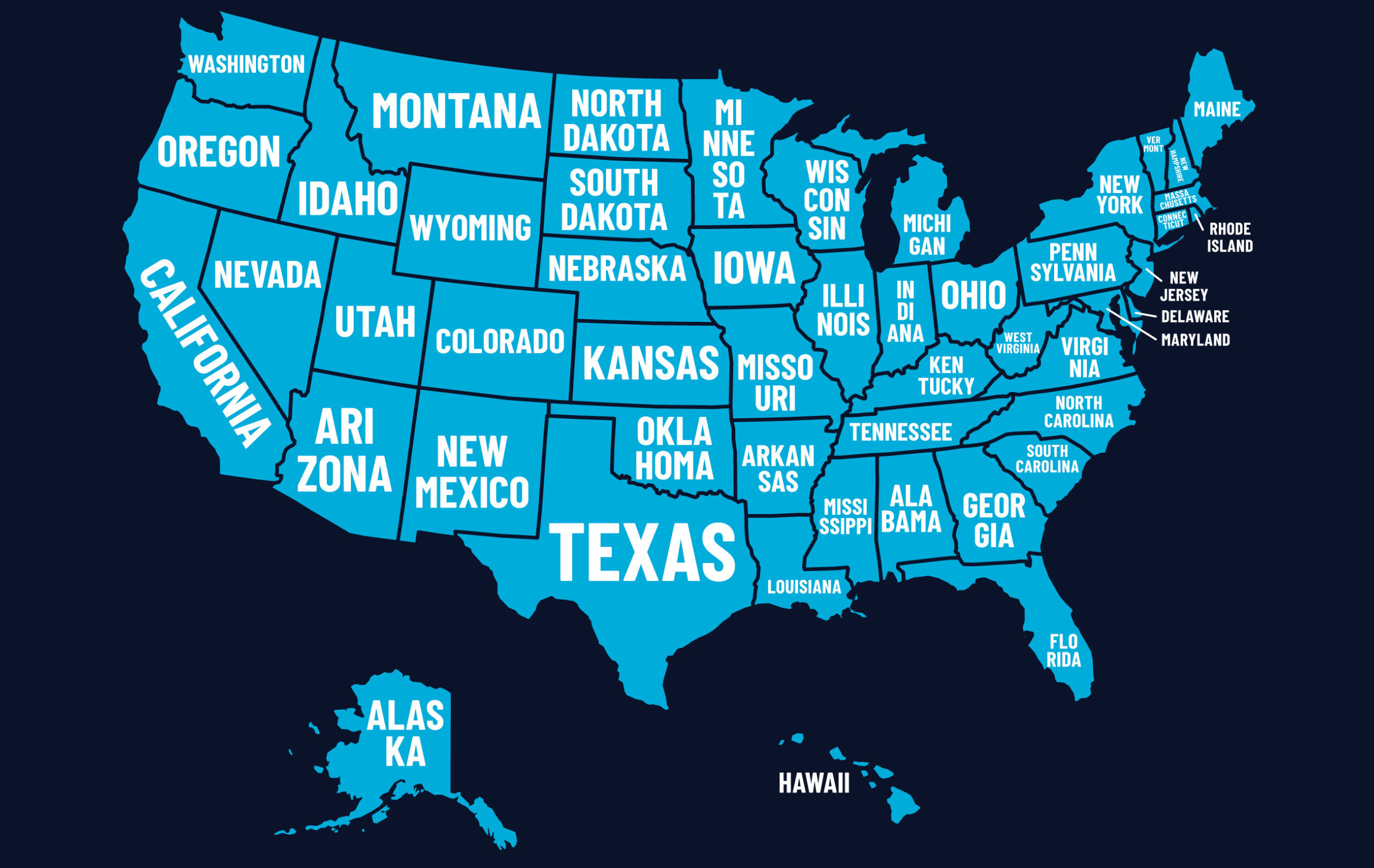
| Commercial Auto Available In | 21 states (as of 2026) |
| Typical Pricing | $600–$15,000+/vehicle/year (varies by vehicle type and use) |
| Potential Savings | Up to 20% vs. broker-sold policies |
| Supported Vehicle Types | Vans, trucks, pickups, box trucks, dump trucks, tractor-trailers, and more |
| Underwriters | Wellfleet Insurance, Berkshire Hathaway Direct, National Liability & Fire |
| Free Quote | Yes — fully online, takes under 10 minutes |
What Is biBERK and How Does It Relate to Commercial Auto Insurance in the US?
Who Is biBERK and Why Does the Berkshire Hathaway Connection Matter?
biBERK is a direct-to-business insurance company founded in 2015 as a division of the Berkshire Hathaway Insurance Group — the same conglomerate led by Warren Buffett that manages some of the world’s most financially stable insurance subsidiaries. biBERK’s major insurance subsidiaries carry an A++ rating from A.M. Best Company, and the group paid $52.2 billion in claims in 2023 — a figure that demonstrates genuine claims-paying capability rather than simply a marketing claim.
This financial backing matters enormously for commercial auto insurance policyholders. A business vehicle accident can generate liability claims that run into six or seven figures — particularly when injuries, legal fees, and third-party property damage combine in a single incident. Partnering with a carrier underwritten by Berkshire Hathaway affiliates means those claims receive the financial backing of one of the world’s most capitalized insurance groups.
How Does biBERK Approach the US Commercial Auto Insurance Market?
biBERK takes a direct-to-business approach that eliminates the traditional insurance broker from the equation. biBERK insures businesses directly, without a middleman or broker, passing those savings on to customers — up to 20% less than policies with other insurance companies. For small business owners who historically spent hours on the phone with agents or brokers to get a simple commercial auto policy, this model represents a significant shift.
The platform targets small and mid-size businesses across the US, with commercial auto coverage available in 21 states as of 2026. The platform is designed around issuing COIs immediately, which solves a common problem for small businesses that need proof of insurance before they can start work. Beyond speed, biBERK covers a wide range of commercial vehicle types — from light passenger vehicles used for client visits to heavy-duty trucks operating in for-hire freight.
Which Vehicle Types and Business Uses Does biBERK Cover?
Commercial auto liability insurance covers vehicles used in conducting business, as opposed to those strictly for personal use. biBERK’s commercial auto policy extends to a broad range of vehicles and business contexts. According to FreightWaves Checkpoint’s 2026 review, biBERK covers box trucks, flatbed trucks, dump trucks, tow trucks, truck tractors, cargo/delivery vans, pickups, and more, as well as certain trailer types such as dry van and refrigerated trailers.
Furthermore, biBERK says commercial auto coverage can still apply even when the vehicle is used for personal activities outside its primary business use, and coverage can extend to employees, family members, and other permitted drivers — though people who drive vehicles regularly should be listed on the policy.
How Does biBERK’s Commercial Auto Insurance Claims Process Work?
What Steps Does a Business Take After a Vehicle Incident?
The moment a business vehicle is involved in an accident, the clock starts. Delays in reporting, documentation errors, or gaps in coverage can complicate even straightforward claims. biBERK’s claims process cuts through that complexity with a straightforward, digital-first workflow.
If a business has been in an accident or road incident, biBERK advises not to wait — start the commercial auto claim process and report the claim right away. The reporting channel is simple: policyholders file online through the biBERK claims portal or by calling the dedicated claims line. biBERK’s process is simple and straightforward, with a mission to make small business insurance easy and a streamlined approach to business insurance claims.
The step-by-step claims process looks like this:
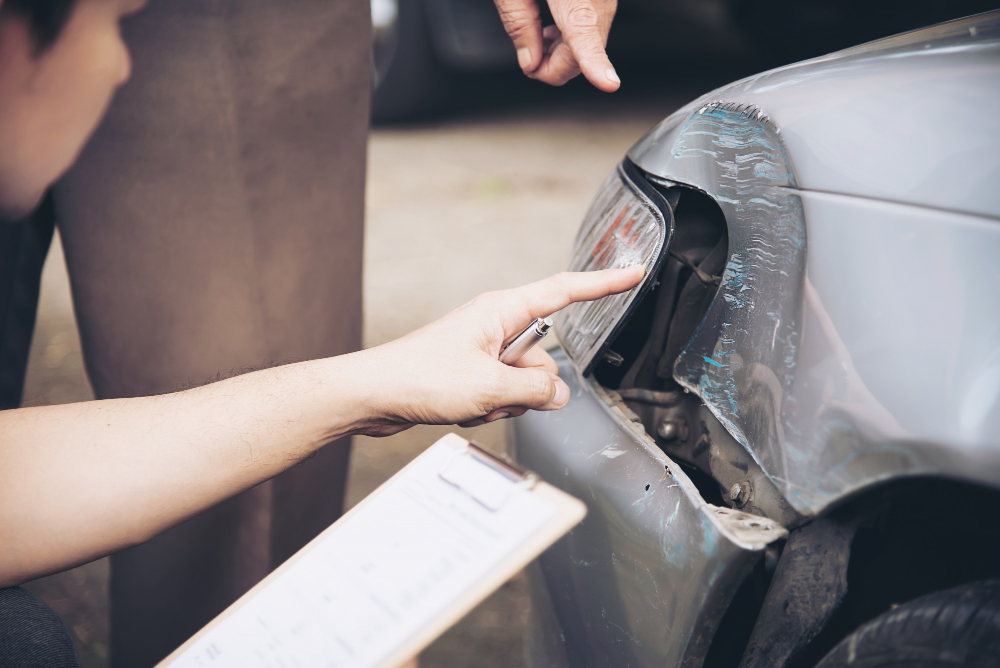
- Secure the scene — Ensure all parties are safe, contact emergency services if needed, and document the scene with photos and witness information.
- Gather information — Collect the other driver’s name, contact details, license plate number, insurance information, and any police report numbers.
- Report the claim — Visit biBERK’s claims portal online or call their claims line to report the incident. Getting the claims process started promptly online means the business is one step closer to putting the issue behind it.
- Work with the claims adjuster — After filing, biBERK assigns a claims adjuster who reviews the documentation, assesses damages, and guides the business through resolution.
- Receive settlement — Depending on the type of claim (liability, collision, or comprehensive), the adjuster determines the settlement amount based on policy terms and documented damages.
Can Policyholders File Claims Online at Any Time?
Yes — one of biBERK’s clearest advantages is that policyholders initiate the claims process online at any hour, without waiting for business hours or a broker’s callback. biBERK customers can file claims online or over the phone, and can also download their Certificate of Insurance without assistance.
This 24/7 accessibility matters because accidents do not follow business schedules. A delivery driver involved in a collision at 10 PM on a Friday should not have to wait until Monday morning to start the claims process. biBERK’s online portal makes that immediate action possible, creating a timestamped claim record from the moment of filing and starting the resolution clock without delay.
What Documentation Should a Business Prepare Before Filing?
Thorough documentation strengthens a claim and accelerates its resolution. Before filing, businesses should gather:
- Photos of the accident scene — vehicle damage, road conditions, traffic signs, and any visible injuries
- Police report number and responding officer’s name — if law enforcement attended the scene
- Other driver’s information — name, license number, insurance carrier, and policy number
- Witness contact details — names and phone numbers of anyone who observed the incident
- Driver details — the name of the biBERK-insured driver, their license information, and whether they are listed on the policy
- Vehicle information — make, model, year, and VIN of all involved vehicles
- Medical records — if any parties sustained injuries requiring treatment
Following established procedures is essential for ensuring compliance and preventing procedural errors that could otherwise jeopardize a claim’s validity. Businesses that submit complete, organized documentation from the outset consistently experience faster resolution times than those that submit incomplete initial reports.
What Does biBERK’s Commercial Auto Insurance Actually Cover?
What Are the Core Coverage Components?
A commercial auto insurance policy has different coverages designed to address particular business needs. biBERK’s commercial auto policy includes several standard components, each protecting the business from a distinct category of financial exposure:
| Coverage Type | What It Covers |
|---|---|
| Bodily Injury Liability | Medical costs, lost wages, and legal expenses for injuries you cause to others in an accident |
| Property Damage Liability | Repair or replacement costs for third-party vehicles or property you damage |
| Collision Coverage | Repairs to your own vehicle following a collision, regardless of fault |
| Comprehensive Coverage | Non-collision damage to your vehicle — theft, vandalism, weather events, and more |
| Underinsured Motorist Coverage | Protects against accidents caused by drivers with insufficient or no insurance (available on select policies) |
| On-Hook Towing | Covers vehicles being towed (available for trucking operations) |
| Motor Truck Cargo Liability | Covers cargo being transported (trucking-specific endorsement) |
| Trailer Interchange | Covers damage to trailers you operate but do not own (trucking-specific) |
| Rental Reimbursement with Downtime | Covers rental costs while your vehicle is being repaired |
| Garagekeepers Legal Liability | Covers customers’ vehicles in your care (auto service businesses) |
What Does biBERK Commercial Auto Insurance NOT Cover?
Understanding exclusions is just as important as understanding coverage. Some incidents that commercial auto policies do not cover include: property damage or bodily injuries caused intentionally, damage caused during racing, liability associated with the use of mobile equipment like forklifts or cranes, injuries addressed by a workers’ compensation policy, and vehicles not listed on the policy.
Additionally, businesses should note that biBERK keeps coverage options relatively simple, and hired and non-owned auto (HNOA) coverage may be written on the General Liability policy rather than the commercial auto policy in some cases. This means businesses that frequently use employee-owned or rented vehicles for work purposes should confirm exactly where HNOA coverage sits in their policy structure before assuming the commercial auto policy covers all scenarios.
What Are biBERK’s Commercial Auto Pricing Ranges and Policy Structures?

How Much Does biBERK Commercial Auto Insurance Cost?
Pricing varies based on vehicle type, business use, driving history, location, and the coverage limits selected. biBERK lists indicative pricing of approximately $600–$1,500 per vehicle per year for commuter or consultant use of smaller vehicles, $5,000–$15,000 per vehicle per year for for-hire trucking, and $2,000–$6,000 per vehicle per year for livery vehicles.
For light-duty commercial vehicles in moderate-cost states, industry research from ConstructionCoverage (2026) indicates established businesses with clean loss history typically pay $150–$270+ per vehicle per month for light-duty coverage, though actual rates depend heavily on vehicle class, business type, and driver record.
How Does the Policy Structure Work — Split Limits vs. Combined Single Limits?
biBERK offers two fundamental liability policy structures that business owners should understand before selecting coverage:
Liability policies provide different maximum dollar amounts that the insurer will pay for different components of a claim — this is called a split limit. The components typically include bodily injury per person, bodily injury per accident, and property damage. A combined single limit policy states that the insurer will pay up to a certain dollar amount for the entire claim, regardless of whether all components relate to one person’s injuries or multiple injured parties.
For businesses operating in industries with higher liability exposure — such as delivery services, construction trades, or for-hire transportation — a combined single limit policy often provides more flexible protection since the full policy amount applies to the total claim rather than subdivided per-person or per-incident caps.
Does an Accident Affect Future Premium Pricing?
This is a common concern among business owners considering whether to file a claim for minor incidents. biBERK notes that an accident won’t change the price of the current policy term, but it could affect cost at renewal because the policy is rewritten when it expires and driving history is one of the rating factors — though an increase is not automatic just because an accident occurred.
This structure gives business owners a clear, fair framework: the current period’s pricing remains stable, while renewal pricing reflects the actual updated risk profile based on documented driving history.
How Does biBERK Compare to Other US Commercial Auto Insurance Providers?
How Does biBERK Stack Up Against Key Competitors?
| Factor | biBERK | Progressive Commercial | The Hartford | Nationwide |
|---|---|---|---|---|
| Online Quote & Buy | ✅ Fully online | ✅ Fully online | ✅ Online | Partial |
| Direct-to-Business | ✅ No broker | ✅ Direct & broker | Broker-heavy | Broker-heavy |
| AM Best Rating | A++ | A+ | A+ | A+ |
| Free Online COI | ✅ Instant | ✅ Instant | Limited | Limited |
| Claims Filing | Online or phone | Online or phone | Phone or agent | Phone or agent |
| Trucking Endorsements | ✅ (cargo, trailer, towing) | ✅ Extensive | Moderate | Moderate |
| Garagekeepers Liability | ✅ | ✅ | ✅ | ✅ |
| HNOA Coverage | On GL policy (varies) | ✅ On auto policy | ✅ | ✅ |
| State Availability | 21 states (commercial auto) | All 50 states | All 50 states | All 50 states |
| Best For | Simple fleets, fast setup | Complex fleets, all industries | Mid-to-large businesses | Established businesses |
biBERK’s strength is speed and direct pricing — without agent commissions, premiums are often lower for simple risks, and policyholders can add vehicles, manage billing, and download COIs at any time without waiting for business hours. However, the downside is limited support during claims and billing disputes, with policyholders typically dealing with a call center rather than a dedicated agent, and underwriting is rigid — if a business falls outside biBERK’s eligibility rules, the system will decline the application without a manual review process.
What Are biBERK’s Strengths and Limitations for Commercial Auto Claims?
Where Does biBERK Excel for Commercial Auto Policyholders?
biBERK consistently earns praise across independent review platforms for several specific strengths that directly benefit small businesses filing commercial auto claims:
Strengths:
- Fast, fully digital claims initiation — file at any time without waiting for business hours or a broker
- A++ AM Best financial strength — the Berkshire Hathaway backing ensures genuine claims-paying capability
- Immediate Certificate of Insurance — generate a COI within minutes of purchase, useful for contracts and job site access
- Transparent online policy management — add vehicles, update driver lists, and manage billing entirely through the portal
- Competitive pricing for simple fleets — savings of up to 20% compared to broker-intermediated policies
- Broad vehicle type coverage — from cargo vans to tractor-trailers and specialized trailers
- Bundling options — combine commercial auto with general liability, BOP, umbrella, and workers’ comp in a single relationship
Where Does biBERK Have Limitations?
Balanced evaluation requires acknowledging where biBERK falls short compared to more established carriers:
Limitations:
- State availability — commercial auto insurance is available in only 21 states as of 2026, which limits access for businesses operating in other regions
- No dedicated claims agent — policyholders typically deal with a call center rather than a dedicated agent during claims and billing disputes
- Rigid underwriting — businesses outside standard eligibility parameters may receive automatic declines without manual review
- Limited endorsement depth — biBERK ranks last for coverage depth among major commercial auto providers in MoneyGeek’s 2026 analysis, with limitations most acute in endorsements and policy customization
- HNOA placement uncertainty — hired and non-owned auto coverage may sit on the GL policy rather than the auto policy, requiring careful review before assuming coverage
- Higher complaint volume — state regulators received more complaints from biBERK commercial liability and commercial property customers between 2022–2024 than expected given the company’s market share
Conclusions: What Should US Small Businesses Know About biBERK’s Commercial Auto Claims Process?
The commercial auto insurance claims process is one of the most consequential financial interactions a small business ever navigates. Filing correctly and promptly — with a carrier that responds — determines how quickly a business recovers from a vehicle incident and returns to normal operations.
biBERK earns its position among the top commercial auto insurance providers in the US in 2026 by making that process genuinely accessible. The ability to file claims online at any hour, manage the entire policy through a digital portal, and receive Certificates of Insurance within minutes of purchase reflects a model built around the reality of how small businesses actually operate — without time to sit on hold with a broker or wait two business days for document processing.
Furthermore, the Berkshire Hathaway backing provides a level of financial credibility that matters when large claims arise. An A++ AM Best rating and over $52 billion in paid claims in 2025 alone demonstrate that biBERK policyholders are not relying on a startup — they are backed by one of the world’s most financially stable insurance groups.
That said, biBERK suits specific business profiles better than others. Businesses with simple, light-to-medium duty fleets in the 21 states where commercial auto coverage is available will find biBERK an excellent value. Businesses with complex fleets, specialized trucking endorsements, or operations spanning states outside biBERK’s current commercial auto footprint should evaluate broader carriers alongside biBERK to ensure full coverage without gaps.
Frequently Asked Questions
biBERK does not publish a fixed claim resolution timeframe, as resolution time varies based on claim complexity, the number of parties involved, the availability of documentation, and whether litigation arises. However, the platform allows businesses to initiate claims immediately — online, 24/7 — which eliminates the first-response delay common with broker-dependent carriers. Simple, well-documented claims (for example, a single-vehicle collision with clear fault and no injuries) typically resolve faster than multi-party or liability-contested cases. To speed up resolution, businesses should submit complete documentation at the time of initial reporting — including photos, police reports, driver details, and witness information — rather than providing incomplete information that requires follow-up requests from the adjuster.
Coverage for employees driving personal vehicles for work purposes — known as hired and non-owned auto (HNOA) coverage — depends on the specific policy structure biBERK applies in your state. In some cases, HNOA sits on the General Liability policy rather than the commercial auto policy, which means the commercial auto policy itself may not automatically extend to employee-owned or rented vehicles used for business purposes. Business owners who regularly send employees out in personal vehicles — for client visits, deliveries, or errands — should specifically confirm HNOA coverage placement with biBERK before assuming those scenarios fall under the commercial auto policy.
Why Should You Work with Solution for Guru When Navigating Commercial Auto Insurance?
What Does Solution for Guru Offer to Businesses Evaluating Commercial Auto Coverage?
Choosing the right commercial auto insurance policy — and understanding exactly how to use it when an accident happens — requires more than reading a policy summary online. Solution for Guru helps small and mid-size businesses navigate the complexities of commercial insurance, including evaluating whether biBERK‘s direct-to-business model fits their fleet size, operational risk profile, and state availability requirements.
Partnering with Solution for Guru delivers these practical advantages for businesses managing commercial auto coverage:
- Coverage needs assessment — before purchasing a policy, Solution for Guru evaluates your specific fleet composition, business use cases, employee driver exposure, and state requirements to ensure the coverage you buy matches the risks you actually face — not a generic template
- Carrier comparison guidance — biBERK suits many small fleets exceptionally well, but may not be the right fit for businesses requiring complex endorsements, HNOA on the auto policy, or coverage in states where biBERK’s commercial auto is unavailable; Solution for Guru identifies the best fit across multiple carriers
- Claims process preparation — Solution for Guru helps businesses establish internal incident response protocols so that when an accident happens, drivers and managers know exactly what to document, who to call, and what to submit — reducing claim errors from the start
- Policy gap analysis — many businesses carry commercial auto insurance without realizing their HNOA, trailer interchange, or cargo exposure sits outside their current policy; Solution for Guru reviews existing policies to identify and close those gaps
- Bundling strategy — for businesses that also need general liability, workers’ comp, BOP, or umbrella coverage, Solution for Guru advises on the most cost-effective bundling approach across biBERK and competing carriers
- Renewal optimization — as a fleet grows, adds drivers, or changes its operational profile, coverage needs shift; Solution for Guru provides annual policy reviews to ensure coverage keeps pace with the business
Working with a knowledgeable partner removes the guesswork that typically accompanies insurance decisions for busy small business owners, turning what can feel like an opaque, confusing process into a clear, confident plan.
Recommended
- When Is Progressive More Expensive Than Regional Commercial Auto Insurers?
- Top Progressive Discounts Small Business Owners Should Know About
- 24/7 Policy Management: How Progressive Supports Busy Business Owners
- Is biBERK a Good Choice for Small Business Owners?
- Checklist: Documents Needed for Commercial Auto Insurance
- How Food Truck Owners Can Benefit from Commercial Auto Insurance
- Commercial vs. Personal Auto Insurance: What’s the Difference?
- biBERK vs Progressive Commercial Auto Insurance: Which Is Better?
- Digital Transformation in Commercial Auto Insurance: What’s Next for Businesses?
- Insurance Needs for Contractors with Company Vehicles: What Do You Really Need?
- Commercial Auto Insurance for Delivery Businesses: Why biBERK Is a Strong Option
- What It’s Like to Work in Commercial Auto Insurance (And How to Start)
- Careers in Commercial Auto Insurance: Roles, Salaries, and How to Get Started
- How Auto Insurance Impacts the Cost of Running a Commercial Fleet?
- 5 Mistakes Businesses Make When Buying Commercial Auto Insurance