Best HubSpot Integrations for Sales and Marketing Teams

Sales and marketing teams today face a common challenge: they use dozens of tools, but those tools rarely talk to each other effectively. HubSpot CRM sits at the heart of modern go-to-market operations, but its real power emerges when you connect it with the right third-party platforms. In this guide, we explore the best HubSpot integrations for sales and marketing teams, explain how each one drives results, and show you how working with a certified partner like Solution for Guru can help you set everything up the right way — fast.
Table of contents
Quick Summary: What Are the Top HubSpot Integrations?
Before diving deep, here is a quick overview of the integrations covered in this article:
| Integration | Category | Primary Benefit |
| Gmail & Google Workspace | Communication | Sync emails and meetings with CRM records |
| Slack | Team Collaboration | Real-time deal alerts and pipeline notifications |
| Salesforce | CRM Sync | Bidirectional data sync for hybrid teams |
| LinkedIn Sales Navigator | Prospecting | Enrich contacts and engage leads directly |
| Zapier | Automation | Connect 5,000+ apps without code |
| Stripe | Payments | Tie revenue data to contact and deal records |
| Zoom | Video Conferencing | Log meetings, record calls, sync attendance |
| Databox | Analytics & Reporting | Build custom dashboards from HubSpot data |
| Typeform | Lead Capture | Send form responses directly to HubSpot CRM |
| Intercom | Customer Support | Link support tickets to marketing and sales data |
How Does HubSpot CRM Connect to the Topic of Integrations?

HubSpot CRM is a cloud-based customer relationship management platform that unifies contact management, deal tracking, email marketing, live chat, and reporting under one roof. According to HubSpot, over 194,000 companies in 120+ countries use the platform to manage their customer-facing operations. However, even the most feature-rich CRM cannot do everything on its own.
That is precisely where integrations come in. HubSpot’s App Marketplace hosts more than 1,500 integrations, covering categories ranging from advertising and analytics to payments and project management. Each integration extends what HubSpot CRM can do — feeding it richer data, automating manual tasks, and eliminating the silos that slow teams down.
Furthermore, HubSpot CRM acts as the central data hub when you connect it to other tools. Instead of switching between five browser tabs to check a lead’s email history, meeting notes, payment status, and support tickets, your reps see everything in one place. This 360-degree view transforms how sales and marketing teams collaborate and convert.
Why Do Sales and Marketing Teams Need HubSpot Integrations?

Before exploring specific tools, it helps to understand the underlying problem integrations solve. Sales and marketing teams typically rely on separate platforms for email, advertising, lead generation, analytics, and customer support. Without integration, data lives in isolated silos — a situation HubSpot itself describes as a ‘disconnected tech stack.’
Research from Salesforce‘s State of Sales report shows that sales reps spend only 28% of their week actually selling. The rest goes to administrative tasks, data entry, and switching between tools. HubSpot integrations attack this problem directly by automating data flow, reducing duplicate entries, and surfacing the right information at the right moment inside HubSpot CRM.
Additionally, integrated systems improve alignment between sales and marketing. Marketing teams can see which campaigns generate pipeline-ready leads. Sales teams can trigger personalised follow-ups the moment a prospect opens a proposal. Both teams gain shared visibility into the same data — and that alignment, according to LinkedIn’s B2B Marketing Benchmark, produces 67% higher conversion rates from marketing lead to closed deal.
What Are the Best HubSpot Integrations for Communication?
How Does the Gmail and Google Workspace Integration Improve Productivity?
The Gmail and Google Workspace integration is one of the most popular in HubSpot’s marketplace — and for good reason. When you connect your Google account to HubSpot CRM, every email you send and receive automatically logs against the relevant contact record. You no longer need to copy-paste email threads manually.
Moreover, the HubSpot Sales Chrome extension lets you track email opens in real time and access CRM data directly from your Gmail inbox. Sales reps can insert pre-built email templates, schedule follow-ups, and check a contact’s full activity history without leaving their inbox. Google Calendar sync also ensures that every meeting booked through Google appears on the HubSpot contact timeline.
This integration works particularly well for small to mid-sized sales teams that live in Google Workspace. It removes friction from the sales process and helps reps maintain accurate CRM data without additional effort — a crucial factor when CRM adoption is often the biggest barrier to data quality.
How Does the Slack Integration Keep Sales Teams Aligned in Real Time?
Slack has become the default internal communication tool for thousands of sales and marketing teams. The HubSpot–Slack integration bridges the gap between real-time communication and CRM data. You can configure HubSpot to send Slack notifications whenever a deal moves to a new pipeline stage, a high-value contact visits your pricing page, or a lead fills out a form.
Furthermore, HubSpot’s Slack integration supports two-way interaction. Sales managers can approve deals, update contact properties, and even create new HubSpot tasks directly from a Slack message, without opening a browser. This saves critical minutes in fast-moving sales cycles.
Marketing teams benefit equally. When a marketing-qualified lead (MQL) scores above a certain threshold, HubSpot can automatically post an alert to a designated Slack channel, notifying the sales team to follow up immediately. That kind of speed-to-lead improvement has a measurable impact: research from Lead Response Management shows that contacting a lead within five minutes increases conversion likelihood by 9x.
What Are the Best HubSpot Integrations for Lead Generation and Prospecting?
How Does LinkedIn Sales Navigator Integrate With HubSpot CRM?
LinkedIn Sales Navigator is the go-to prospecting tool for B2B sales professionals. Its native integration with HubSpot CRM makes it even more powerful. Once connected, Sales Navigator syncs LinkedIn profile data directly into HubSpot contact records, so reps always see up-to-date job titles, company information, and mutual connections.
Additionally, the integration supports InMail activity logging. Every message sent through Sales Navigator logs inside HubSpot, giving sales managers full visibility into outreach activity. Reps can also view HubSpot contact data directly within Sales Navigator using the CRM widget, eliminating the need to switch tabs.
For account-based marketing (ABM) teams, the combination of LinkedIn Sales Navigator and HubSpot CRM is especially potent. Marketing teams can create LinkedIn-targeted ad audiences from HubSpot lists, while sales reps work from matched accounts and contacts — all within a fully synchronised workflow.
How Does Typeform Help Sales and Marketing Teams Capture More Leads?
Typeform produces visually engaging, conversational forms that outperform traditional form builders in completion rates. The HubSpot–Typeform integration sends every form submission directly to HubSpot CRM as a new contact, deal, or custom object — depending on how you configure it.
What makes this integration especially valuable is the mapping flexibility. You can match Typeform question fields to any HubSpot property, including custom fields, lifecycle stages, and deal amounts. Consequently, every form submission not only creates a contact but also enriches the record with the exact data your sales team needs to qualify and prioritise the lead.
Marketing teams can also trigger HubSpot workflows based on Typeform submissions. For example, a completed product quiz can enroll the respondent in a tailored nurture sequence automatically, personalising the follow-up experience without manual effort.
What Are the Best HubSpot Integrations for Sales Automation?

How Does the Zapier Integration Extend HubSpot’s Automation Capabilities?
Zapier connects HubSpot to more than 5,000 applications through a no-code automation platform. Rather than waiting for native integrations, Zapier lets you build custom workflows — called Zaps — that trigger actions in one tool when something happens in another.
For example, you can build a Zap that creates a HubSpot contact whenever someone books a meeting in Calendly, adds a tag in Mailchimp, or submits a Google Form. You can also push HubSpot data outward: when a deal closes in HubSpot, Zapier can automatically create a project in Asana, notify a billing team in QuickBooks, or send a personalised thank-you message via Twilio SMS.
Zapier is particularly valuable for teams that use niche or industry-specific tools that lack native HubSpot integrations. Instead of abandoning a tool your team loves, you can connect it to HubSpot in minutes using Zapier’s point-and-click interface — no developer required.
How Does the Salesforce Integration Benefit Hybrid CRM Teams?
Many enterprise organisations run both Salesforce and HubSpot simultaneously. Salesforce often manages complex enterprise deals, while HubSpot handles inbound marketing and top-of-funnel activity. The HubSpot–Salesforce integration enables bidirectional data sync between the two platforms, ensuring both teams always work from the same up-to-date information.
Specifically, the integration syncs contacts, companies, deals/opportunities, activities, and custom fields. Marketing teams can create targeted campaigns in HubSpot using data from Salesforce, while sales reps see every marketing touchpoint inside their Salesforce opportunity records. This closes the gap between marketing attribution and sales reporting.
According to HubSpot’s own documentation, the Salesforce integration requires careful field mapping to avoid data conflicts. That is precisely the kind of technical setup where working with a certified HubSpot partner — like Solution for Guru — saves significant time and prevents costly errors.
What Are the Best HubSpot Integrations for Revenue and Payments?
How Does the Stripe Integration Connect Revenue Data to HubSpot CRM?
Stripe is the payment platform of choice for thousands of SaaS and e-commerce companies. The HubSpot–Stripe integration, available through HubSpot Payments or third-party connectors like PieSync, links every transaction to the relevant contact, company, and deal record inside HubSpot CRM.
As a result, sales reps can see exactly how much a customer has spent, when their last payment occurred, and whether any invoices are outstanding — all without leaving HubSpot. This financial context transforms how reps approach renewal conversations and upsell opportunities.
Marketing teams also benefit from Stripe data. You can segment HubSpot lists by total customer spend and target high-value customers with exclusive offers or loyalty campaigns. Conversely, you can identify customers who have not purchased in 90 days and trigger automated re-engagement sequences to win back their business.
What Are the Best HubSpot Integrations for Analytics and Reporting?

How Does Databox Enhance HubSpot’s Reporting Capabilities?
HubSpot includes solid built-in reporting, but Databox takes dashboards to a new level. The HubSpot–Databox integration pulls data from HubSpot and blends it with metrics from Google Analytics, Facebook Ads, Google Ads, and dozens of other sources to create unified performance dashboards.
Marketing leaders can build real-time dashboards that show email open rates, deal pipeline value, website traffic, and paid ad performance side by side. Sales managers can display individual rep performance, quota attainment, and monthly revenue trends on TV screens in the office — making pipeline progress visible to the entire team.
Furthermore, Databox supports goal tracking and automatic push notifications when a key metric moves above or below a threshold. This proactive alerting means teams respond to performance changes immediately rather than discovering problems at the end of the month during a manual reporting review.
What Are the Best HubSpot Integrations for Customer Support?
How Does the Intercom Integration Align Support and Marketing Data?
Intercom is a leading customer messaging platform used by support and success teams worldwide. The HubSpot–Intercom integration synchronises conversation data between the two platforms, so sales and marketing teams can see every support interaction a contact has had.
This context matters enormously. A salesperson approaching a renewal conversation can see that the customer filed three support tickets last month — and tailor their outreach accordingly. A marketing team running an NPS survey campaign can exclude customers currently dealing with open support issues, avoiding tone-deaf messaging.
Additionally, the integration allows HubSpot to trigger marketing workflows based on Intercom events. If a customer conversation reveals interest in an upsell, HubSpot can automatically enroll that contact in a product expansion nurture sequence. This creates a seamless handoff between support intelligence and marketing action.
How Do These Integrations Compare Across Key Use Cases?
The following table helps sales and marketing teams match each integration to their most pressing needs:
| Integration | Best For | Setup Complexity | HubSpot Tier Required |
| Gmail / Google Workspace | Email logging & calendar sync | Low | Free+ |
| Slack | Real-time alerts & deal updates | Low | Free+ |
| LinkedIn Sales Navigator | B2B prospecting & ABM | Medium | Sales Hub Pro+ |
| Zapier | Custom no-code automation | Low–Medium | Free+ |
| Salesforce | Enterprise CRM sync | High | Marketing Hub Pro+ |
| Stripe | Revenue & payments | Medium | Sales Hub Starter+ |
| Typeform | Lead capture & enrichment | Low | Free+ |
| Zoom | Video meeting logging | Low | Free+ |
| Databox | Multi-source dashboards | Medium | Free+ |
| Intercom | Support-sales alignment | Medium | Service Hub Starter+ |
What Are the Key Takeaways About HubSpot Integrations?
HubSpot CRM is a powerful platform on its own, but it truly excels when you connect it to the tools your team already uses. As we have seen throughout this guide, the right integrations eliminate data silos, automate manual work, and give sales and marketing teams the unified visibility they need to close more deals and run more effective campaigns.
Ultimately, the best HubSpot integrations for your team depend on your specific tech stack, sales process, and growth goals. Gmail and Slack deliver immediate productivity gains for nearly every team. LinkedIn Sales Navigator and Typeform accelerate lead generation. Zapier and Salesforce extend automation across the entire revenue stack. Stripe ties financial outcomes to CRM records. Databox and Intercom give you the reporting depth and customer context to make smarter decisions.
However, deploying these integrations effectively requires more than clicking ‘Connect’ in the marketplace. Data architecture decisions, workflow design, and team adoption strategies all determine whether your integrations create lasting value or become another source of technical debt. Working with a certified partner like Solution for Guru ensures that every integration you implement is configured correctly, aligned to your business goals, and adopted by your team — from day one.
In conclusion, HubSpot CRM is the connective tissue of a modern sales and marketing stack. By choosing the right integrations and implementing them with expert guidance, your team can spend less time on data entry and more time on what actually drives revenue: building relationships, creating great content, and closing deals.
Frequently Asked Questions
For small sales teams just getting started, the Gmail and Google Workspace integration delivers the highest immediate return. It requires minimal setup, works with tools your team already uses daily, and immediately improves CRM data quality by automatically logging all email activity. After that, add the Slack integration for real-time deal notifications, and then Typeform or a lead capture integration to feed the top of your funnel.
Many HubSpot integrations are genuinely plug-and-play for simple use cases — connecting Gmail or Zoom, for instance, takes just a few clicks. However, more complex integrations like the Salesforce sync, custom Zapier workflows, or multi-system data pipelines require careful planning to avoid field mapping errors, duplicate records, and broken automations. For those setups, working with a certified HubSpot partner such as Solution for Guru significantly reduces risk and implementation time.
The most effective way to measure integration ROI is to define baseline metrics before you launch — such as time spent on manual data entry, lead response time, email logging compliance rate, and revenue per rep per month. After implementation, track those same metrics and calculate the delta. HubSpot’s built-in reporting, combined with a tool like Databox, makes it straightforward to monitor integration-driven improvements over time. Solution for Guru includes ROI measurement frameworks as part of their implementation process, so you always know what your investment is delivering.
How Can Solution for Guru Help You Get the Most Out of HubSpot Integrations?
Setting up HubSpot integrations sounds straightforward — until you encounter field mapping conflicts, duplicate contact creation, broken automation workflows, or synchronisation errors between platforms. These problems are common, and they erode the very efficiency gains integrations are supposed to deliver. That is where Solution for Guru makes a real difference.
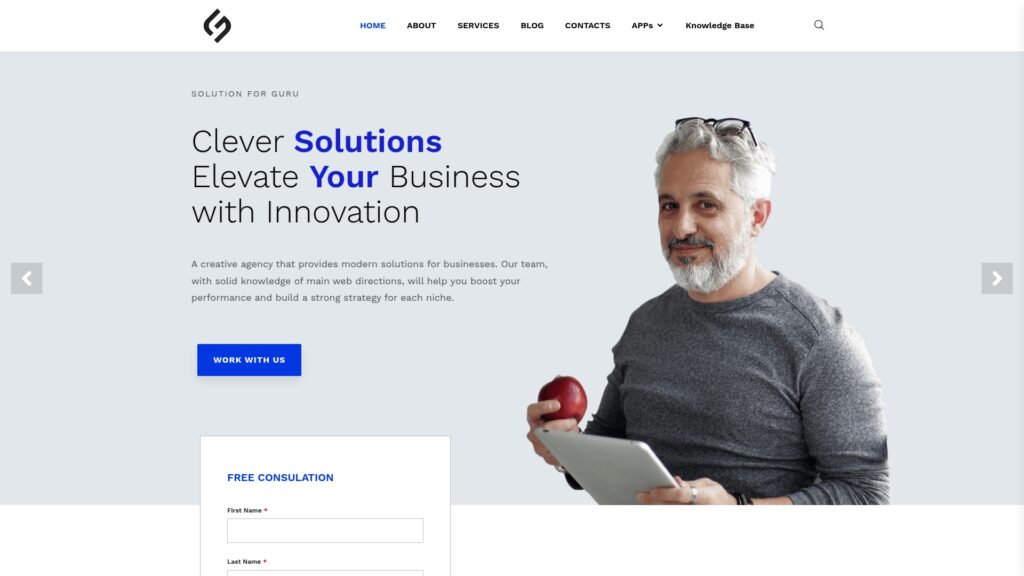
Solution for Guru is a certified HubSpot partner specialising in CRM implementation, integration architecture, and sales and marketing automation. Their team combines deep HubSpot expertise with hands-on experience across the integrations described in this article — from Salesforce bidirectional sync to Zapier automation chains to LinkedIn Sales Navigator configuration.
What Specific Benefits Does Working With Solution for Guru Provide?
Partnering with Solution for Guru delivers concrete, measurable advantages at every stage of your HubSpot integration journey:
| Benefit | What It Means in Practice |
| Faster Implementation | Solution for Guru deploys integrations in days, not weeks, using proven frameworks that skip common setup errors. |
| Clean Data Architecture | Their team designs field mapping and data governance rules upfront to prevent duplicate records and sync conflicts. |
| Custom Automation | Beyond standard integrations, Solution for Guru builds custom Zapier workflows and HubSpot Operations Hub automations tailored to your sales process. |
| Team Training | Every implementation includes hands-on training so your sales and marketing teams actually use the tools correctly. |
| Ongoing Optimisation | Solution for Guru monitors integration health post-launch and proactively resolves issues before they impact your pipeline. |
| ROI Accountability | They define KPIs before launch and measure integration impact against business outcomes — not just technical uptime. |
Whether you are connecting HubSpot to your first integration or rebuilding a fragmented tech stack from scratch, Solution for Guru provides the expertise, structure, and ongoing support to make your HubSpot ecosystem perform at its highest level.
Recommended:
- HubSpot CRM: What It Is and How It Works for Businesses
- Top Pipedrive Tips from the Community That Most Guides Don’t Cover
- What Is Bigin by Zoho CRM and Who Is It Best For?
- Creatio CRM Data Migration Best Practices
- Blueprint Automation in Zoho CRM: Process Engineering Approach
- Security & Compliance Considerations When Implementing Creatio
- BPM + CRM: Why Creatio Combines Both Worlds
- CRM Proficiency for Sales Teams: Turning Data into Deals
- Customer 360° View in Creatio: Benefits for Sales Teams
- The Pipedrive Gmail Add-On
- Creatio CRM Implementation Guide for U.S. Businesses
- How Does Zoho CRM Handle Multi-Pipeline Sales Architecture?
- How Does Creatio Improve Lead Management and Conversion Rates?
- Top CRM-Related Professions Every Modern Company Needs