What Is Zoho Expense and How Does It Work?

Managing employee expenses manually drains time, invites errors, and creates compliance headaches that grow worse as a business scales. From lost paper receipts to delayed reimbursements and out-of-policy spending that slips through unnoticed, the cost of a broken expense management process extends well beyond the accounting department. Zoho Expense addresses every one of these problems through a purpose-built, cloud-based expense management platform that automates submission, approval, and reimbursement from end to end.
In this article, we explain exactly what Zoho Expense is, break down how it works across every stage of the expense lifecycle, and explore the full feature set that makes it one of the most comprehensive expense management solutions available today.
Table of contents
Quick Summary
Zoho Expense is a cloud-based expense management platform built by Zoho Corporation.It automates receipt capture, expense reporting, multi-level approval workflows, and employee reimbursement.The platform enforces travel and expense policies automatically, flagging violations before reports reach approvers.Zoho Expense integrates natively with Zoho Books, Zoho CRM, QuickBooks, Xero, and 50+ third-party apps.It supports multi-currency, per diem, mileage tracking, and corporate card reconciliation.Pricing starts at free for small teams, with paid plans scaling from $4 per user per month.Solution for Guru provides expert Zoho Expense implementation, integration, and training services.
What Is Zoho Expense and How Does It Fit Into the Expense Management Landscape?
First of all, Zoho Expense is a cloud-based expense management platform developed by Zoho Corporation, the Indian multinational technology company behind one of the world’s most comprehensive business software suites. Zoho Corporation founded Zoho Expense in 2015, building it as a dedicated solution to the problems that finance teams and employees face when handling business travel and out-of-pocket expenses.
Zoho Expense sits at the intersection of finance operations, travel management, and employee experience. It replaces paper-based expense reports and disconnected spreadsheets with a structured digital workflow that guides expenses from initial receipt capture through to final reimbursement — automatically enforcing company policies and maintaining an auditable record at every step.
The platform is designed to solve key corporate expense management issues. Businesses can track employee spending more easily and enforce expense policies consistently. The software also helps process reimbursements faster and improves the quality of financial data and reports. Businesses that implement Zoho Expense stop reacting to expense problems after the fact and start preventing them proactively.
Zoho Expense connects natively to the broader Zoho ecosystem — including Zoho Books, Zoho People, and Zoho CRM — but also integrates with popular third-party platforms like QuickBooks, Xero, Sage, and NetSuite. This flexibility makes Zoho Expense a viable choice regardless of what accounting or ERP software a business already uses.
How Does the Expense Management Process Work in Zoho Expense?
Zoho Expense structures expense management as a connected workflow with five core stages: receipt capture, expense report creation, policy enforcement, approval routing, and reimbursement. Understanding each stage reveals why Zoho Expense eliminates the friction points that plague manual expense processes.
How Does Platform Handle Receipt Capture?
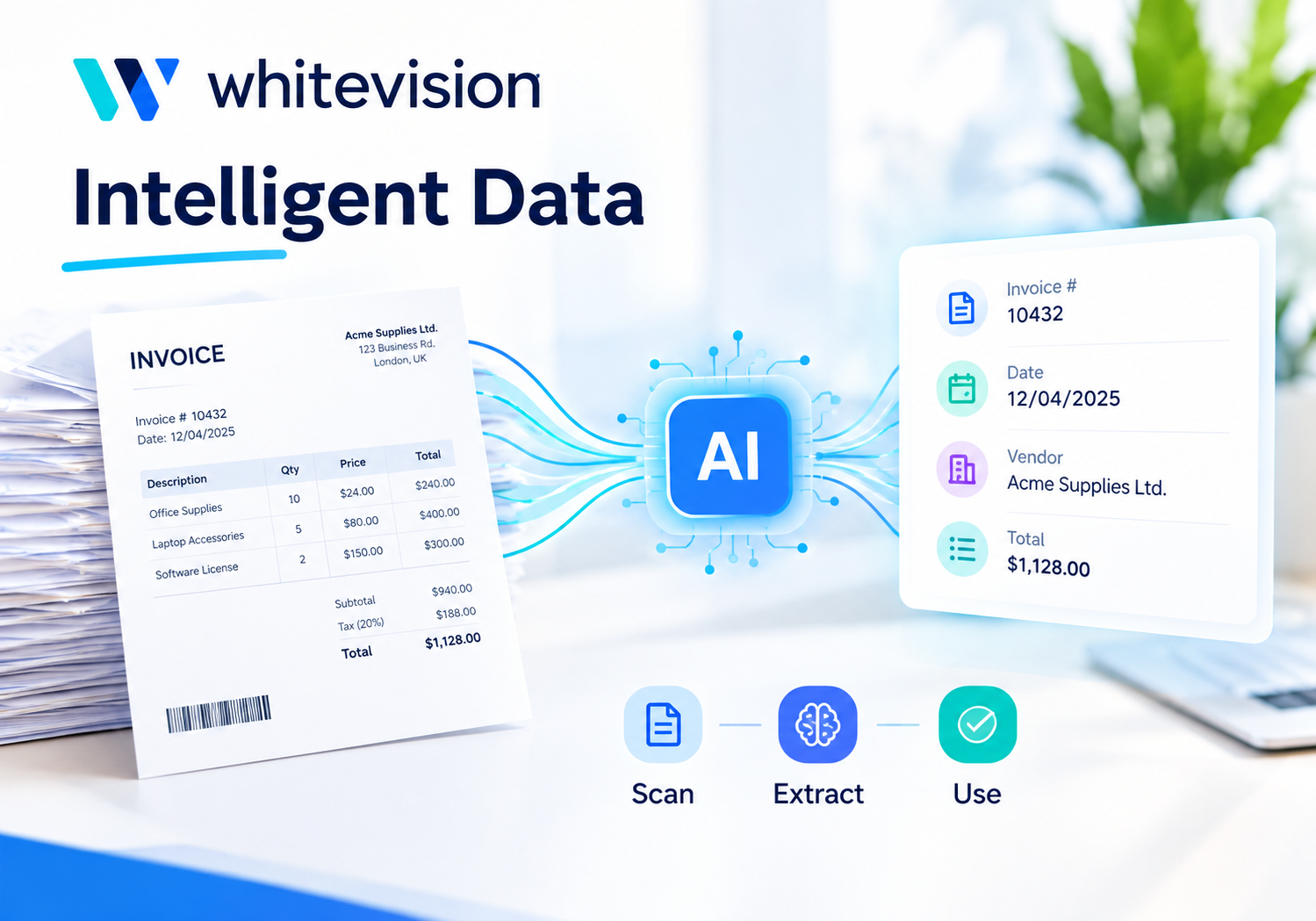
The expense management process begins the moment an employee spends money. Zoho Expense’s mobile app allows employees to photograph a receipt immediately after purchase. Zoho’s built-in OCR (optical character recognition) engine scans the image and automatically extracts the merchant name, date, amount, and currency — pre-filling an expense entry without any manual typing required.
Employees can also forward email receipts directly to a dedicated Zoho Expense inbox, and the platform extracts the relevant details automatically. For corporate card holders, platform imports card transactions in real time via direct bank feeds, creating draft expense entries that employees simply review and categorise. According to Aberdeen Group research, organisations using automated receipt capture reduce data entry time by 65% compared to manual expense submission processes.
How Does Zoho Expense Create and Submit Expense Reports?
Once employees capture individual expenses, platform groups them into reports — either automatically based on date ranges and trip categories, or manually with employee input. The report creation interface lets employees add notes, attach supporting documents, and tag expenses to specific projects, clients, or cost centres for accurate allocation.
Submitting a report takes a single click. At the point of submission, Zoho Expense’s policy engine evaluates every line item against the company’s configured travel and expense rules. The platform automatically reviews expenses for policy violations. It can detect issues such as excessive hotel costs or missing receipts. When a problem is found, the system either blocks the expense report or asks the employee to provide an explanation before submission. This pre-submission check dramatically reduces the number of non-compliant reports that reach approvers.
How Does Zoho Expense Route Reports Through Approval Workflows?
After submission, Zoho Expense routes each report through the approval chain configured by the finance or HR team. Organisations can set up single-level approvals, multi-level hierarchies, or conditional routing rules — for example, routing reports above $1,000 to a finance director rather than a line manager. Approvers receive instant notifications via email or the Zoho Expense mobile app and can approve, reject, or request clarification directly from their device.
The full approval history logs automatically, creating an auditable trail that satisfies internal audit requirements and regulatory compliance checks. According to KPMG’s 2025 Global Expense Management Report, companies with structured digital approval workflows reduce policy exceptions by 42% compared to organisations using email-based approval processes.
How Does Zoho Expense Handle Reimbursement?
Once finance approves an expense report, Zoho Expense triggers reimbursement directly through its integrated payment workflows. In supported regions, finance teams process reimbursements in bulk — paying multiple employees in one batch rather than individually — and employees receive payment directly to their bank account. Zoho Expense also integrates with payroll systems, allowing organisations to include approved reimbursements in the next payroll run automatically.
Employees track the status of every submitted report in real time through the platform dashboard — seeing exactly when a report moves from submitted to approved to paid. This transparency eliminates the uncertainty that causes employees to submit duplicate claims or chase finance teams for updates.
What Core Features Does Zoho Expense Offer?
Beyond its core workflow, Zoho Expense packages an extensive feature set designed to handle the full complexity of corporate expense management. The sections below explore the platform’s most important capabilities.
How Does Zoho Expense Enforce Travel and Expense Policies?
Policy enforcement is one of Zoho Expense’s most commercially valuable features. Finance teams configure spending rules directly in the platform — setting per diem rates by location and employee grade, daily or per-trip limits by expense category, receipt requirements thresholds, preferred vendor lists, and blackout dates. Zoho Expense then applies these rules automatically at the point of expense entry, not retrospectively during audit.
When an employee submits an expense that breaches a rule, Zoho Expense either blocks the report, flags the violation with a warning, or requires the employee to add a written justification. Managers see policy violations highlighted in the approval interface so they can make informed approval decisions rather than manually checking every line against a policy document. Forrester Research reports that automated policy enforcement reduces out-of-policy spending by 30–50% within the first year of implementation.
How Does Zoho Expense Manage Multi-Currency Expenses?

Zoho Expense supports over 150 currencies and pulls live exchange rates from multiple financial data providers daily. When an employee submits an expense in a foreign currency, Zoho Expense converts it to the company’s base currency automatically using the exchange rate in effect on the transaction date — a critical accuracy requirement for statutory financial reporting.
Finance teams can also configure custom exchange rates for specific periods if they prefer to use internally agreed rates rather than live market rates. This flexibility accommodates the diverse FX practices of multinational organisations and ensures that expense data flows into accounting systems with the correct currency values already applied.
How Does Platform Track Mileage and Per Diem Allowances?
For businesses with employees who travel regularly by car, Zoho Expense’s mileage tracking capability is particularly valuable. Employees log trips directly in the mobile app — either entering start and end locations for automatic distance calculation via Google Maps, or tracking the journey in real time using GPS. Zoho Expense then calculates the reimbursable amount by multiplying the distance by the company’s configured mileage rate (for example, the IRS standard mileage rate in the US or HMRC’s approved mileage rate in the UK).
Per diem management works similarly. Finance teams configure daily allowance rates by destination and employee level. When employees travel, Zoho Expense automatically calculates the applicable per diem and deducts any meal expenses already claimed to prevent double-claiming. This automated calculation eliminates the spreadsheet gymnastics that finance teams previously performed manually after each business trip.
How Does Zoho Expense Handle Corporate Card Reconciliation?
Corporate card management is a major operational challenge for finance teams at mid-sized and large organisations. Zoho Expense addresses it through direct integration with corporate card providers — importing card transactions automatically via bank feeds. Each transaction appears in the employee’s Zoho Expense account as a draft expense, ready for categorisation and receipt matching.
Finance managers see a real-time reconciliation dashboard showing which card transactions have been matched to receipts and submitted for approval, and which remain unreconciled. Automated reminders prompt employees to submit outstanding card expenses before statement close dates, reducing the manual chasing that typically consumes significant finance team bandwidth at month end.
How Does Zoho Expense Pricing Compare Across Plans?

The platform offers a range of plans designed to match the needs of businesses from early-stage startups to large enterprises. The table below summarises the key plan features and indicative pricing:
| Feature | Free | Standard | Premium | Enterprise |
| Monthly Price (per user) | $0 | $4 | $7 | Custom |
| Users Included | Up to 3 | Unlimited | Unlimited | Unlimited |
| Receipt Scanning (OCR) | ✓ | ✓ | ✓ | ✓ |
| Expense Reports | ✓ | ✓ | ✓ | ✓ |
| Approval Workflows | Basic | Multi-level | Multi-level | Advanced custom |
| Policy Enforcement | Basic | ✓ | ✓ | ✓ |
| Multi-Currency | ✗ | ✓ | ✓ | ✓ |
| Per Diem Management | ✗ | ✓ | ✓ | ✓ |
| Corporate Card Feeds | ✗ | ✗ | ✓ | ✓ |
| Travel Booking Integration | ✗ | ✗ | ✓ | ✓ |
| Custom Fields & Reports | ✗ | ✗ | ✓ | ✓ |
| Dedicated Account Manager | ✗ | ✗ | ✗ | ✓ |
The Free plan suits micro-businesses and early-stage startups testing digital expense management for the first time. The Standard plan represents strong value for growing SMEs that need multi-currency support and structured approvals. The Premium plan is the right choice for businesses with corporate cards and a need for travel booking integration. Enterprise pricing accommodates organisations requiring custom configurations, dedicated support, and advanced data governance controls.
What Integrations Does Zoho Expense Support?
Zoho Expense’s integration capability is a key factor in its enterprise appeal. The platform connects natively with a wide range of accounting, ERP, HR, and travel management systems — allowing expense data to flow automatically into the systems where finance teams actually work.
| Integration Category | Supported Platforms |
| Zoho Ecosystem | Zoho Books, Zoho CRM, Zoho People, Zoho Projects, Zoho Analytics |
| Accounting Software | QuickBooks Online, QuickBooks Desktop, Xero, Sage Intacct, FreshBooks |
| ERP Systems | NetSuite, Microsoft Dynamics 365, SAP Business One |
| HR & Payroll | ADP, Gusto, BambooHR, Workday |
| Travel Management | Egencia, TripActions, AmTrav, Concur Travel |
| Corporate Cards | American Express, Visa, Mastercard, Diners Club (via direct feeds) |
| Communication Tools | Slack, Microsoft Teams (notifications and approvals) |
| Single Sign-On (SSO) | Okta, Azure AD, Google Workspace, OneLogin |
The depth of these integrations means that Zoho Expense does not function as an isolated tool — instead, it becomes a connected node in the organisation’s broader financial and operational technology stack. When a finance team approves an expense report in Zoho Expense, the reimbursement entry flows automatically into Zoho Books or QuickBooks, eliminating manual journal entries and reconciliation work. According to McKinsey’s research on finance function automation, organisations that integrate expense management with their ERP or accounting system reduce month-end close time by an average of 25%.
How Does Zoho Expense Perform on Mobile Devices?

The Platform mobile app is a central part of the platform’s value proposition, because most expense activity happens away from a desk. Available on both iOS and Android, the app delivers the full expense management workflow in a streamlined mobile interface.
What Can Employees Do in the Zoho Expense Mobile App?
- Photograph receipts and let OCR auto-fill expense details
- Create and submit expense reports with attachments
- Track mileage in real time using GPS or by entering locations manually
- View the status of submitted reports through every approval stage
- Receive push notifications for approval decisions and reimbursement updates
- Record cash advances and apply them against trip expenses
- Switch between multiple currencies on a single expense report
For approvers, the mobile app delivers full approval functionality — viewing report details, checking policy flags, adding comments, and approving or rejecting reports — without requiring access to a desktop browser. This mobile-first approach to approvals dramatically reduces the bottlenecks that delay reimbursements when managers are travelling or working remotely.
The Platform iOS app holds a 4.5/5 rating on the App Store and the Android app maintains a 4.3/5 rating on Google Play — reflecting strong user satisfaction with the mobile experience across both platforms.
What Analytics and Reporting Does Zoho Expense Provide?
The Platform gives finance leaders real-time visibility into employee spending patterns, policy compliance rates, and budget utilisation — capabilities that turn expense management from a reactive administrative function into a proactive financial control tool.
| Report / Dashboard | Key Insights Delivered |
| Expense Overview Dashboard | Total spend, reimbursed vs pending, and average expense value across date ranges |
| Spend by Category | Breakdown of spend across meals, travel, accommodation, entertainment, and custom categories |
| Spend by Employee | Individual employee spend totals, submission frequency, and policy violation rates |
| Spend by Department / Project | Cost allocation by business unit, client project, or cost centre |
| Policy Violation Report | Volume, type, and value of policy violations by employee, category, and period |
| Approval Turnaround Report | Average time from submission to approval and reimbursement by approver |
| Budget vs Actual Report | Actual spend measured against configured budgets by department and category |
| Audit Trail Report | Full log of every action taken on every expense report for compliance review |
Finance teams can schedule reports to run automatically and deliver to stakeholders by email, eliminating manual reporting work. Zoho Expense also integrates with Zoho Analytics, giving organisations the ability to build custom dashboards that combine expense data with other business metrics — for example, correlating travel spend with sales performance by region. Gartner research indicates that organisations with real-time spend visibility reduce discretionary expense overruns by up to 28% compared to those reviewing expense data retrospectively.
How Does Zoho Expense Handle Business Travel Management?
Beyond expense reporting, Zoho Expense includes travel management capabilities that allow businesses to book, track, and control business travel within the same platform — creating a single system of record for the full travel and expense lifecycle.
How Does Zoho Expense Support Travel Booking?
Zoho Expense’s travel module allows employees to search for and book flights, hotels, and car rentals directly within the platform. Administrators configure preferred vendor lists and travel policies — including fare class restrictions, advance booking requirements, and approved hotel chains — so that employees book within policy guidelines automatically rather than seeking approval after purchase.
The platform integrates with major travel management companies (TMCs) including TripActions and Egencia, allowing organisations that use a dedicated TMC to connect their travel bookings directly to Zoho Expense for automatic expense capture. This eliminates the gap between the travel booking stage and the expense reporting stage that frequently causes errors and delays in disconnected systems.
How Does Platform Manage Trip Budgets?
Finance teams set trip budgets in advance — allocating specific amounts for flights, accommodation, ground transport, and meals for defined trips or destinations. Zoho Expense then tracks actual spending against these budgets in real time as employees submit expenses during the trip. When spending approaches or exceeds a budget threshold, Zoho Expense alerts both the employee and their manager automatically.
This proactive budget monitoring changes the dynamic of business travel finance. Instead of discovering overspending during month-end reconciliation, finance teams identify and address budget issues during the trip — a significantly more effective control point. Research from Deloitte’s 2025 Travel and Expense Management Survey shows that integrating travel booking and expense management software can reduce business travel costs. Companies with connected systems save between 8% and 12% per year compared to those using separate platforms.
How Does Zoho Expense Support Compliance and Audit Requirements?
For businesses operating in regulated industries or across multiple tax jurisdictions, compliance and audit readiness are non-negotiable expense management requirements. Zoho Expense addresses these needs through several dedicated compliance features.
- Immutable audit trails: Every action taken in Zoho Expense — submission, edit, approval, rejection, payment — logs automatically with a timestamp and user identity. These logs cannot be altered, satisfying the audit trail requirements of SOX, GDPR, and internal audit standards.
- Receipt retention: Zoho Expense stores digital copies of all receipts in the cloud with no automatic expiry. Organisations can configure retention periods aligned with their local tax authority requirements — for example, seven years for UK VAT compliance or five years for US IRS purposes.
- VAT and GST tracking: Zoho Expense allows employees to record the tax amount on each expense separately, enabling finance teams to extract VAT-reclaimable amounts from expense reports for tax return preparation without manual analysis.
- Duplicate detection: The platform automatically flags expenses that share the same amount, date, and vendor as a previously submitted expense — preventing accidental or fraudulent duplicate claims before they reach approvers.
- Role-based access control: Administrators configure precisely who can view, edit, approve, or export expense data — ensuring that sensitive financial information reaches only authorised personnel and satisfying data governance requirements.
Zoho Expense includes a range of compliance features that help businesses manage expense data accurately and securely. These capabilities support audit readiness and assist with regulatory compliance.
How Does Zoho Expense Compare to Leading Alternatives?

Selecting an expense management platform requires comparing Zoho Expense against the other leading solutions in the market. The table below evaluates Zoho Expense against Concur and Expensify — the two most widely adopted alternatives in the SME and mid-market segments.
| Criterion | Zoho Expense | SAP Concur | Expensify |
| Starting Price (per user/month) | $0 (Free plan) | ~$9 (est.) | $5 (Collect) |
| Receipt OCR Scanning | ✓ (native) | ✓ (native) | ✓ (native) |
| Policy Enforcement | Comprehensive | Comprehensive | Basic |
| Multi-Currency Support | 150+ currencies | 150+ currencies | 160+ currencies |
| Corporate Card Feeds | Premium plan+ | All plans | Collect plan+ |
| Native Travel Booking | ✓ (Premium+) | ✓ (all plans) | ✗ |
| Zoho Ecosystem Integration | Native & deep | Via connector | Via connector |
| QuickBooks / Xero Integration | Native | Native | Native |
| Free Plan Available | ✓ (up to 3 users) | ✗ | ✗ |
| Best For | SMEs using Zoho stack | Large enterprises | Small teams & freelancers |
Zoho Expense’s most distinctive competitive advantage is the depth of its native integration with the Zoho ecosystem. For organisations already using Zoho Books, Zoho CRM, or Zoho People, Zoho Expense plugs into existing data and workflows without requiring complex connectors or middleware. Growing businesses often choose Zoho Expense because of its affordable pricing. The platform offers a free plan and a low-cost Standard tier. SAP Concur, by comparison, is designed for larger enterprises and usually requires a higher investment.
Expensify occupies a simpler feature set aimed at freelancers and small teams. Consequently, it lacks the policy enforcement depth, travel management integration, and multi-department reporting capabilities that finance teams at mid-sized businesses require. Zoho Expense fills this gap directly — delivering enterprise-grade functionality at SME-friendly pricing.
What Does a Successful Zoho Expense Implementation Involve?
Deploying Zoho Expense effectively requires more than creating an account and inviting employees. A structured implementation ensures the platform reflects your organisation’s specific expense policies, integrates correctly with your accounting and HR systems, and receives the user adoption necessary to deliver its full value.
What Configuration Steps Does Zoho Expense Require?
A typical Zoho Expense implementation begins with configuring the organisation structure — departments, locations, employee roles, and approval hierarchies. Finance teams then build out the policy engine: defining per diem rates, category spending limits, receipt thresholds, and exception handling rules. This policy configuration step is the most impactful part of the implementation, because it determines how effectively Zoho Expense enforces compliance automatically.
Following policy setup, the implementation team connects Zoho Expense to the organisation’s accounting platform, corporate card provider, and HR system. Testing each integration — verifying that approved expenses flow correctly into accounting entries, that card transactions import accurately, and that employee data syncs from HR — forms a critical validation step before going live.
How Long Does a Zoho Expense Implementation Take?
Implementation timelines depend on the complexity of the organisation’s policies and the number of integrations required. Implementing the software for a small or mid-sized team usually takes two to four weeks. Key steps include configuring the platform, connecting integrations, migrating data, and training users. Larger organisations with complex multi-country policies, multiple ERP integrations, and hundreds of users should plan for a six-to-twelve-week implementation programme.
Working with an experienced implementation partner like Solution for Guru significantly compresses these timelines. Their consultants use proven implementation methods. They know how to identify and address common configuration challenges before they become problems. They also provide structured training programmes for users. This helps employees adopt the system more quickly and confidently. As a result, businesses can reach full operational efficiency sooner after go-live.
What Conclusions Can We Draw About Zoho Expense?
Zoho Expense delivers on the core promise of modern expense management: replacing slow, error-prone, and policy-blind manual processes with an automated, intelligent, and compliant digital workflow. From the moment an employee photographs a receipt, Zoho Expense guides every expense through capture, categorisation, policy checking, approval, and reimbursement — maintaining a complete audit trail throughout.
Three strengths define Zoho Expense’s competitive position. First, its policy enforcement engine is among the most configurable in its price range — allowing finance teams to build genuinely preventive controls rather than reactive audits. Second, its integration depth with both the Zoho ecosystem and major third-party platforms makes it a natural fit for a wide range of technology stacks. Third, its pricing structure — with a functional free tier and competitive paid plans — makes sophisticated expense management accessible to businesses that cannot justify the cost of enterprise-only solutions like SAP Concur.
Ultimately, the organisations that extract the most value from Zoho Expense are those that implement it thoughtfully — configuring policies carefully, integrating it fully with their financial systems, and training their teams thoroughly. Partnering with Solution for Guru ensures you approach your Zoho Expense deployment with the expertise and structure it deserves — turning a powerful platform into a measurable operational and financial advantage for your business.
Frequently Asked Questions
Yes — Zoho Expense is built with multi-country operations in mind. It supports over 150 currencies with automatic exchange rate conversion, allowing employees in different countries to submit expenses in their local currency while finance teams view and report in the company’s base currency. The platform also supports multiple per diem rate structures by country and employee level, and allows finance teams to configure country-specific expense categories, receipt requirements, and policy rules within a single account. Tax handling is similarly flexible — Zoho Expense supports VAT, GST, HST, and other consumption tax structures, allowing employees to record tax components separately on each expense for accurate reclaim processing. For organisations with entities in multiple countries, Zoho Expense supports multi-entity structures where each entity maintains its own policies, approval workflows, and reporting — while finance leadership retains a consolidated view across the entire group.
Zoho Expense includes a dedicated cash advance management module that tracks the full lifecycle of travel advances. Finance teams issue cash advances to employees directly through the platform — recording the amount, currency, and purpose — and employees apply the advance against their trip expenses as they submit them. Zoho Expense automatically calculates whether an employee owes money back to the company or is owed an additional reimbursement at trip end, based on the difference between the advance issued and the total approved expenses. Outstanding cash advances appear on the finance dashboard with aging information, so finance teams can identify and follow up on unreturned advances without manual tracking. The cash advance module integrates directly with the reimbursement workflow, ensuring that net amounts — after advance deduction — flow accurately into accounting entries and payroll reconciliation.
Why Should You Partner With Solution for Guru for Your Zoho Expense Implementation?
Implementing Zoho Expense correctly — configuring policies that actually prevent non-compliant spending, integrating it seamlessly with your accounting and HR systems, and training your team to use it confidently — requires genuine platform expertise. Solution for Guru is a specialist consultancy with deep experience deploying Zoho products for businesses across multiple industries and geographies.
Here is precisely what partnering with Solution for Guru delivers for your Zoho Expense deployment:
- Policy configuration expertise: Solution for Guru’s consultants translate your existing travel and expense policies into Zoho Expense’s rule engine accurately — ensuring the platform enforces your actual policies rather than generic defaults that require constant manual overrides.
- Integration architecture: Their team designs and implements the right integration architecture for your tech stack — connecting Zoho Expense to your accounting platform (QuickBooks, Xero, Zoho Books), HR system, corporate card provider, and travel management tools with full data validation at each connection point.
- Data migration and setup: Solution for Guru migrates your existing expense data, employee records, and historical reimbursement information into Zoho Expense cleanly, maintaining data integrity throughout the transition.
- User training programmes: They deliver role-specific training for employees, approvers, and finance administrators — ensuring every user understands their responsibilities in the new system and can operate it confidently from the first day of live operation.
- Change management support: Solution for Guru helps organisations manage the cultural shift from manual expense processes to digital workflows — addressing user resistance, communicating benefits clearly, and measuring adoption rates post-launch to ensure the implementation delivers its intended ROI.
- Ongoing optimisation: As your business grows and Zoho releases new features, Solution for Guru reviews your Zoho Expense configuration, recommends improvements, and helps you adopt new capabilities that increase efficiency and control.
Businesses that implement expense management platforms with professional guidance achieve demonstrably better outcomes — faster user adoption, higher policy compliance rates, and stronger integration reliability — than those who self-configure. Solution for Guru brings the methodology, the Zoho expertise, and the implementation discipline to make your Zoho Expense investment pay off quickly and sustainably.