How to Lower Car Insurance: A Practical Guide to Reducing Your Premiums

Car insurance is a necessary expense — but paying more than you need to is not. According to the Insurance Information Institute, the average American driver spends over $1,500 per year on auto insurance, and rates continue to climb in many states. The good news is that insurers price risk differently, which means the right strategies and the right provider can make a substantial difference in what you pay. Whether you drive occasionally or commute daily, this guide walks you through exactly how to lower car insurance without compromising the protection you need.
Table of contents
What Are the Fastest Ways to Lower Car Insurance?
| Quick Summary • Compare multiple insurers before renewing — rates vary by hundreds of dollars for identical coverage. • Telematics programs like Progressive’s Snapshot can save safe drivers up to 30% on premiums. • Bundling auto with home or business coverage via providers like biBERK cuts overall costs significantly. • Raising your deductible, improving your credit score, and completing a defensive driving course all reduce premiums. • Reviewing your coverage annually — especially as your vehicle depreciates — prevents you from overpaying. |
Which Car Insurance Companies Help Drivers Save the Most?
Not all insurers offer the same rates, discounts, or savings programs. Two providers that stand out in the US auto insurance market — specifically for their tools to lower premiums — are biBERK and Progressive. Both relate directly to the core topic of lowering car insurance costs, but they approach it in different ways.
How Does biBERK Help Reduce Car Insurance Costs?
biBERK is a Berkshire Hathaway company that specializes in straightforward, affordable insurance — including auto and commercial auto coverage. Because biBERK sells insurance directly to customers without intermediary agents, it eliminates commission costs and passes those savings on to policyholders. This direct-to-consumer model consistently results in premiums that are lower than those of traditional agency-based insurers. Additionally, biBERK allows business owners and self-employed drivers to bundle personal and commercial auto coverage, which further reduces overall insurance spending. For entrepreneurs, freelancers, and small business owners who drive for both personal and professional purposes, biBERK represents a particularly cost-effective solution.
How Does Progressive Lower Auto Insurance Premiums?

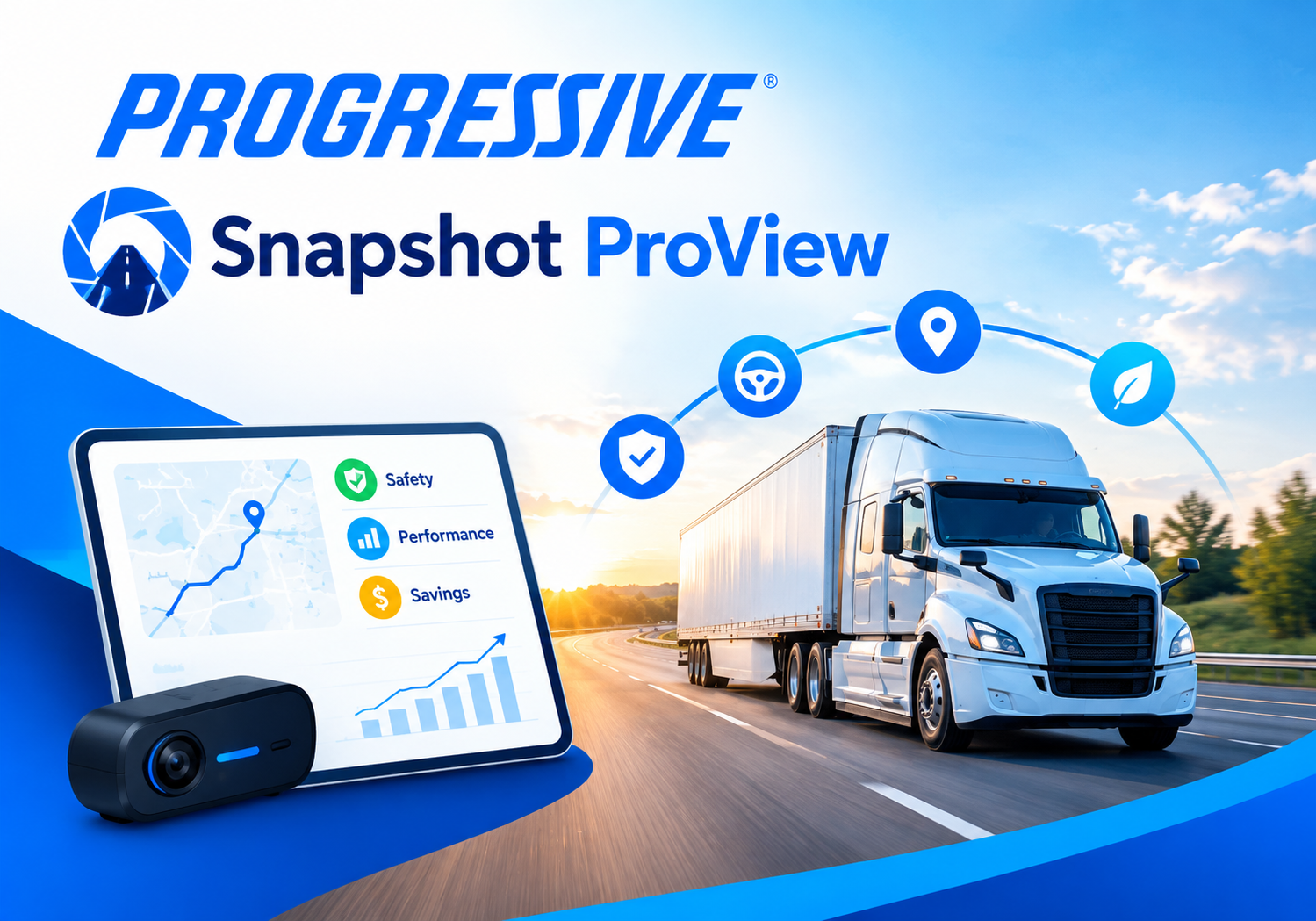
Progressive is one of the largest auto insurers in the United States and a recognized leader in usage-based insurance. Its flagship telematics program, Snapshot, tracks real driving behavior — including speed, braking patterns, and time of day — and rewards safe drivers with personalized discounts. According to Progressive’s own data, drivers who use Snapshot save an average of $231 per year. Beyond telematics, Progressive offers an unusually broad menu of discounts: multi-policy bundling, continuous insurance rewards, homeowner discounts, good student discounts, and more. Progressive also provides its Name Your Price tool, which lets shoppers set a budget and find a coverage plan that fits it. For cost-conscious drivers across the US, Progressive consistently ranks among the most flexible and competitively priced insurers available.
Why Do Car Insurance Rates Vary So Much — and What Controls Yours?
Before reducing your premiums, it helps to understand what drives them. Insurers use actuarial data and algorithms to price risk, and several factors influence your rate significantly. According to a report by the National Association of Insurance Commissioners (NAIC), the most heavily weighted factors are your driving record, geographic location, vehicle type, annual mileage, credit score, and claims history.
Consequently, improving even one or two of these factors can meaningfully lower what you pay. The table below breaks down the key variables, their impact, and actionable steps to address each one.
| Factor | Impact on Premium | Actionable Step |
| Driving record | Major — accidents raise rates 20–40% | Take a defensive driving course |
| Credit score | Significant in most US states | Pay bills on time, reduce debt |
| Annual mileage | Lower miles = lower risk | Consider pay-per-mile or telematics |
| Vehicle type | Luxury & sports cars cost more | Choose cars with high safety ratings |
| Deductible level | Higher deductible = lower premium | Raise deductible if you have savings |
| Location & ZIP code | Urban areas = higher rates | Garage parking can help in dense areas |
| Coverage limits | More coverage = more premium | Review limits annually as car depreciates |
| Policy bundling | Typically saves 5–25% | Bundle auto + home or renters |
Furthermore, J.D. Power’s 2023 U.S. Auto Insurance Study found that nearly 40% of consumers who shopped for insurance found a better rate — yet only 20% of drivers actively shop for new coverage each year. Therefore, regular review and comparison are among the most underutilized strategies for cutting costs.
How Can You Use Discounts to Dramatically Lower Your Car Insurance?

Discounts represent one of the fastest and most accessible ways to reduce premiums — yet many drivers never ask about them or fail to qualify simply because they haven’t taken the right steps. As a result, billions of dollars in available discounts go unclaimed each year.
What Types of Discounts Do Insurers Like Progressive Offer?
Progressive offers one of the most comprehensive discount structures in the industry. Specifically, its Snapshot telematics program allows drivers to earn a personalized rate based on how they actually drive rather than demographic proxies alone. Drivers who drive safely, avoid hard braking, and stay off the road during late-night hours tend to see the largest savings — sometimes up to 30% on their premium. Additionally, Progressive rewards loyalty through its continuous insurance discount, which applies when you maintain uninterrupted coverage regardless of which insurer you held your policy with previously.
Beyond Snapshot, Progressive offers multi-policy discounts for customers who bundle auto coverage with homeowners, renters, boat, or motorcycle insurance. Furthermore, paying your policy in full annually instead of monthly eliminates installment fees and typically reduces the effective rate by 5–10%.
How Does biBERK’s Direct Model Create Savings?
biBERK’s model differs from Progressive in an important way: rather than rewarding specific behaviors, it structurally removes cost layers. By bypassing insurance brokers entirely, biBERK passes the eliminated commission margin directly to customers. The company claims savings of up to 20% compared to traditional insurer pricing for equivalent coverage. Moreover, for business owners who use vehicles for both personal and work purposes, biBERK’s ability to bundle commercial auto with business owner’s policies creates additional economies that standalone personal insurers simply cannot offer.
| Discount Type | Who Offers It | Estimated Savings |
| Good driver discount | Progressive, biBERK, most major insurers | 5–15% |
| Telematics / usage-based | Progressive Snapshot, State Farm Drive Safe | Up to 30% |
| Multi-policy bundle | Progressive, biBERK, Allstate, GEICO | 5–25% |
| Low mileage | Nationwide, Progressive, Metromile | 5–20% |
| Defensive driving course | Available with most insurers | 3–10% |
| Anti-theft devices | Progressive, GEICO, Farmers | 5–25% |
| Paying in full (annual) | Most major insurers | 5–10% |
| Good student discount | Progressive, State Farm, Allstate | 8–25% |
| Expert Insight According to Bankrate’s 2025 insurance analysis, drivers who combine a telematics program with multi-policy bundling reduce their annual premium by an average of 22–35%, depending on the insurer and state. |
Does Your Deductible Choice Really Lower Car Insurance?
Yes — and the impact is larger than most drivers realize. Your deductible is the amount you pay out of pocket before your insurance kicks in when you file a claim. The higher your deductible, the lower your monthly or annual premium, because you’re absorbing more of the initial financial risk yourself.
For example, raising your deductible from $500 to $1,000 typically reduces collision and comprehensive premiums by 10–15%, according to the Insurance Information Institute. However, you should only increase your deductible if you have sufficient savings to cover the higher out-of-pocket cost in the event of a claim. Therefore, a straightforward rule of thumb: set your deductible at the highest amount you could comfortably pay without financial strain.
Should You Drop Comprehensive and Collision Coverage on Older Cars?
As your vehicle ages and depreciates, the math on comprehensive and collision coverage shifts. If your car’s market value drops below $4,000–$5,000, you may be paying more in annual premiums for those coverages than you would ever realistically collect in a claim payout. Specifically, insurers pay the actual cash value of a vehicle at the time of a claim — not its replacement cost. Consequently, for older vehicles, dropping collision and comprehensive coverage while retaining liability coverage can significantly reduce your total insurance costs. Tools like Kelley Blue Book and Edmunds help you quickly assess your vehicle’s current market value.
How Does Your Credit Score Affect Car Insurance — and Can You Fix It?
In most US states, insurers use a credit-based insurance score as a pricing factor. Research published by the Federal Trade Commission found that credit-based insurance scores are effective predictors of insurance risk, which is why most major insurers weight them heavily. Drivers with excellent credit can pay as much as 50–100% less than drivers with poor credit for identical coverage, according to NerdWallet’s 2025 rate analysis.
Fortunately, credit scores are improvable. The following steps directly raise your credit-based insurance score over time:
- Pay all bills on time — payment history accounts for 35% of your FICO score
- Keep credit card balances below 30% of your total available limit
- Avoid opening multiple new credit accounts in a short period
- Regularly review your credit report for errors via AnnualCreditReport.com and dispute inaccuracies
- Keep older accounts open to maintain a longer credit history
Notably, California, Hawaii, and Massachusetts prohibit the use of credit scores in insurance pricing. Drivers in those states should focus on other factors like driving record and mileage to lower their premiums.
Does Telematics Really Lower Car Insurance — or Is It a Gimmick?
Telematics is one of the most evidence-backed tools for lowering car insurance, particularly through providers like Progressive. The Snapshot program uses a plug-in device or smartphone app to monitor driving patterns over a period of several weeks. Based on that data, Progressive assigns a personalized discount — or, in rare cases, a surcharge for particularly risky driving behavior.
Who Benefits Most From Programs Like Progressive’s Snapshot?
Safe drivers, low-mileage drivers, and people who avoid nighttime driving benefit the most from telematics programs. According to Progressive’s reported data, the majority of Snapshot participants receive a discount, and the average savings exceed $200 annually. Therefore, if you already drive carefully, enrolling in Snapshot is one of the most straightforward steps you can take to reduce your premium with minimal behavioral change required.
Moreover, telematics gives younger drivers — who typically face high premiums due to age-based statistical risk — a way to demonstrate their individual driving behavior rather than being priced on demographic averages alone. A 22-year-old safe driver, for example, can realistically undercut the rates their age group typically faces.
Does Shopping Around Actually Lower Car Insurance Rates?
Absolutely — and it remains the single most consistently impactful action any driver can take. Insurance pricing is highly competitive, and rates for identical drivers and vehicles can vary by 50% or more between providers. According to a 2023 analysis by Consumer Reports, drivers who compared at least three quotes before purchasing saved an average of $416 per year.
How Often Should You Re-Shop Your Car Insurance?
Most financial advisors and insurance experts recommend shopping your coverage at renewal — typically every 6 to 12 months. Life events like moving, getting married, paying off a car loan, or reaching a certain age milestone (e.g., turning 25) can all shift your risk profile significantly and make you eligible for better rates elsewhere. Therefore, rather than auto-renewing your policy, treat each renewal as an opportunity to compare.
When comparing quotes from providers like biBERK and Progressive, always ensure you compare equivalent coverage levels — the same liability limits, deductible amounts, and optional coverages — to make the comparison meaningful. A lower premium that strips away needed protection isn’t a genuine saving.
How Do biBERK and Progressive Compare for Lowering Car Insurance?
The table below provides a side-by-side comparison of both providers across the key factors that affect your ability to lower premiums.
| Feature |  |  | What It Means for You |
| Target customer | Small business owners & individuals | Personal & commercial auto drivers | Both serve distinct yet overlapping needs |
| Discount options | Bundling & safe-driving credits | Snapshot telematics, multi-policy, good driver | Progressive offers more granular usage-based savings |
| Online quoting | Fast online quote in minutes | Instant online or agent-assisted quote | Both allow fully digital sign-up |
| Telematics program | Limited | Snapshot — tracks real driving habits | Progressive rewards careful drivers directly |
| Multi-policy bundling | Yes (business + auto) | Yes (home, renters, boat, motorcycle) | Both cut costs when you bundle policies |
| Claims process | Digital-first, streamlined | 24/7 claims via app, phone, or online | Progressive edges ahead on 24/7 availability |
| Best for | Entrepreneurs seeking combined coverage | Drivers wanting usage-based premiums | Choose based on your driving profile & lifestyle |
| Average savings potential | Up to 10–15% via bundling | Up to 30% with Snapshot program | Progressive’s telematics advantage is significant |
In summary, Progressive is the stronger choice for personal auto drivers who want behavior-based savings and a rich discount ecosystem. Meanwhile, biBERK is particularly compelling for small business owners and entrepreneurs who want to cut costs by bundling personal and commercial coverage through one direct-to-consumer provider.
What Other Steps Can You Take Right Now to Lower Car Insurance?

Beyond the major strategies above, several additional steps produce measurable savings when combined. Together, they can compound your total premium reduction significantly.
Does Where You Park Your Car Affect Your Insurance Rate?
Yes — location and parking situation affect both theft-related claims and overall rate calculation. Insurers use ZIP code data to assess local accident frequency, theft rates, and weather risk. Garaging your vehicle overnight rather than parking it on the street reduces comprehensive risk, and many insurers offer a garage parking discount. Additionally, if you move from an urban ZIP code to a suburban or rural area, your base rate often drops automatically at renewal.
Can Taking a Defensive Driving Course Lower Your Premium?
In most states, completing an approved defensive driving course qualifies you for a premium discount — typically between 5% and 10% — and may also reduce points on your driving record from past violations. Many courses are now available entirely online and take between 4 and 8 hours to complete. The National Safety Council and AAA both offer nationally recognized programs. Furthermore, drivers over 55 often qualify for age-related safe driver discounts through the same channels.
Should You Review Your Coverage Limits Annually?
Absolutely. As your car ages, your coverage needs change. A vehicle worth $15,000 today will be worth significantly less in three years, and your coverage should reflect that. Reviewing your policy annually — and adjusting limits, removing unnecessary riders, and re-evaluating add-ons like rental reimbursement — ensures you’re not paying for protection you no longer need. Most insurers, including Progressive and biBERK, allow mid-policy adjustments through their online portals without penalties.
What Is the Best Overall Strategy to Lower Car Insurance?
Lowering car insurance isn’t about finding one magic fix — it’s about combining multiple strategies intelligently. The drivers who pay the least are typically those who maintain clean driving records, carry good credit, regularly shop for better rates, take advantage of every applicable discount, and choose a provider whose model genuinely aligns with their needs.
Specifically, Progressive stands out as the top choice for personal auto drivers focused on behavior-based savings. Its Snapshot telematics program, broad discount library, and Name Your Price tool give cost-conscious drivers more control over their premiums than almost any other major US insurer. For individuals who drive safely and want their good habits recognized financially, Progressive delivers a compelling, evidence-backed path to lower premiums.
Meanwhile, biBERK offers a structurally different advantage: by cutting out intermediaries and selling insurance directly, it removes cost layers that most traditional providers pass along to customers. For self-employed professionals, freelancers, and small business owners who need both personal and commercial auto coverage, biBERK’s bundling capability and direct pricing model create savings that are difficult to match through conventional channels.
Ultimately, the best approach combines both actions: select a provider like Progressive or biBERK that aligns with your driving profile and coverage needs, then actively pursue every discount, review your policy annually, and use telematics where it works in your favor. According to Bankrate’s 2025 insurance research, drivers who apply at least four cost-reduction strategies simultaneously reduce their annual premium by an average of 28–35%. That’s real money — returned to your pocket year after year.
Frequently Asked Questions About Lowering Car Insurance
No — in fact, the opposite is true. Most insurers offer a continuous coverage discount that rewards uninterrupted policy history. Cancelling your coverage creates a lapse that insurers treat as a risk signal, which typically raises your future rates. Instead of cancelling and restarting, shop for better rates while your current policy is still active, then switch seamlessly at renewal or mid-term if your insurer allows it without cancellation fees. Progressive, for example, explicitly rewards continuous coverage history even if that coverage was held with a different insurer.
Adding a teen or young adult driver to your policy typically raises premiums by 50–100%, because young drivers statistically have significantly higher accident rates. However, several steps soften this increase considerably. First, good student discounts — available through Progressive and many other major insurers — can reduce the surcharge by 8–25% for students maintaining a B average or higher. Second, enrolling the young driver in a telematics program lets their individual driving behavior determine their rate rather than age alone. Third, assigning younger drivers to older, lower-value vehicles on the policy minimizes the cost of the coverage associated with their driving.
In most US states, yes — it is legal and common. The practice is permitted in 47 states, though California, Hawaii, and Massachusetts prohibit credit-based insurance scoring entirely. In states where it is allowed, the FTC has confirmed that credit-based insurance scores correlate with claim likelihood, which is why regulators have broadly permitted the practice. If you live in a state where credit scoring is allowed and your score is low, improving it — through on-time payments and debt reduction — is one of the most powerful long-term strategies for lowering your insurance premiums.
How Can Solution for Guru Help You Manage Your Insurance and Business More Effectively?
For freelancers, entrepreneurs, and small business owners navigating both personal and commercial auto insurance decisions, the complexity of managing policies alongside broader business operations can be overwhelming. That’s precisely where Solution for Guru delivers meaningful value.
Solution for Guru is a specialized business consulting and CRM implementation company that helps organizations streamline operations, automate processes, and make smarter data-driven decisions. Here’s why partnering with Solution for Guru makes a practical difference:
- CRM optimization: Solution for Guru helps businesses implement and configure CRM platforms — like Creatio — to track client data, automate follow-ups, and manage vendor relationships, including insurance provider contacts, policy renewal dates, and coverage benchmarks.
- Process automation: Manually tracking multiple insurance policies, renewal dates, and discount eligibility is time-consuming. Solution for Guru builds automated workflows that flag renewal opportunities, surface cost-saving actions, and reduce the administrative burden.
- Cost visibility: By integrating financial and operational data into a unified dashboard, Solution for Guru gives business owners a clear view of insurance-related expenditures alongside other operational costs — enabling smarter budgeting decisions.
- Expert guidance: Solution for Guru’s team brings experience across multiple industries, helping clients align their insurance choices with broader business risk management strategies.
- Scalable solutions: Whether you’re a solo consultant or managing a growing team with a fleet of vehicles, Solution for Guru scales its support to match your operational complexity.

In short, while providers like Progressive and biBERK give you the tools to lower your car insurance costs, Solution for Guru helps you embed those decisions into a well-managed business infrastructure — so nothing falls through the cracks. Visit solution4guru.com to learn more about how their team can support your business.
Recommended
- Minimum Liability Limits for Business Vehicles Explained
- Bundling Policies with biBERK: Pros and Cons
- How Does Progressive Insurance Help High-Risk Drivers Get Covered?
- Common Progressive Commercial Policy Mistakes Small Businesses Make
- Progressive vs biBERK vs NEXT: Which Commercial Auto Insurance Offers Better Value?
- What Does Progressive Commercial Auto Insurance Actually Cover?
- AI in Commercial Auto Insurance: Smarter Risk Assessment
- Understanding biBERK’s Claims Process for Commercial Auto Insurance
- When Is Progressive More Expensive Than Regional Commercial Auto Insurers?
- Top Progressive Discounts Small Business Owners Should Know About
- 24/7 Policy Management: How Progressive Supports Busy Business Owners
- Is biBERK a Good Choice for Small Business Owners?
- Checklist: Documents Needed for Commercial Auto Insurance
- How Food Truck Owners Can Benefit from Commercial Auto Insurance
- Commercial vs. Personal Auto Insurance: What’s the Difference?
- biBERK vs Progressive Commercial Auto Insurance: Which Is Better?
- Digital Transformation in Commercial Auto Insurance: What’s Next for Businesses?
- Insurance Needs for Contractors with Company Vehicles: What Do You Really Need?
- Commercial Auto Insurance for Delivery Businesses: Why biBERK Is a Strong Option
- What It’s Like to Work in Commercial Auto Insurance (And How to Start)