What Do Car Insurance Agents Actually Do — and How Do You Find the Best One for Your Needs?

Finding the right car insurance can feel overwhelming. With dozens of providers, confusing policy terms, and pricing that varies wildly from one driver to the next, most people simply don’t know where to start. That’s exactly where car insurance agents come in. These licensed professionals serve as your guide through the maze of coverage options, helping you secure a policy that genuinely protects you — without paying more than you should.
In this comprehensive guide, we’ll walk you through everything you need to know about working with car insurance agents, how to evaluate your options, and why choosing the right insurance provider matters just as much as choosing the right agent. Throughout this article, we’ll specifically highlight biBERK and Progressive, two of the most well-known auto insurance providers in the United States, so you can make a truly informed decision.
Table of contents
Quick Summary
- Car insurance agents help drivers compare, purchase, and manage auto insurance policies.
- There are two main agent types: captive agents (represent one insurer) and independent agents (work with multiple carriers).
- biBERK offers a direct, digital-first experience ideal for straightforward commercial and personal policies.
- Progressive provides a massive network of agents plus powerful online tools for drivers of all risk profiles.
- Comparing multiple quotes and agent types is the single most effective way to save money on auto insurance.
- Working with a reputable partner like Solution for Guru can further simplify your insurance journey.
Which Companies Are Leading the Car Insurance Agent Space Right Now?
Before diving into the details of how car insurance agents work, it’s worth introducing the key players we’ll be comparing throughout this guide. Both biBERK and Progressive represent distinct approaches to selling and servicing auto insurance — and both have strong ties to the agent ecosystem in the United States.
biBERK
Direct Model
A Berkshire Hathaway company focused on delivering straightforward, affordable business and personal insurance directly to customers — with or without a traditional agent.Get a Quote →
Progressive

Agent + Direct
One of the largest auto insurers in the U.S., Progressive works with thousands of independent agents while also offering robust direct-to-consumer options online.Get a Quote →
Auto Insurance US
Market Overview
The U.S. auto insurance market is one of the largest in the world, with over 215 million licensed drivers relying on agents and insurers like biBERK and Progressive every day.
Together, biBERK and Progressive illustrate the two major distribution models shaping American auto insurance today: the direct digital approach and the traditional agent-assisted approach. Understanding how each model works — and what it means for your coverage experience — is central to this article.
What Exactly Is a Car Insurance Agent — and Why Does It Matter?
How Does a Car Insurance Agent Differ From a Broker?
Many drivers use the terms “agent” and “broker” interchangeably, but they actually describe different roles. A car insurance agent represents one or more insurance companies and earns a commission when you buy a policy through them. A broker, on the other hand, represents the buyer — meaning they shop the market on your behalf without being tied to specific insurers.
In practice, independent agents often function similarly to brokers because they work with multiple carriers. However, agents are legally authorized to bind coverage (i.e., activate your policy on the spot), while brokers typically cannot. According to the National Association of Insurance Commissioners (NAIC), agents must hold a valid state license, pass exams, and complete continuing education requirements to stay current with insurance regulations.
What Are the Two Main Types of Car Insurance Agents?
Understanding the two primary agent types helps you decide which path to take when shopping for coverage:
- Captive Agents: These agents work exclusively for a single insurance company. For example, a State Farm or Allstate agent only sells those companies’ products. Their deep product knowledge is a genuine advantage, but they simply cannot show you what competing carriers offer.
- Independent Agents: These agents represent multiple insurance companies. Consequently, they can compare policies across carriers and find you the best combination of price and coverage. According to the Independent Insurance Agents & Brokers of America (IIABA), independent agents write more than 60% of all commercial lines insurance in the U.S.
Both types play a key role in the auto insurance market. However, if you value comparison shopping and flexibility, an independent agent generally offers more value. On the other hand, if you already know and trust a specific brand — say, you want Progressive specifically — a captive or dedicated Progressive agent may serve you just as well.
How Does biBERK Fit Into the Agent Landscape?
biBERK, backed by Berkshire Hathaway Insurance Group, takes a notably different approach. Rather than relying on a network of external agents, biBERK sells insurance directly to customers online. This direct model cuts out the traditional agent commission layer, which is precisely how biBERK claims to offer savings of up to 20% compared to other providers.
For drivers and small business owners who feel comfortable navigating insurance decisions independently — or who simply want fast, transparent quotes without scheduling an appointment — biBERK’s agent-free model is genuinely appealing. That said, biBERK does offer customer support specialists who can guide you through policy selection, functioning as an informal alternative to the traditional agent experience.
Furthermore, because biBERK is part of Berkshire Hathaway, policyholders benefit from the financial stability of one of the most creditworthy insurance groups in the world, rated A++ by AM Best.
How Does Progressive Use Car Insurance Agents to Serve More Drivers?
What Makes Progressive’s Agent Network Unique?
Progressive operates one of the most expansive and flexible distribution systems in U.S. auto insurance. Unlike purely direct-to-consumer models, Progressive actively partners with tens of thousands of independent agents across all 50 states. This hybrid approach means you can purchase a Progressive policy however you prefer — directly online, through the Progressive app, by phone, or through a licensed independent agent.
Notably, Progressive empowers its agent partners with a tool called Progressive Advantage Agency, which allows agents to quote and compare multiple carriers simultaneously. This means that even when you visit a Progressive-affiliated agent, they can present you with competing quotes — a transparency feature that distinguishes Progressive from many of its peers.
What Types of Coverage Does Progressive Offer Through Agents?
Progressive agents help customers access a wide range of personal auto insurance products, including:
- Liability coverage (bodily injury and property damage)
- Collision and comprehensive coverage
- Uninsured/underinsured motorist protection
- Medical payments and personal injury protection (PIP)
- Gap insurance for financed vehicles
- Rideshare coverage (for Uber and Lyft drivers)
- Custom parts and equipment coverage
According to Progressive’s official website, the company insures more than 28 million vehicles in the United States. That scale translates into significant pricing power and a broad pool of risk data — both of which help Progressive offer competitive rates, especially for high-risk drivers who might struggle to find coverage elsewhere.
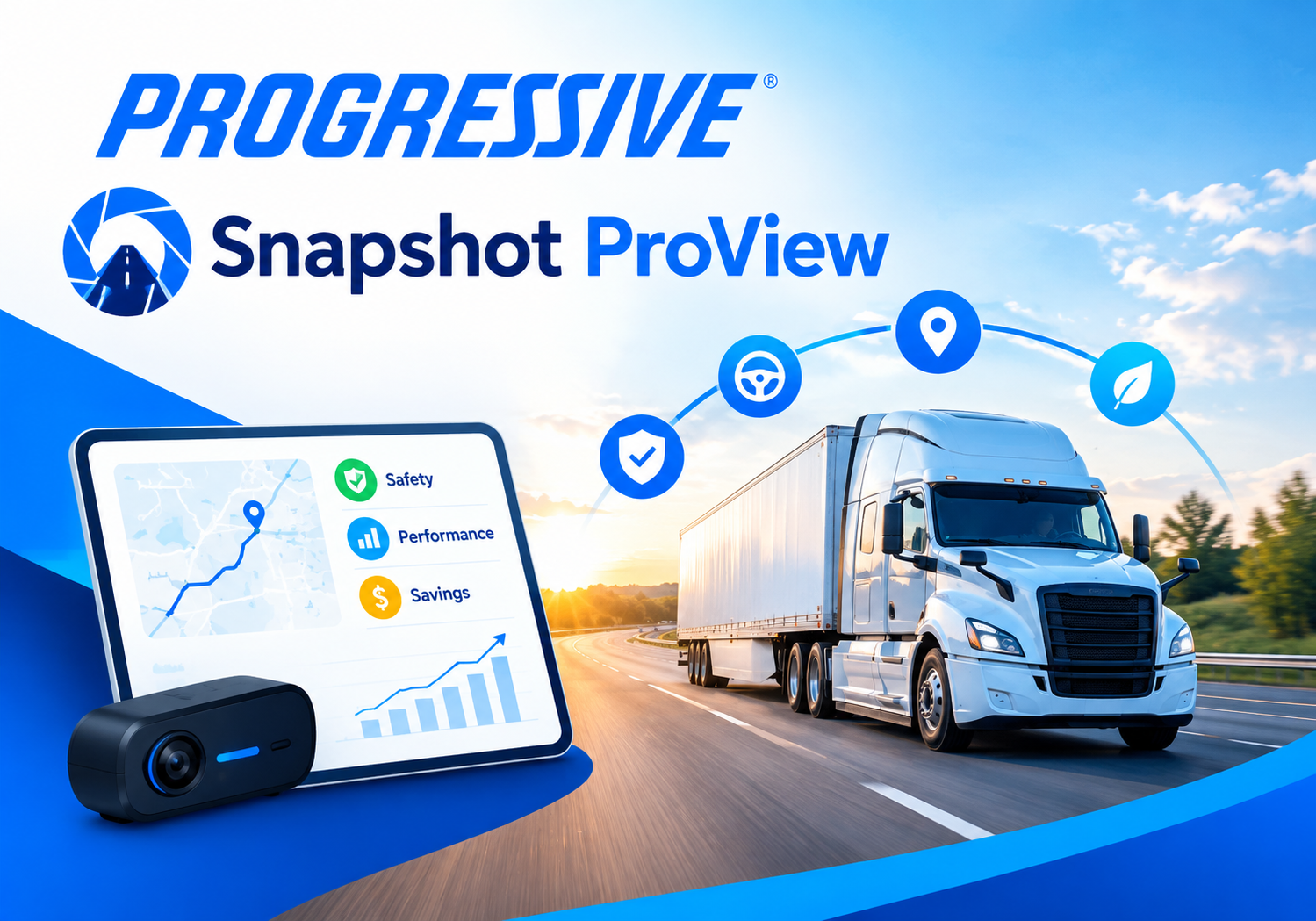
How Does Progressive’s Snapshot Program Work With Agents?
One of Progressive’s most innovative offerings is Snapshot, a usage-based insurance program that monitors your actual driving behavior through a mobile app or plug-in device. Safe drivers can earn meaningful discounts — Progressive reports that good drivers save an average of $231 per year through Snapshot.
Agents play an important role here: they help clients understand how Snapshot works, set realistic expectations about the monitoring period, and ensure that drivers who might not benefit (such as those with long commutes or night-shift workers) consider the trade-offs before enrolling. This kind of nuanced guidance is precisely where a knowledgeable agent adds value that an algorithm alone cannot replicate.
What Should You Look for When Choosing a Car Insurance Agent?

What Qualifications and Credentials Should an Agent Have?
Not all agents deliver the same level of service. Therefore, before you commit to working with one, verify the following qualifications:
- State License: Every car insurance agent must hold a valid license in your state. You can verify this through your state’s Department of Insurance website — for example, the NAIC’s state directory links directly to each state’s licensing portal.
- E&O Insurance: Errors and Omissions (E&O) insurance protects you if your agent makes a mistake that results in a coverage gap. Professional agents always carry this coverage.
- Professional Designations: Look for credentials like CPCU (Chartered Property Casualty Underwriter) or CIC (Certified Insurance Counselor), which demonstrate advanced expertise.
- Years of Experience: Longevity in the industry matters. An agent who has navigated multiple economic cycles and regulatory changes brings practical wisdom that newer agents simply haven’t had time to accumulate.
How Do You Evaluate an Agent’s Responsiveness and Communication Style?
Insurance is a relationship business. You’ll interact with your agent not only when you buy a policy but also when you need to file a claim, adjust your coverage, or respond to a life change like buying a new car or adding a teenage driver. As a result, communication style matters enormously.
During your initial conversations with a prospective agent, pay attention to:
- How quickly they return your calls or emails
- Whether they explain policy terms clearly or hide behind jargon
- Whether they ask thoughtful questions about your driving habits, assets, and risk tolerance
- Whether they proactively mention coverage options you hadn’t considered
A great agent doesn’t just sell you a policy — they advocate for you. When working with companies like Progressive, agents who truly understand the product lineup can match your specific situation to the right tier of coverage, potentially saving you hundreds of dollars annually while improving your protection.
How Do biBERK and Progressive Compare for Different Driver Profiles?

Who Benefits Most From biBERK’s Direct Model?
biBERK particularly suits drivers and small business owners who:
- Prefer a fully digital, self-service experience
- Have straightforward coverage needs without complex multi-vehicle fleets
- Want to avoid commission-based sales pressure
- Value the financial security of a Berkshire Hathaway-backed insurer
Additionally, biBERK’s online quoting process is notably fast. Many customers receive a binding quote within minutes, making it an excellent option for those who need coverage urgently. However, drivers who prefer face-to-face guidance or who have complex coverage needs — such as classic car owners, rideshare drivers, or those with significant at-fault accident history — may find that a dedicated agent relationship with Progressive serves them better.
Who Benefits Most From Progressive’s Agent-Assisted Model?
Progressive specifically excels for:
- High-risk drivers (DUIs, multiple accidents, or poor credit) who need expert advocacy
- Customers who want to bundle auto with home, renters, or boat insurance
- Drivers who want usage-based insurance options like Snapshot
- Those who value local, in-person agent relationships
- Commercial vehicle owners who need both personal and fleet coverage
Progressive’s agents are also particularly well-equipped to handle claims guidance. When an accident happens, having a local agent who knows your policy inside and out — and who can advocate on your behalf with the claims department — is a meaningful advantage that purely digital insurers cannot always match.
How Do biBERK and Progressive Stack Up in a Side-by-Side Comparison?
The table below summarizes the key differences between these two leading auto insurance providers to help you make an informed decision:
| Feature |  |  |
|---|---|---|
| Parent Company | Berkshire Hathaway | The Progressive Corporation |
| Agent Model | Direct-to-consumer (no agents) | Independent agents + direct channels |
| AM Best Rating | A++ (Superior) | A+ (Superior) |
| Online Quoting | ✔ Fast, fully digital | ✔ Online + agent-assisted options |
| Usage-Based Insurance | Limited | ✔ Snapshot program (avg. $231 savings) |
| High-Risk Drivers | Standard coverage available | ✔ Specializes in high-risk drivers |
| Rideshare Coverage | Limited | ✔ Dedicated rideshare product |
| Bundle Discounts | Available (select products) | ✔ Auto + home, renters, boat, etc. |
| Potential Savings | Up to 20% vs. traditional agents | Varies; avg. $750/year switching savings reported |
| Mobile App | ✔ Available | ✔ Highly rated app |
| Claims Support | Digital + phone support | Digital + agent-assisted claims help |
| Best For | Self-directed, digitally savvy buyers | Complex needs, high-risk, agent-preferred |
| Get a Quote | Visit biBERK → | Visit Progressive → |
What Are the Most Important Factors in U.S. Auto Insurance Pricing?
What Personal Factors Affect Your Premium?
Car insurance agents — and the algorithms behind direct insurers like biBERK — evaluate multiple risk factors when calculating your premium. Understanding these factors empowers you to negotiate more effectively and identify legitimate discounts:
- Driving record: Accidents, violations, and DUIs dramatically increase premiums. A single at-fault accident can raise rates by 40% or more, according to the Insurance Information Institute (III).
- Age and gender: Young male drivers statistically face the highest premiums. Rates generally peak around age 16–25 and drop significantly after age 25.
- Credit score: In most U.S. states, insurers use credit-based insurance scores to predict claim likelihood. Improving your credit score can meaningfully reduce your auto premium.
- Location: Urban drivers typically pay more due to higher accident rates, theft, and vandalism. State regulations also play a role — California, Michigan, and Florida tend to have some of the highest average premiums.
- Vehicle type: Sports cars, luxury vehicles, and models with poor safety ratings cost more to insure. Conversely, vehicles with advanced safety features often qualify for discounts.
- Annual mileage: Lower-mileage drivers generally receive lower rates. This is especially relevant for Progressive’s Snapshot program, which specifically rewards low-mileage drivers.
How Can an Agent Help You Find Discounts You Might Otherwise Miss?
One of the most practical reasons to work with a car insurance agent — rather than simply clicking through an online form — is that agents actively hunt for discounts on your behalf. The list of possible discounts varies by insurer, but commonly includes:
- Multi-policy discounts (bundling auto with home or renters insurance)
- Good driver discounts (typically 3–5 clean years)
- Good student discounts (for drivers under 25 with a B average or better)
- Defensive driving course completion
- Paperless billing and autopay discounts
- Vehicle safety feature discounts (anti-lock brakes, blind-spot monitoring, etc.)
- Low-mileage discounts (particularly valuable with Progressive’s Snapshot)
A knowledgeable Progressive agent, for instance, will systematically work through your profile and apply every applicable discount — a process that can realistically trim your annual premium by 15–30%. Meanwhile, biBERK‘s streamlined platform automatically flags eligible discounts during the quoting process, so you don’t miss key savings opportunities even without an agent in the loop.
How Does the Claims Process Work — and What Role Does Your Agent Play?

What Should You Expect After Filing an Auto Insurance Claim?
Filing a claim is often the moment that determines whether you’re truly satisfied with your insurer. According to the J.D. Power 2025 U.S. Auto Claims Satisfaction Study, claimant satisfaction correlates strongly with speed of resolution, communication clarity, and fairness of settlement — three areas where a supportive agent can make a significant difference.
Here’s a simplified overview of the standard auto insurance claims process in the United States:
- Report the incident to your insurer or agent as soon as possible — ideally within 24 hours.
- Document everything: photos of damage, police reports, witness contact information, and any medical records if injuries occurred.
- Work with an adjuster who will assess the damage and determine fault.
- Receive a settlement offer covering repairs, medical expenses (if applicable), and any applicable rental car reimbursement.
- Dispute the offer (if necessary) with the help of your agent or an independent appraiser.
How Do biBERK and Progressive Handle Claims Differently?
Both biBERK and Progressive offer 24/7 claims reporting, but their support structures differ notably. biBERK handles claims primarily through its digital platform and phone-based customer service team, which works efficiently for straightforward incidents. For complex multi-party accidents, however, some policyholders find the absence of a dedicated agent relationship to be a limitation.
Progressive addresses this gap through its agent network. When you purchase a Progressive policy through a local independent agent, that agent remains a resource throughout the claims process — calling on your behalf, helping you understand the adjuster’s assessment, and flagging any settlement offers that seem unfair. This ongoing advocacy is one of the clearest value-adds of working with a traditional car insurance agent.
What’s the Bottom Line — Which Approach Is Right for You?
After examining the full landscape of car insurance agents, provider models, and coverage options, the right choice ultimately depends on your individual situation, preferences, and risk profile. However, a few clear conclusions emerge from the evidence.
First, biBERK stands out as an excellent choice for drivers who prioritize simplicity, speed, and cost efficiency. By eliminating the agent commission layer and delivering policies directly through an intuitive digital platform, biBERK consistently offers competitive pricing backed by the unmatched financial strength of Berkshire Hathaway. If you’re a straightforward driver without complex coverage needs and you’re comfortable navigating insurance decisions independently, biBERK deserves serious consideration. Explore biBERK’s auto insurance options here.
Second, Progressive proves its value for drivers who benefit from personalized guidance — particularly those with high-risk histories, complex coverage needs, or a genuine preference for working with a local agent. Progressive’s hybrid distribution model, which combines direct digital channels with a vast independent agent network, means you never have to choose between convenience and human support. Furthermore, Progressive’s Snapshot program rewards safe driving in ways that purely price-driven models cannot match. Get your Progressive quote through an agent today.
Third, and perhaps most importantly, working with a qualified car insurance agent — whether through Progressive’s network or an independent broker — remains one of the most reliable ways to ensure you’re genuinely protected, not just minimally compliant. The difference between a policy that covers your actual needs and one that leaves you exposed at the worst possible moment often comes down to the expertise of the person who helped you structure it.
In short: compare your options diligently, verify agent credentials, use the comparison table above as your starting framework, and don’t let price alone drive your decision. The cheapest policy today can become the most expensive regret tomorrow.
Frequently Asked Questions About Car Insurance Agents
No — car insurance agents do not charge you a separate fee. Instead, they earn a commission from the insurance company when you purchase a policy. This commission is already built into the premium, which is why biBERK can claim savings by bypassing the agent layer entirely. That said, working with a skilled independent agent who finds you a significantly lower rate from a competing carrier will more than offset any embedded commission cost. Always ask your agent whether their compensation structure could influence their recommendations.
Neither approach is universally better — the right answer depends on your situation. Buying directly online (as with biBERK) typically works well for drivers with clean records, straightforward needs, and confidence navigating insurance terminology. Working with an agent (as offered through Progressive’s network) is generally more valuable if you’re a high-risk driver, you want to bundle multiple policies, you’ve recently experienced a major life change, or you simply want a trusted human advocate on your side. The ideal strategy is often to start online for comparison purposes and then consult an independent agent before finalizing your purchase.
Insurance professionals, including those at the Insurance Information Institute, recommend reviewing your auto policy at least once per year — and additionally after any major life event. Key triggers for a policy review include: buying or selling a vehicle, moving to a new state or city, getting married or divorced, adding a new driver (especially a teenager), or significantly changing your annual mileage. Progressive agents proactively schedule annual reviews with their clients, which is one of the underappreciated advantages of maintaining an ongoing agent relationship.
What Are the Benefits of Working With Solution for Guru on Your Insurance Journey?
Navigating the world of car insurance — comparing agents, understanding policy terms, and identifying the best providers like biBERK and Progressive — takes time, expertise, and market knowledge that most people simply don’t have readily available. That’s precisely where Solution for Guru delivers exceptional value.
As a trusted digital resource and comparison platform, Solution for Guru helps consumers and businesses make smarter insurance decisions faster. Here’s what you gain by working with them:
- ✔ Curated provider comparisons — instantly see how biBERK, Progressive, and other leading U.S. auto insurers stack up on price, coverage, and customer service ratings.
- ✔ Expert guidance without bias — unlike captive agents tied to a single insurer, Solution for Guru presents objective information so you can choose with confidence.
- ✔ Time savings — instead of visiting dozens of provider websites, Solution for Guru consolidates the research process into one streamlined experience.
- ✔ Up-to-date market insights — insurance rates and promotions change constantly. Solution for Guru tracks these shifts and ensures the information you receive is current and actionable.
- ✔ Support for all driver profiles — whether you’re a first-time buyer, a high-risk driver rebuilding your record, or a business owner insuring a fleet, Solution for Guru provides relevant, tailored guidance.
Ultimately, the goal isn’t just to find the lowest premium — it’s to find the right coverage at the best available price. Solution for Guru makes that process straightforward, transparent, and genuinely empowering for every type of driver.Explore Solution for Guru →
Recommended
- How to Lower Car Insurance: A Practical Guide to Reducing Your Premiums
- Minimum Liability Limits for Business Vehicles Explained
- Bundling Policies with biBERK: Pros and Cons
- How Does Progressive Insurance Help High-Risk Drivers Get Covered?
- Common Progressive Commercial Policy Mistakes Small Businesses Make
- Progressive vs biBERK vs NEXT: Which Commercial Auto Insurance Offers Better Value?
- What Does Progressive Commercial Auto Insurance Actually Cover?
- AI in Commercial Auto Insurance: Smarter Risk Assessment
- Understanding biBERK’s Claims Process for Commercial Auto Insurance
- When Is Progressive More Expensive Than Regional Commercial Auto Insurers?
- Top Progressive Discounts Small Business Owners Should Know About
- 24/7 Policy Management: How Progressive Supports Busy Business Owners
- Is biBERK a Good Choice for Small Business Owners?
- Checklist: Documents Needed for Commercial Auto Insurance
- How Food Truck Owners Can Benefit from Commercial Auto Insurance
- Commercial vs. Personal Auto Insurance: What’s the Difference?
- biBERK vs Progressive Commercial Auto Insurance: Which Is Better?
- Digital Transformation in Commercial Auto Insurance: What’s Next for Businesses?
- Insurance Needs for Contractors with Company Vehicles: What Do You Really Need?
- Commercial Auto Insurance for Delivery Businesses: Why biBERK Is a Strong Option
- What It’s Like to Work in Commercial Auto Insurance (And How to Start)