Contactless Payments and NFC Processing in Square
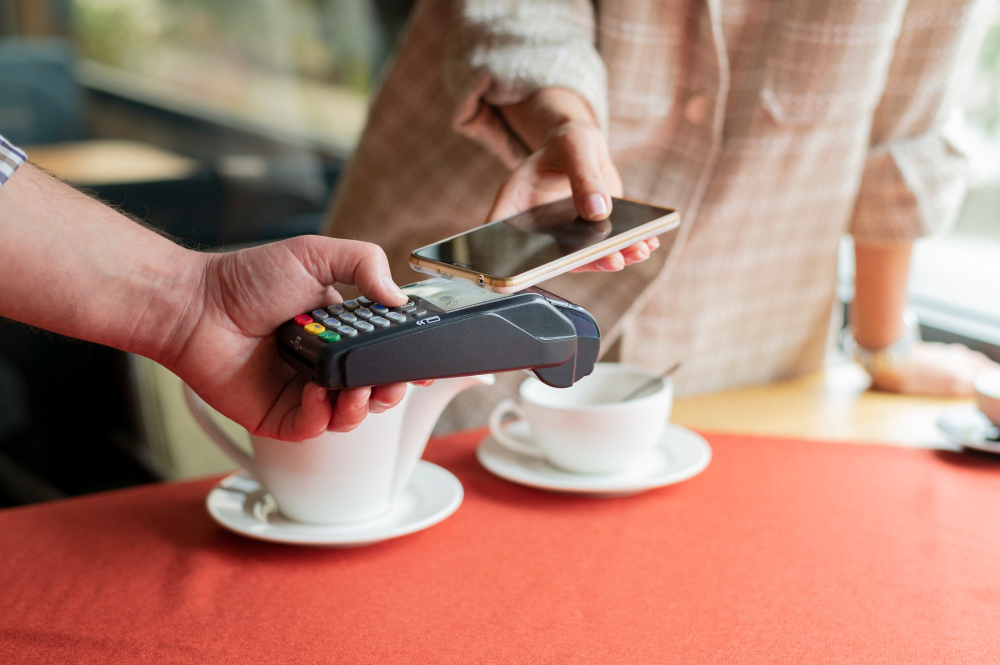
A customer walks up to the counter, taps a phone against a reader, and walks away with their coffee in under two seconds. That brief interaction hides a surprising amount of technology working behind the scenes, and increasingly, that technology runs through Square – Credit Card Processing. Contactless payments have moved from a novelty to the default expectation at checkout counters everywhere, and understanding how this system actually works helps business owners make smarter decisions about hardware, security, and customer experience.
This article breaks down exactly how contactless payments and NFC processing function inside Square, why the technology has become so widely adopted, and how a technology partner can help a business implement it correctly.
Table of contents
Quick Summary
Here is a brief overview of what this article covers:
- The technology: contactless payments rely on near-field communication (NFC), a short-range wireless standard that lets a card or phone exchange encrypted data with a reader.
- The Square angle: Square supports NFC payments through both dedicated hardware and Tap to Pay directly on a compatible smartphone.
- The security model: tokenization and encryption replace the actual card number with a one-time code, making contactless payments harder to intercept than a magnetic stripe swipe.
- The customer experience: contactless transactions complete in a fraction of the time required for chip insertion or manual card entry.
- The adoption trend: more than half of in-person card transactions in the U.S. now happen through contactless methods, and that share continues to grow.
- The partner angle: working with a specialist like Solution for Guru helps businesses configure and integrate Square’s contactless tools efficiently.
How Does Square Relate to Contactless Payments and NFC Processing?

Square – Credit Card Processing plays a central role in this topic because it was among the first payment processors to bring tap-to-pay functionality directly to a merchant’s own smartphone, rather than requiring a separate piece of dedicated hardware. Square built its NFC support into both its physical card readers and its mobile point-of-sale app, which means a business can accept contactless payments through a standalone reader, a full POS terminal, or simply an NFC-enabled iPhone or Android device running the Square app.
This matters directly to the topic of contactless payments because the underlying NFC technology is the same regardless of which processor handles the transaction; what differentiates Square is how accessible and affordable it makes that technology for small and mid-sized businesses. Instead of requiring an expensive terminal upgrade, a business owner can often start accepting taps and contactless cards using a device they already own. The sections below explain exactly how this NFC exchange works, what security measures protect it, and what a business needs to get started.
What Exactly Is NFC and How Does It Power Contactless Payments?
Before exploring how Square implements this technology, it helps to understand the underlying standard that makes tapping a card or phone possible in the first place.
What Does NFC Stand For and Where Did It Come From?
NFC stands for near-field communication, a specialized form of radio frequency identification, or RFID, designed specifically for very short-range data exchange. Unlike broader RFID systems that can read tags from several feet away, NFC operates over a radio frequency of 13.56 MHz and only functions within about one to two inches, which is precisely why a customer needs to hold their card or phone so close to the reader.
How Does This Short Range Actually Improve Security?
That extremely limited range is not a limitation; it is a deliberate security feature. Because the signal only travels a couple of inches, an attacker would need to be standing directly next to a customer with specialized equipment to intercept a transaction, which makes casual skimming far more difficult than it would be with a longer-range wireless signal. This short-range design, combined with the encryption applied to every exchange, is part of why contactless payments have earned a reputation as one of the more secure ways to pay in person.
How Does a Tap Actually Turn Into a Completed Payment?
Understanding the sequence of events between a tap and a completed transaction demystifies what feels like an almost instantaneous process.
What Happens in the First Split Second After a Tap?
When a customer holds a contactless card or phone near a Square reader, the reader’s NFC antenna emits a radio frequency field. This field powers up the passive chip embedded in a contactless card, or activates the active NFC chip inside a smartphone, and the two devices perform what is often described as a handshake, confirming that both sides are ready to exchange payment information.
How Does Tokenization Protect the Actual Card Number?
Rather than transmitting the customer’s actual card number, the chip generates a unique token along with a dynamic cryptogram, essentially a one-time security code that cannot be reused even if it were somehow intercepted. This tokenization process happens inside a secure element on the device itself, meaning the real card number never leaves the customer’s card or phone during the transaction.
How Does the Transaction Reach the Card Network and Bank?
Square’s reader captures this token and routes it through Square’s own processing infrastructure to the relevant card network, such as Visa or Mastercard, which then forwards the request to the customer’s issuing bank. The issuing bank verifies the cryptogram, checks available funds, and sends back an approval or decline, all of which typically completes in under a second from the customer’s perspective. Square then handles settlement on the merchant’s side, consistent with how it processes any other card-present transaction.
What Are the Different Ways Square Accepts Contactless Payments?
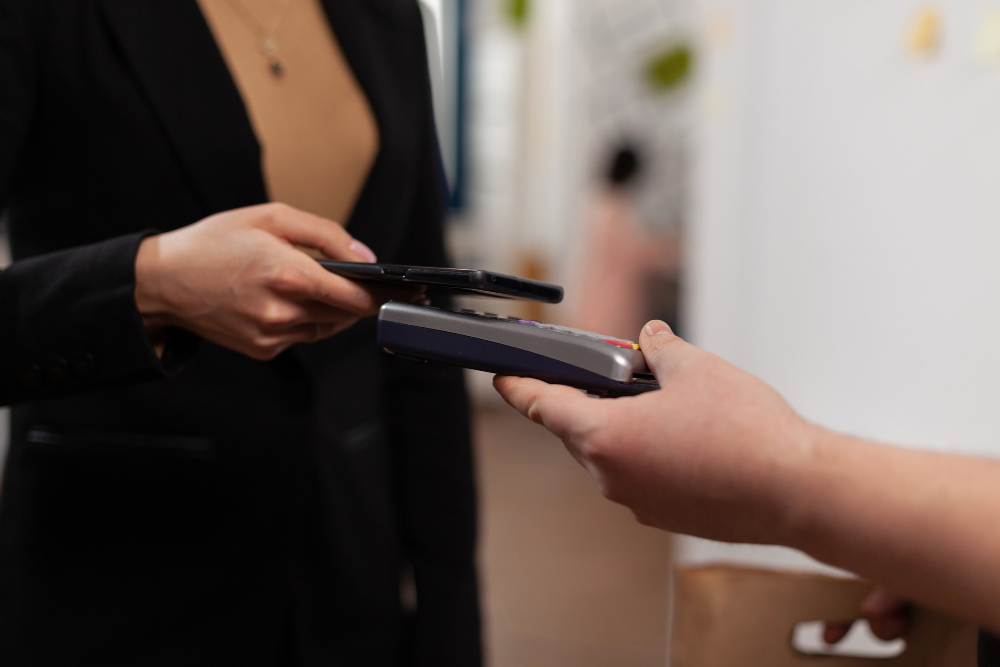
Square supports contactless and NFC-based payments through more than one method, giving businesses flexibility based on their hardware preferences and budget.
| Method | Hardware Required | Best Suited For |
|---|---|---|
| Tap to Pay on iPhone | iPhone XS or later, iOS 15.5+ | Businesses that want to use a phone they already own |
| Tap to Pay on Android | NFC-enabled Android device, Android 9+ | Businesses seeking a low-cost, phone-based setup |
| Square Reader | Small contactless-enabled card reader | Businesses that want a dedicated, purpose-built device |
| Square Terminal or POS Stations | Standalone hardware | Higher-volume retail or restaurant environments |
How Does Tap to Pay on a Phone Actually Get Enabled?
Setting up Tap to Pay typically requires downloading the Square Point of Sale app, confirming the device meets the compatibility requirements, and enabling the feature within the app’s settings. Once active, the merchant simply asks the customer to hold their contactless card or phone near the back of the merchant’s device, and the transaction proceeds exactly as it would through dedicated hardware.
Why Might a Business Choose Dedicated Hardware Instead?
While phone-based Tap to Pay removes the need for extra equipment, some businesses still prefer dedicated readers or terminals, particularly in high-volume settings where a staff member’s phone might otherwise be tied up handling transactions all day. Dedicated hardware also tends to hold up better under constant daily use than a personal smartphone not built for that level of repeated handling.
How Fast and Convenient Are Contactless Payments Compared to Other Methods?
Speed is one of the most cited reasons customers and businesses alike have embraced contactless payments so quickly.
Contactless transactions can complete up to ten times faster than other in-person payment methods, since there is no need to insert a chip card and wait for it to process, swipe a magnetic stripe, or enter a PIN for smaller purchases. This speed advantage compounds during busy periods, where even a few extra seconds per transaction can create long lines and frustrated customers. Because Square’s contactless flow typically skips PIN entry and signature requirements for transactions under a certain threshold, checkout becomes a genuinely brief tap-and-go interaction rather than a multi-step process.
The practical benefits of this speed show up in several ways for a business:
- Shorter checkout lines, which improves the customer experience during peak hours.
- Higher transaction throughput, letting a single register or staff member serve more customers per hour.
- Reduced friction for small purchases, encouraging customers to make quick, low-commitment buys.
- Fewer abandoned transactions, since customers rarely walk away from a checkout process that takes only a second or two.
How Secure Are Contactless Payments Through Square?

Security concerns understandably come up whenever a new payment method gains widespread adoption, and contactless payments deserve a closer look on this front.
Why Is NFC Considered More Secure Than a Magnetic Stripe?
Traditional magnetic stripe cards store static, unencrypted data that can be copied relatively easily with basic skimming equipment. NFC-based contactless payments, by contrast, rely on tokenization and dynamic cryptograms that generate a new, single-use code for every transaction, which means even if someone intercepted one transaction’s data, that same information could not be reused for a future purchase.
What Additional Protections Does Square Build Into the Process?
Beyond the core NFC security standard, Square adds its own layer of encryption to every transaction that passes through its readers and app, and the platform automatically meets PCI compliance requirements, sparing individual merchants from having to manage that certification independently. Many contactless payment methods also incorporate biometric verification, such as fingerprint or facial recognition, before a customer’s phone even attempts the tap, adding a layer of authentication that a physical card alone cannot provide.
Are There Limits on Contactless Transaction Amounts?
Some contactless payment methods carry per-transaction limits above which a PIN or signature becomes required, and these limits can vary by region and card issuer. Business owners operating across different markets should confirm the specific thresholds that apply in their location, since a customer attempting a large purchase through a simple tap may be prompted for additional verification depending on the card and terminal involved.
Why Has Contactless Payment Adoption Grown So Quickly?
The shift toward contactless payments did not happen overnight, but the pace of adoption has accelerated substantially in recent years.
Industry data shows that contactless payments now account for more than half of all in-person card transactions in the United States, and that share continues to climb as more cards and devices ship with NFC capability built in by default. Consumer familiarity has played a major role in this shift, since most people have already grown accustomed to tapping a phone or card for public transit, vending machines, or everyday retail purchases, which lowers the barrier to using the same gesture anywhere else.
What Is Driving Retailers to Invest Further in This Technology?
Retail leaders have taken notice of this shift and are responding accordingly. Recent industry research indicates that a large majority of retail leaders are actively investing in additional ways to accept payments, and a meaningful share have specifically expanded their mobile app commerce capabilities to keep pace with customer expectations. This trend suggests that contactless and NFC-based payments are not a temporary convenience but a lasting shift in how in-person commerce operates.
How Does This Trend Affect Smaller Businesses Specifically?
For smaller businesses, this broader shift creates both an opportunity and a bit of pressure. Customers increasingly expect contactless options everywhere they shop, which means a business still relying solely on cash or manually swiped cards risks feeling outdated or inconvenient by comparison. Fortunately, platforms like Square make it straightforward for even the smallest operation to offer the same contactless experience as a much larger retailer, without a significant hardware investment.
Which Industries Benefit Most From Contactless and NFC Payments?
While contactless payments work well across nearly every retail and service category, certain industries have found particularly strong use cases for this technology through Square.
How Do Quick-Service Restaurants Use Contactless Payments?
Quick-service restaurants and coffee shops depend heavily on fast throughput during peak hours, which makes contactless payments especially valuable in these settings. A tap-and-go transaction lets staff serve more customers per hour than a checkout process requiring chip insertion or manual card entry, and the reduced wait time helps keep lines moving during a busy lunch rush. Many of these businesses also use Tap to Pay directly on a staff member’s phone at pop-up counters or food trucks, avoiding the need for a fixed terminal altogether.
How Do Event-Based and Pop-Up Businesses Use This Technology?
Businesses that operate at temporary locations, such as festival vendors, seasonal markets, or mobile service providers, benefit enormously from the portability that phone-based contactless acceptance offers. Since Tap to Pay only requires a compatible smartphone and an internet or cellular connection, these businesses can accept payments anywhere without carrying additional hardware, which matters when setup time and mobility are just as important as the payment method itself.
How Do Retail Boutiques Combine Contactless Payments With Loyalty Programs?
Retail boutiques increasingly pair contactless payments with loyalty and rewards programs, since the speed of a tap-based checkout leaves more time for staff to engage with customers about ongoing promotions or membership perks rather than managing a lengthy payment process. Because Square consolidates payment and customer data in one dashboard, businesses can also track how contactless adoption correlates with repeat visits and average purchase size over time.
How Does Square’s NFC Support Compare to Digital Wallets Like Apple Pay and Google Pay?
Contactless payments and digital wallets are closely related but not identical, and understanding the distinction helps clarify what Square actually supports.
Digital wallets such as Apple Pay and Google Pay store a tokenized version of a customer’s card information directly on their smartphone, and when the customer holds their phone near an NFC reader, the wallet transmits that token using the same underlying NFC standard that powers a contactless physical card. In other words, digital wallets are simply another form factor for delivering the same NFC-based contactless transaction, rather than an entirely separate payment method requiring different infrastructure.
Square’s readers and Tap to Pay functionality accept both formats without requiring separate setup, since the reader’s NFC antenna does not distinguish between a contactless card and a smartphone wallet during the initial handshake. This means a business accepting contactless payments through Square automatically supports Apple Pay, Google Pay, and similar wallets without any additional configuration, which simplifies the merchant’s side of the equation considerably. For customers, this compatibility means they can choose whichever contactless method feels most convenient, whether that is a physical card or a phone-based wallet, without worrying about whether a particular business supports their preferred option.
How Should a Business Plan Its Transition to Contactless Payments?
Moving toward contactless as a primary payment method benefits from a bit of planning rather than simply flipping a switch on existing hardware.
What Steps Help Ensure a Smooth Rollout?
Businesses transitioning to contactless payments typically benefit from confirming device compatibility across all staff phones or existing hardware, training employees on how to guide customers through the tap process, and clearly displaying signage that lets customers know contactless payment is available. Because customer familiarity with tapping varies by demographic and region, a brief verbal prompt from staff, such as asking whether a customer would like to tap their card or phone, can meaningfully speed up adoption during the early rollout period.
How Can a Business Measure Whether the Transition Is Working?
Once contactless payments are live, tracking metrics like average transaction time, the percentage of transactions completed via tap versus insertion or swipe, and overall customer throughput during peak hours provides a clear picture of whether the rollout is delivering the expected benefits. Square’s built-in reporting tools make this kind of tracking straightforward, since transaction method data is captured automatically alongside every sale.
Where Do Contactless Payments and NFC Processing Reach Their Limits?
No payment technology is without its constraints, and it is worth addressing them directly rather than overselling the technology’s capabilities.
Device compatibility remains one of the more common friction points, since not every smartphone supports Tap to Pay functionality, and some payment apps maintain their own list of compatible devices even among NFC-capable phones. Businesses with older hardware may need to invest in a dedicated card reader instead of relying purely on a personal device. Additionally, per-transaction limits on contactless payments mean that very large purchases sometimes still require a chip insertion, PIN entry, or signature, so a business cannot assume every transaction will complete through a simple tap alone.
However, these limitations rarely prevent a business from adopting contactless payments as a primary checkout method. Most modern smartphones and virtually all newly issued cards now support NFC, and Square’s flexibility across phone-based and dedicated hardware options means a business can usually find a configuration that works around any individual limitation.
Conclusion
Contactless payments have shifted from a nice-to-have feature to a baseline customer expectation, and the NFC technology that powers them has proven both remarkably fast and genuinely secure. Square – Credit Card Processing makes this technology accessible to businesses of every size, whether through a dedicated card reader, a full point-of-sale terminal, or Tap to Pay running directly on a smartphone the merchant already owns. As adoption continues to climb and customers grow even more accustomed to tapping rather than swiping or inserting, businesses that embrace this shift position themselves for faster checkouts, fewer abandoned transactions, and a smoother overall customer experience.
Frequently Asked Questions
Not necessarily. Most cards issued in recent years already include an NFC chip that supports contactless payments, and customers can look for the contactless symbol, typically a set of curved lines, to confirm their card supports the feature. Customers without a contactless card can still pay through Apple Pay, Google Pay, or another digital wallet on their phone, all of which Square accepts through the same NFC-enabled reader or Tap to Pay setup.
Yes, the underlying NFC technology, encryption, and tokenization work identically whether the transaction happens through a dedicated Square reader or through Tap to Pay on a compatible iPhone or Android device. Both methods generate a unique, one-time token for each transaction rather than transmitting the actual card number, and Square applies the same PCI-compliant processing standards regardless of which hardware initiates the payment.
Businesses running older devices that lack NFC support, or phones outside the compatibility list for a given payment app, generally have two practical options: upgrading to a newer, NFC-enabled smartphone, or purchasing an affordable dedicated Square card reader that connects to the existing device. Consulting with an integration specialist like Solution for Guru can help a business evaluate which option fits best based on its budget, transaction volume, and existing hardware setup.
What Are the Benefits of Partnering With Solution for Guru?
Enabling contactless payments is a relatively simple first step, but getting the full operational value out of Square’s NFC capabilities often requires thoughtful setup, integration, and ongoing support, and this is where Solution for Guru becomes a valuable partner.
Solution for Guru specializes in SaaS, CRM, and e-commerce integrations, which means the team can help a business connect Square’s contactless payment data with the other systems already running its operations, such as inventory management, accounting software, or customer loyalty platforms. Instead of contactless transaction data sitting isolated within Square’s dashboard, it becomes part of a connected operational picture that supports faster, more informed decisions.

Working with Solution for Guru offers several concrete advantages:
- Correct initial configuration, ensuring Tap to Pay and NFC hardware are set up properly across every device and location.
- Custom integrations between Square and existing business software, reducing manual reconciliation work.
- Staff training support, helping employees understand how to guide customers through contactless checkout smoothly.
- Ongoing technical guidance, helping businesses decide when dedicated hardware makes more sense than phone-based Tap to Pay.
- Strategic advice on layering contactless payments into a broader digital commerce strategy.
Because every business has a different mix of hardware, staff, and existing software, a tailored setup consistently produces better results than a generic, self-managed rollout. Partnering with a team that understands both the technical and operational sides of contactless payments helps a business capture the full benefit of faster checkouts and satisfied customers.
Recommended:
- Understanding Square Credit Card Processing Fees
- Customer Loyalty Programs in Square
- How Secure Is Square for Payment Processing?
- Square for Restaurants and Cafes
- How Businesses Use Square to Accept Payments Online and In-Store
- What Is Square Credit Card Processing and How Does It Work?
- Xero for Small Business: Is It the Right Accounting Software for You?
- What is Xero — Overview of the Cloud Accounting Platform’s Features
- How Does FreshBooks Integrate with CRM, Payroll, and Project Management Tools?
- Financial Reporting Architecture in Zoho Books
- Zoho Books Architecture: Cloud Accounting Explained — How Does It All Work?
- FreshBooks for IT Consulting Firms: Managing Projects, Invoices, and Client Billing
- FreshBooks Review: Features, Pricing, Pros, and Cons
- Real-Time Financial Dashboards with Zoho Books
- How Can You Connect Zoho Books with Payment Gateways to Streamline Your Business Finances?