Customer Loyalty Programs in Square

Winning a new customer costs far more than keeping an existing one coming back, yet many small businesses still don’t have a structured way to reward repeat customers. A loyalty program changes that dynamic, turning one-time buyers into regulars by giving them a reason to return. For businesses already using Square to process payments and run their point of sale, Square Loyalty offers a way to build that repeat-customer relationship without bolting on a separate system.
This article explains how customer loyalty programs work, what Square Loyalty specifically offers, and how it fits into a business’s broader payment and point-of-sale setup.
Table of contents
Quick Summary
Here’s a snapshot of what this article covers before going into detail.
| Topic | Key Takeaway |
|---|---|
| What is Square Loyalty? | A points-based loyalty add-on built directly into Square’s point-of-sale system |
| How it connects to Square | Loyalty relies on Square’s payment processing and POS to track purchases and rewards |
| Core features | Points per dollar or visit, VIP tiers, digital wallet passes, automatic enrollment |
| Pricing | Typically bundled with a paid Square plan, priced per location per month |
| Known limitations | No referral tracking, no social sharing rewards, locked into the Square ecosystem |
| Getting the most value | Professional setup and program design, for example through Solution4Guru |
How Does Square’s Credit Card Processing Relate to Loyalty Programs?

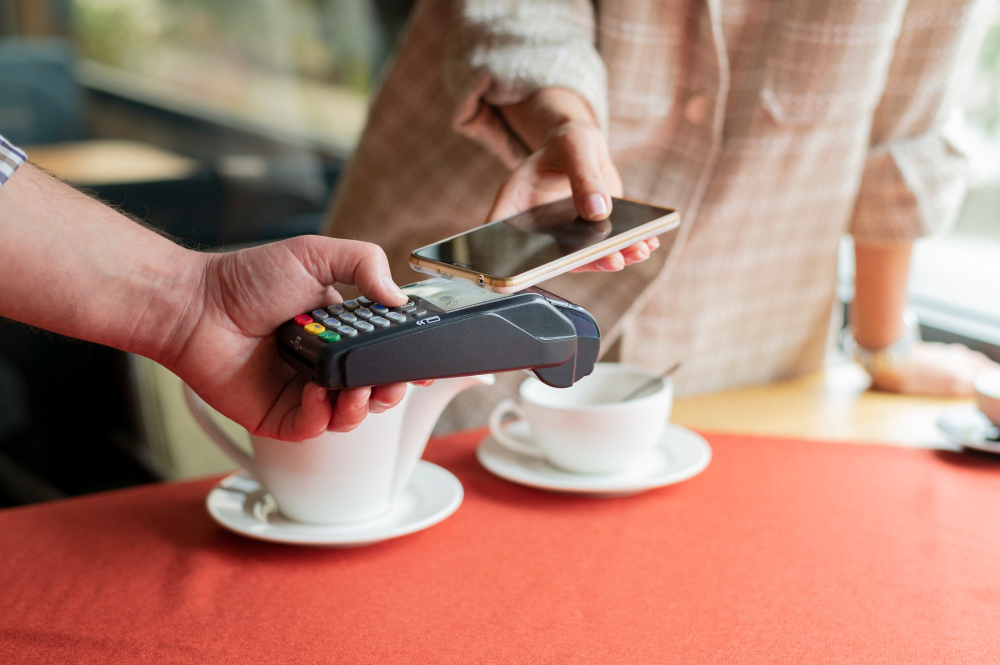
Before exploring Square Loyalty in detail, it helps to understand why a loyalty program even makes sense inside a payment platform in the first place. Square began as a credit card processing and point-of-sale company, giving businesses a simple way to accept in-person and online payments. Because Square already handles every transaction a customer makes, it has direct visibility into who’s buying, how often, and how much they’re spending, without needing a separate system to import that data.
Why Does Payment Processing Naturally Lead Into Loyalty Features?
A loyalty program depends entirely on accurate transaction data. Every time a customer earns points or unlocks a reward, that calculation traces back to a completed sale. Since Square already processes the payment itself, tying loyalty tracking to that same transaction removes the need for a separate point-of-sale integration or manual data entry. Consequently, Square Loyalty enrolls customers, tracks their spending, and applies rewards using the exact same checkout flow a business already relies on for processing cards.
What Does This Mean for Businesses Already Using Square?
For a business that already processes payments through Square, adding Square Loyalty means the loyalty program shares the same dashboard, the same customer records, and the same checkout screen as everyday sales. There’s no need to sync data between two different platforms or train staff on a second piece of software. This tight integration is one of the main reasons businesses already committed to Square’s payment processing consider its loyalty program a natural next step, rather than a separate purchase entirely.
What Types of Loyalty Programs Exist, and Where Does Square Loyalty Fit?
Loyalty programs come in a few common structures, and understanding these options helps clarify exactly what kind of program Square Loyalty represents.
What Are the Main Loyalty Program Models?
| Model | How It Works | Best Suited For |
|---|---|---|
| Points-based | Customers earn points per dollar or per visit, redeemable for rewards | High-frequency businesses like cafés and quick-service restaurants |
| Tiered | Customers unlock better perks as their spending crosses set thresholds | Businesses wanting to reward and retain top spenders specifically |
| Punch card style | Customers earn a reward after a set number of visits or purchases | Simple, low-tech setups with straightforward reward logic |
| Cashback or discount-based | Customers receive a percentage of their spend back as credit | Retail businesses wanting a straightforward, easy-to-explain incentive |
Where Does Square Loyalty Fit Into This Landscape?
Square Loyalty primarily follows the points-based model, layered with optional VIP tiers for businesses that want to reward top spenders differently from occasional customers. This combination gives businesses flexibility to start simple, with a basic points-per-dollar structure, and later add tiered perks as the program matures. Because this structure lives inside Square’s own point-of-sale system rather than a separate platform, businesses don’t need to choose between program models across multiple disconnected tools.
What Is a Customer Loyalty Program, and Why Do Businesses Use One?

A customer loyalty program is a structured system that rewards customers for repeat purchases, typically through points, discounts, or tiered perks. The underlying goal is simple: give customers a reason to choose a business again rather than a competitor down the street.
What Problems Do Loyalty Programs Solve for Businesses?
- Low repeat visit rates — customers try a business once and never return, since there’s no incentive to come back.
- Difficulty competing on price alone — smaller businesses can’t always match larger competitors on discounts, but they can reward loyalty instead.
- Lack of customer data — without tracking repeat customers, businesses can’t identify their most valuable buyers.
- Inconsistent marketing reach — businesses struggle to re-engage past customers without a system that flags who’s due for a follow-up.
How Does a Loyalty Program Address These Issues Directly?
By tracking every purchase tied to a specific customer, a loyalty program turns anonymous transactions into an ongoing relationship. Instead of guessing who a business’s best customers are, an owner can see exactly who visits most often, how much they typically spend, and which rewards motivate them to return. As a result, marketing efforts become more targeted, and the business builds a base of repeat customers who feel recognized rather than treated as one-time transactions.
Why Does Customer Retention Matter More Than New Customer Acquisition?
Acquiring a new customer typically costs significantly more than retaining an existing one, since it involves marketing spend, discounts, or advertising just to get someone through the door for the first time. A returning customer, by contrast, already trusts the business and requires far less persuasion to make another purchase. Consequently, even a modest improvement in repeat visit rates can have an outsized impact on overall revenue, which is exactly why loyalty programs remain one of the most cost-effective tools available to small businesses working with limited marketing budgets.
| Approach | Typical Cost Impact |
|---|---|
| Acquiring a new customer | Higher cost, often through ads, discounts, or promotions |
| Retaining an existing customer | Lower cost, driven by convenience and recognition |
| Loyalty program investment | Moderate ongoing cost, offset by increased repeat visits |
What Does Square Loyalty Actually Offer?
Square Loyalty is the loyalty program add-on built directly into Square’s point-of-sale ecosystem, designed to work without requiring any separate app or hardware.
What Are the Core Features of Square Loyalty?
| Feature | What It Does |
|---|---|
| Flexible earn rates | Rewards customers per dollar spent, per visit, or on specific items |
| Instant enrollment | Customers join using just a phone number at checkout, no app download required |
| VIP tiers | Bronze, Silver, and Gold-style tiers reward higher spenders with bigger perks |
| Digital wallet passes | Customers can save their loyalty card to Apple Wallet for quick access |
| Automatic notifications | Customers receive texts about their point balance and available rewards |
| Reporting and analytics | Businesses can track program performance and customer engagement over time |
How Does Enrollment Actually Work at the Register?
When a customer checks out, staff can enroll them in the loyalty program by simply entering their phone number into the Square point-of-sale system. There’s no separate signup form, no app to download, and no card to issue physically. Because this entire process happens inside the same checkout flow used for the sale itself, enrollment takes just a few seconds and rarely slows down a busy register.
How Do VIP Tiers Encourage Higher Spending?
Beyond a straightforward points system, Square Loyalty allows businesses to set up tiered levels, often labeled something like Bronze, Silver, and Gold, that unlock progressively better perks as a customer spends more over time. This structure taps into a well-documented motivator: customers who reach a mid-level tier often push toward the next one just to avoid losing status, which can meaningfully increase average spend among a business’s most engaged customers. Because tier status updates automatically based on tracked purchases, staff don’t need to manually calculate or apply these upgrades during checkout.
How Do Customers Earn and Redeem Rewards?
Businesses configure how points get earned, commonly one point per dollar spent, with a reward unlocking at a set point threshold, such as one hundred points. When a customer wants to redeem a reward, staff pull up their profile directly within Square’s checkout interface and apply the discount or free item to the current sale. Since this entire loop, from earning to redeeming, happens inside the same system already used for processing payments, staff don’t need to switch between separate tools mid-transaction.
How Much Does Square Loyalty Cost?
Pricing is one of the most important factors businesses weigh before adopting Square Loyalty, and it’s tied closely to Square’s broader subscription structure.
What Does Square Loyalty Typically Cost?
Square Loyalty is generally priced per location, per month, and is commonly bundled together with a paid Square subscription tier rather than sold as a fully standalone add-on. Because pricing and bundling details can shift over time, it’s worth confirming the current rate directly on Square’s pricing page before committing, since third-party reviews sometimes cite slightly different figures depending on when they were last updated.
How Does the Cost Scale Across Multiple Locations?
Because Square Loyalty is priced per location, a business running several storefronts pays the monthly fee multiple times over, once for each location enrolled in the program. For a single independent café or salon, this cost is often easy to justify against the value of repeat business. For a business with several locations, however, the cumulative monthly cost can add up meaningfully, which makes it worth calculating the total annual cost before rolling the program out across every site.
Is Square Loyalty Bundled With Other Square Products?
In many cases, Square Loyalty comes bundled with a paid Square plan rather than sold purely on its own, which means a business evaluating the cost needs to weigh the loyalty program alongside the rest of that plan’s features. Marketing campaigns, such as automated emails or texts encouraging customers to return, typically fall under a separate Square Marketing subscription, so a business wanting a fully integrated loyalty-and-marketing setup should budget for both pieces rather than assuming loyalty alone covers outreach as well.
What Are the Strengths of Square Loyalty Compared to Standalone Options?
Independent reviews consistently point to a few clear strengths that make Square Loyalty appealing, particularly for businesses already committed to the Square ecosystem.
What Do Reviewers Highlight as Advantages?
Reviewers frequently praise how smoothly Square Loyalty fits into the existing point-of-sale workflow, since there’s no additional hardware, app, or integration required to get started. The instant phone-number enrollment process removes friction that often causes customers to skip signing up for a loyalty program altogether. Additionally, features like Apple Wallet passes and automatic text notifications keep the loyalty program visible to customers between visits, without requiring a business to manage a separate communication channel.
Why Does Tight Integration Matter for Busy Businesses?
For high-volume businesses like coffee shops or quick-service restaurants, every extra second at the register matters. Because Square Loyalty’s enrollment and redemption both happen inside the same checkout screen used for payment, staff don’t need to juggle a second system during a rush. This frictionless design is frequently cited as Square Loyalty’s strongest practical advantage, especially for businesses with short customer interaction windows where a clunky sign-up process would otherwise discourage participation entirely.
What Are the Limitations of Square Loyalty?
No loyalty platform is without trade-offs, and Square Loyalty has a few notable gaps that businesses should weigh carefully before committing.
What Do Reviewers Say Square Loyalty Is Missing?
- No referral tracking — Square Loyalty has no built-in way to track or reward customers who refer friends, despite referrals being one of the highest-value acquisition channels for small businesses.
- No social sharing rewards — customers can’t earn points for posting reviews or sharing their experience on social media, a gap that matters given how much small business marketing now relies on user-generated content.
- No engagement or participation features — the program tracks transactions only, with no mechanism to reward customers for attending events or participating in promotions beyond straightforward purchases.
- Locked into the Square ecosystem — Square Loyalty only works with Square’s point-of-sale system, so businesses using a different POS can’t adopt it without switching platforms entirely.
Why Do These Gaps Matter for Certain Businesses?
Businesses that rely heavily on word-of-mouth referrals or social media engagement may find Square Loyalty’s transaction-only focus limiting, since it captures purchase behavior but ignores the broader marketing value a customer might bring through referrals or reviews. Similarly, a business that later wants to switch point-of-sale providers may find migrating away from Square Loyalty more difficult than adopting a POS-agnostic loyalty platform from the outset. Weighing these gaps against the convenience of tight POS integration is an important part of deciding whether Square Loyalty fits a specific business’s goals.
Which Businesses Get the Most Value From Square Loyalty?

Square Loyalty tends to perform best for certain business types and circumstances, and understanding this fit helps set realistic expectations before signing up.
Which Business Types Benefit Most?
| Business Type | Why Square Loyalty Fits Well |
|---|---|
| Single-location cafés and quick-service restaurants | High transaction volume makes the monthly fee easy to justify |
| Salons and personal care businesses | Repeat visit cycles align naturally with points-based rewards |
| Retail stores already on Square POS | No need for a separate integration or additional hardware |
| Businesses with loyal, high-frequency customers | VIP tiers reward and retain top spenders effectively |
Which Businesses Might Want to Consider Alternatives First?
Businesses that haven’t yet committed to Square as their point-of-sale system may want to evaluate a POS-agnostic loyalty platform before adopting Square Loyalty, since switching away from it later can be more difficult than the reverse. Similarly, multi-location businesses should calculate the full per-location monthly cost across every site, since the price scales quickly compared to a flat-rate standalone loyalty platform. Businesses that depend heavily on referral marketing or social proof may also want to pair Square Loyalty with a separate tool that fills those specific gaps.
How Should a Business Measure Whether Its Loyalty Program Is Working?
Beyond enrollment numbers, the most meaningful measure of a loyalty program’s success is whether it actually changes customer behavior over time. A useful review looks at repeat visit frequency before and after launching the program, the average spend of enrolled members compared to non-members, and how often top-tier customers redeem their rewards. If enrollment numbers climb but repeat visits stay flat, that’s usually a sign the reward structure needs adjusting rather than a sign the program itself has failed.
Why Does Ongoing Monitoring Matter More Than a One-Time Setup?
Customer behavior shifts over time, whether due to seasonality, new competitors, or changing spending habits, and a loyalty program that worked well at launch may need adjustments six months or a year later. Reviewing performance data regularly, rather than assuming the initial configuration will keep working indefinitely, helps a business catch declining engagement early and respond with a refreshed reward structure before customers lose interest in participating altogether.
Conclusion
Square Loyalty gives businesses already using Square’s payment processing and point-of-sale system a straightforward way to reward repeat customers, without needing a separate app, integration, or piece of hardware. Its instant phone-number enrollment, flexible earn rates, and VIP tier structure make it especially well-suited to high-volume, single-location businesses that want a program customers can join and use in seconds at checkout. At the same time, its gaps around referral tracking, social sharing rewards, and per-location pricing mean it isn’t automatically the right fit for every business, particularly those running multiple locations or leaning heavily on word-of-mouth marketing.
Ultimately, the businesses that get the most value from Square Loyalty are the ones that design the program thoughtfully and revisit it as customer behavior evolves. Working with an experienced implementation partner such as Solution4Guru helps ensure a business chooses the right approach from the start, whether that means fine-tuning Square Loyalty’s reward structure or recognizing when a standalone alternative better serves the business’s broader marketing goals.
Frequently Asked Questions
No. Customers enroll simply by providing their phone number at checkout, with no app download required. They can optionally save a digital loyalty pass to Apple Wallet for quick access, but the enrollment and redemption process both happen directly through Square’s point-of-sale system.
No. Square Loyalty only functions within the Square ecosystem, so it requires using Square as the underlying point-of-sale and payment processing platform. Businesses using a different POS system would need to switch to Square or consider a POS-agnostic loyalty platform instead.
It depends on transaction volume and customer repeat-visit patterns. For a single-location business with steady foot traffic, the monthly fee is often easy to justify against the value of increased repeat visits. For multi-location businesses or those prioritizing referral and social media-driven growth, it’s worth comparing the total cost and feature set against standalone loyalty alternatives before committing.
How Can Businesses Get the Most Value From Square Loyalty?
Simply turning on Square Loyalty isn’t enough to guarantee results. Getting real value from the program depends on thoughtful setup and ongoing management.
Why Does Program Design Matter So Much?
The earn rate, reward thresholds, and VIP tier structure all directly affect how motivated customers feel to keep coming back. A reward that takes too long to unlock discourages participation, while one that’s too generous eats into margins without meaningfully increasing loyalty. Getting this balance right typically requires testing and adjusting based on actual customer behavior, rather than guessing at the ideal structure from the start.
What Does Solution For Guru Offer Businesses Implementing Square Loyalty?
This is where Solution For Guru becomes a valuable partner. As a company focused on helping businesses implement and optimize the software tools they rely on daily, Solution For Guru supports businesses adopting Square Loyalty with:
- Evaluating whether Square Loyalty or a standalone alternative better fits a business’s goals and budget.
- Designing an earn-and-reward structure that balances customer motivation against profit margins.
- Setting up VIP tiers and reward thresholds tailored to actual customer spending patterns.
- Training staff on enrollment and redemption so the program runs smoothly at every checkout.
- Reviewing program performance over time and adjusting the structure as customer behavior changes.
Why Choose a Partner Instead of a Fully Self-Managed Rollout?
A single-location business with a straightforward reward structure might manage Square Loyalty without much outside help. However, as a business adds locations, tiers, or wants to integrate loyalty with broader marketing efforts, the number of moving pieces grows quickly. Partnering with a team like Solution For Guru shortens the time it takes to see real results, while also avoiding common missteps like reward thresholds that are too generous or too restrictive to actually drive repeat business. In short, Square provides the loyalty infrastructure, and the right guidance ensures that infrastructure actually changes customer behavior.
Recommended:
- How Secure Is Square for Payment Processing?
- Square for Restaurants and Cafes
- How Businesses Use Square to Accept Payments Online and In-Store
- What Is Square Credit Card Processing and How Does It Work?
- Xero for Small Business: Is It the Right Accounting Software for You?
- What is Xero — Overview of the Cloud Accounting Platform’s Features
- How Does FreshBooks Integrate with CRM, Payroll, and Project Management Tools?
- Financial Reporting Architecture in Zoho Books
- Zoho Books Architecture: Cloud Accounting Explained — How Does It All Work?
- FreshBooks for IT Consulting Firms: Managing Projects, Invoices, and Client Billing
- FreshBooks Review: Features, Pricing, Pros, and Cons
- Real-Time Financial Dashboards with Zoho Books
- How Can You Connect Zoho Books with Payment Gateways to Streamline Your Business Finances?