How Do International Payments Work with Square?

Selling to customers across borders sounds easy until the first foreign card shows up at checkout. Merchants quickly ask practical questions: Can I accept this card? Which currency will I receive? What will it cost? Can I take my reader abroad? Clear answers prevent expensive surprises.
This article explains how international payments work with Square Credit Card Processing. You will learn which countries Square supports, how it handles foreign cards and currencies, where its limits lie, and how to build a smooth cross-border payment process for your business.
Table of contents
What Is the Quick Summary?
Here is the short version for busy business owners and finance leaders:
- Supported countries: Square card processing works in the US, Canada, Australia, Japan, the United Kingdom, Ireland, France, and Spain.
- Foreign cards: A seller in a supported country can accept cards from buyers located anywhere in the world, including most internationally issued cards.
- Currency: Square processes payments in the seller’s local currency, so it does not offer multi-currency pricing at its point of sale.
- Fees: Square can charge an international transaction fee on cards issued outside the seller’s home country, so check your local pricing.
- Limits: Cross-border in-person payments are unsupported, and hardware works only in the country it was sold for.
- The next step: Map your customers and currencies first. A partner such as Solution for Guru can help you configure the process.
What Is Square and How Does It Relate to This Topic?

Square – Credit Card Processing is a payment platform that lets businesses accept card payments in person, online, and by invoice. Sellers use Square readers, the Square app, online checkout tools, and invoicing to take payments, and they manage sales through a central dashboard. Small and midsize businesses form the core of its customer base.
International payments matter to Square sellers for two reasons. First, many merchants serve tourists and foreign customers at their physical locations. Second, online sellers ship products and sell services to buyers in other countries. Square supports both situations, but only within clear rules that sellers must understand.
Why Do Merchants Care About International Payments?
- Tourist spending: Shops, cafes, and attractions serve visitors who carry foreign cards.
- Online expansion: Webshops reach customers beyond their home market.
- Service exports: Freelancers and agencies invoice clients in other countries.
- Event sales: Pop-up sellers collect payments from international attendees.
What Does Square Do Well and Where Does It Stop?
Square handles foreign cards smoothly when the seller is in a supported country and the sale happens there. It does not act as a full cross-border payment or foreign exchange platform. Sellers who need multi-currency pricing or settlement in several currencies should evaluate additional tools alongside Square.
Where Can Businesses Accept Card Payments with Square?

Square’s help center states that card payment acceptance is available in the United States, Canada, Australia, Japan, the United Kingdom, Ireland, France, and Spain. The company does not support card processing outside those countries, and it also excludes certain UK territories such as Jersey, Guernsey, and Gibraltar. The Square app itself is available in many more countries, but there it records only cash and third-party card payments.
How Do the Supported Countries Compare?
| Country or Region | Card Processing Available? | Practical Note |
| United States | Yes | Largest market; hardware sold for the US works only there |
| Canada | Yes | Accepts Canadian cards and most international cards |
| United Kingdom | Yes | Selected UK territories excluded |
| Ireland, France, Spain | Yes | EEA rules shape the international fee |
| Australia and Japan | Yes | Local hardware and local currency apply |
| All other countries | No card processing | App records cash and third-party payments only |
Why Must Sellers Operate in the Account Country?
Square requires sellers to sit in the country where they activated their account. A merchant who registers in Ireland, for example, cannot start taking card payments from a market stall in Germany. Consequently, businesses with locations in several countries need a separate account and separate hardware for each supported country.
Can Square Accept Cards from International Customers?
Yes. According to Square’s developer documentation, a seller based in a Square-supported country can accept payments with accepted cards from buyers located anywhere in the world. The help center adds that Square works with most internationally issued credit cards that carry a Visa, Mastercard, American Express, Discover, JCB, or UnionPay International logo.
Which Card Types and Entry Methods Work?
- Credit and debit cards: Square accepts most major international brands.
- Prepaid cards: Square processes prepaid cards from the same networks at standard rates.
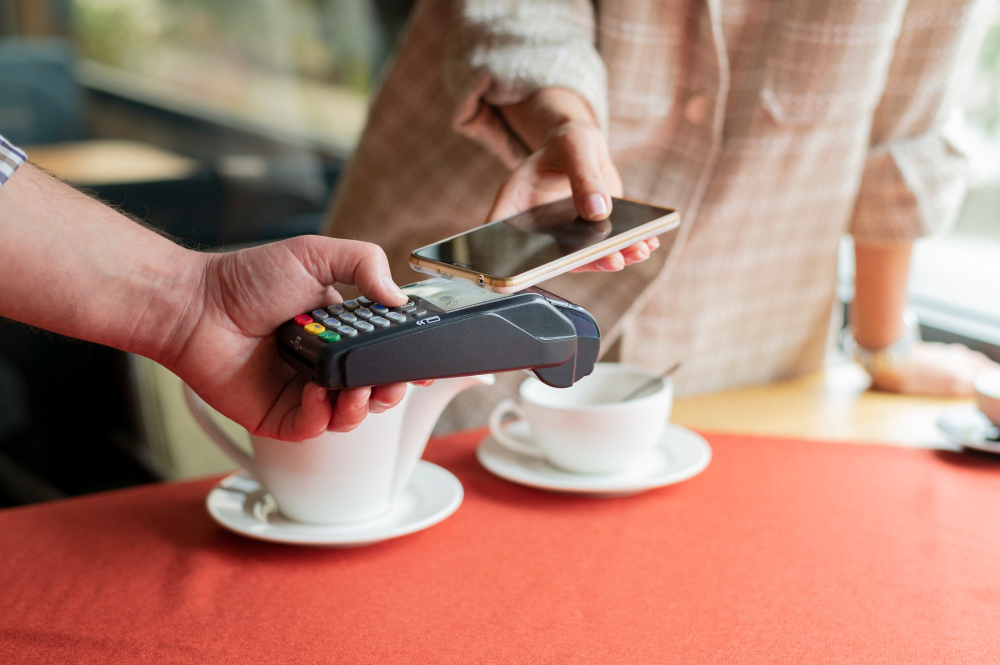
- Chip, contactless, and swipe: Customers can insert, tap, or swipe an international card in person.
- Manual entry: Sellers can key in card details when the customer is not present.
- Invoices and online checkout: Sellers can collect payments from international customers remotely.
What Does This Mean for Tourist-Heavy Businesses?
Retailers, restaurants, and attractions can serve visitors with foreign cards without special setup. Staff handle these sales exactly like domestic ones. However, owners should expect a different fee on some foreign cards, and they should train staff to explain that the customer pays in the local currency.
Which Currencies Does Square Support for International Payments?

Square processes each payment in the seller’s currency, which is set by the seller’s account location. The Help Center states plainly that charging customers in different currencies with Square Point of Sale is not available. The country of the account also dictates the currency symbol and formatting in the point-of-sale app.
What Happens When a Foreign Customer Pays?
- The customer presents a foreign card. The terminal reads it like any other card.
- Square charges in the seller’s currency. The price on the receipt matches the local price list.
- The card issuer converts the amount. The customer’s bank applies its own exchange rate.
- The issuer may add a fee. Cardholders may pay a currency conversion charge.
- The seller receives local currency. Settlement arrives in the account currency.
Why Does the Issuer Conversion Matter?
Square notes that cardholders may pay a currency conversion charge from their own bank because the payment must be processed in the seller’s official currency. Sellers do not control that fee, but they can mention it to customers who ask. Clear communication prevents confusion and chargeback disputes.
How Much Do International Payments Cost with Square?
Fees depend on the country, the payment method, and where the card was issued. Square’s developer documentation says the company charges an International Transaction Fee for payments made with cards issued outside the seller’s home country. In the European Economic Area, covering Ireland, Spain, and France, that fee applies only to cards issued outside the EEA. Square also charges the fee in the same currency as the payment, so no foreign exchange conversion happens as part of the fee.
Square’s help center for some regions notes that sellers who sit in the account country can process international cards for the same flat fee. Because Square publishes different pricing by market and payment type, sellers should read the pricing page for their own country before they set prices.
How Can Sellers Estimate the Real Cost?
| Cost Element | Who Pays | What to Check |
| Standard processing fee | Seller | Rate for in-person, online, or invoice payments |
| International transaction fee | Seller | Whether the card issuer sits outside your region |
| Issuer currency conversion | Cardholder | Customer bank terms |
| Payout or transfer costs | Seller | Payout speed and any instant transfer fee |
| Chargebacks and disputes | Seller | Dispute fees and evidence rules |
Should Sellers Raise Prices to Cover Foreign Card Fees?
Most sellers absorb the difference as a cost of doing business. High-volume exporters can model the share of foreign-card revenue and adjust margins accordingly. Surcharging rules differ by country and card network, so check local law and network rules before you add any extra charge.
Can You Use Square Hardware Abroad?
Square‘s hardware undergoes testing and certification for country-specific regulations, such as FCC rules in the United States and RoHS rules in the European Union. As a result, Square approves each device only for the country where it is sold. A reader bought for the United Kingdom does not work in the United States, Canada, Australia, Japan, Ireland, or France.
What About Travelling Sellers?
Square states that cross-border card payments are unsupported. A card transaction attempted outside the country where you activated your account cannot be processed with the Square Reader. Therefore, a seller who travels to a trade fair in another country cannot simply bring the reader and start charging cards there.
What Are the Practical Workarounds?
- Open a local account: Register in the country where you will sell, if you have a presence there.
- Send invoices: Bill customers remotely through Square Invoices from your home account.
- Use online checkout: Share payment links or sell through your online store.
- Take pre-orders: Collect payment before the event and hand over goods on site.
How Can Businesses Sell Online to International Customers with Square?
Online sales often matter more than in-person ones for cross-border growth. Square can process payments from international customers through Square Invoices and its e-commerce solutions, according to its help center. The seller still sells in the account currency, but customers anywhere can pay with accepted cards.
Which Square Tools Support Remote Sales?
- Online store and checkout: Customers pay through a hosted or embedded checkout.
- Payment links: Sellers send a link by email or message.
- Square Invoices: Sellers bill clients and track payment status.
- Virtual terminal and manual entry: Staff key in card details for phone orders.
What Should Online Sellers Check Before Shipping Abroad?
Payment is only one part of an international sale. Sellers also need to review shipping costs, customs duties, tax rules, and return policies. In the European Union, sellers must follow value-added tax rules for cross-border online sales. Consult a tax advisor before you open a new market, because rules change and penalties for mistakes can be high.
How Do Security and Compliance Affect Cross-Border Card Payments?

International payments raise the stakes for security. The Payment Card Industry Data Security Standard (PCI DSS), maintained by the PCI Security Standards Council, sets requirements for protecting cardholder data. Square handles much of that burden through its hardware and software, but sellers still must protect their own devices, accounts, and staff access.
Which Rules Apply in Europe?
The EU’s revised Payment Services Directive (PSD2) requires strong customer authentication for many electronic payments. That rule affects online sales to European cardholders because their banks may ask for extra verification. Moreover, the EU’s cross-border payments regulation aims to make euro payments across member states cost the same as domestic ones, although it does not remove card network fees. Sellers should confirm current requirements with their payment provider and legal advisor.
How Can Sellers Reduce Fraud Risk?
- Limit manual entry: Prefer chip and contactless payments when the customer is present.
- Review unusual orders: Check large orders from new countries before shipping.
- Keep evidence: Save receipts, delivery proof, and customer messages.
- Protect accounts: Use strong passwords and role-based permissions.
- Train staff: Teach employees how to spot suspicious behavior.
How Does Square Compare with Other Options for International Payments?
Square suits sellers who operate in one supported country and want simple acceptance of foreign cards. Businesses with deeper cross-border needs often compare Square with providers that offer multi-currency pricing and settlement. The table summarizes the main differences at a high level.
| Need | Square | Multi-Currency Provider |
| Accept foreign cards in one country | Yes, with local hardware | Yes |
| Show prices in the customer’s currency | No, at the point of sale | Often yes |
| Settle in several currencies | No; settles in account currency | Often yes |
| Use the same reader in many countries | No; hardware is country-specific | Varies by provider |
| Simple setup for small sellers | Strong | Varies |
| Invoice international clients | Yes | Yes |
Which Businesses Fit Square Best?
Single-country retailers, restaurants, service providers, and small online shops fit Square well. Businesses that sell mainly to foreign buyers, price in several currencies, or operate in unsupported countries should test alternatives or combine Square with another provider.
How Do Refunds, Disputes, and Chargebacks Work for Foreign Cards?
Refunds and disputes deserve extra attention in cross-border sales. A customer who bought a souvenir while on holiday may dispute the charge weeks later from another country. Time zones, language gaps, and unfamiliar bank rules make these cases harder to resolve than domestic ones.
How Should Sellers Handle Refunds?
Sellers should refund to the original card whenever possible. The refund is returned in the seller’s currency, and the customer’s bank converts it again using its own rate on the refund date. Because exchange rates move, the customer may receive a slightly different amount than the original charge in their own currency. A short note on the receipt or in your refund policy prevents complaints.
How Can Sellers Prepare for Disputes?
- Keep clear receipts: Include the business name, date, amount, and description.
- Document delivery: Save tracking numbers and signed proof for shipped goods.
- Publish policies: State refund, cancellation, and delivery terms before checkout.
- Respond quickly: Submit evidence within the deadline the platform sets.
- Track patterns: Review disputes by country to spot fraud or service problems.
Why Do Clear Descriptions Reduce Chargebacks?
Many disputes start because customers do not recognize a charge on their statement. A recognizable business name and a clear item description reduce that confusion. Consequently, sellers who invest a few minutes in naming and receipts often see fewer disputes.
How Should Businesses Manage Accounting for Foreign Card Sales?
Square settles in the seller’s account currency, which simplifies bookkeeping compared with multi-currency settlement. Nevertheless, finance teams still need a clean process because foreign-card fees, refunds, and disputes add lines to the monthly reconciliation. A consistent method saves hours at month-end.
Which Accounting Steps Matter Most?
- Match payouts to sales. Compare each payout with the sales and fees it covers.
- Record fees separately. Book processing and international fees in their own accounts.
- Track refunds and disputes. Post each one against the original sale.
- Review sales by market. Tag revenue by customer country for tax and strategy.
- Reconcile monthly. Close the books with matched reports and exports.
Why Should Sellers Watch Tax Rules?
Tax treatment depends on where the seller sits, where the customer sits, and what the seller sells. Rules for digital services and distance sales differ between regions, and authorities update them regularly. Therefore, sellers who ship abroad or sell digital products should ask a qualified tax advisor to review their setup.
Which Types of Businesses Benefit Most from Square’s International Card Acceptance?

Different businesses face different cross-border needs. The table below shows how common business types use Square‘s strengths and where they need extra planning.
| Business Type | How Square Helps | Extra Planning Needed |
| Tourist shops and cafes | Accepts foreign cards at the counter | Explain local-currency pricing to visitors |
| Boutique online stores | Takes cards from international buyers | Shipping, duties, and tax rules |
| Freelancers and consultants | Sends invoices to foreign clients | Currency expectations and payment terms |
| Market and event sellers | Sells with a mobile reader in the home country | Local account for events abroad |
| Hospitality and attractions | Handles high volumes of visitor cards | Staff training and dispute readiness |
How Do Freelancers and Agencies Use Invoices?
Service providers rarely meet clients in person, so invoices carry most of their cross-border revenue. Square Invoices lets them send a professional bill and lets clients pay by card. The invoice appears in the seller’s currency, which gives clients a clear amount to approve. Clients then rely on their own banks for any conversion.
How Do Event Sellers Cope with the Hardware Rule?
Sellers who trade at festivals and fairs should plan. They can pre-sell tickets or products online, collect deposits through invoices, or open a local account when the event runs in another supported country. These steps keep the sale compliant and the customer experience smooth.
How Can Businesses Communicate Clearly with International Customers?
Clear communication builds trust and prevents disputes. Customers abroad often worry about hidden fees and unfamiliar payment screens. A few simple practices answer those worries before they arise.
- Show prices clearly: State the currency on every price tag and web page.
- Explain conversion: Tell customers that their bank may convert the amount.
- Offer receipts by email: Send a digital receipt that customers can keep.
- Publish policies: Make refund and delivery terms easy to find.
- Provide support: List an email address and expected response times.
These habits cost little and protect your reputation. Moreover, they help support teams answer questions faster because customers already understand the basics.
How Should a Business Set Up International Payments Step by Step?
A clear plan avoids surprises. Follow these steps to prepare your payment process for foreign customers.
What Is a Practical Roadmap?
- Map your customers. List the countries and currencies that matter most.
- Check availability. Confirm that your country supports Square card processing.
- Review pricing. Read the fee schedule for your country, including international fees.
- Order the right hardware. Buy readers approved for your country.
- Set up remote tools. Configure invoices, payment links, and online checkout.
- Train staff. Explain how foreign cards, currency, and receipts work.
- Test with real transactions. Run small payments with international cards.
- Review monthly. Track foreign-card volume, fees, and disputes.
Which Metrics Should Sellers Track?
| Metric | What It Shows | Why It Matters |
| Foreign-card share of sales | Percentage of revenue from foreign cards | Shows exposure to international fees |
| Effective fee rate | Total fees divided by sales | Reveals real cost of acceptance |
| Decline rate | Share of failed card payments | Flags friction for foreign cards |
| Chargeback rate | Disputes as a share of sales | Indicates fraud and service issues |
| Average order value by country | Spend per market | Guides marketing and pricing |
How Can Sellers Keep Improving After Launch?
Review your payment reports each month. Compare foreign-card share, effective fee rate, and dispute volume with your earlier numbers, and choose one improvement for the next month. Small, steady changes keep costs under control and customers satisfied.
What Are the Key Conclusions?
International payments with Square work best when sellers understand the rules. A merchant in a supported country can accept most foreign cards, serve tourists, and collect payments from customers worldwide through invoices and online checkout. At the same time, Square processes payments in the seller’s currency, restricts hardware to its home country, and does not support cross-border in-person payments.
Square – Credit Card Processing therefore offers a simple, reliable way to accept foreign cards for single-country businesses, while sellers with multi-currency or multi-country needs should plan for additional tools. Always check current fees, country availability, and local tax and compliance rules before you expand.
To succeed, businesses should map their customers, confirm pricing, train their teams, and review results monthly. Pairing the platform with an experienced partner such as Solution for Guru strengthens each of those steps. Start small, measure results, and grow with confidence.
What Are the Frequently Asked Questions?
Yes. A seller in a Square-supported country can accept most internationally issued cards from buyers anywhere in the world. Square processes the payment in the seller’s currency, and the customer’s bank may add a currency conversion charge.
No. Square approves hardware only for the country it sells in, and it does not support cross-border card payments. A seller who wants to accept cards in another supported country needs a local account and local hardware. Remote options such as invoices and online checkout still work from the home account.
Square can charge an international transaction fee on cards issued outside the seller’s home country, and in the EEA it applies only to cards issued outside the EEA. Pricing differs by country and payment type, so read the current fee schedule for your market before you decide.
Why Should You Partner with Solution for Guru?
Software alone does not solve payment challenges. Process design, configuration, integration, and change management determine the outcome. Solution for Guru is a consultancy that specializes in CRM and software implementation, and it helps organizations turn tools into working processes.

What Benefits Does Cooperation with Solution for Guru Offer?
- Implementation expertise: Consultants configure payment flows, invoicing, and reporting around your real operations.
- Faster time to value: Experienced guidance helps teams avoid common setup mistakes.
- Process alignment: Specialists help you define pricing, refund, and dispute rules before you automate them.
- Integration support: The team connects payment data with CRM, accounting, and inventory systems.
- Training and adoption: Practical enablement helps staff handle foreign customers with confidence.
- Ongoing improvement: Continued support helps you refine the setup as your business grows.
How Do You Get Started?
Visit solution4guru.com to discuss your payment needs. A short discovery conversation will clarify your current pain points, your target process, and the steps needed to reach it.
Recommended:
- Square and Xero Integration
- Contactless Payments and NFC Processing in Square
- Understanding Square Credit Card Processing Fees
- Customer Loyalty Programs in Square
- How Secure Is Square for Payment Processing?
- Square for Restaurants and Cafes
- How Businesses Use Square to Accept Payments Online and In-Store
- What Is Square Credit Card Processing and How Does It Work?
- Xero for Small Business: Is It the Right Accounting Software for You?
- What is Xero — Overview of the Cloud Accounting Platform’s Features
- How Does FreshBooks Integrate with CRM, Payroll, and Project Management Tools?
- Financial Reporting Architecture in Zoho Books
- Zoho Books Architecture: Cloud Accounting Explained — How Does It All Work?
- FreshBooks for IT Consulting Firms: Managing Projects, Invoices, and Client Billing
- FreshBooks Review: Features, Pricing, Pros, and Cons
- Real-Time Financial Dashboards with Zoho Books
- How Can You Connect Zoho Books with Payment Gateways to Streamline Your Business Finances?