Delivery Drivers and Courier Services: Progressive Commercial Auto Insurance Breakdown

Every extra mile a delivery driver puts on the odometer adds a little more risk to the business behind the wheel. Frequent stops, tight schedules, and constant exposure to traffic make delivery and courier work one of the riskier ways to use a vehicle, yet many operators still rely on a personal auto policy that its makers never intended for business use. That gap can turn a routine fender bender into a denied claim and a costly lawsuit. In this guide, we will break down how Progressive commercial auto insurance applies specifically to delivery drivers and courier services, so you can match the right coverage to the way your business actually operates.
Whether you run a single delivery van or dispatch a growing fleet of couriers, the underlying question is the same: what happens financially if something goes wrong on the road? By the end of this article, you should have a clear, practical understanding of how Progressive structures coverage for this industry and what to consider before you buy a policy.
This matters more today than ever, since e-commerce, food delivery apps, and same-day courier services have transformed how goods reach customers. Behind every successful delivery is a driver, and behind every driver should be an insurance strategy that actually matches the work being done, not a generic policy insurers built for casual, personal driving.
Table of contents
Quick Summary
Personal auto insurance typically excludes paid delivery work, which means insurers can deny a claim during a delivery run outright. Progressive offers dedicated commercial auto insurance for delivery and courier businesses, alongside a rideshare endorsement for drivers who deliver part-time. Coverage options include liability, cargo protection, general liability, and workers’ compensation, depending on business size and structure. Many consider Progressive a strong overall choice for delivery driver insurance, with support across the majority of states. Learn more directly from the source: Progressive – Auto Insurance US.
Before breaking down specific coverage options, it helps to introduce the company at the center of this article. Progressive – Auto Insurance US is one of the largest auto insurers in the United States and describes itself as America’s number one commercial auto insurer, which makes it a natural starting point for delivery and courier businesses evaluating coverage. Because Progressive offers both a rideshare-style endorsement for part-time delivery drivers and full commercial auto policies for dedicated courier operations, it is able to serve businesses at very different stages of growth. The remainder of this article looks closely at how those options work, what they cover, and how to decide which path fits your delivery business.
Why Do Delivery Drivers Need Commercial Auto Insurance?
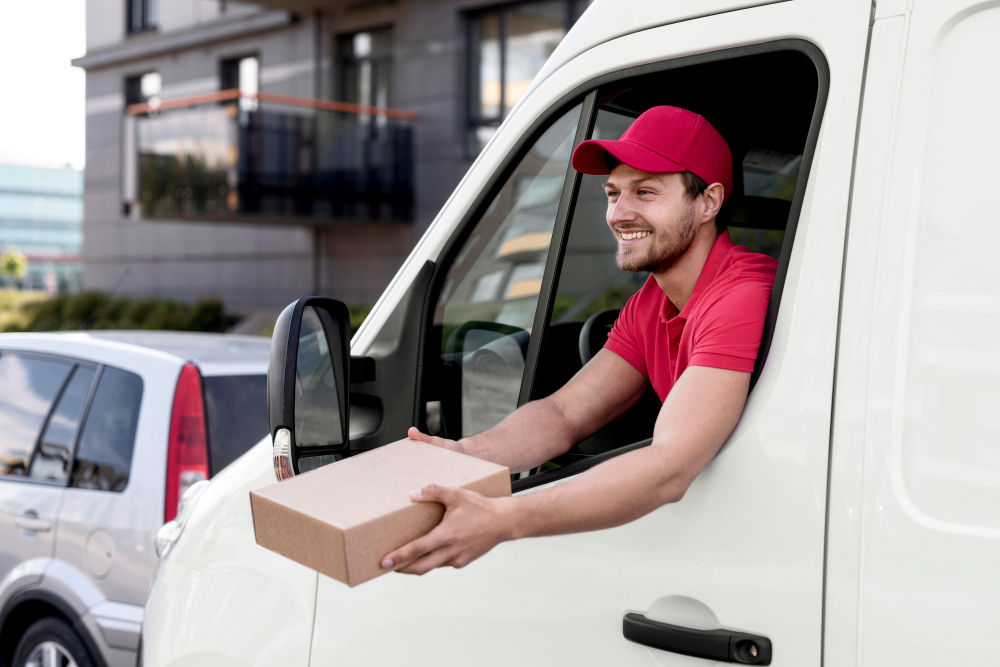
Personal auto insurance is built around ordinary, non-commercial driving, such as commuting or running errands. Once a vehicle starts generating income, whether through food delivery, package courier work, or same-day freight, most personal policies exclude that activity entirely. Consequently, drivers who assume their personal policy will cover a delivery-related accident often discover their mistake at the worst possible time—immediately after a serious collision.
Delivery work also carries measurably higher risk than typical personal driving. Frequent stops, unfamiliar routes, tight delivery windows, and long hours behind the wheel all increase the likelihood of an accident. Because of this elevated risk, insurers price and structure delivery and courier coverage differently than standard personal auto policies, which is why a dedicated commercial or business-use policy matters so much for this line of work.
What Happens if a Claim Is Filed Without the Right Coverage?
If an insurer discovers that you used a vehicle for paid delivery work at the time of an accident, but your policy does not cover that type of use, the insurer may deny your claim. Beyond the immediate cost of vehicle repairs or medical bills, a denied claim can also expose a business owner to a personal lawsuit from anyone injured in the accident. In many cases, insurers may also cancel or raise rates on the underlying personal policy once undisclosed business use comes to light, compounding the financial damage.
How Does Progressive Structure Coverage for Delivery and Courier Businesses?

Progressive approaches delivery and courier coverage from two directions, depending on how a driver uses their vehicle. Understanding the difference between these two paths is the first step toward choosing the right policy.
What Is the Progressive Rideshare Endorsement?
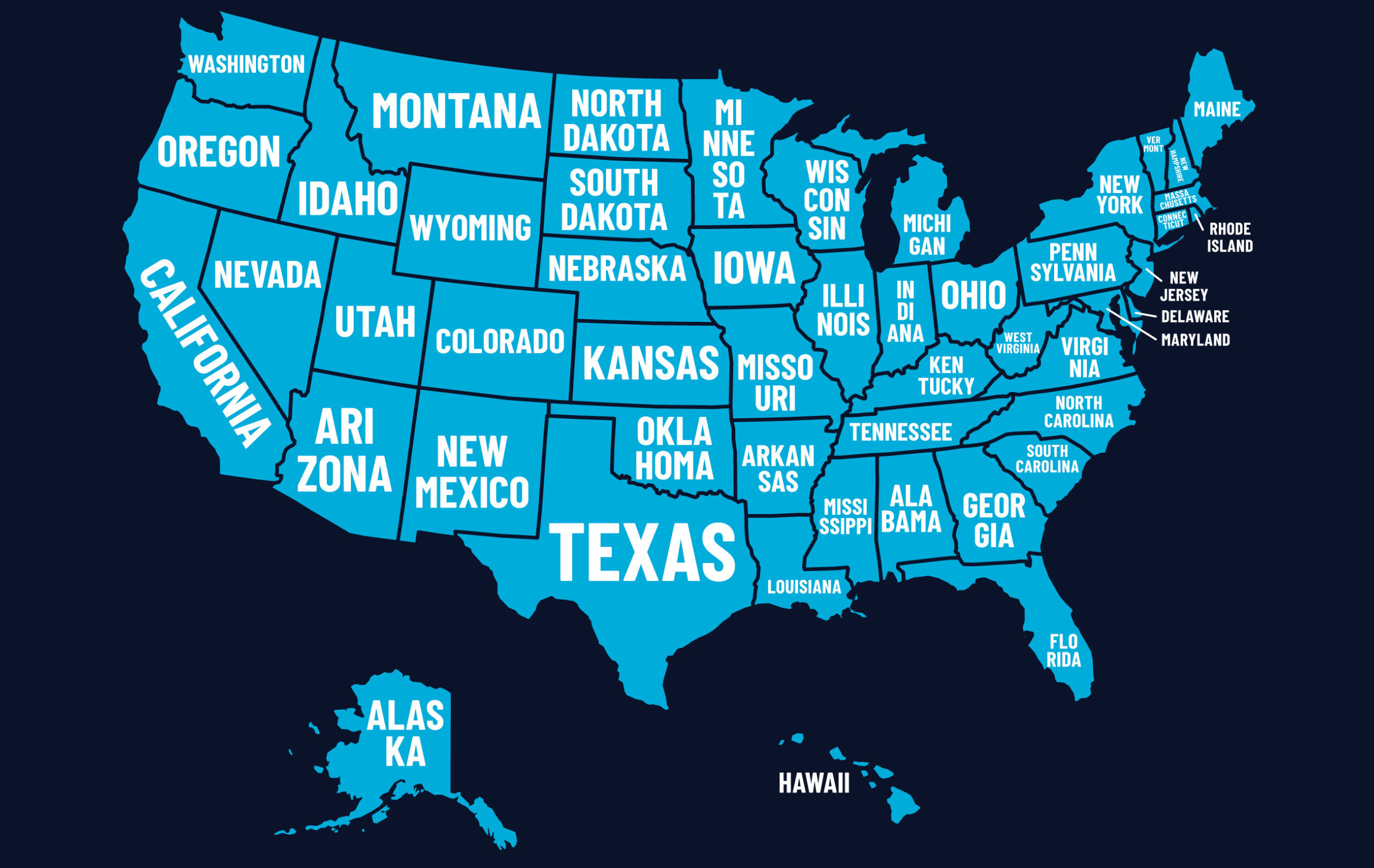
For drivers who deliver part-time, such as those working for food delivery apps alongside a personal vehicle used for everyday driving, Progressive offers a rideshare endorsement that can be added directly to a personal auto policy. This endorsement lets drivers keep their existing coverage limits and deductibles while extending protection to periods when a delivery app is active. Progressive provides primary coverage for the first accident that occurs during a delivery, with secondary coverage applying to any subsequent incidents, and the endorsement is currently available in a large majority of states.
What Does Progressive’s Commercial Auto Policy Cover?
Businesses that rely on vehicles full-time, such as dedicated courier companies or delivery services with company-owned vans, generally benefit more from a full commercial auto policy. Progressive designed its commercial auto insurance specifically for business vehicles, covering cars, vans, pickups, and larger trucks that support delivery operations. Because commercial vehicles face more exposure than personal ones, these policies typically include higher liability limits and coverage options tailored to business risk, such as coverage for permanently attached equipment like ladder racks or built-in toolboxes.
What Coverage Options Should Delivery and Courier Businesses Consider?
A single commercial auto policy is rarely the entire picture for a delivery or courier business. Depending on how the business is structured, several additional coverage types often work alongside the core auto policy to close common gaps.
What Does General Liability Insurance Cover for Couriers?
General liability insurance protects a delivery business against third-party damages and customer injuries that are not directly tied to a vehicle accident. For example, if a courier damages a customer’s property while making a delivery, general liability coverage could help pay for repairs and related legal fees. Because delivery work involves frequent, direct contact with customer property, businesses consider this coverage a foundational form of protection for the industry.
When Is Workers’ Compensation Required for Delivery Businesses?
Workers’ compensation helps employees who are injured or become ill because of their job, and it also protects employers from certain related lawsuits. Because delivery and courier work involves real physical risk, from repetitive lifting to traffic accidents, most states require workers’ compensation once a business has employees, and the U.S. Bureau of Labor Statistics has noted that delivery and truck driving occupations report some of the highest workplace injury rates of any profession.
What Is Motor Truck Cargo Insurance, and Do Couriers Need It?
Motor truck cargo insurance protects the goods a courier is actively transporting, which matters whenever a business is contractually responsible for the value of what it delivers. Without this coverage, a stolen shipment or damaged cargo could become an out-of-pocket loss with no way to recover the cost, so businesses that regularly handle valuable goods should weigh this coverage carefully alongside their commercial auto policy.
What Is Hired and Non-Owned Auto Coverage?
Hired and Non-Owned Auto coverage, often shortened to HNOA, provides liability protection for a business when employees use their own personal vehicles for company deliveries. This coverage matters because a standard commercial auto policy generally only applies to vehicles the business itself owns or leases, leaving a gap whenever staff drive personal cars on the clock.
Is Commercial Auto Insurance Legally Required for Delivery Work?
In many states, businesses that use vehicles for delivery and courier services must carry commercial auto insurance. It serves as both a smart precaution and a legal requirement. Operating without the proper coverage can result in fines, license suspension, or even a temporary ban from operating a business, depending on the state and the severity of the violation. Because requirements vary by location, it is worth checking with a state’s Department of Insurance or the National Association of Insurance Commissioners before assuming a personal policy or a basic endorsement will satisfy local rules.
Some states also require hire-and-reward insurance, a specific form of business auto coverage that protects vehicles used to transport goods in exchange for payment. Because this requirement sits on top of standard commercial auto minimums, delivery and courier businesses operating across multiple states should confirm they meet each state’s rules individually rather than assuming one policy automatically satisfies every jurisdiction they serve.
What Documentation Should Delivery Businesses Keep on Hand?
Beyond simply holding a policy, delivery and courier businesses should keep proof of coverage readily accessible for every vehicle and driver, since many client contracts and municipal permits require a certificate of insurance before work can begin. Keeping this documentation organized, and renewing it proactively before expiration, helps avoid last-minute delays that could interrupt deliveries or violate contract terms.
What Should Delivery Businesses Know About Filing a Claim?
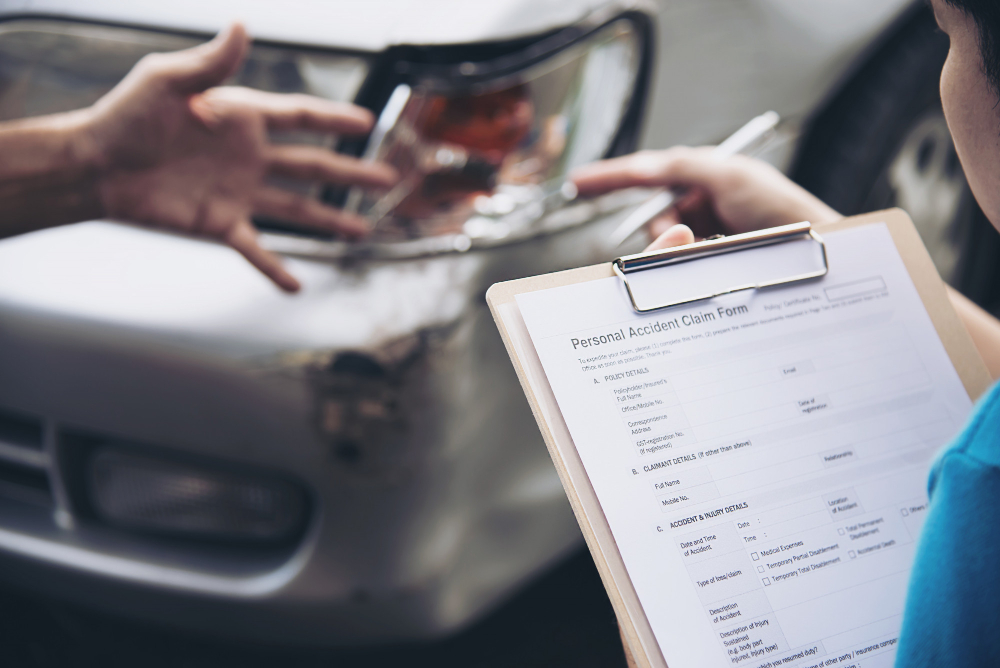
Even with strong coverage in place, knowing how the claims process works ahead of time makes a real difference if an accident actually happens. A calm, well-documented response tends to lead to a smoother, faster resolution.
What Steps Should a Driver Take Immediately After an Accident?
- Make sure everyone involved is safe, and call emergency services if anyone is injured.
- Document the scene with photos of all vehicles, visible damage, and the surrounding area.
- Exchange insurance and contact information with any other drivers involved.
- Note whether the vehicle was actively making a delivery at the time of the accident.
- Report the incident to Progressive as soon as possible, along with any relevant delivery app records.
Why Does It Matter Whether the Driver Was Actively Delivering?
Whether a driver was offline, logged into a delivery app, or actively transporting an order directly determines which policy applies and how the insurer processes the claim. Because coverage can shift between a driver’s personal policy, a delivery app’s own insurance, and a Progressive rideshare endorsement or commercial policy depending on that exact status, keeping accurate records of delivery activity at the time of an incident helps prevent disputes over which coverage should respond first.
What Are the Advantages and Limitations of Progressive’s Delivery Coverage?
Like any insurance provider, Progressive’s delivery and courier coverage comes with clear strengths as well as a few limitations worth understanding before committing to a policy.
What Are the Main Advantages?
- Broad state availability for the rideshare endorsement, covering the large majority of U.S. states.
- A clear path from part-time rideshare-style coverage to full commercial auto insurance as a business grows.
- Support for a wide range of vehicle types, from personal cars to vans and larger delivery trucks.
- Access to supplemental coverage such as general liability, cargo, and hired and non-owned auto protection.
- A long track record as one of the largest commercial auto insurers in the country.
What Are the Main Limitations?
- The rideshare endorsement is not available in every state, which may require some drivers to purchase a full commercial policy instead.
- Commercial auto insurance generally costs more than personal coverage, reflecting the higher risk of business use.
- Exact pricing and eligibility depend heavily on individual factors, so businesses cannot rely on a single published rate.
How Do Delivery App Companies’ Insurance Policies Compare to Progressive’s Coverage?
Many delivery platforms provide some level of insurance while drivers actively work through their apps, but the amount of coverage often varies and remains limited from one company to another. Understanding these gaps helps explain why a dedicated Progressive policy is still valuable even for drivers working through a delivery app.
| Delivery Platform | Coverage While On Active Delivery | Key Limitation |
| Uber Eats | Up to $1 million liability during active delivery | $2,500 deductible; reduced coverage before a delivery is accepted |
| DoorDash | Limited coverage for bodily injury or property damage | Applies only if the driver’s own insurance denies the claim |
| Amazon Flex | Auto liability plus uninsured motorist coverage | Only applies during active delivery; not available in New York |
| Grubhub | No coverage provided | Driver’s own policy must cover all delivery-related incidents |
| Instacart | No vehicle coverage; injury protection for shoppers only | Vehicle damage and liability rest entirely on the driver |
As the table illustrates, gaps between delivery phases and inconsistent coverage limits are common across the industry. Because of this, a Progressive rideshare endorsement or commercial auto policy generally functions as the primary safety net, filling in the periods and situations where an app’s own insurance falls short or does not apply at all.
It is also worth remembering that most delivery app insurance only activates after a driver accepts an order or begins traveling to the destination. As a result, the platform provides little or no coverage during the earlier stage, when the driver is simply logged in and waiting for a request. During that waiting period, a driver’s own policy, whether that is a Progressive rideshare endorsement or a commercial auto policy, is often the only reliable protection in place. Recognizing exactly when platform coverage begins and ends is therefore just as important as understanding what that coverage includes.
How Much Does Progressive Commercial Auto Insurance Cost for Delivery Businesses?

Pricing for delivery and courier insurance depends on a wide range of factors, so there is no single number that applies to every business. That said, understanding what drives the cost up or down can help business owners budget more accurately.
What Factors Influence the Cost of Coverage?
- Vehicle type, since insuring a fleet of vans costs more than insuring a single car.
- Driving radius and garaging location, which affect overall exposure to accidents and theft.
- Driver history, including experience level, violations, and prior accidents.
- Coverage limits required by client contracts, which may exceed state minimums.
- Claims history, since a business with a clean record typically qualifies for lower rates.
Is Progressive Competitively Priced for Delivery and Courier Coverage?
Independent industry comparisons frequently place Progressive among the more affordable options for courier business insurance, generally ranking close behind lower-cost niche providers while offering broader coverage and stronger commercial auto options for mixed fleets. For individual delivery drivers using a rideshare endorsement, Progressive’s average full-coverage premiums also tend to land competitively against other major insurers, although exact pricing always depends on the individual driver and vehicle.
It is worth noting that the cheapest available policy is not always the wisest choice. A plan that saves a modest amount each month but underdelivers on cargo limits or liability coverage can end up costing far more after a single serious claim than those monthly savings were ever worth. Comparing coverage details side by side, not just the premium, tends to produce a better long-term outcome for delivery and courier businesses.
How Do You Get Started With Progressive Commercial Auto Insurance?
You can set up a policy without much difficulty, especially if you prepare in advance to speed up the quoting process and improve its accuracy. The general steps typically look like this:
- Gather details on every vehicle used for deliveries, including make, model, and how each one is used.
- List all drivers who will operate the vehicles, along with their driving history.
- Decide whether a rideshare endorsement or a full commercial auto policy better fits your business structure.
- Request a quote from Progressive, either directly or through a licensed agent, and review coverage limits carefully.
- Add supplemental coverage, such as general liability, cargo, or workers’ compensation, based on your specific risks.
Because delivery and courier operations vary so much from one business to the next, it is worth reviewing coverage limits against any client contracts before finalizing a policy. Many commercial contracts require specific liability minimums, and confirming those requirements upfront avoids the need to adjust coverage later.
What Is the Bottom Line on Progressive Insurance for Delivery Drivers?
Delivery and courier work puts real, measurable extra risk on the road, and a personal auto policy alone is rarely enough to cover it. Progressive Commercial addresses this gap with two clear paths: a rideshare endorsement for part-time delivery drivers who want to extend their personal policy, and full commercial auto insurance for dedicated courier businesses that need broader, business-grade protection. Layering on coverage such as general liability, cargo insurance, or workers’ compensation further closes the gaps that a basic auto policy leaves open.
Ultimately, the delivery and courier businesses that protect themselves most effectively are the ones that treat insurance as part of their overall operations strategy rather than an afterthought. By matching Progressive’s coverage options to the realities of daily delivery work, and reviewing that coverage as the business grows, operators can focus on getting packages where they need to go instead of worrying about what happens if something goes wrong along the way.
If you set up your current policy before your delivery volume increased or before you added employees, contractors, or new vehicles, now is a good time to review whether it still reflects how your business operates today. A short conversation with Progressive or a licensed agent can confirm whether your existing coverage still fits, or whether it is time to move from a personal endorsement to a full commercial auto policy.
Frequently Asked Questions
In most cases, no. Personal auto insurance policies typically exclude paid delivery work entirely, which means a claim could be denied even if you only deliver occasionally. Adding a rideshare endorsement to your personal policy, such as the one Progressive offers, is generally the most practical way to close that gap without purchasing a full commercial policy.
It depends on how you use your vehicle. A rideshare endorsement generally works well for part-time or occasional delivery drivers using a personal vehicle, since it keeps your existing coverage limits and deductibles intact. Full-time delivery businesses, company-owned fleets, or operations that need higher liability limits for client contracts typically require a dedicated commercial auto policy instead.
Why Partner With Solution for Guru for Your Progressive Insurance Setup?

Choosing the right combination of coverage types is not always straightforward, especially for a growing delivery or courier business juggling employees, contractors, and client contracts. This is where working with an experienced consultancy makes a real difference, and it is exactly the kind of support that Solution for Guru provides.
As a CRM and software implementation consultancy, Solution for Guru helps delivery and courier businesses evaluate their operations and connect the right insurance and software tools to how they actually run day to day. Instead of guessing at coverage limits or juggling policy paperwork alongside dispatch software, businesses working with Solution for Guru get hands-on guidance at every stage of setting up their operations.
- Help identifying which combination of Progressive coverage options actually matches your delivery business.
- Guidance connecting insurance and compliance data with the software tools your dispatch and operations teams already use.
- Support reviewing client contract requirements against your current coverage limits.
- Ongoing advice as your fleet, driver count, and delivery volume grow over time.
In short, pairing Progressive’s commercial auto insurance options with Solution for Guru’s implementation expertise helps delivery and courier businesses avoid coverage gaps and keep their operations running smoothly as they scale.
Recommended
- BiBerk Hired and Non-Owned Auto Insurance: Does Your Business Really Need It?
- BiBerk Commercial Truck Insurance: Is It the Right Coverage for Your Fleet?
- Progressive Commercial Auto Insurance for LLCs and Sole Proprietors
- How Progressive Handles Dual-Use Vehicles for Business and Personal Driving
- What Do Car Insurance Agents Actually Do — and How Do You Find the Best One for Your Needs?
- How to Lower Car Insurance: A Practical Guide to Reducing Your Premiums
- Minimum Liability Limits for Business Vehicles Explained
- Bundling Policies with biBERK: Pros and Cons
- How Does Progressive Insurance Help High-Risk Drivers Get Covered?
- Common Progressive Commercial Policy Mistakes Small Businesses Make
- Progressive vs biBERK vs NEXT: Which Commercial Auto Insurance Offers Better Value?
- What Does Progressive Commercial Auto Insurance Actually Cover?
- AI in Commercial Auto Insurance: Smarter Risk Assessment
- Understanding biBERK’s Claims Process for Commercial Auto Insurance
- When Is Progressive More Expensive Than Regional Commercial Auto Insurers?
- Top Progressive Discounts Small Business Owners Should Know About
- 24/7 Policy Management: How Progressive Supports Busy Business Owners
- Is biBERK a Good Choice for Small Business Owners?
- Checklist: Documents Needed for Commercial Auto Insurance