What Is Samsara GPS Fleet Tracking Software?
If you manage vehicles for a living, you already know that guessing where they are is not a strategy. Fuel costs climb, delivery windows slip, and compliance paperwork piles up whenever visibility is missing. That is exactly the gap that modern telematics platforms were built to close, and Samsara is one of the most talked-about names in that space. In this guide, we will break down what Samsara GPS fleet tracking software actually does, how its core features work together, and why so many fleet managers are switching to it.
Whether you oversee a small local delivery fleet or a large, multi-state trucking operation, the questions are largely the same: where are my vehicles right now, how safely are my drivers operating them, and how much is inefficiency actually costing me? By the end of this article, you should have a clear, practical answer to each of those questions as they relate to Samsara specifically.
Table of contents
Quick Summary
Samsara is a cloud-based, AI-powered platform that delivers real-time GPS tracking, ELD compliance, and driver safety tools in a single dashboard.Location data refreshes as often as every second, giving fleet managers a live, accurate view of every vehicle, trailer, and asset.The platform combines plug-and-play hardware with software covering routing, fuel management, maintenance alerts, and reporting.Samsara scales from small businesses with a handful of vehicles to large, complex, multi-site enterprise fleets. Learn more directly from the source: Samsara – GPS Fleet Tracking Software.
Before going further, it helps to introduce the platform at the center of this article. Samsara – GPS Fleet Tracking Software is a connected operations platform that pairs proprietary hardware with cloud software to give fleets real-time visibility into vehicle location, driver behavior, and asset status. Consequently, dispatchers, safety managers, and finance teams can all work from the same live data instead of relying on outdated spreadsheets or delayed reports. The platform has grown well beyond its original telematics roots and now touches nearly every part of daily fleet operations, from compliance paperwork to driver coaching. Throughout the rest of this article, we will look closely at how the platform works, what it offers, and how it compares to more traditional tracking tools.
What Does Samsara GPS Fleet Tracking Software Actually Do?
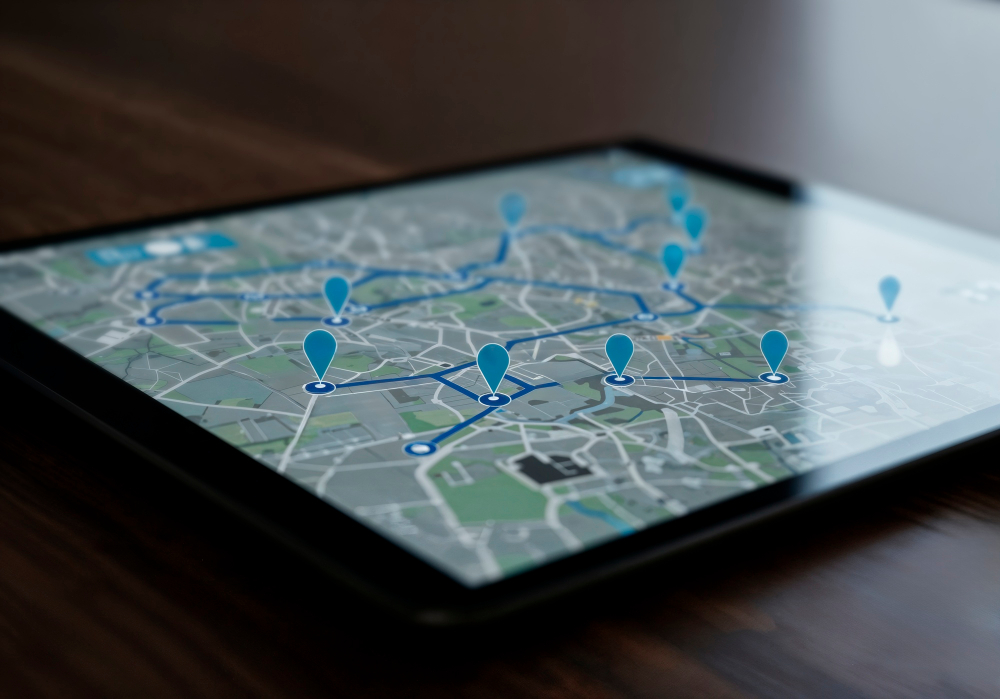
At its core, Samsara GPS fleet tracking software collects location and vehicle data through hardware installed in each vehicle, then streams that information to a cloud dashboard that managers can access from a browser or mobile app. As a result, fleet managers can monitor every vehicle, trailer, and piece of equipment through a live, map-based view. This “helicopter view” allows a single dispatcher to watch the entire fleet move in real time instead of checking vehicles one by one.
Beyond simple dot-on-a-map tracking, the software also captures contextual data such as speed, harsh braking events, idle time, and route history. Therefore, the platform does more than answer the question of where a vehicle is right now; it also helps explain how that vehicle got there and how efficiently the trip was completed.
Ultimately, this combination of live location and historical context is what separates a modern telematics platform from a basic GPS tracker. Instead of only confirming a vehicle’s current position, Samsara helps fleet managers understand patterns over days, weeks, and months, which supports better long-term decisions about routing, staffing, and vehicle purchasing.
How Does Real-Time GPS Tracking Work in Samsara?
Samsara’s tracking devices update location data as frequently as once per second, which is considerably faster than the ten-second to two-minute refresh rates common among older, breadcrumb-style GPS systems. Because of this rapid refresh rate, fleet managers can watch vehicles move almost continuously on the map rather than seeing occasional, disconnected pings. This level of accuracy is particularly useful for last-mile delivery, field service scheduling, and situations where customers expect precise arrival estimates.
What Hardware Does Samsara Use for Vehicle Tracking?
Samsara relies on its own plug-and-play hardware rather than generic, third-party trackers. A cellular Vehicle Gateway connects to a vehicle’s OBD-II port or CAN bus to capture GPS location alongside engine diagnostics, while battery-powered asset trackers can monitor unpowered equipment such as trailers or generators. In addition, wireless sensors can report on conditions like temperature, which matters for refrigerated transport. Because the hardware is designed specifically for the platform, installation is typically simple enough for a driver to complete without a technician visit.
What Key Features Make Samsara Stand Out?
Samsara is not just a GPS dot on a map; it is positioned as a broader connected operations platform. Consequently, the software bundles several categories of tools that would otherwise require separate vendors, which simplifies both budgeting and day-to-day operations for fleet teams.
How Does Samsara Support ELD and HOS Compliance?
Samsara offers an FMCSA-registered electronic logging device solution certified for use in both the United States and Canada. The system automatically updates hours-of-service rulesets based on each vehicle’s GPS location, eliminating the need for drivers to manually switch rules when they cross jurisdictions. Meanwhile, AI-powered geofencing can automatically classify yard moves and unassigned driving time, which reduces the manual cleanup that compliance teams would otherwise need to perform at the end of each week.
What Safety Features Does Samsara Offer?
Safety is one of Samsara’s most heavily promoted capabilities. AI-enabled dash cams can detect risky behaviors such as harsh braking, distracted driving, and following too closely, then deliver real-time in-cab alerts so drivers can self-correct before an incident occurs. In addition, fleet managers receive driver safety scores that summarize behavior over time, which makes coaching conversations more objective and easier to track.
How Does Samsara Help With Fuel and Maintenance Management?
Because the platform continuously monitors engine diagnostics, it can flag fault codes and potential mechanical issues before they turn into costly breakdowns. Consequently, maintenance teams can move from reactive repairs to a more predictive, planned approach. On the fuel side, Samsara tracks idle time, harsh acceleration, and route efficiency, all of which contribute to unnecessary fuel spend when left unmanaged. Over time, this data helps fleets identify patterns and cut waste.
What Reporting and Analytics Tools Are Available?
Samsara’s dashboard converts raw telematics data into reports on fuel usage, driver behavior, geofence activity, and vehicle utilization. Reports can be scheduled and delivered automatically by email or text, so managers do not need to log in manually to stay informed. Furthermore, role-based access controls let organizations decide which team members can view or edit specific data, which is helpful for larger fleets with multiple departments.
How Does Samsara Support Routing and Driver Communication?
Routing and dispatch are just as important as tracking itself, especially for businesses that rely on last-mile deliveries or field service appointments. Samsara’s routing tools help planners build optimized routes, assign drivers, and monitor progress in real time, all from the same dashboard used for tracking and compliance. Consequently, dispatchers do not need to switch between separate systems to plan a route and then check whether that route is actually being followed.
The platform also enables two-way communication between dispatchers and drivers, allowing dispatchers to share schedule changes, new stops, and urgent updates instantly instead of relying on phone calls that distract drivers from the road. In addition, dispatch teams can send customers live tracking links with estimated arrival times, reducing the number of status-update calls they need to handle during a busy day.
How Does Samsara Compare Planned Routes to Actual Routes?
One particularly useful capability is the ability to compare a vehicle’s planned route against the path it actually traveled. This comparison can surface unscheduled stops, unnecessary detours, or potential after-hours use of a company vehicle. Rather than relying on driver self-reporting, managers can review the data directly and address discrepancies with facts rather than guesswork.
How Does Samsara Support Electric and Hybrid Fleets?
Sustainability has become a growing priority for many fleet operators, and Samsara has built tools specifically to support the shift toward electric and hybrid vehicles. The platform can monitor electric vehicles alongside traditional internal combustion vehicles within the same dashboard, which means fleets do not need a separate system while they transition. Furthermore, Samsara provides data and modeling tools that help decision-makers identify which routes or vehicles they should electrify first based on real usage patterns rather than assumptions.
Because electrification decisions often involve significant upfront investment, having accurate usage data matters. Fleet managers can use Samsara’s reporting to estimate potential fuel and maintenance savings before committing to new vehicles, which reduces the risk of a costly, poorly planned rollout.
What Integrations Does Samsara Offer?
Very few fleets run on a single piece of software, so integration support matters a great deal. Samsara offers an open REST API along with a marketplace of more than 350 turnkey integrations, connecting fleet data with transportation management systems, payroll platforms, fuel card providers, and maintenance software such as Fleetio. As a result, information that used to require manual entry, like odometer readings or fuel purchases, can flow automatically between systems.
This open approach also means Samsara can fit into fleets that already rely on established vendor relationships. Rather than ripping out existing tools, many businesses layer Samsara on top of their current stack and use integrations to keep everything synchronized, which shortens the overall implementation timeline.
How Does Samsara Benefit Different Types of Fleets?

Why Is Samsara a Good Fit for Small Businesses?
Small fleets often lack the internal resources to manage multiple disconnected tools, so an all-in-one platform tends to be especially valuable for them. Samsara‘s plug-and-play hardware and intuitive dashboard mean a small operations team can get up and running quickly, without needing a dedicated IT department. Additionally, because pricing and hardware bundles can be tailored to fleet size, smaller businesses are not forced to pay for enterprise-scale features they do not need yet.
How Does Samsara Scale for Large Enterprises?
On the other end of the spectrum, Samsara also serves large, multi-site operations across transportation, logistics, construction, field services, and utilities. Its open API and library of more than 350 third-party integrations allow enterprise IT teams to connect fleet data with existing systems such as transportation management software, payroll platforms, and fuel card providers. As a result, large organizations can fold Samsara into an existing technology stack instead of replacing it entirely.
The table below summarizes how Samsara’s core capabilities generally compare with a traditional, GPS-only tracking system.
| Capability | Traditional GPS Tracker | Samsara GPS Fleet Tracking Software |
| Location refresh rate | Every 10 seconds to 2 minutes | As often as every second |
| Compliance tools | Rarely included | Built-in ELD, HOS, IFTA, and DVIR support |
| Safety monitoring | Not included | AI dash cams and driver safety scoring |
| Maintenance insights | Basic or none | Real-time engine diagnostics and alerts |
| Integrations | Limited | 350+ third-party integrations plus an open API |
| Scalability | Best for small fleets | Small business to enterprise |
How Does Samsara Compare to Other Fleet Tracking Providers?
Samsara is far from the only GPS fleet tracking provider on the market; competitors such as Geotab, Verizon Connect, Motive, and GPS Insight all offer similar core tracking functionality. However, Samsara is frequently highlighted for combining tracking, safety, and compliance into a single, tightly integrated platform rather than requiring fleets to stitch several separate products together. This matters because a unified system generally means fewer logins, fewer data silos, and less time spent reconciling reports from different vendors.
What Sets Samsara Apart From Competing Platforms?
Reviewers consistently point to three areas where Samsara tends to outperform many competitors: refresh rate, ease of installation, and the depth of its AI-powered safety features. Because the platform updates location data so frequently, it works especially well for industries that depend on precise, near-instant visibility, such as last-mile delivery and field service. In addition, the plug-and-play hardware setup reduces the time and cost associated with onboarding, which is especially valuable for fleets that cannot afford extended downtime during installation.
When Might a Different Provider Be a Better Fit?
That said, Samsara is not automatically the right choice for every fleet. Businesses that already own third-party GPS hardware and want to keep using it, or organizations with a very limited budget that only need basic location tracking without compliance or safety tools, may find a simpler, lower-cost provider more appropriate. Comparing quotes and feature lists side by side, ideally with the help of an implementation partner who knows both the software and your industry, is the best way to confirm which platform truly fits your operation.
What Are the Pros and Cons of Using Samsara?

Like any platform, Samsara comes with trade-offs. Understanding both sides makes it easier to decide whether the platform lines up with your fleet’s priorities. No single tracking solution is perfect for every business, so it is worth weighing these points against your own operational goals, budget, and the size of your fleet before making a final decision.
What Are the Main Advantages?
- Genuine real-time tracking with a refresh rate that outpaces many competitors.
- A single platform that combines tracking, safety, compliance, and maintenance tools.
- Fast, plug-and-play hardware installation that does not usually require a technician.
- Strong support for sustainability initiatives, including electric and hybrid vehicle monitoring.
- 24/7 phone and email support, which matters for fleets that operate outside standard business hours.
What Are the Main Drawbacks?
- Samsara requires the use of its own branded hardware rather than third-party trackers.
- Some maintenance and tire-monitoring integrations carry additional fees.
- Pricing is customized rather than published, so buyers need to request a quote.
How Much Does Samsara GPS Fleet Tracking Software Cost?

Samsara does not publish flat, one-size-fits-all pricing. Instead, the company builds custom plans based on fleet size, hardware needs, and which product modules a business wants, such as safety cameras, compliance, or asset tracking. While this approach means buyers cannot get an instant online quote, it also means smaller fleets are not forced to pay for enterprise-level tools they do not need. Most licenses include core hardware such as telematics gateways, which helps offset the upfront cost of adoption. Because pricing varies so much by use case, getting an accurate number typically requires a conversation with Samsara or an experienced implementation partner.
It is also worth noting that Samsara typically requires an annual contract rather than a simple month-to-month subscription, which is common across the fleet telematics industry. Before signing, ask which hardware the plan includes at no extra charge, which app marketplace integrations require additional fees, and how the warranty handles hardware replacements throughout the life of the contract. Clarifying these details upfront helps avoid surprise costs once the system is already in use.
How Do You Get Started With Samsara?
Rolling out a new telematics platform can feel overwhelming, but Samsara’s process is designed to be straightforward. The general steps look like this:
- Define your goals, whether that is compliance, safety, fuel savings, or full operational visibility.
- Request a tailored plan and quote based on your fleet size and industry.
- Install the plug-and-play hardware, typically through the vehicle’s OBD-II port or CAN bus connection.
- Configure the dashboard, user roles, and any third-party integrations your team relies on.
- Train drivers and dispatchers, then begin monitoring reports to fine-tune settings over time.
Most fleets can expect the hardware installation itself to take only a few minutes per vehicle, since the devices are designed to plug directly into existing ports. However, the surrounding work, such as setting up geofences, configuring alert thresholds, and connecting third-party software, tends to take longer and benefits from careful planning. Rushing this stage often leads to underused features later on, so it is worth investing the time upfront to configure the platform around your specific workflows rather than accepting default settings.
What Is the Bottom Line on Samsara GPS Fleet Tracking Software?
Samsara GPS fleet tracking software goes well beyond showing dots on a map. By combining real-time location data with compliance tools, AI-powered safety features, maintenance insights, and detailed reporting, it gives fleet managers a single, connected view of their entire operation. Whether you run a handful of service vehicles or a large, multi-site transportation fleet, Samsara scales alongside your business as it grows. When you partner with an experienced implementation provider such as Solution for Guru, you can deploy the platform more smoothly and quickly, helping your organization improve driver safety, reduce operating costs, and gain better visibility across every vehicle on the road.
Ultimately, the businesses that get the most value from Samsara tend to be the ones that treat it as more than a tracking device: they use the data actively, coach drivers based on real numbers, and connect the platform to the rest of their operations. Approached that way, Samsara GPS fleet tracking software becomes less of an expense and more of an ongoing tool for running a safer, leaner, and more predictable fleet.
Frequently Asked Questions
No. Samsara requires the use of its own branded hardware, including its Vehicle Gateway and asset trackers, rather than generic third-party GPS units. This ensures consistent data quality across the platform, though it does mean fleets switching from another provider will need new devices installed before they can start collecting data. On the positive side, standardizing on one hardware ecosystem also simplifies support, since Samsara’s team is troubleshooting equipment it fully understands rather than working around unfamiliar third-party devices.
Samsara can refresh location data as often as every second, which is significantly faster than many competing systems that update every ten seconds to two minutes. This near-continuous refresh rate helps position the platform as a leader in real-time fleet visibility. It also provides significant value for businesses that need precise, up-to-the-minute ETAs for customers or rely on dispatchers to reroute drivers throughout the day.
Why Partner With Solution for Guru for Your Samsara Implementation?
Choosing the right software is only half the battle; configuring it correctly is what actually delivers results. This is where working with an experienced implementation partner makes a measurable difference, and it is exactly the kind of support that Solution for Guru provides.
As a CRM and software implementation consultancy, Solution for Guru helps businesses evaluate, configure, and roll out platforms like Samsara so that the technology actually fits day-to-day operations rather than sitting half-used. Instead of navigating hardware installation, user roles, and integration settings alone, fleets working with Solution for Guru get hands-on guidance at every stage of the process.
- Faster, more accurate setup that avoids common configuration mistakes.
- Guidance on connecting Samsara with existing CRM, payroll, or maintenance software.
- Training support so dispatchers and drivers can adopt the platform with less friction.
- Ongoing advice as your fleet grows and your reporting needs change.
In short, pairing Samsara’s technology with Solution for Guru‘s implementation expertise helps fleets avoid a slow, trial-and-error rollout and start seeing a return on their investment sooner.
This kind of partnership is particularly valuable for organizations that are already running other business software, since Solution for Guru’s core expertise lies in connecting systems so data flows cleanly between them. Rather than treating Samsara as an isolated tool, the consultancy’s team works to align fleet tracking data with the CRM, accounting, or operations platforms a business already depends on, which means fewer manual reports and a more complete picture of overall performance.
Recommended
- Verizon Connect Review: Features, Pros, Cons, and Best Use Cases
- What Is Verizon Connect Fleet Management Software?
- Motive Pricing Plans Explained: How Much Does Motive Cost?
- What Is Motive Fleet Management?
- What Is the True Cost Breakdown of Fleet Tracking Systems?
- Offline Tracking: How Do Devices Store Data Without Connectivity?
- Real-Time Tracking vs Passive Tracking: What Are the Key Differences?
- How Vehicle Tracking Systems Reduce Commercial Auto Insurance Costs
- How Does GPS Tracking Work: Satellites, Signals, and Software?
- Can GPS Trackers Be Hacked? Security Risks Explained
- 4G vs 5G GPS Trackers: What’s Changing?
- AI in Fleet Tracking: How Are Predictive Maintenance and Analytics Transforming Fleet Operations?
- Tracking Requirements for Commercial Vehicles in the U.S.
- How Vehicle Maintenance Tracking Software Reduces Costs and Extends Fleet Lifespan?
- Top Benefits of GPS Vehicle Tracking Fleet Management Solutions for Modern Businesses
- Vehicle Tracking Online
- Business Vehicle Tracking: Boosting Efficiency and Accountability on the Road