How Do Delivery Companies Improve Routes With Motive?
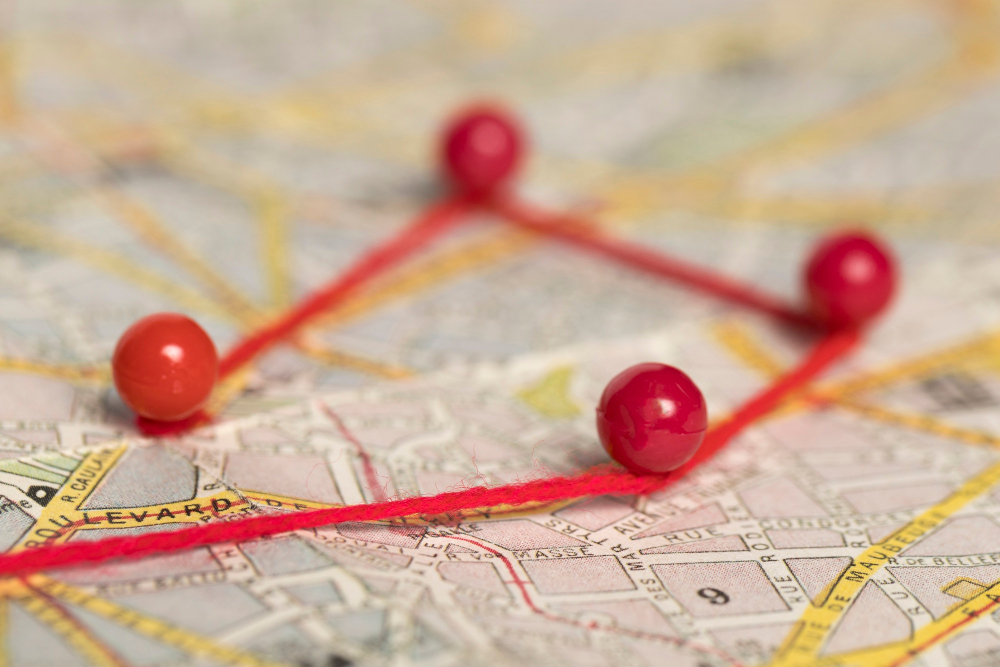
Every delivery company fights the same battle: too many stops, too little time, and rising costs for fuel, labor, and vehicles. A single poor route can delay a dozen customers and burn hours of driver time. Modern fleet technology changes that equation by replacing guesswork with live data. This article explains how delivery companies use Motive – GPS Fleet Tracking System & Solutions to plan better routes, react to problems faster, and deliver on time more often.
Table of contents
What Is the Quick Summary of This Article?
- Route quality drives profit. Fuel, driver hours, and customer satisfaction all depend on how well you plan and adjust routes.
- Motive combines several tools in one platform. Live GPS tracking, dispatch, AI dashcams, electronic logging, fuel tools, and analytics work together.
- Real-time data beats static plans. Traffic, weather, and live vehicle positions let dispatchers change routes mid-day.
- Safety and efficiency support each other. Coaching, compliance, and maintenance reduce delays that wreck schedules.
- Preparation decides success. A clear rollout plan, good data, and expert support, such as Solution for Guru, help you capture the benefits faster.
What Is the Topic: How Does Motive Relate to Better Delivery Routes?

Motive – GPS Fleet Tracking System & Solutions is an integrated fleet management platform. It brings live GPS tracking, AI dash cams, fuel, maintenance, and workforce management together in one system. For delivery companies, that integration matters because routing problems rarely come from a single source. A late delivery might trace back to traffic, a vehicle breakdown, a driver running out of hours, or a poorly sequenced stop list.
This article is practical: how delivery businesses use Motive‘s tracking, dispatch, and analytics tools to build smarter routes and stay on track. The sections below explain each step, from planning to review, and show where the platform fits.
Which Delivery Businesses Benefit Most?
Route improvement helps nearly every operation that moves goods on a schedule:
- Last-mile couriers that run many short stops per vehicle
- Regional distributors that serve retailers and wholesalers
- Food and beverage suppliers with time-sensitive loads
- Field service and installation teams that visit customer sites
- Construction and equipment suppliers that move heavy materials
Why Do Delivery Routes Fail in the First Place?

Before you fix routes, understand why they break. Most failures fall into a few predictable groups.
What Are the Most Common Routing Problems?
| Problem | What Happens | Typical Result |
|---|---|---|
| Poor stop sequencing | Drivers backtrack or cross town twice | Wasted fuel and time |
| No live visibility | Dispatchers guess where vehicles are | Late updates to customers |
| Traffic and weather surprises | Planned times become unrealistic | Missed delivery windows |
| Hours-of-service limits | Drivers run out of legal driving time | Rescheduled or delayed loads |
| Unplanned breakdowns | Vehicles stop mid-route | Cascading delays |
| Unsafe or aggressive driving | Accidents and harsh events | Downtime and higher insurance costs |
| Manual paperwork | Drivers and office staff re-enter data | Errors and slow billing |
How Do These Problems Add Up?
Each issue seems small alone. However, they compound. A driver who loses twenty minutes to a poor sequence might also hit traffic and then reach an hours-of-service limit. Consequently, the last three customers receive their goods late or not at all. Better routing therefore needs more than a clever algorithm. It needs visibility, compliance awareness, and fast communication, which is exactly why an integrated platform helps.
How Does Live GPS Tracking Improve Route Control?
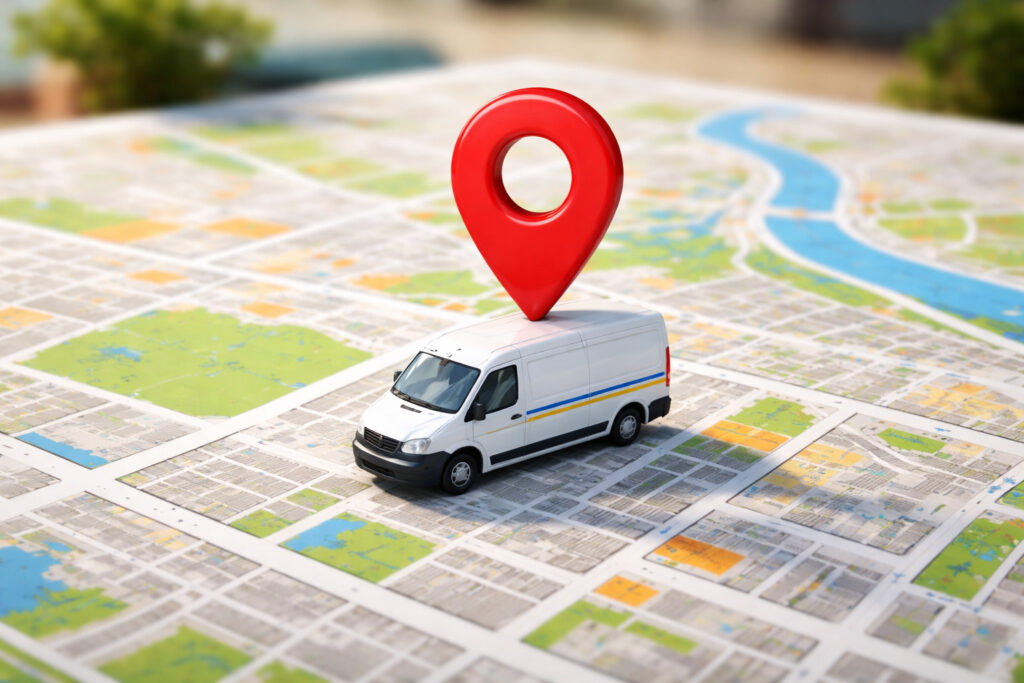
Live tracking forms the foundation of every route improvement. Without it, dispatchers rely on phone calls and estimates. With it, they see each vehicle’s position, speed, and status in real time.
What Does GPS Tracking Show Dispatchers?
Motive’s GPS fleet tracking gives dispatchers a live map of vehicles and assets. Capterra reviewers describe the location data as precise and useful for dispatch, roadside assistance, and entry and exit tracking, although some mention delays in geofence alerts. Typical views include:
- Current location and direction of travel
- Speed and idle time
- Trip history and stop duration
- Arrival and departure from customer sites
- Vehicle and trailer status
With the full picture, dispatchers can reassign a nearby driver when a delivery runs late rather than waiting for a call.
How Do Geofences Support Routing?
Geofences create virtual boundaries around depots, customer sites, and restricted zones. When a vehicle enters or leaves one, the system records the event. Delivery companies use geofences to confirm arrivals, measure time on site, and alert customers that a driver is close. Test your alert timing during rollout, since reviewers have noted occasional lag.
How Does Route Planning Software Cut Distance and Time?
Planning happens before the trucks leave. A good plan sequences stops efficiently, respects delivery windows, and matches loads to vehicles.
What Does AI-Based Route Optimization Do?
A Tech.co guide to AI in fleet management explains that AI route optimization finds efficient routes by weighing distance, traffic conditions, delivery schedules, and weather. The same research reports that 29% of surveyed fleet managers use route optimization software and that it ranked as the AI tool they most wanted. Note that Tech.co states the research was conducted exclusively for Motive, so treat it as vendor-sponsored, and verify claims against your own results.
Motive’s routing approach combines GPS, traffic updates, and weather overlays with real-time and historical data. In practice, dispatchers can build routes that account for conditions rather than only map distance.
Which Inputs Produce the Best Routes?
- Accurate addresses. Bad geocoding sends drivers to the wrong place.
- Realistic service times. Measure how long drivers spend at each stop type.
- Delivery windows. Include customer time preferences.
- Vehicle capacity. Match load weight and volume to the vehicle.
- Driver hours. Respect legal limits and shift lengths.
- Historical traffic patterns. Plan around known congestion.
Good inputs matter as much as good software. Clean your customer address data before you launch, and update service times quarterly.
How Does Dispatch Help You Adjust Routes in Real Time?

Plans rarely survive the day untouched. A customer cancels, a truck breaks down, or a road closes. Dispatch tools help you respond quickly.
What Can Dispatchers Do During the Day?
With live positions and driver status in one place, dispatchers can:
- Reassign a stop to the nearest available driver
- Insert an urgent pickup without wrecking the schedule
- Send updated instructions to the driver’s mobile device
- Notify customers of revised arrival times
- Track proof of delivery as drivers complete each stop
Motive highlights faster dispatch as part of its fleet platform, and its product list includes a dedicated Fleet Dispatch category.
How Does Better Dispatch Reduce Customer Complaints?
Customers mostly want accurate information. When dispatchers know exactly where a vehicle is, they can give a real estimate instead of a vague window. The Spotsaas review of Motive also lists real-time customer updates and fewer delayed ETAs as benefits for logistics teams. As a result, support teams answer fewer “where is my order?” calls.
How Do Hours-of-Service and ELD Tools Protect Your Schedule?
A route that ignores driver hours fails on paper before it fails on the road. Electronic logging devices (ELDs) track driving time automatically and keep drivers compliant.
Why Does Compliance Affect Routing?
When a driver nears the legal limit, the planned route may become impossible. Dispatchers who see remaining hours in real time can swap loads, adjust stops, or schedule a relief driver before problems appear. Motive’s ELD solution supports this by logging hours and flagging upcoming limits. The company reports a 50% reduction in drivers’ hours violations among its customers, a figure from the vendor that may not match your results.
What Other Compliance Tools Help?
| Tool | Purpose | Routing Benefit |
|---|---|---|
| ELD | Logs driving hours automatically | Avoids illegal or rushed routes |
| Digital inspections (DVIR) | Records vehicle checks | Catches defects before they cause delays |
| IFTA fuel tax reporting | Automates mileage and fuel tax data | Saves office time |
| Mileage tracking | Captures trips automatically | Improves planning accuracy |
How Do AI Dashcams Keep Routes Safe and On Time?

Accidents destroy schedules. A single collision can idle a vehicle, a driver, and a whole day of deliveries. Motive‘s AI dashcams aim to reduce that risk.
What Do AI Dashcams Detect?
The AI Dashcam Plus detects dangerous driving, and a Safety Score identifies high-risk drivers and shows them what to improve. Common detections across the industry include following too closely, distracted driving, harsh braking, and rolling stops. Motive‘s materials claim large safety gains, including 80% fewer accidents within one year for some customers. Because these numbers come from the vendor, request references from similar delivery companies before you rely on them.
How Does Coaching Improve Route Performance?
Safe drivers usually run steadier routes. They brake less, idle less, and avoid costly incidents. Managers can use video clips and scorecards to coach drivers in short, fair sessions. Focus on trends rather than single events, and publicly reward improvement. Over time, this approach reduces both risk and fuel waste.
How Can Fuel and Idling Data Lower Route Costs?

Fuel often ranks as the largest controllable expense after labor. Route design affects it directly, and so does driver behavior.
Which Fuel Metrics Should You Watch?
- Idle time per vehicle and per stop
- Miles per gallon or liters per 100 kilometers
- Harsh acceleration and braking events
- Fuel purchases compared with route distance
- Off-route mileage
Motive offers fuel management and spend tools, including fraud-detection controls, that help companies match fuel purchases to actual vehicle activity. Combine these with route reports to find drivers or routes that burn more fuel than expected.
How Do You Turn Fuel Data Into Savings?
Start by ranking routes by cost per stop. Investigate the worst performers. You may find a poorly sequenced route, long idle time at a loading dock, or a detour drivers take out of habit. Fix one cause at a time, then measure the change over the next month.
How Does Maintenance Tracking Prevent Route Disruptions?
Breakdowns cause the most painful delays because they strike without warning. Preventive maintenance reduces that risk.
What Can Telematics Data Reveal?
Telematics tools read engine diagnostics, mileage, and fault codes. They alert managers when a vehicle needs service or shows early warning signs. Instead of waiting for a roadside failure, you schedule service during planned downtime.
How Do You Build a Maintenance Routine?
- Set service intervals by mileage or engine hours.
- Enable automatic alerts for fault codes.
- Link inspection reports to work orders.
- Review repeat issues by vehicle each month.
- Remove chronically unreliable vehicles from critical routes.
This routine keeps vehicles available, which protects the routes you spent time optimizing.
How Do Analytics and Reports Improve Routes Over Time?
Route optimization never ends. Conditions, customers, and drivers change, so you need regular review.
Which KPIs Matter Most for Delivery Routes?
| KPI | What It Measures | Why It Matters |
|---|---|---|
| On-time delivery rate | Share of stops completed in the window | Core customer metric |
| Stops per route hour | Productivity of each route | Shows sequencing quality |
| Cost per stop | Total route cost divided by stops | Guides pricing and planning |
| Fuel per route | Fuel used per completed route | Highlights waste |
| Idle time | Engine-on time while stopped | Exposes avoidable cost |
| Planned vs actual duration | Gap between plan and reality | Improves future estimates |
| Safety score trend | Driving behavior over time | Links safety to uptime |
How Often Should You Review Results?
Review daily exceptions, weekly route performance, and monthly trends. Daily checks catch late deliveries and safety events. Weekly checks reveal which routes need re-sequencing. Monthly reviews guide larger decisions, such as adding a vehicle or changing territories. Keep each review short and focused on a few actions.
How Do You Roll Out Motive in a Delivery Company?
Technology succeeds when people adopt it. A phased rollout reduces resistance and exposes problems early.
What Does a Sensible Rollout Plan Look Like?
| Phase | Timeline | Focus |
|---|---|---|
| 1. Discovery | Weeks 1–2 | Map routes, vehicles, drivers, and goals |
| 2. Pilot | Weeks 3–6 | Install devices on a small group and test routes |
| 3. Training | Weeks 4–8 | Teach drivers and dispatchers the tools |
| 4. Full rollout | Weeks 8–12 | Expand to the whole fleet |
| 5. Optimization | Ongoing | Review KPIs and refine routes monthly |
How Do You Win Driver Support?
Drivers sometimes fear that tracking means punishment. Address this directly. Explain how the tools protect them, for example through video evidence after incidents, fair hours tracking, and easier paperwork. Share early wins, and involve experienced drivers in route design. People support systems they help shape.
What Mistakes Should Delivery Companies Avoid?

Even strong platforms disappoint when companies misuse them. Avoid these common errors:
- Launching without clear goals. Define targets such as on-time rate, cost per stop, or idle time.
- Ignoring data quality. Bad addresses and outdated service times ruin routes.
- Skipping training. Dispatchers need practice with live adjustments.
- Overloading managers with alerts. Tune notifications to the events that matter.
- Using tracking only for monitoring. Use the data to coach, plan, and improve.
- Forgetting privacy and labor rules. Follow local regulations on employee monitoring and camera use.
- Expecting instant results. Allow at least one full cycle of weekly and monthly reviews.
What Are the Conclusions About Improving Routes With Motive?
Better routes come from better information and faster decisions. Motive – GPS Fleet Tracking System & Solutions supports both. Live GPS tracking shows where vehicles are. Route planning and dispatch tools help teams sequence stops and react to change. ELD and compliance features protect schedules from hours-of-service surprises. AI dashcams and coaching reduce risk, while fuel, maintenance, and analytics tools lower cost and downtime.
To apply these ideas, follow this plan:
- Set measurable goals for on-time delivery, cost per stop, and idle time.
- Clean your address and customer data.
- Pilot the platform with a small group of vehicles.
- Train dispatchers to adjust routes in real time.
- Coach drivers with data, not blame.
- Review KPIs weekly and monthly, then refine routes.
- Work with an experienced partner such as Solution for Guru to speed up rollout and adoption.
Vendor statistics deserve healthy skepticism, so test the platform against your own routes and measure the results. Done well, the investment pays back through lower costs, safer driving, and happier customers.
What Are the Frequently Asked Questions?
Fleet platforms like Motive serve a range of sizes, from small local fleets to large national operations. Small companies often benefit quickly because they can see immediate gains from live tracking and better dispatch. However, pricing and hardware needs vary, so request a quote and compare it with your expected savings before you commit.
Most companies notice improved visibility within days, because live tracking works as soon as devices are installed. Measurable gains in on-time delivery, fuel use, and cost per stop usually take longer, since you need time to collect data and adjust routes. Plan for at least one to three months of review before you judge the results.
Acceptance improves when you communicate clearly. Explain what the system records, how you will use the data, and how it protects drivers. Use coaching and recognition rather than punishment, and follow local privacy and employment rules. Many teams find that video evidence and automated logs actually reduce disputes and paperwork for drivers.
How Can Solution for Guru Support Your Fleet Technology Project?
A capable partner shortens the path from purchase to results. Solution for Guru helps businesses implement, integrate, and support business technology so that delivery companies can connect fleet data with the rest of their operations.
What Are the Benefits of Working With Solution for Guru?
- Needs assessment. Specialists study your routes, vehicles, and goals before they recommend a setup.
- Smooth implementation. Experienced consultants plan the rollout, configure settings, and reduce downtime.
- System integration. Connecting fleet data with CRM, accounting, or order systems removes manual entry.
- Custom reporting. Tailored dashboards show the KPIs that matter to your business.
- Training and adoption. Your dispatchers and drivers learn the tools through practical sessions.
- Ongoing support. Regular reviews keep your setup aligned with changing needs.
Why Does Expert Support Improve Return on Investment?
Fleet projects touch operations, drivers, and finance at once. Coordinating all three takes time that busy managers rarely have. A partner brings proven processes and a fresh perspective, helping you avoid common mistakes. As a result, you achieve measurable improvements sooner and sustain them over time.
Recommended
- Verizon Connect for Landscaping Companies
- Verizon Connect Mobile App Overview
- How Does Motive Support Business Growth?
- Why Do Construction Companies Choose Motive?
- Driver Safety Monitoring with Azuga: How Can Fleets Reduce Risk and Build Safer Habits?
- Benefits of Using Samsara for Fleet Management
- How Verizon Connect Helps Reduce Insurance Premiums
- How Motive Helps Reduce Insurance Costs
- How Verizon Connect Improves Fleet Productivity
- How Motive Detects Distracted Driving
- Managing Mixed Fleets with Verizon Connect
- How Verizon Connect Improves Driver Accountability
- How Motive Helps Schedule Preventive Maintenance
- How Samsara Improves Fleet Productivity
- How Fleet Managers Use Motive for Compliance Reporting
- How Motive Improves Dispatcher Efficiency
- How Motive Helps Reduce Fleet Operating Costs
- Azuga Review: Features, Pros, Cons, and Best Use Cases
- What Is Azuga Fleet Management Software? A Complete Guide
- Top Reasons Businesses Choose Motive Fleet Management
- Samsara Review: Features, Pros, Cons, and Best Use Cases