How Motive Improves Dispatcher Efficiency
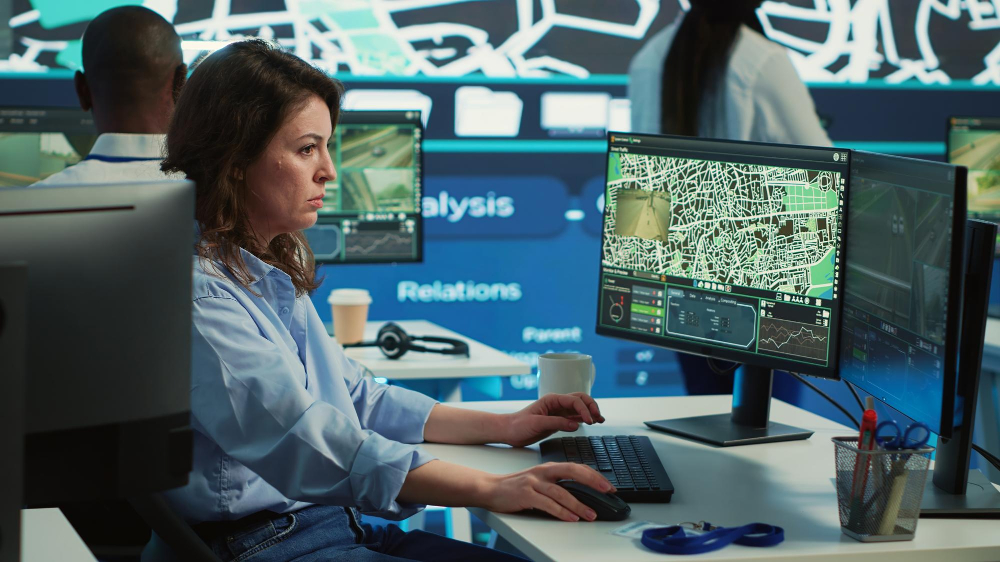
A dispatcher’s day rarely goes according to plan. Between fielding urgent pickup requests, tracking down driver locations, checking hours-of-service limits, and fielding anxious customer calls about delivery times, the role demands constant multitasking across systems that often do not talk to each other. Motive – GPS Fleet Tracking System & Solutions was built to change that reality, giving dispatchers a single, connected view of drivers, vehicles, and jobs instead of forcing them to juggle spreadsheets, phone calls, and separate mapping tools. This article explains exactly how Motive improves dispatcher efficiency, backed by real feature breakdowns and documented results from fleets that have already made the switch.
Dispatcher efficiency does not just affect internal operations; it directly shapes customer satisfaction, driver productivity, and a fleet’s ability to take on more work without adding headcount. Therefore, the tools a dispatcher uses every day matter enormously, since even small delays in finding information can add up to hours of lost time across a week. The sections below walk through exactly how Motive addresses these everyday dispatching challenges, one workflow at a time.
Additionally, many fleets underestimate just how much time gets lost to small, repetitive tasks throughout a dispatcher’s shift, such as switching between a mapping tool, a compliance system, and a phone to answer a single question about driver availability. These interruptions rarely show up as a distinct line item on a budget, yet they quietly limit how many dispatches a single dispatcher can realistically manage in a day. Consequently, closing these small but frequent gaps often produces some of the most noticeable efficiency gains a fleet can achieve.
Table Of Contents
Quick Summary
Before diving into the full breakdown, here is a fast overview of what this article covers:
- Command-center visibility — Fleet View gives dispatchers a single, real-time map of every driver, vehicle, and asset.
- Proximity Search — instantly finds the closest available driver for an urgent job, replacing manual phone calls and guesswork.
- HOS integration — live hours-of-service data appears directly on the dispatch map, preventing compliance violations.
- Weather and traffic overlays — help dispatchers reroute proactively instead of reacting to delays after they happen.
- Automated arrival and departure updates — reduce the need for manual check-in calls with drivers.
- Live Location Sharing — keeps customers informed automatically, cutting down on status-check phone calls.
- Documented time savings — some fleets report saving up to 21% of planning time and dozens of hours per month.
What Is Motive and How Does It Relate to Dispatcher Efficiency?

Motive – GPS Fleet Tracking System & Solutions is a fleet management platform that combines GPS tracking, telematics, dashboard cameras, and dispatch tools into one connected system. At the center of this platform sits Motive Dispatch, a module built specifically to give dispatchers a centralized, real-time view of drivers, vehicles, trailers, and equipment, rather than requiring them to check multiple separate systems throughout the day.
This focus on centralization is precisely why Motive relates so directly to dispatcher efficiency. Before adopting a unified platform, dispatchers often relied on a combination of phone calls, separate routing services, and driver log systems just to answer basic questions like “which driver is closest to this pickup?” or “does this driver have enough remaining hours to take the job?” Motive brings all of this information into one dashboard, which is why the platform consistently comes up whenever fleets look to reduce the time dispatchers spend hunting for information instead of actually dispatching.
How Does Motive’s Fleet View Improve Dispatcher Visibility?
Visibility into where every vehicle and driver stands at any given moment is the foundation of efficient dispatching, and Motive’s Fleet View was built specifically to deliver this.
What Does Command-Center Visibility Actually Look Like?
Fleet View gives dispatchers command-center visibility into daily fleet operations, consolidating drivers, vehicles, trailers, and equipment onto a single live map. Because this view updates continuously, dispatchers no longer need to call drivers directly just to confirm their current location, which immediately removes one of the most time-consuming steps in a typical dispatching workflow.
How Often Does Motive Update Location Data?
Motive collects GPS location data every 1 to 3 seconds, giving dispatchers a near-instant view of vehicle movement rather than relying on delayed or infrequent updates. Additionally, the platform shows a predicted route for each vehicle along with an estimated time of arrival based on its current trajectory, which helps dispatchers proactively manage schedules rather than reacting only after a delay has already occurred.
How Does Vehicle Utilization Comparison Help Dispatchers Plan Ahead?
Beyond daily tracking, dispatchers can compare vehicle utilization across terminals or driver groups, revealing trends and uncovering opportunities to distribute work more efficiently. Consequently, this comparison helps dispatchers plan ahead rather than simply reacting to whichever driver happens to be available at the moment a request comes in.
How Does Proximity Search Help Dispatchers Respond to Urgent Jobs?
Urgent pickup requests test a dispatcher’s ability to respond quickly, and this is exactly where Motive’s Proximity Search tool changes the workflow.
What Did Dispatching an Urgent Job Look Like Before This Tool?
Before Proximity Search, assigning an urgent job typically required a combination of several different applications, including a separate routing service, phone calls or text messages to check driver location, and a review of driver logs in yet another system to confirm remaining hours-of-service. This fragmented process could easily consume several minutes, or longer, for a single dispatch decision.
How Does Proximity Search Simplify This Process?
With Proximity Search, a dispatcher simply clicks on the pickup location on the map and instantly sees a full list of nearby vehicles, drivers, and assets, sorted by proximity, along with estimated travel time and distance. Therefore, a decision that once required multiple phone calls and app switches now takes only a few seconds.
How Does HOS Data Appear Alongside Proximity Results?
Available driver hours-of-service information appears on the same live map used for proximity search, allowing dispatchers to confirm a driver can legally complete the trip without needing to check a separate compliance system. As a result, dispatchers avoid the risk of assigning a job to a driver who does not have enough remaining hours, which protects the fleet from compliance violations while still speeding up the assignment process.
How Do Weather and Traffic Overlays Support Smarter Dispatch Decisions?

Beyond simply knowing where a vehicle is located, dispatchers also need to understand the conditions that vehicle will face along its route.
How Does Motive Integrate Traffic and Weather Data Into the Dispatch Map?
Traffic and weather map layers appear directly on the same integrated map dispatchers already use for proximity search and vehicle tracking, eliminating the need to check separate traffic or weather websites. Because this information sits alongside vehicle location data, dispatchers can assess conditions and driver location in one glance rather than switching between multiple browser tabs.
How Does This Help Dispatchers Reroute Proactively?
Dispatchers can turn on different map layers to get a full picture of current traffic and weather conditions, allowing them to reroute drivers or prepare customers for potential delays before those delays actually happen. Consequently, this proactive approach reduces the number of frustrated customer calls that would otherwise come in after a delivery is already running late.
How Does Motive Reduce Manual Communication Between Dispatchers and Drivers?
Communication between dispatchers and drivers historically relied heavily on phone calls and text messages, which Motive significantly streamlines.
How Does Live Location Sharing Reduce Customer Status Calls?
Motive’s Live Location Sharing tool allows dispatchers to share live location, accurate ETAs, and real-time alerts directly with customers, giving them actionable visibility into their delivery without needing to call the dispatcher for an update. Because customers can check this information themselves, dispatchers spend less time responding to status-check calls and more time managing active dispatches.
How Does Automated Arrival and Departure Tracking Work?
At each stop, the Motive Driver App auto-generates arrival and departure confirmations, keeping the back office informed of progress without requiring the driver to call in manually. Therefore, dispatchers gain accurate, timestamped visibility into a driver’s day without adding extra communication steps that would otherwise interrupt the driver’s focus on the road.
How Does In-App Messaging Reduce Reliance on Phone Calls?
Built-in messaging tools let dispatchers and drivers communicate directly within the same platform used for tracking and dispatch assignments, including the ability to broadcast messages to multiple drivers at once with delivery and read receipts. Consequently, dispatchers can confirm that important updates actually reached their intended drivers, rather than relying on a phone call that might go unanswered.
How Does Motive Simplify the Dispatch Planning and Assignment Process?
Once a dispatcher has visibility into drivers and conditions, the next challenge is actually building out the assignment itself, which Motive streamlines through its dispatch board and planning tools.
How Do Dispatchers Build and Assign Orders in Motive?
Dispatchers can build out order details directly in the centrally accessible Motive dashboard, including addresses, pick-up windows, cargo details, and special instructions, then assign the order to a specific driver or vehicle. Because color-coded labels help dispatchers quickly assess which work orders still need attention, managing a full board of active dispatches becomes far less overwhelming than tracking the same information across scattered notes or spreadsheets.
How Much Planning Time Can Dispatchers Save With Motive?
According to Motive’s own reporting, dispatchers using Motive Dispatch can save up to 21 percent of the time typically spent on planning and scheduling, equivalent to roughly 8.3 hours saved weekly. For a dispatcher managing dozens of daily assignments, this kind of time savings translates directly into the capacity to handle more dispatches without additional staffing.
How Does Document Handling Support Faster Dispatch Resolution?
Drivers can upload essential job documents, such as delivery receipts, bills of lading, or fuel receipts, and attach them directly to specific work orders through the Motive Driver App. Therefore, dispatchers no longer need to chase down paperwork after the fact, since the relevant documentation is already linked to the correct dispatch record.
What Documented Results Have Fleets Achieved With Motive Dispatch?
Beyond the feature-level improvements, several fleets have reported specific, measurable results after adopting Motive’s dispatch tools.
| Fleet or Company | Result Achieved | Source of Improvement |
|---|---|---|
| Southland Steel Fabricators | $25,000 saved in the first month; 40 hours saved monthly on dispatch reporting | Digital dispatch and automation |
| Southland Steel Fabricators | 20% increase in driver productivity | Complete operational visibility |
| Flying Star Transport | 10-15% efficiency improvement measured in hours per load | Geofencing and detention time reports |
| General Motive Dispatch customers | Up to 21% reduction in planning and scheduling time | Automated planning and assignment tools |
| Fleet using Fleet View and Proximity Search | Reduced assignment time from several minutes to seconds | Consolidated map-based dispatching |
Because these results come from fleets across different industries and use cases, they illustrate that the efficiency gains from Motive’s dispatch tools are not limited to one specific type of operation. Whether a company hauls steel, manages long-haul freight, or coordinates a fleet of service vehicles, the underlying challenge of connecting dispatchers to accurate, real-time information remains the same.
How Does Motive Help Dispatchers Track Trailers and Equipment, Not Just Vehicles?

Dispatchers do not only manage trucks and drivers; many also need to track trailers, containers, and other equipment that move independently of a specific vehicle.
How Does Asset Tracking Work Within Motive?
Motive’s Asset Gateways allow dispatchers to track trailers and equipment in real time, using both historical and live location information to confirm that the right assets are heading to the right destinations. Because this tracking happens automatically, dispatchers avoid the wasted time associated with yard hunts, where staff must physically search a lot to locate a specific trailer before it can be assigned to a job.
How Does Geofencing Support Automated Equipment Alerts?
Geofencing tools generate automated status alerts when a trailer or asset enters or leaves a defined location, giving dispatchers instant notification without needing to manually check on equipment throughout the day. Consequently, dispatchers can trust that they will be alerted to unexpected asset movement, such as unauthorized use or a trailer leaving a yard outside of scheduled hours, rather than discovering the issue only after it becomes a larger problem.
Why Does This Matter for Multi-Stop and Drop-and-Hook Operations?
Fleets running drop-and-hook operations, where drivers frequently swap trailers at different stops, depend heavily on knowing exactly where every trailer sits at any given moment. Therefore, Motive’s asset tracking capabilities directly reduce the coordination challenges that would otherwise slow down dispatchers managing these more complex, multi-stop operations.
How Quickly Can Dispatchers Get Up to Speed on Motive’s Tools?
Adopting a new dispatch platform only improves efficiency if dispatchers can learn it quickly and start using it effectively without a long transition period.
How Intuitive Is the Motive Dispatch Interface?
Motive’s dispatch dashboard is designed around an intuitive, map-based interface, allowing dispatchers to customize workflows and reporting without needing any coding knowledge. Because the interface builds on familiar map and list-based views rather than requiring dispatchers to learn an entirely new way of working, most teams adjust to the platform relatively quickly compared to more complex, code-dependent systems.
How Fast Can Fleets Get Their Hardware Up and Running?
On the hardware side, drivers can install Motive’s electronic logging device in less than 10 minutes without needing a mechanic, which means fleets can move from decision to full deployment relatively quickly. As a result, dispatchers do not need to wait weeks for a lengthy technical rollout before beginning to see efficiency improvements in their daily workflow.
How Does Ongoing Support Help Dispatchers Maximize the Platform?
Motive’s help center and support resources cover common dispatcher workflows in detail, including document scanning, message handling, and dispatch history review, helping teams resolve questions without needing to wait on a support call for routine issues. Therefore, dispatchers can troubleshoot minor questions independently, keeping their daily workflow moving without unnecessary interruptions.
How Does Motive Support Dispatchers Working With Third-Party TMS Platforms?

Not every fleet dispatches exclusively through Motive, and the platform accounts for this reality through its integration capabilities.
How Does Motive Integrate With Existing Transportation Management Systems?
Fleets that manage dispatches through a Transportation Management System, such as McLeod, TMW, or Prophesy, can still track dispatch milestones directly within the Motive platform through the Integrations and Apps Marketplace. As a result, dispatchers do not need to abandon an existing TMS investment just to benefit from Motive’s real-time tracking and visibility features.
What Two-Way Data Flows Between Motive and a TMS?
Through these integrations, operators can track dispatch status, share ETAs, and generate alerts, while also capturing fuel and location data from Motive to produce reports such as IFTA filings. Consequently, dispatchers working within a TMS still benefit from Motive’s live GPS data without needing to manually re-enter information between the two systems.
Why Does This Flexibility Matter for Growing Fleets?
As fleets grow and potentially adopt new software for accounting, maintenance, or customer management, having a dispatch platform that integrates rather than requiring a full system replacement reduces disruption. Therefore, Motive’s approach to integration protects a fleet’s existing technology investments while still delivering the dispatcher efficiency gains associated with real-time tracking.
How Does Improved Dispatcher Efficiency Affect the Rest of the Fleet?
The benefits of a more efficient dispatcher extend well beyond the dispatch desk itself, touching drivers, customers, and overall fleet performance.
How Does Faster Dispatching Improve Driver Productivity?
When dispatchers spend less time manually searching for driver locations or confirming hours-of-service, drivers receive assignments faster and experience fewer delays waiting for instructions. Consequently, faster dispatching directly supports higher driver productivity, as seen in the reported 20 percent productivity increase at Southland Steel Fabricators following its shift to digital dispatch.
How Does Dispatcher Efficiency Improve Customer Satisfaction?
Because dispatchers using Motive can share live ETAs and location updates automatically, customers receive more accurate, timely information about their deliveries without needing to call and ask. This proactive communication builds trust and reduces the friction that often comes from uncertainty around delivery timing.
How Does Reduced Administrative Burden Free Up Dispatchers for Higher-Value Work?
When routine tasks like locating drivers, checking compliance, and confirming arrivals happen automatically, dispatchers can redirect their attention toward higher-value activities, such as planning for upcoming capacity needs or resolving complex customer issues. As one fleet manager put it, this kind of visibility frees up significant time for higher-value work rather than repetitive information-gathering tasks.
Conclusion
Dispatcher efficiency depends on having fast, reliable access to accurate information, and Motive – GPS Fleet Tracking System & Solutions was built specifically to deliver that through tools like Fleet View, Proximity Search, integrated HOS data, and weather and traffic overlays. Because these tools consolidate what used to require multiple separate applications and phone calls into a single dashboard, dispatchers save measurable time, some reporting planning time reductions of up to 21 percent and monthly savings of dozens of hours. Additionally, features like Live Location Sharing and automated arrival tracking reduce the manual communication burden between dispatchers, drivers, and customers alike. For fleets looking to increase dispatcher capacity without simply adding headcount, Motive provides a proven, well-documented path toward faster, more confident dispatching decisions.
Frequently Asked Questions
Yes. Motive integrates with popular Transportation Management Systems, such as McLeod, TMW, and Prophesy, through its Apps Marketplace, allowing dispatchers to track milestones and share data between Motive and their existing TMS rather than replacing it entirely.
Motive displays available driver hours-of-service data directly on the same live dispatch map used for tracking and proximity search, so dispatchers can confirm a driver has enough remaining hours before assigning a new job, rather than checking a separate compliance system.
Yes. Fleets that have adopted Motive’s dispatch tools have reported concrete outcomes, including thousands of dollars saved within the first month of use and measurable increases in driver productivity, since faster, more accurate dispatching reduces wasted time across drivers, vehicles, and administrative staff alike
What Are the Benefits of Partnering With Solution for Guru?
Getting the full value out of Motive’s dispatch tools often depends on how well the platform connects with the rest of a fleet’s technology, including customer management systems, existing TMS software, and internal reporting tools. Solution for Guru helps businesses build these connections properly, ensuring that the real-time data Motive provides actually reaches the systems dispatchers and managers rely on every day.
The team’s CRM and SaaS integration services help fleets connect Motive’s dispatch and tracking data with customer relationship platforms, so that customer service teams have the same real-time visibility dispatchers see, without needing separate manual updates. This kind of integration matters significantly for fleets that want customers to receive accurate delivery updates automatically, rather than relying on dispatchers to relay that information themselves. Solution for Guru’s tech consulting and strategy services also help fleet operators evaluate which third-party integrations, such as TMS connections or custom reporting dashboards, will genuinely improve dispatcher workflows rather than adding unnecessary complexity.
Beyond integration, Solution for Guru‘s cybersecurity and data protection services help safeguard the sensitive driver, customer, and location data that flows through a connected dispatch system. Because dispatch platforms centralize so much operational and customer information in one place, protecting that data matters just as much as the efficiency gains the platform delivers. For fleets that want to extend the full impact of Motive’s dispatch tools across their entire operation, working with an experienced partner like Solution for Guru turns a strong dispatching platform into a fully connected, secure, and efficient system.
Recommended
- How Motive Helps Reduce Fleet Operating Costs
- Azuga Review: Features, Pros, Cons, and Best Use Cases
- What Is Azuga Fleet Management Software? A Complete Guide
- Top Reasons Businesses Choose Motive Fleet Management
- Samsara Review: Features, Pros, Cons, and Best Use Cases
- What Is Samsara GPS Fleet Tracking Software?
- Verizon Connect Review: Features, Pros, Cons, and Best Use Cases
- What Is Verizon Connect Fleet Management Software?
- Motive Pricing Plans Explained: How Much Does Motive Cost?
- What Is Motive Fleet Management?
- What Is the True Cost Breakdown of Fleet Tracking Systems?
- Offline Tracking: How Do Devices Store Data Without Connectivity?
- Real-Time Tracking vs Passive Tracking: What Are the Key Differences?
- How Vehicle Tracking Systems Reduce Commercial Auto Insurance Costs
- How Does GPS Tracking Work: Satellites, Signals, and Software?
- Can GPS Trackers Be Hacked? Security Risks Explained