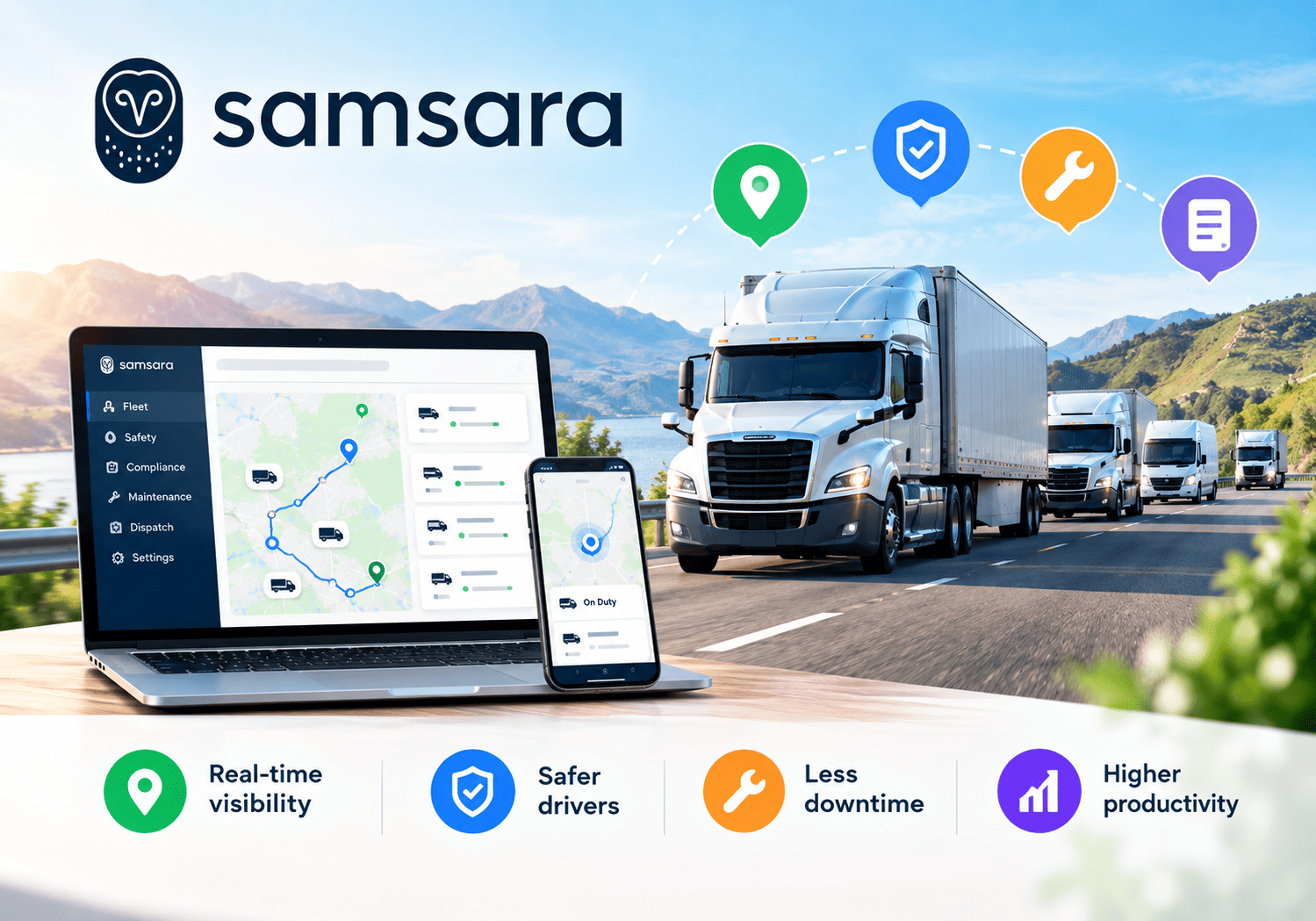
Managing Mixed Fleets with Verizon Connect
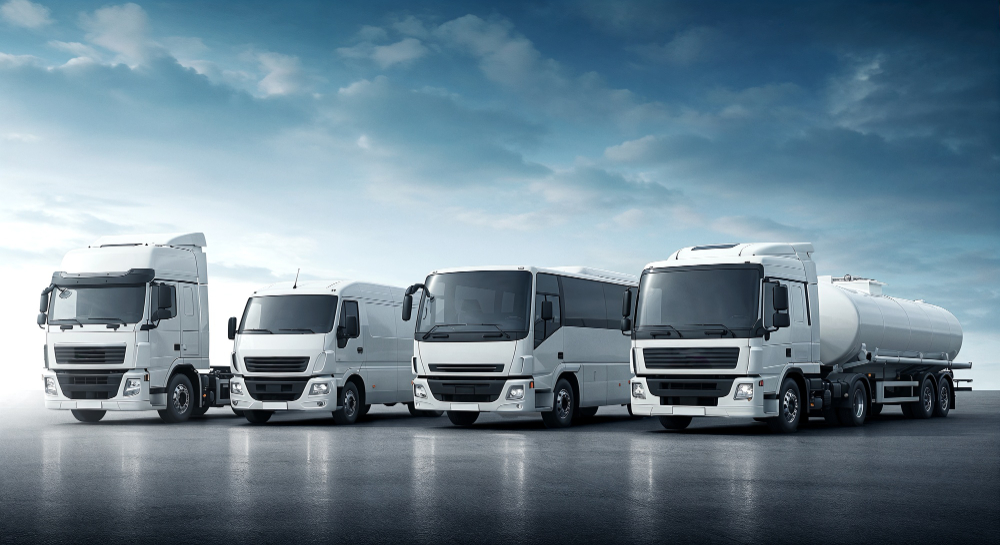
Very few fleets today run on a single type of vehicle. A construction company might operate pickup trucks, box trucks, and heavy equipment side by side. A delivery business might mix diesel vans with a growing number of electric vehicles. This blend of vehicle types, ages, and fuel systems is known as a mixed fleet, and it creates a unique challenge: how do you monitor, maintain, and optimize assets that don’t behave the same way?
This article explains what mixed fleet management actually involves and how Verizon Connect: Fleet Management Software and Solutions helps businesses bring that diversity under one operational view. We’ll also cover pricing, key features, common challenges, and how partnering with Solution for Guru can help your team implement and optimize the platform.
Table of contents
Quick Summary: What Do You Need to Know About Managing Mixed Fleets with Verizon Connect?
Here’s a snapshot before we go deeper into the details.
| Category | Details |
|---|---|
| What a mixed fleet is | A combination of vehicle types, sizes, fuel systems, or ages operating under one organization |
| Main challenge | Different vehicle classes have different maintenance cycles, compliance rules, and performance metrics |
| Platform | Verizon Connect, a fleet management and telematics software (formerly Fleetmatics) |
| Core capabilities | GPS tracking, dashcams, maintenance alerts, route optimization, compliance management, EV support |
| Best suited for | Transportation, construction, field service, and distribution businesses with 11-200+ vehicles |
| Pricing | Starts around $20 per vehicle, per month, with custom quotes for larger fleets |
| Standout strength | Unified visibility across light-duty, heavy-duty, and electric vehicles in one dashboard |
With the basics in view, let’s look at what mixed fleet management involves and why it’s become such a common operational reality.
What Is a Mixed Fleet, and Why Does Managing One Get Complicated?
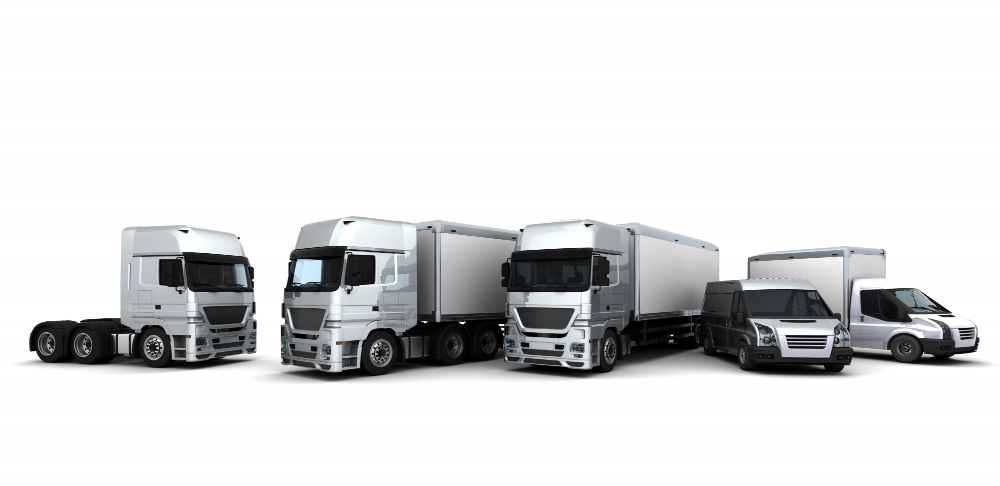
A mixed fleet includes more than one category of vehicle or equipment operating under the same business. This can mean different vehicle classes, such as sedans, vans, and heavy trucks; different fuel types, such as gasoline, diesel, and electric; or simply a blend of vehicle ages and makes accumulated over years of purchasing decisions. Consequently, no two vehicles in the fleet necessarily follow the same maintenance schedule, regulatory requirement, or performance benchmark.
Why Do Different Vehicle Classes Need Different Management Approaches?
Light-duty vehicles typically follow mileage-based maintenance and standard state registration cycles, while heavier trucks and specialized equipment often require inspections measured in engine hours and separate compliance mandates. A sedan might need an oil change every 7,500 miles, whereas a piece of heavy equipment needs service every 250 engine hours. Applying a single maintenance calendar across both types, without separating them by class, is where many fleets start missing service windows or racking up unnecessary downtime.
How Do Electric Vehicles Add Another Layer of Complexity?
As more companies begin adopting EVs alongside their existing gas or diesel vehicles, fleet managers face a new dimension entirely. Instead of tracking fuel consumption and engine diagnostics alone, they also need visibility into battery state of charge, charging session history, and EV-specific range planning. Because most organizations transition to electric vehicles gradually rather than all at once, EVs and internal combustion vehicles typically operate together for years, which means any fleet management platform needs to handle both categories fluently, not as an afterthought bolted onto a system built for one vehicle type.
How Do Vehicle Age and Make Add to the Complexity?
Beyond vehicle class and fuel type, many fleets also carry a blend of vehicle ages and manufacturers, often accumulated over years of separate purchasing decisions rather than a single coordinated rollout. Older vehicles may lack the onboard diagnostics or connectivity that newer models offer natively, which can complicate efforts to standardize tracking across the fleet. Different makes and models also carry different manufacturer-recommended service intervals, meaning a fleet manager can’t rely on a single rule of thumb to know when any given vehicle needs attention. This variety, while often unavoidable given budget cycles and vehicle availability, adds yet another layer that a fleet management platform needs to account for rather than ignore.
What Is Verizon Connect: Fleet Management Software and Solutions, and How Does It Fit Into This Picture?

This is exactly the gap that Verizon Connect: Fleet Management Software and Solutions is designed to close. Verizon Connect, formerly known as Fleetmatics, is a telematics and fleet management platform that brings vehicle tracking, driver safety monitoring, maintenance alerts, and compliance tools into a single dashboard. Rather than forcing fleet managers to run separate systems for different vehicle categories, the platform consolidates tracking data across the entire vehicle mix, from light-duty service trucks to heavy equipment and electric vehicles.
Because Verizon Connect’s live mapping and replay tools are built to handle high-density, varied fleets, businesses can monitor the precise location, heading, and ignition status of every vehicle from one interface, regardless of vehicle type. This unified approach directly addresses the core problem mixed fleets create: fragmented visibility across systems that don’t talk to each other.
Who Typically Relies on Verizon Connect for Mixed Fleet Operations?
Verizon Connect serves industries where vehicle diversity is the norm rather than the exception, including transportation, construction, wholesale distribution, and field service businesses. These organizations tend to operate a combination of vehicle types by necessity, since construction crews need both pickup trucks and heavy machinery, while distribution companies mix delivery vans with larger trucks. Businesses with medium to large fleets, generally in the range of 11 to 200 or more vehicles, tend to see the clearest benefit, since manual tracking becomes unmanageable well before that point.
How Does Verizon Connect’s Enterprise Offering Extend to Larger, Multi-Regional Fleets?
For organizations operating across multiple regions or business units, Verizon Connect also offers an enterprise-focused version of its platform that connects field operations and back-office teams through a single system. Rather than managing operational silos across different locations, multi-regional organizations get one platform to coordinate assets, optimize driver schedules, and streamline workflows across the entire operation. This scalability matters particularly for mixed fleets, since a company expanding into new regions often inherits additional vehicle types along the way, whether through acquisitions, regional equipment needs, or local vendor relationships. Having a platform that scales alongside that growing complexity avoids the need to re-platform every time the vehicle mix changes.
How Does Verizon Connect Track and Manage Different Vehicle Types?
Bringing a mixed fleet under one platform requires more than a single tracking feature. Verizon Connect combines several tools that, together, adapt to the specific needs of each vehicle class.
How Does GPS Tracking Work Across a Mixed Fleet?
Verizon Connect’s GPS tracking software provides a near real-time, 360-degree view of daily operations across the entire fleet. Fleet managers can watch vehicle location, heading, and ignition status update live on a single map, regardless of whether that vehicle is a delivery van, a heavy truck, or an electric passenger vehicle. The platform’s live mapping and replay tools let managers review historical routes as well, which helps identify inefficient driving patterns or unauthorized stops across any vehicle type in the fleet.
How Does Verizon Connect Handle Maintenance for Different Vehicle Classes?
Diagnostic tracking allows fleet managers to monitor the health and performance of each vehicle individually, rather than applying a blanket maintenance schedule across the whole fleet. This distinction matters significantly for mixed fleets, since a sedan’s oil-change interval has little relevance to a piece of heavy equipment’s engine-hour-based service schedule. By tracking vehicle-specific diagnostics, Verizon Connect helps fleet managers catch developing issues early and schedule maintenance according to each vehicle’s actual usage pattern, reducing unplanned breakdowns.
How Does the Platform Support Driver Safety Across Varied Vehicle Types?
AI-powered dashcams record footage continuously once a vehicle starts, and they can also trigger recordings automatically during hard braking, sudden acceleration, or harsh cornering. These events generate real-time alerts to drivers, helping improve safety behavior across the fleet regardless of vehicle size or type. In the event of an accident, the recorded footage helps determine fault and root cause, which matters especially for mixed fleets where liability and insurance considerations often differ between light-duty and heavy-duty vehicles.
How Does Asset Tracking Extend Beyond Vehicles Alone?
Mixed fleets frequently include more than just powered vehicles. Trailers, generators, and other non-powered equipment often move between job sites alongside the vehicles that transport them, yet these assets don’t always receive the same tracking attention as the trucks hauling them. Verizon Connect’s asset tracking tools extend visibility to this equipment as well, helping fleet managers confirm that trailers or specialized machinery are where they’re supposed to be, rather than discovering a missing asset only when a crew arrives at a job site to find it absent. For industries like construction and utilities, where equipment represents a significant capital investment, this extended visibility reduces both loss and unnecessary downtime.
How Does Verizon Connect Handle Electric Vehicles Within a Mixed Fleet?

As fleets add EVs alongside their existing vehicles, they need visibility into an entirely different set of metrics than fuel-based tracking provides. Verizon Connect has been recognized as an EV Fleet Innovator, reflecting its focus on supporting the electrification trend without requiring businesses to run a separate system for their EVs.
What Should Fleet Managers Track Differently for EVs Versus Gas or Diesel Vehicles?
Traditional vehicles depend on fuel consumption and engine diagnostics, while EVs depend on battery state of charge, charging session history, and range planning. A platform built for mixed fleets needs to surface both data types side by side, so a manager comparing cost-per-mile or utilization rates across the fleet isn’t forced to pull numbers from two disconnected systems. Because averaging performance data across dissimilar vehicle types can mask which specific vehicles are underperforming, reporting needs to break down by vehicle category, not just by the fleet as a whole.
Why Do Most Fleets Transition to EVs Gradually Rather Than All at Once?
Replacing an entire fleet with electric vehicles overnight is rarely practical, given budget cycles, charging infrastructure limitations, and route suitability considerations. As a result, most organizations phase in EVs by first identifying vehicles with predictable routes and reliable charging access, often starting with support trucks or local service vehicles before considering heavy-duty or long-distance units. This phased approach means fleets typically operate a genuine mix of EVs and combustion vehicles for years, reinforcing why a unified telematics platform matters so much during that transition period.
How Does Verizon Connect Support Compliance Across Different Vehicle Classes?
Regulatory requirements rarely apply evenly across a mixed fleet. Heavier trucks often carry separate inspection mandates and hours-of-service rules that don’t apply to lighter vehicles, while some regions now require a growing percentage of fleets to operate low-emission vehicles under clean-fleet mandates.
How Does the Platform Help Prevent Compliance Gaps?
Verizon Connect’s compliance management tools help fleets track electronic logging device (ELD) requirements, hours-of-service records, and inspection schedules relevant to each vehicle class. Instead of tracking these requirements manually across spreadsheets, or worse, applying one compliance calendar to every vehicle regardless of class, the platform separates tracking by vehicle type. This distinction reduces the risk of missed inspections or accidental violations that tend to occur when heavy-duty and light-duty compliance rules get blended together carelessly.
Why Do Clean-Fleet Mandates Complicate Compliance Further?
Beyond standard inspection and hours-of-service rules, a growing number of regions now require fleets to operate a minimum percentage of low-emission vehicles, with these mandates often applying differently depending on vehicle weight class. A regulation requiring a certain share of light-duty vehicles to be zero-emission, for instance, may carry entirely separate timelines and thresholds for heavy-duty trucks. Tracking these overlapping, class-specific requirements manually across spreadsheets creates real risk of expensive fines or operational delays. By centralizing vehicle data and applying compliance rules at the vehicle-class level, Verizon Connect helps fleet managers stay ahead of these evolving mandates rather than discovering a gap during an audit.
What Reporting and Route Optimization Tools Does Verizon Connect Offer?
Beyond tracking and compliance, Verizon Connect gives fleet managers the analytical tools needed to turn raw vehicle data into operational decisions.
How Does Route Optimization Work for a Fleet With Different Vehicle Sizes?
Route optimization becomes considerably more complex once a fleet mixes vehicle sizes, since a route that works well for a small van might be inaccessible or inefficient for a heavier truck. Verizon Connect’s route optimization tools account for these differences, helping dispatchers assign the right vehicle to the right job while reducing unnecessary mileage. This directly supports fuel savings, and according to one Verizon Connect client, Sonoco Recycling, reducing idle time alone helped the company save more than $100,000 in fuel costs.
What Kind of Reporting Does Verizon Connect Provide?
The platform generates detailed reports covering driver behavior, vehicle utilization, idle time, and speed exceptions, among other metrics. Because these reports can be filtered by vehicle or vehicle group, fleet managers overseeing a mixed fleet can compare performance within a vehicle class rather than averaging results across dissimilar vehicle types, which would otherwise obscure meaningful patterns.
How Should Fleet Managers Use Cost-Per-Mile Data Across Vehicle Types?
Cost-per-mile is one of the most useful metrics for comparing efficiency across a mixed fleet, but only when fleet managers calculate and review it separately for each vehicle category. A light-duty electric van, for example, often shows a dramatically lower cost-per-mile than a diesel-powered heavy truck, not because poor management explains the gap, but because the two vehicle types serve entirely different purposes and carry different operating costs by nature. Verizon Connect’s reporting tools allow managers to segment this data accordingly, which supports more accurate budgeting decisions and helps justify future vehicle purchases, whether that means expanding the EV portion of the fleet or investing in additional heavy equipment.
How Much Does Verizon Connect Cost, and What Integrations Does It Support?

Verizon Connect doesn’t publish set pricing online, since costs depend on fleet size, contract length, and which features a business selects. That said, published estimates and third-party reviews give a general sense of what to expect.
| Category | Details |
|---|---|
| Starting price | Around $20 per vehicle, per month |
| Pricing structure | Custom quotes based on fleet size, contract length, and feature set |
| Common integrations | Fuel cards, payroll systems, QuickBooks, GIS tools, and other back-office software |
| Integration methods | Verizon Connect Marketplace, APIs, and webhooks |
Because pricing isn’t published upfront, businesses evaluating Verizon Connect should request a demo and be specific about their vehicle mix, since a fleet combining EVs, light-duty vehicles, and heavy equipment may need a different feature set, and therefore a different quote, than a fleet made up of a single vehicle type.
What Are the Pros and Cons of Using Verizon Connect for a Mixed Fleet?

Weighing these trade-offs helps set realistic expectations before adopting the platform.
| Pros | Cons |
|---|---|
| Unified dashboard across light-duty, heavy-duty, and electric vehicles | Pricing can climb quickly for larger fleets or premium features |
| AI-powered dashcams improve driver safety and accident investigation | Some customers report inconsistent support responsiveness |
| Route optimization accounts for differences in vehicle size and constraints | Pricing isn’t published, requiring a sales conversation for exact costs |
| Strong compliance tools for ELD and hours-of-service tracking | Learning curve can be steep given the platform’s breadth of features |
| Broad integration marketplace connecting to accounting and payroll tools | Advanced features may be unnecessary for very small, uniform fleets |
| Recognized as an EV Fleet Innovator for supporting electrification | Reviews mention a mixed track record on customer communication |
Who Should Consider Using Verizon Connect for Their Mixed Fleet?
Verizon Connect tends to work best for specific operational profiles.
- Transportation and logistics companies running a combination of vans, trucks, and trailers
- Construction businesses managing both vehicles and heavy equipment on the same job sites
- Field service organizations with technicians using different vehicle types across territories
- Fleets transitioning to electric vehicles that need EV and combustion tracking in one system
- Medium to large fleets, generally between 11 and 200 or more vehicles, where manual tracking becomes impractical
Smaller, highly uniform fleets, such as a business running five identical delivery vans, may find simpler and cheaper tracking tools sufficient, since they won’t need the depth of cross-vehicle-class features Verizon Connect provides.
What Should a Business Evaluate Before Committing to the Platform?
Before signing a contract, fleet managers should request a demo tailored to their actual vehicle mix rather than a generic walkthrough, since the platform’s value comes largely from how well it handles the specific combination of vehicle types a business runs. It’s also worth asking vendors directly about EV support, cross-class reporting, and integration options with existing accounting or payroll systems, since these are the areas where a platform built for uniform fleets tends to fall short.
Conclusion: Is Verizon Connect the Right Choice for Managing Your Mixed Fleet?
Managing a mixed fleet means juggling different maintenance schedules, compliance requirements, and performance metrics across vehicle types that often have little in common beyond sharing the same company logo. Verizon Connect: Fleet Management Software and Solutions addresses this challenge by bringing GPS tracking, maintenance alerts, driver safety tools, and compliance management into one platform capable of handling light-duty vehicles, heavy equipment, and electric vehicles side by side.
For transportation, construction, and field service businesses running 11 or more vehicles across multiple categories, Verizon Connect offers the kind of unified visibility that manual tracking or single-purpose tools simply can’t match. Businesses that want to implement the platform correctly from the outset, particularly those navigating an EV transition alongside their existing fleet, should also consider partnering with Solution for Guru to configure the system, connect it to existing business tools, and keep optimizing performance as the fleet continues to evolve.
Frequently Asked Questions
Yes. Verizon Connect is recognized for supporting fleet electrification and can track EVs alongside gasoline and diesel vehicles within the same platform, giving managers visibility into both fuel consumption and battery-related metrics from one dashboard.
Verizon Connect generally suits medium to large fleets, typically starting around 11 vehicles, where the complexity of a mixed vehicle mix justifies the platform’s depth of features. Smaller, uniform fleets may find simpler tracking tools more cost-effective.
No. Verizon Connect uses custom quotes based on fleet size, contract length, and the specific features a business needs, which is common across the fleet management software industry. Businesses should request a demo and share details about their vehicle mix to receive an accurate quote.
What Are the Benefits of Partnering With Solution for Guru When Implementing Verizon Connect?
Rolling out a fleet management platform across a diverse vehicle mix takes more than signing up for a subscription. Solution for Guru is a technology consulting agency specializing in CRM, payroll, and project management integrations, and that same integration expertise applies directly to fleet management software like Verizon Connect. Working with an experienced implementation partner offers several practical advantages.
- Structured onboarding by vehicle class: Solution for Guru can help configure separate maintenance templates, compliance rules, and reporting groups for each vehicle category, so light-duty, heavy-duty, and electric vehicles are set up correctly from day one.
- Custom integrations: Since Verizon Connect connects to back-office systems through APIs, webhooks, and its marketplace, Solution for Guru’s integration experience helps link fleet data to existing tools like accounting software, CRMs, or fuel card programs.
- EV transition planning: As fleets add electric vehicles gradually, Solution for Guru’s AI and automation expertise can help build dashboards and alerts that make sense of combined EV and combustion vehicle data.
- Ongoing optimization: Beyond initial setup, the agency provides continued tech consulting, helping fleet managers refine route optimization and compliance reporting as the vehicle mix evolves over time.
- Consolidated technology support: Because Solution for Guru also offers web development, SEO, and cybersecurity services, fleet operators can rely on a single partner across multiple parts of their technology stack rather than juggling several vendors.
For fleets that want to avoid the steep learning curve some Verizon Connect users report, bringing in a partner like Solution for Guru can shorten the path to accurate, fleet-wide visibility.
Recommended
- How Verizon Connect Improves Driver Accountability
- How Motive Helps Schedule Preventive Maintenance
- How Samsara Improves Fleet Productivity
- How Fleet Managers Use Motive for Compliance Reporting
- How Motive Improves Dispatcher Efficiency
- How Motive Helps Reduce Fleet Operating Costs
- Azuga Review: Features, Pros, Cons, and Best Use Cases
- What Is Azuga Fleet Management Software? A Complete Guide
- Top Reasons Businesses Choose Motive Fleet Management
- Samsara Review: Features, Pros, Cons, and Best Use Cases
- What Is Samsara GPS Fleet Tracking Software?
- Verizon Connect Review: Features, Pros, Cons, and Best Use Cases
- What Is Verizon Connect Fleet Management Software?
- Motive Pricing Plans Explained: How Much Does Motive Cost?
- What Is Motive Fleet Management?
- Offline Tracking: How Do Devices Store Data Without Connectivity?
- Real-Time Tracking vs Passive Tracking: What Are the Key Differences?
- How Vehicle Tracking Systems Reduce Commercial Auto Insurance Costs
- How Does GPS Tracking Work: Satellites, Signals, and Software?