How Whitevision Helps Finance Teams Manage High Document Volumes

Finance teams rarely complain about having too few invoices. The real problem is the opposite: a flood of purchase invoices, receipts, and supporting documents arriving in different formats, through different channels, all needing to be checked, coded, and approved before payment goes out. When that volume grows faster than the team processing it, errors creep in, payments slip past due dates, and month-end close stretches longer than it should.
This article explains why high document volumes create so much friction for finance departments, and how Whitevision B.V. addresses that friction directly. We’ll walk through how Whitevision automates invoice recognition, enables mobile receipt capture, streamlines approval workflows, connects to existing accounting systems, and gives finance leaders centralized visibility over spend. Finally, we’ll cover how partnering with Solution for Guru can help finance teams implement and get more value from the platform.
Table of contents
Quick Summary: What Do You Need to Know About Whitevision?
Here’s a snapshot before we go deeper into the details.
| Category | Details |
|---|---|
| What it is | Cloud-based invoice and document processing automation software |
| Core focus | Automating accounts payable (AP), from document capture through approval |
| Key capabilities | OCR and AI-based invoice recognition, mobile receipt capture, digital approval workflows, ERP integrations, centralized dashboards |
| Customer base | More than 2,250 customers relying on the platform to process purchase invoices |
| Best suited for | Finance and accounting teams handling large or growing volumes of invoices and receipts |
| Deployment | Cloud solution, with hosting and updates included in the monthly fee |
| Standout strength | Uniform processing of every invoice type, regardless of format or entry channel |
With the essentials covered, let’s look at why document volume becomes such a serious operational challenge for finance teams in the first place.
Why Do High Document Volumes Create Problems for Finance Teams?
As a business grows, so does the number of invoices, receipts, and supporting documents flowing into the finance department. Without the right systems in place, this growth doesn’t scale smoothly. Instead, it multiplies the manual effort required at every step of the accounts payable process.
What Happens When Invoices Are Processed Manually?
Manual invoice processing typically involves someone opening an email or envelope, keying data into an accounting system by hand, checking it against a purchase order, and routing it for approval before payment. Each of these steps introduces the possibility of human error, whether that means a mistyped amount, a missed VAT calculation, or a duplicate payment. As volume increases, so does the time finance staff spend on this repetitive work, leaving less capacity for higher-value tasks like cash flow analysis or financial planning.
How Do Different Document Formats Complicate Things Further?
Invoices rarely arrive in just one format. A finance team might receive PDF attachments, scanned paper invoices, structured XML e-invoices, and photographed receipts from employees, sometimes all within the same week. Consequently, teams without a unified process end up handling each format differently, which creates inconsistency and makes it harder to track where any single document sits in the approval pipeline. This is precisely the kind of fragmentation that high-volume finance teams need to eliminate if they want predictable, efficient operations.
How Does Document Volume Affect Month-End Close?
Month-end close depends heavily on finance teams having an accurate, complete picture of outstanding liabilities and processed expenses. When invoices sit unprocessed in an inbox or a physical tray because staff couldn’t keep pace with volume during the month, close inevitably takes longer, since accruals and reconciliations depend on data that hasn’t been entered yet. This delay compounds over time: a team that consistently falls behind on daily invoice processing tends to see that backlog resurface every single month, turning what should be a routine close process into a recurring scramble.
How Is Whitevision B.V. Related to Solving the High-Document-Volume Challenge?

This is where Whitevision B.V. enters the picture. Whitevision is a document processing automation platform built specifically to help finance teams handle exactly the kind of volume and format inconsistency described above. Rather than treating each incoming invoice type differently, Whitevision ensures uniform processing of every document, regardless of how it enters the organization, whether by email, upload, scan, or structured e-invoice.
The platform brings together several capabilities that work in concert: automated document capture and recognition, mobile receipt capture through its app, configurable approval workflows, integrations with existing accounting and ERP systems, and centralized dashboards that give finance leaders visibility into where every document stands. Together, these features directly answer the core challenge this article addresses, turning a chaotic, high-volume inbox into a structured, trackable process.
Who Typically Relies on Whitevision to Manage Document Volume?
Whitevision serves finance and accounting teams across industries, though it’s particularly valuable for organizations processing a large or fast-growing number of purchase invoices each month. More than 2,250 customers currently use the platform, spanning businesses that need to eliminate repetitive, manual invoice handling and replace it with a consistent, automated process. Because the platform integrates closely with several established ERP systems, it tends to appeal to finance teams that already rely on a specific accounting package and want automation layered on top, rather than replacing their existing financial software entirely.
How Does Whitevision Differ From General-Purpose OCR Tools?
Plenty of software products can extract text from a scanned document, but general OCR alone doesn’t solve the finance-specific challenges of accounts payable. Whitevision goes further by combining OCR output with AI-based booking suggestions, purchase order matching, and cost allocation logic tailored specifically to finance workflows. In other words, the platform doesn’t just digitize a document; it interprets that document within the context of an organization’s chart of accounts, approval hierarchy, and vendor records. This distinction matters because a generic OCR tool still leaves finance staff to manually code and route every invoice, whereas Whitevision automates that entire downstream process.
How Does Whitevision Automate Invoice and Receipt Capture?
Automation sits at the center of what Whitevision offers, and it starts the moment a document enters the system, well before a human ever reviews it.
How Does OCR and AI Recognition Work Inside Whitevision?
When an invoice arrives, whether as a scanned image, a PDF, or a structured XML file, Whitevision’s software uses optical character recognition (OCR) alongside artificial intelligence to read and interpret both header and line-item data automatically. The system generates booking suggestions based on this recognized data, and where an XML message is available alongside a PDF, it enriches the OCR output with that structured data for even greater accuracy. Additionally, the platform can automatically allocate costs to purchase orders, projects, cost centers, or general ledger accounts, removing another layer of manual coding that would otherwise fall to finance staff.
How Does Mobile Receipt Capture Help Finance Teams?
Beyond incoming supplier invoices, finance teams also need to manage employee expense receipts, which historically pile up in shoeboxes or scattered email threads. Whitevision addresses this through its mobile app, which lets employees scan receipts directly from their phone, wherever they happen to be. Because this capture happens at the point of purchase rather than weeks later during expense reporting, the data tends to be more accurate and complete, and finance teams spend less time chasing down missing receipts or clarifying unclear charges after the fact.
How Do Approval Workflows Work Inside Whitevision?
Even with automated data capture, invoices still need human review before payment goes out. Whitevision‘s workflow tools are designed to make that review process fast and traceable, rather than dependent on email chains or physical paper trails.
How Does Digital Routing Reduce Bottlenecks?
Once an invoice is recognized and coded, Whitevision routes it automatically to the appropriate approver based on configured rules, such as department, cost center, or amount threshold. Approvers can review and approve invoices directly through the Whitevision app, from anywhere, which removes the delay that typically happens when an approver is traveling or working from a different office. Because the entire approval history is logged within the system, finance teams also gain a clear audit trail showing who approved each invoice and when, which matters both for internal controls and external audits.
What Happens When an Invoice Includes Many Line Items?
Complex invoices with many individual line items, and their own VAT calculations, have traditionally required significant manual effort to break down and verify. Whitevision’s rule recognition feature addresses this specific pain point by automatically setting up booking rules for recurring invoice structures, so finance staff don’t need to recalculate VAT per line or manually split cost invoices every time a similar document arrives. This particular capability becomes increasingly valuable as document volume grows, since the time savings compound across every high-line-count invoice the system processes.
How Do Approval Thresholds Prevent Unnecessary Bottlenecks?
Not every invoice needs the same level of scrutiny before payment. Whitevision allows organizations to configure approval thresholds so that low-value, routine invoices route through a lighter review process, while larger or unusual invoices trigger additional approval steps. This tiered approach prevents finance staff and department managers from spending equal time reviewing a small recurring subscription charge and a significant capital purchase. As invoice volume grows, this kind of threshold-based routing becomes essential, since treating every invoice identically regardless of size or risk quickly overwhelms approvers with low-priority requests.
How Does Whitevision Integrate With Accounting and ERP Systems?

Automation only delivers real value when the processed data flows directly into the systems finance teams already use, rather than creating yet another disconnected tool to check.
Which ERP Systems Does Whitevision Connect With?
Whitevision maintains close partnerships with several established ERP providers, offering integrations that let processed invoice data post directly into a company’s existing accounting environment. For example, the platform connects with both Exact Online and Exact Globe, and it retrieves accounts payable files directly from AFAS, ensuring invoices are always linked to the correct creditor record automatically. Because these integrations run in both directions, changes made in the ERP system, such as updated vendor details, stay synchronized with Whitevision’s processing rules, reducing the risk of invoices being coded against outdated supplier information.
How Does the Email Handler Simplify Document Intake?
Many finance teams receive a substantial share of their invoices through email, often as attachments buried within lengthy message threads. Whitevision’s email handler tool automatically splits, combines, and moves attachments or digital purchase invoices out of the inbox and into the processing pipeline, eliminating the manual sorting that would otherwise consume staff time every single day. This matters particularly for organizations juggling high email volume, since the alternative, having someone manually open and forward every invoice email, doesn’t scale as document volume grows.
How Does Whitevision Handle Duplicate or Erroneous Invoices?
High document volume also increases the likelihood that duplicate invoices slip through, whether because a supplier resent an invoice or because the same document arrived through two different channels. Because Whitevision processes every invoice through the same standardized recognition and matching pipeline, the system can flag potential duplicates based on invoice number, amount, and vendor before payment gets approved. Catching these issues automatically, rather than relying on a staff member to notice a familiar-looking invoice number by memory, becomes increasingly important as monthly volume climbs into the hundreds or thousands of documents.
How Does Whitevision Provide Centralized Expense Visibility?
Beyond processing individual invoices, finance leaders also need a clear, aggregate view of spend across the organization, which is where Whitevision’s dashboard and reporting tools come into play.
What Dashboards and Reporting Tools Are Available?
Whitevision includes a dashboard that shows the status of ongoing processes, flags current incidents, and tracks past activity across the entire invoice pipeline. Rather than checking individual invoices one at a time, finance managers can view how many documents are awaiting approval, which ones are overdue, and where bottlenecks are forming, all from a single screen. Because every action within the system gets logged, including user access and changes made, finance teams also retain a detailed audit record that supports compliance requirements and internal reviews.
Why Does Centralized Visibility Matter More as Volume Grows?
When a finance team processes a handful of invoices each week, tracking status manually is manageable. Once volume climbs into the hundreds or thousands per month, however, that manual tracking approach breaks down quickly, and invoices start slipping through the cracks without anyone noticing until a supplier calls asking about a late payment. Centralized visibility through Whitevision’s dashboard prevents this by surfacing problems proactively, giving finance leaders the chance to intervene before a missed approval turns into a strained supplier relationship.
What Benefits Does Whitevision Offer High-Volume Finance Teams?

Bringing automation, mobile capture, workflow routing, integrations, and visibility together produces several concrete benefits for finance departments managing significant document volume.
- Faster invoice processing: Automated recognition and routing reduce the time between receiving an invoice and getting it approved for payment.
- Fewer manual errors: OCR and AI-based data extraction reduce the mistakes that come with manual keying, particularly for invoices with many line items.
- Improved supplier relationships: Faster, more reliable processing helps ensure invoices get paid on time, reducing friction with vendors.
- Better use of finance staff time: Automating repetitive data entry frees staff to focus on analysis and higher-value financial work.
- Stronger audit trails: Every approval and change gets logged automatically, supporting compliance and internal control requirements.
- Consistent handling across formats: Whether an invoice arrives as a PDF, scan, or XML file, it moves through the same standardized process.
What Are the Pros and Cons of Using Whitevision?

Weighing these trade-offs helps finance teams set realistic expectations before adopting the platform.
| Pros | Cons |
|---|---|
| Uniform processing across every invoice format | No free version is currently available |
| Strong ERP integrations with providers like Exact and AFAS | Pricing isn’t published, requiring direct contact for a quote |
| Mobile app supports both approvals and receipt capture on the go | Teams using unsupported ERP systems may need custom integration work |
| Automated rule recognition speeds up complex, multi-line invoices | No native API is offered, according to some third-party reviews |
| Cloud deployment includes hosting and updates in the monthly fee | Full benefits depend on integrating deeply with existing accounting workflows |
| Detailed dashboards support proactive bottleneck management | Initial setup requires mapping cost centers and approval rules accurately |
Who Should Consider Using Whitevision?

Whitevision tends to deliver the strongest results for specific finance team profiles.
- Finance departments handling growing invoice volume that manual processing can no longer keep up with
- Organizations receiving invoices in multiple formats, including PDFs, scans, and structured e-invoices
- Teams already using a supported ERP system, such as Exact Online, Exact Globe, or AFAS
- Businesses with complex, multi-line invoices that require significant VAT recalculation and cost allocation
- Finance leaders who need centralized visibility into approval status and spend across departments
Smaller organizations processing only a handful of invoices each month may not see enough volume-driven benefit to justify the investment, though even modest-sized finance teams often find value in mobile receipt capture and automated approvals as they plan for future growth.
How Do You Get Started With Whitevision?
Implementing Whitevision generally follows a consistent sequence, regardless of company size.
- Assess your current invoice volume and formats. Identify how many invoices arrive by email, post, or e-invoice each month.
- Confirm ERP compatibility. Verify that your existing accounting or ERP system, such as Exact or AFAS, connects natively with Whitevision.
- Configure approval workflows. Set up routing rules based on department, cost center, and approval thresholds.
- Set up cost allocation rules. Map recurring invoice types to the correct purchase orders, projects, or general ledger accounts.
- Roll out mobile capture to employees. Introduce the Whitevision app so staff can capture receipts and approve invoices remotely.
- Monitor the dashboard regularly. Use reporting tools to catch bottlenecks early and refine workflow rules as volume changes.
Following this sequence helps finance teams avoid a common pitfall: automating document capture before approval workflows and ERP mappings are configured correctly, which can create confusion rather than efficiency during the early rollout period.
Conclusion: Can Whitevision Solve Your Finance Team’s Document Volume Problem?
High document volume doesn’t have to mean chaotic, error-prone accounts payable operations. Throughout this article, Whitevision B.V. has served as the throughline connecting every solution back to the core challenge finance teams face: too many invoices, arriving in too many formats, moving through too many manual steps. By combining automated document recognition, mobile receipt capture, configurable approval workflows, deep ERP integrations, and centralized dashboards, Whitevision turns that chaos into a structured, trackable process.
For finance departments processing a growing or already substantial volume of purchase invoices, particularly those already running a compatible ERP system, Whitevision offers a clear path toward faster processing, fewer errors, and better visibility into organizational spend. Teams that want to implement the platform correctly from the start should also consider partnering with Solution for Guru, which can configure approval rules, connect existing accounting systems, and keep optimizing the setup as document volume continues to grow.
Frequently Asked Questions
Whitevision maintains close partnerships with several established ERP providers, including Exact Online, Exact Globe, and AFAS, offering deep native integrations with these systems. Organizations running a different ERP system should confirm compatibility directly with Whitevision or consider working with an integration partner to bridge the gap.
Yes. Whitevision’s mobile app lets employees scan and submit receipts directly from their phone, wherever a purchase happens. This mobile receipt capture reduces the delay and lost documentation that often occurs when employees wait until returning to the office to submit expenses.
While Whitevision delivers the clearest time savings for teams processing large invoice volumes, smaller finance departments can also benefit from features like mobile receipt capture and automated approval routing, particularly if they’re planning for future growth. The platform’s value scales with volume, but the underlying automation helps any team reduce manual, repetitive invoice handling.
What Are the Benefits of Partnering With Solution for Guru When Implementing Whitevision?
Choosing the right invoice automation platform is only the first step; configuring it to match your organization’s specific accounting structure is what determines whether it actually reduces workload. Solution for Guru is a technology consulting agency specializing in CRM, payroll, and accounts payable software integration, and that expertise applies directly to a Whitevision rollout. Partnering with an experienced implementation team offers several practical advantages.
- Accurate initial configuration: Solution for Guru can help map cost centers, approval hierarchies, and ERP connections correctly from day one, avoiding the rework that often follows a rushed setup.
- Custom ERP and accounting integrations: For finance teams running systems beyond Whitevision’s standard partnerships, Solution for Guru’s integration experience helps bridge that gap without disrupting existing accounting workflows.
- AI and automation expertise: Since Whitevision relies heavily on AI-driven recognition, Solution for Guru‘s automation background helps fine-tune rule recognition settings for complex or high-line-count invoices.
- Ongoing optimization: Beyond initial rollout, the agency provides continued tech consulting, helping finance teams refine workflows and dashboards as document volume and organizational structure evolve.
- Consolidated technology support: Because Solution for Guru also offers web development, SEO, and cybersecurity services, finance and IT departments can rely on a single partner across several parts of their technology stack.
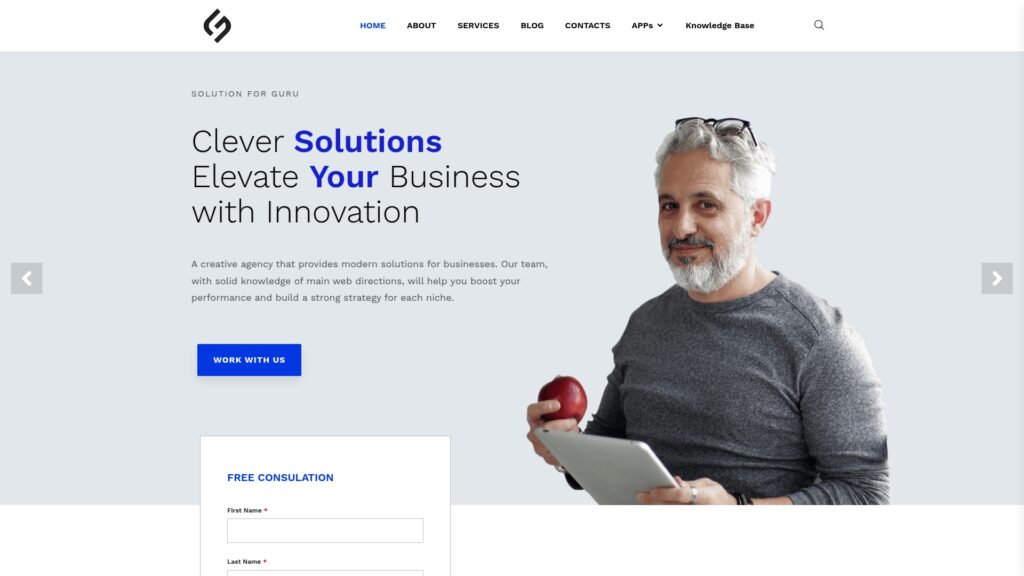
For finance teams that want Whitevision configured correctly from the outset, rather than discovering gaps in approval routing or ERP syncing months into use, working with a partner like Solution for Guru shortens the path to a smooth, reliable rollout.
Recommended:
- Employee Onboarding Best Practices with HoorayHR
- Integrating Whitevision with Accounts Payable Software
- Whitevision AI Document Processing: Common Business Use Cases
- What KPIs Should You Track in Expense Management?
- Zoho Expense Pricing Explained: Plans, Features, and Costs
- Whitevision vs Moss: Which Platform Fits Your Finance Workflow Better?
- Key Features of HoorayHR
- Zoho Expense Review: Pros, Cons, and Key Features
- HoorayHR ROI: How Businesses Save Time with HR Automation
- How Long Does It Take to Implement HoorayHR?
- HoorayHR Review: Features, Pros, Cons, and Best Use Cases
- What Is HoorayHR? A Complete Overview
- Best Expense Automation Software: Which Platform Fits Your Business?
- What ROI Can Businesses Expect From Expense Automation Software?
- Multi-Currency Expense Management with Zoho Expense
- What Is Zoho Expense and How Does It Work?
- What Are the Biggest Challenges in Multi-Entity Expense Management?
- Whitevision vs Traditional Invoice Processing: What Changes?
- What Is Whitevision and How Does It Work?
- What Is Expense Management Software and Why Do Companies Need It?