Benefits of Using Samsara for Fleet Management
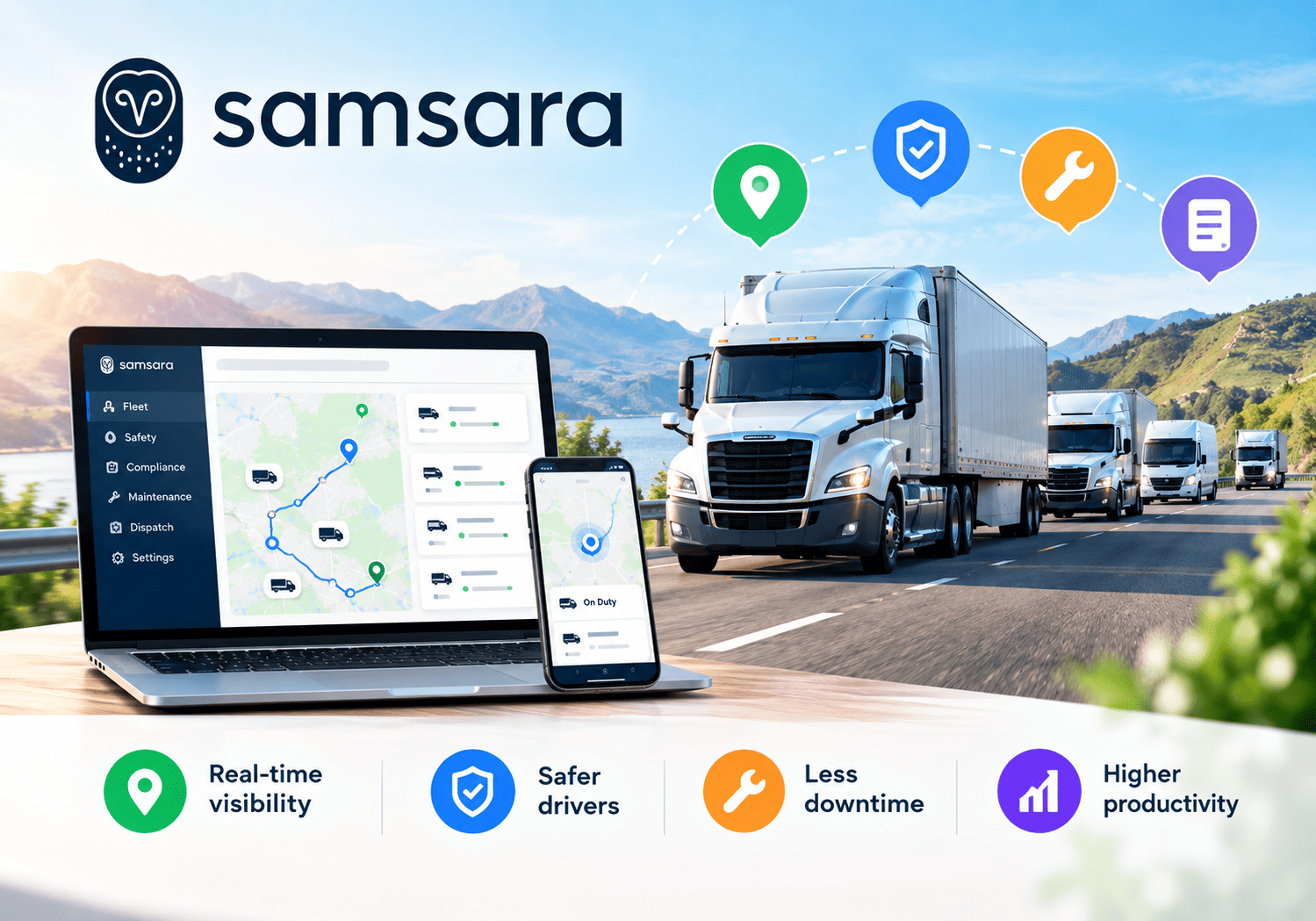
Running a fleet without reliable visibility feels like driving at night with the headlights off. Fuel costs creep up, maintenance gets reactive instead of planned, and safety incidents happen before anyone spots the warning signs. The right telematics platform changes that picture entirely, giving fleet managers live data instead of guesswork.
Rising fuel prices, tighter compliance rules, and growing customer expectations for accurate delivery windows all push fleets toward better technology. A manager working from outdated spreadsheets and radio check-ins simply cannot react as fast as one watching a live dashboard update every second. This article breaks down the concrete benefits fleet managers gain from a modern, connected platform, why real-time visibility matters more than ever as fuel and labor costs keep rising, and how a specialized implementation partner can help a fleet capture that value faster.
Table of contents
What Will You Learn From This Quick Summary?
Before going into detail, here is a quick overview of what this guide covers:
- Why fleet managers need real-time visibility instead of manual tracking methods
- The core benefits of using a connected fleet platform, including safety, compliance, maintenance, and fuel efficiency
- How AI-powered dash cams and driver scoring change coaching conversations
- A comparison table summarizing the main benefit categories and who they help most
- Common mistakes fleets make during rollout and how to avoid them
- How partnering with a certified implementation expert like Solution For Guru speeds up adoption and return on investment
What Is Samsara – GPS Fleet Tracking Software, and Why Does It Matter?

Samsara – GPS Fleet Tracking Software consolidates GPS tracking, safety cameras, compliance tools, and maintenance data into one connected platform, rather than forcing fleet managers to juggle several disconnected systems. Because the platform collects location data continuously, managers see where every vehicle, trailer, and piece of equipment sits at any given moment, not just where it was during the last manual check-in.
This matters because fleet management decisions are only as good as the data behind them. A dispatcher rerouting a driver around traffic, a safety manager reviewing a near-miss, and a maintenance team scheduling a repair all rely on accurate, current information. Samsara – GPS Fleet Tracking Software brings that information into a single dashboard, which means fewer blind spots and faster reactions across the entire operation.
Furthermore, the platform scales from a handful of vehicles to thousands, which is why it serves small regional fleets as well as large national logistics operations. As a result, growing companies can adopt the same platform early and expand its use as the fleet grows, rather than switching systems every time the business reaches a new size threshold.
Beyond location tracking alone, the platform layers in safety cameras, compliance tools, and maintenance diagnostics, so different departments within the same company can pull the specific data they need from one shared source. A safety manager, a compliance officer, and a maintenance supervisor all work from the same underlying dataset, which keeps everyone aligned instead of relying on separate systems that rarely talk to each other.
Why Do Fleets Need Real-Time Visibility?
Traditional fleet management often relies on phone calls, paper logs, and after-the-fact reports. That approach works only until something goes wrong, at which point the delay in information becomes costly. As fleets grow beyond a handful of vehicles, this manual approach breaks down entirely, since no single person can track dozens of drivers, routes, and vehicle conditions through phone calls alone.
What Problems Does Poor Visibility Create?
Several recurring issues show up in fleets that lack real-time data:
- Delayed incident response: Managers learn about accidents or breakdowns hours after they happen.
- Reactive maintenance: Vehicles break down unexpectedly instead of getting serviced on schedule.
- Fuel waste: Idling, inefficient routes, and harsh driving go unnoticed and unaddressed.
- Compliance risk: Paper logs make it easy to miss hours-of-service violations or missed inspections.
Consequently, fleets that move to continuous, real-time monitoring typically cut response times, reduce unplanned downtime, and lower overall operating costs within the first few months of adoption.
What Are the Core Benefits of Using Samsara for Fleet Management?

Samsara – GPS Fleet Tracking Software delivers value across several distinct areas of fleet operations. The sections below cover the benefits that matter most to fleet managers on a daily basis.
How Does Real-Time GPS Tracking Improve Operations?
Samsara‘s GPS tracking collects location data every second, giving dispatchers a live view of every vehicle rather than a periodic snapshot. This continuous stream of data lets teams answer customer questions about arrival times accurately and reroute drivers around traffic or weather delays as conditions change.
Additionally, this visibility supports faster decision-making during disruptions. If a vehicle breaks down or a route becomes blocked, dispatchers can immediately identify the nearest available vehicle and reassign the job, rather than calling around to find out who is free.
This same visibility also improves the customer experience. Fleets can share live tracking links with customers, giving them an accurate arrival estimate instead of a vague delivery window. That transparency reduces the volume of “where is my delivery” calls that otherwise tie up dispatch staff throughout the day.
How Do AI-Powered Dash Cams Strengthen Driver Safety?
Dash cams paired with AI analytics detect risky behaviors such as harsh braking, distracted driving, and following too closely, then alert both the driver and the safety team in near real time. This immediate feedback loop helps correct risky habits before they lead to an accident, rather than only reviewing footage after an incident already occurred.
Moreover, recorded footage protects drivers from false liability claims after an accident, since objective video evidence settles disputes far faster than conflicting verbal accounts. Over time, this combination of coaching and protection tends to lower insurance premiums as accident rates decline.
Fleet managers also use aggregated safety scores to identify which drivers need extra coaching before a small habit turns into a serious incident. Rather than waiting for an accident report, managers can step in early, which shifts the entire safety program from reactive discipline toward proactive development.
How Does Samsara Support ELD and Regulatory Compliance?
Electronic logging device compliance is mandatory for many commercial fleets, and manual paper logs make violations easy to miss. Samsara‘s integrated ELD tools automatically track hours of service, which reduces the administrative burden on both drivers and back-office staff.
Because the system flags potential violations before they happen, fleet managers can intervene early rather than discovering a compliance gap during an audit. This proactive approach reduces the risk of fines and keeps drivers within legal driving limits.
Digital records also simplify audits considerably. Instead of digging through paper logs or scattered spreadsheets when a regulator requests documentation, fleet managers can pull accurate, timestamped records in minutes, which saves administrative time and reduces the stress that usually surrounds a compliance review.
How Does Route Optimization Reduce Costs?
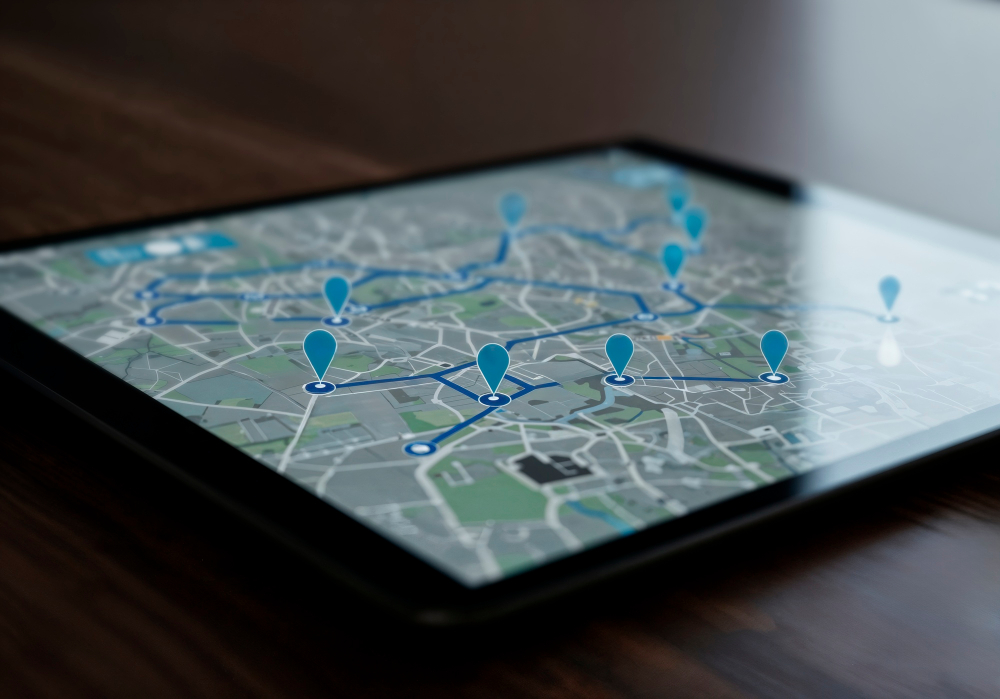
Manually planning routes for dozens of drivers wastes time and rarely accounts for real-time traffic conditions. Samsara’s route optimization tools generate efficient routes automatically, factoring in live traffic data and multiple stops along the way.
As a result, fleets typically see reduced mileage, lower fuel consumption, and shorter delivery windows, all of which compound into meaningful savings across a large vehicle fleet. Dispatchers can also adjust routes on the fly when conditions change, rather than sticking to a static plan that no longer fits reality.
Over a full year, even small per-route efficiency gains add up considerably across hundreds of daily trips. A fleet that shaves a few minutes and a few miles off each route saves substantially on fuel and labor costs by year-end, without requiring any change to the vehicles themselves.
How Does Predictive Maintenance Prevent Downtime?
Unexpected breakdowns cost far more than scheduled repairs, both in repair bills and in missed deliveries. Samsara continuously monitors engine diagnostics and vehicle health data, then alerts maintenance teams when a component shows early signs of trouble.
This shift from reactive to predictive maintenance means vehicles get serviced during planned downtime instead of stranding a driver on the road. Consequently, fleets extend vehicle lifespan while reducing the frequency of costly emergency repairs.
Scheduled maintenance also improves resale value over time, since well-maintained vehicles with documented service histories retain more value than those serviced only after something breaks. For fleets that regularly rotate vehicles out of service, this advantage adds up across the entire lifecycle of each asset.
How Does Fuel Monitoring Lower Operating Costs?
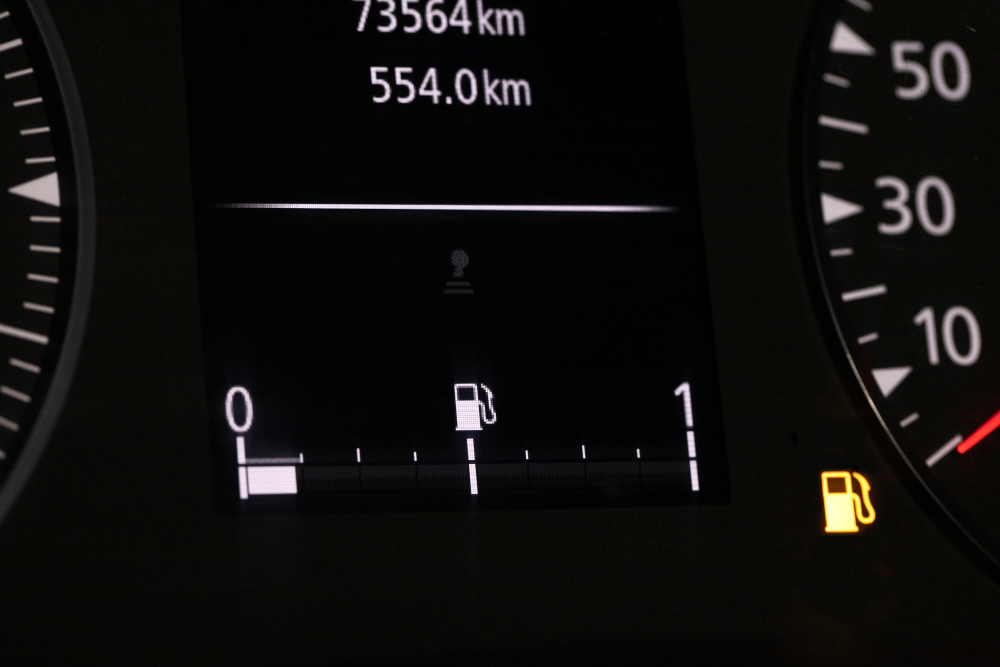
Fuel represents one of the largest ongoing expenses for any fleet, and inefficiencies often go unnoticed without proper tracking. Samsara analyzes fuel consumption patterns, idling time, and driving behavior to pinpoint exactly where waste occurs.
For example, if a specific route consistently shows higher fuel consumption than similar routes, that pattern points to either a routing issue or a driving behavior issue worth investigating. Either way, having the data available turns a vague cost problem into a specific, solvable issue.
Idling time deserves particular attention, since a truck sitting with its engine running during a delivery stop burns fuel without moving the business forward at all. Tracking idling minutes by driver and location makes it possible to set realistic reduction targets and measure whether coaching efforts actually change behavior over time.
How Does Asset Tracking Protect Equipment and Trailers?
Fleets do not only manage vehicles; they also manage trailers, containers, and equipment that can easily go missing or sit idle without anyone noticing. Samsara extends GPS tracking to these assets, sending alerts if something crosses a geofenced boundary unexpectedly.
This capability helps prevent theft and reduces the time spent searching for misplaced equipment. In addition, utilization data reveals which assets sit idle too often, which supports smarter purchasing decisions the next time the fleet needs to expand its equipment.
Seasonal businesses benefit particularly well from this feature, since trailers and specialized equipment often sit unused for months at a time between peak periods. Knowing exactly where each asset is located, rather than searching a yard or calling around to different depots, saves considerable time when that equipment needs to go back into service.
Which Samsara Benefit Matters Most for Each Fleet Priority?
The table below summarizes the main benefit categories so fleet managers can quickly match a business priority to the right capability.
| Benefit Area | What It Delivers | Best Used For |
|---|---|---|
| Real-Time GPS Tracking | Live vehicle and trailer location every second | Dispatch decisions and accurate customer ETAs |
| AI-Powered Dash Cams | Behavior alerts and recorded video evidence | Driver coaching and accident liability protection |
| ELD Compliance | Automated hours-of-service tracking | Avoiding regulatory fines and audit risk |
| Route Optimization | Traffic-aware, multi-stop route planning | Reducing mileage, fuel use, and delivery time |
| Predictive Maintenance | Early alerts on engine and vehicle health | Preventing breakdowns and extending vehicle life |
| Fuel Monitoring | Consumption and idling pattern analysis | Cutting fuel costs across the fleet |
| Asset Tracking | Location and utilization data for non-vehicle assets | Preventing theft and improving equipment planning |
What Mistakes Should Fleets Avoid When Adopting Samsara?
Even a strong platform can underdeliver if the rollout is rushed or poorly planned. A few recurring mistakes tend to slow down adoption and limit the return fleets see from their investment. Recognizing these pitfalls in advance makes it much easier to avoid them entirely.
Why Does Skipping Driver Buy-In Cause Problems?
Drivers sometimes view GPS tracking and dash cams as surveillance rather than support, which can create resistance during rollout. Fleets that explain the safety and liability benefits upfront, rather than simply installing hardware without context, typically see faster and smoother adoption across the driver pool. Framing the conversation around driver protection, rather than only monitoring, tends to shift attitudes considerably during the first few weeks after installation.
Why Does Ignoring the Data Waste the Investment?
Installing tracking hardware without regularly reviewing the resulting reports defeats the purpose of the platform. Fleet managers who schedule consistent time to review safety scores, fuel reports, and maintenance alerts capture far more value than those who let the dashboard sit unused between renewal cycles. Over time, an unused dashboard becomes an expensive line item rather than a tool that actively improves operations.
Why Does a One-Size-Fits-All Rollout Backfire?
Different vehicle types, routes, and driver roles benefit from different configurations. Applying identical alert thresholds and reporting setups across a diverse fleet often produces noise instead of useful signals, so tailoring the configuration to each vehicle segment tends to produce far more actionable data. A long-haul truck, a local delivery van, and a piece of yard equipment simply do not need the same alert settings to be useful.
How Can Fleets Get the Most Value From Samsara – GPS Fleet Tracking Software?
Getting hardware installed is only the first step; using the resulting data consistently is what actually improves fleet performance. A few practices help fleet managers extract maximum value from the platform.
- Set a regular review cadence for safety scores, fuel reports, and maintenance alerts, rather than checking the dashboard only when something goes wrong.
- Pair video coaching with positive reinforcement, recognizing safe drivers instead of only flagging risky behavior.
- Integrate maintenance alerts with the existing service schedule so repairs happen during planned downtime whenever possible.
- Review route optimization suggestions periodically, since traffic patterns and customer locations change over time.
- Track fuel and idling trends by vehicle and route, not just fleet-wide, to catch localized inefficiencies early.
Ultimately, a connected fleet platform delivers its full value only when the data feeds into daily decisions and coaching conversations, rather than sitting unused in a dashboard. Building that habit across the management team turns raw telematics data into consistent operational improvement.
It also helps to involve frontline supervisors, not just senior managers, in reviewing the data. Dispatchers and shift leads often notice patterns first, since they interact with drivers and vehicles throughout the day, and giving them access to relevant reports speeds up the feedback loop between an observed problem and a corrective action.
How Do These Benefits Translate Into Measurable ROI?

Individually, each benefit sounds useful; together, they compound into a measurable financial impact across the fleet. Fuel savings from route optimization and idling reduction lower the single largest recurring operating cost. Fewer accidents from AI-powered coaching translate directly into lower insurance premiums and less downtime spent on repairs and claims. Predictive maintenance extends vehicle lifespan, which delays capital spending on replacement vehicles.
Compliance automation removes the risk of costly fines while also freeing up administrative hours that previously went toward manual log audits. When fleet managers add these categories together, the total savings often justify the platform’s cost within the first year of full adoption, particularly for fleets that previously had little to no digital visibility into their operations.
Because these gains reinforce one another, it becomes difficult to isolate a single “best” benefit. A fleet that improves route efficiency also reduces fuel costs and driver fatigue at the same time, while a fleet that strengthens compliance also reduces legal and insurance exposure. Viewing the platform’s value as a connected system, rather than a list of separate features, gives a more accurate picture of its total business impact.
Conclusion: Why Do the Benefits of Samsara for Fleet Management Add Up?
Fleet managers who rely on outdated tracking methods eventually fall behind those working with continuous, real-time data. Samsara – GPS Fleet Tracking Software brings GPS tracking, driver safety monitoring, compliance tools, predictive maintenance, and fuel analytics together into one connected platform, which means managers no longer have to guess where a vehicle, a driver, or a cost problem actually stands.
By combining real-time visibility, AI-powered safety coaching, automated compliance, route optimization, and predictive maintenance, fleets reduce downtime, cut fuel costs, and improve driver safety at the same time. These benefits rarely operate in isolation; a fleet that improves route efficiency also tends to reduce fuel costs and driver fatigue simultaneously, since the gains reinforce one another across the operation.
And when a fleet wants to capture that value quickly without a long trial-and-error rollout, working with a partner such as Solution For Guru helps configure Samsara properly from the very beginning, avoiding the common setup mistakes that quietly limit adoption and return on investment. Altogether, Samsara – GPS Fleet Tracking Software proves itself as one of the most practical platforms for fleet managers who want decisions backed by live data rather than guesswork, and a well-planned rollout is what turns that potential into everyday results.
Frequently Asked Questions
Samsara serves fleets ranging from a handful of vehicles to thousands, which means both small regional operations and large national fleets benefit from the platform. Smaller fleets typically focus on GPS tracking and safety features first, while larger fleets tend to expand into predictive maintenance, asset tracking, and advanced compliance tools as their operations grow more complex. Regardless of size, the underlying value stays the same: replacing scattered manual processes with one connected source of real-time data.
Many fleets notice improvements in visibility and dispatch efficiency within the first few weeks, since real-time tracking and route optimization deliver immediate operational benefits. Greater improvements, such as reduced accident rates from driver coaching or lower maintenance costs from predictive alerts, typically become measurable over several months as enough data accumulates to establish clear trends. Fleets that partner with an implementation specialist during rollout tend to reach these measurable results faster, since the configuration is set up correctly from the start rather than adjusted through trial and error.
Yes. Samsara monitors electric and hybrid vehicles alongside traditional combustion vehicles, giving fleet managers the data needed to plan a gradual transition. This makes it possible to compare fuel and maintenance costs across vehicle types during the transition period, supporting a more informed, data-driven approach to fleet electrification. Fleet managers can track charging patterns and range performance alongside traditional fuel data, which makes it easier to plan which routes suit electric vehicles best during a mixed-fleet transition period.
Why Should Fleets Partner With Solution For Guru for Samsara Implementation?
Rolling out a fleet-wide telematics platform involves more than installing hardware. Configuring alert thresholds, integrating maintenance workflows, training drivers, and setting up reporting dashboards all require careful planning. This is where working with a specialized partner like Solution For Guru makes a measurable difference.
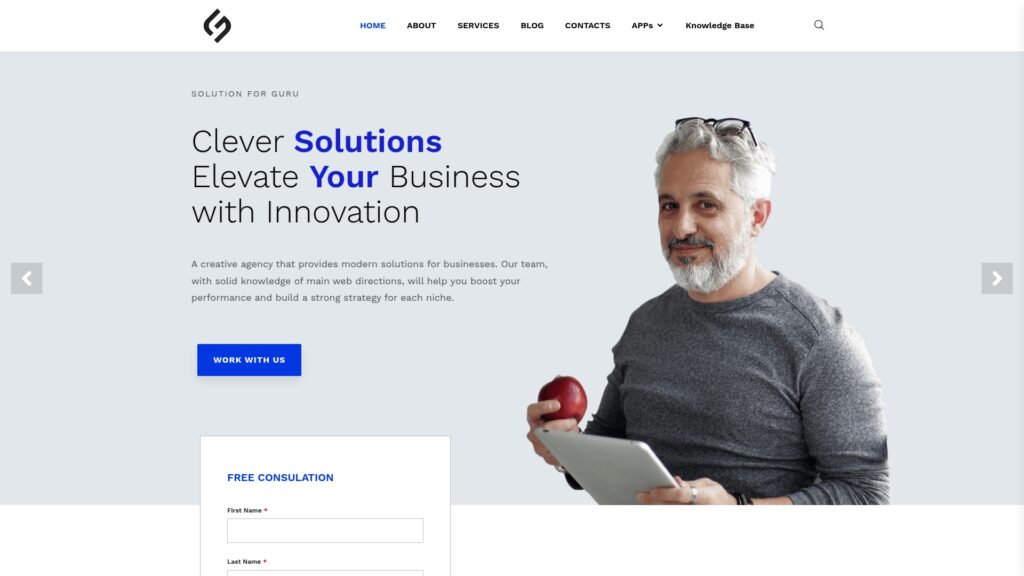
Cooperating with Solution For Guru offers several concrete benefits:
- Faster, structured rollout: Experienced consultants configure the platform correctly from day one, avoiding the trial-and-error that slows down internal teams unfamiliar with fleet telematics.
- Configuration tailored to fleet type: Rather than applying generic settings, Solution For Guru adjusts alert thresholds, reporting views, and dashboards to match each fleet’s specific vehicles, routes, and compliance needs.
- Driver training and change management: Since driver buy-in determines how much value a fleet actually captures, Solution For Guru supports onboarding and communication so drivers understand the benefits rather than resisting the new system.
- Ongoing optimization: As a fleet grows or its routes and compliance requirements shift, Solution For Guru helps adjust the configuration so reporting stays accurate and relevant.
- Integration support: Solution For Guru connects Samsara data with other business systems, such as maintenance software or dispatch tools, ensuring information flows consistently across the operation.
In short, partnering with a fleet technology specialist turns Samsara – GPS Fleet Tracking Software from a promising tool into a fully adopted, value-generating part of daily fleet operations, rather than an underused dashboard that only a few managers check occasionally.
Many fleets underestimate how much internal time gets spent troubleshooting configuration issues, retraining staff after turnover, or figuring out why a report does not match expectations. Working with Solution For Guru shifts that burden to specialists who already understand fleet telematics in depth, which frees fleet managers to focus on operations rather than platform administration. For companies managing multiple depots or a mixed fleet of vehicle types, that expertise becomes even more valuable, since configuration decisions made early tend to shape reporting accuracy for years afterward.
Recommended
- How Verizon Connect Helps Reduce Insurance Premiums
- How Motive Helps Reduce Insurance Costs
- How Verizon Connect Improves Fleet Productivity
- How Motive Detects Distracted Driving
- Managing Mixed Fleets with Verizon Connect
- How Verizon Connect Improves Driver Accountability
- How Motive Helps Schedule Preventive Maintenance
- How Samsara Improves Fleet Productivity
- How Fleet Managers Use Motive for Compliance Reporting
- How Motive Improves Dispatcher Efficiency
- How Motive Helps Reduce Fleet Operating Costs
- Azuga Review: Features, Pros, Cons, and Best Use Cases
- What Is Azuga Fleet Management Software? A Complete Guide
- Top Reasons Businesses Choose Motive Fleet Management
- Samsara Review: Features, Pros, Cons, and Best Use Cases
- What Is Samsara GPS Fleet Tracking Software?
- Verizon Connect Review: Features, Pros, Cons, and Best Use Cases
- What Is Verizon Connect Fleet Management Software?
- Motive Pricing Plans Explained: How Much Does Motive Cost?
- What Is Motive Fleet Management?
- Offline Tracking: How Do Devices Store Data Without Connectivity?