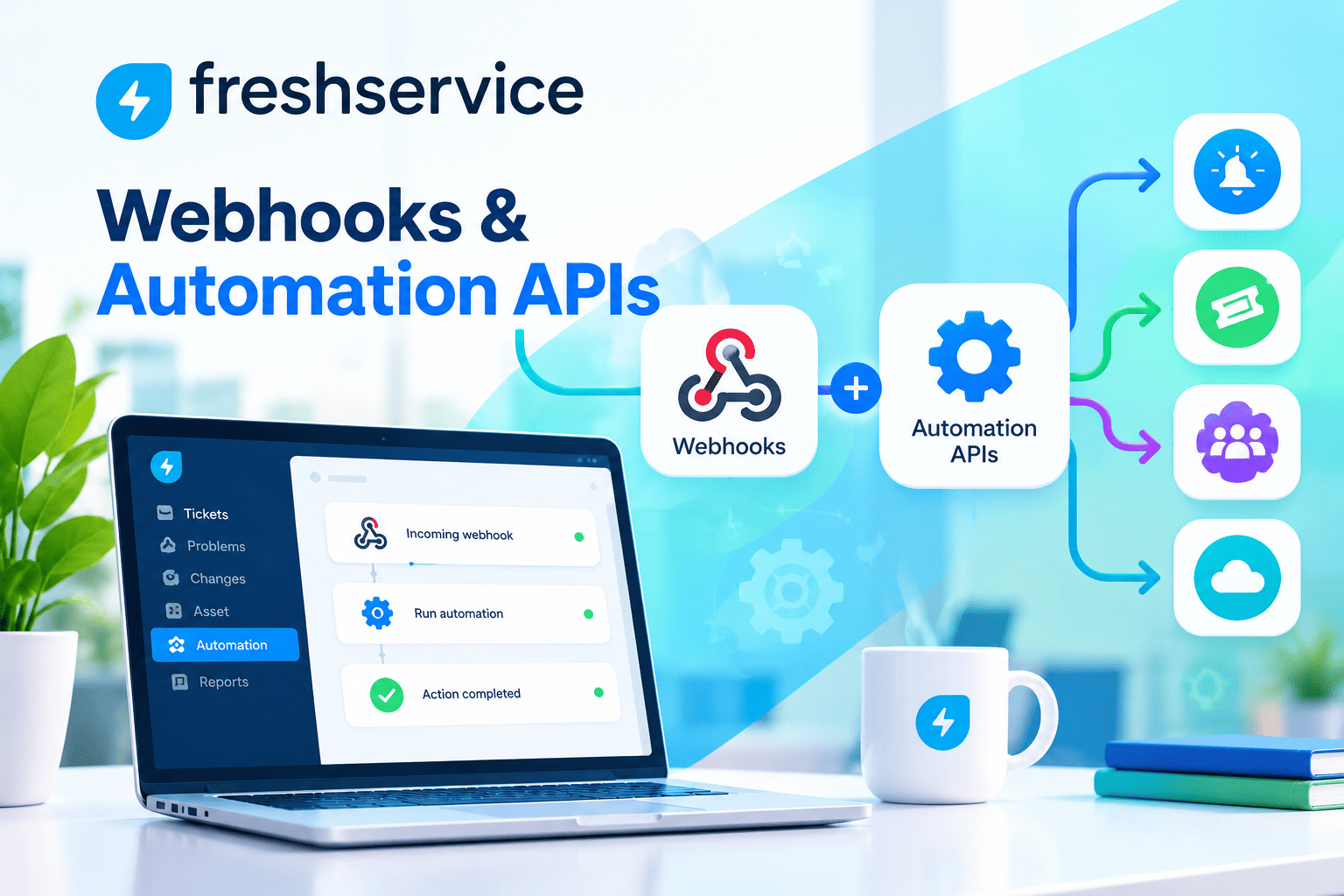
ITSM for DevOps Teams: Bridging Agile and Service Management

Modern software delivery moves fast — but speed without structure breeds chaos. As DevOps teams push code multiple times a day, IT Service Management (ITSM) provides the guardrails that keep those deployments reliable, traceable, and aligned with business goals. The challenge, however, is real: traditional ITSM frameworks were built for predictability, while DevOps thrives on iteration and continuous change. Bridging these two worlds is no longer optional — it is a competitive necessity.
In this article, you will discover exactly how modern ITSM practices integrate with Agile and DevOps methodologies, which tools accelerate that integration, and how partnering with an experienced implementation specialist such as Solution for Guru can dramatically shorten the road to success.
Table of contents
Quick Summary
- ITSM and DevOps are complementary, not competing — when integrated correctly they reinforce each other.
- ManageEngine ServiceDesk Plus and Freshservice are two leading ITSM platforms purpose-built for modern, fast-moving teams.
- Key integration areas include Change Management, Incident Management, and CI/CD pipeline automation.
- A structured comparison of ManageEngine and Freshservice helps teams choose the right platform for their context.
- Solution for Guru provides expert implementation, customisation, and ongoing support to maximise ROI from either platform.
Which ITSM Platforms Are Best Suited for DevOps Integration?
Before diving into methodology, it helps to understand which platforms teams actually use to bridge Agile and service management. Two solutions dominate this space: ManageEngine ServiceDesk Plus and Freshservice. Both offer deep integration capabilities, automation engines, and developer-friendly APIs — yet they take distinctly different approaches.
How Does ManageEngine ServiceDesk Plus Fit Into a DevOps Workflow?

ManageEngine ServiceDesk Plus is a comprehensive ITSM solution from Zoho’s ManageEngine portfolio. It covers the full ITIL v4 lifecycle — from incident and problem management to change advisory workflows and a built-in CMDB. For DevOps teams, ManageEngine stands out because of its flexible automation rules, robust REST API, and native integrations with tools such as Jira, Azure DevOps, and Jenkins.
Consequently, teams can trigger change requests automatically from CI/CD pipelines, attach deployment artefacts directly to change records, and route approvals through predefined governance flows — all without leaving their development toolchain. Additionally, the self-service portal reduces ticket noise by empowering developers to resolve routine issues independently, which frees up operations staff for higher-value work.
How Does Freshservice Accelerate DevOps Service Management?

Freshservice by Freshworks takes a cloud-native, consumer-grade UX approach to ITSM. Its intuitive interface reduces onboarding time dramatically, which matters enormously in fast-paced DevOps environments where tooling adoption often stalls. Freshservice provides a marketplace of over 1,000 integrations, including Slack, GitHub, GitLab, PagerDuty, and Terraform.
Furthermore, Freshservice’s AI-powered features — such as automatic ticket classification, predictive alert grouping, and Freddy AI suggestions — help teams reduce mean time to resolution (MTTR) and cut repetitive manual work. Its change management module supports both automated low-risk changes and structured approval flows for high-risk deployments, making it ideal for organisations that have adopted a risk-based change model aligned with ITIL 4 practices.
Why Is Traditional ITSM Incompatible With Agile DevOps — and How Can Teams Fix It?
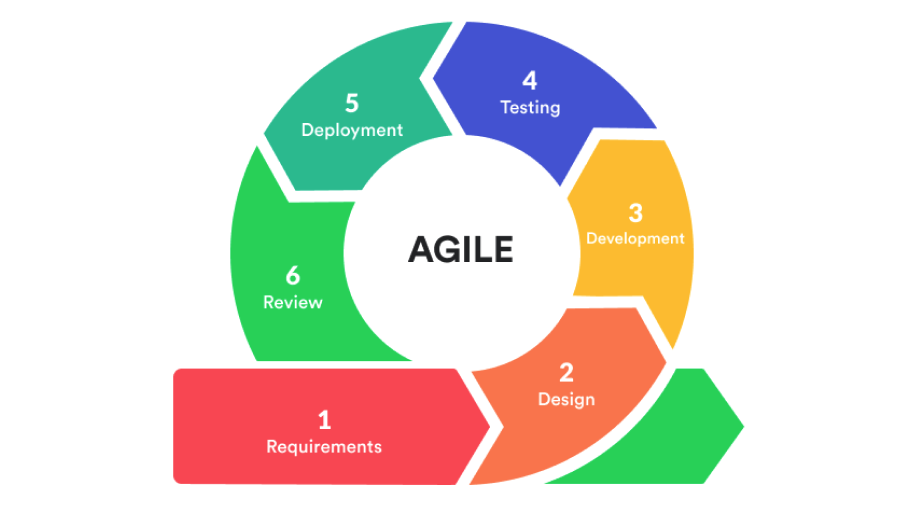
For years, ITSM and DevOps practitioners viewed each other with suspicion. Operations teams relied on heavyweight change approval boards, long CAB meetings, and lengthy RFC documentation. DevOps engineers, meanwhile, prioritised speed, automation, and small incremental releases. Naturally, these two cultures clashed.
The root cause of this tension is a fundamental difference in assumptions. Traditional ITSM assumes that change is inherently risky and must be controlled through governance. DevOps assumes that frequent, small changes are safer than large, infrequent ones. However, both assumptions are partially correct — and the most resilient organisations find ways to honour both.
The solution lies in differentiating change types. ITIL 4 already provides this framework through its distinction between standard changes (pre-approved, low-risk, routine), normal changes (assessed and planned), and emergency changes (expedited for critical issues). DevOps teams can map their CI/CD pipeline stages to these categories, allowing the vast majority of deployments to flow through automated standard change approvals while preserving governance for genuinely risky modifications.
What Role Does Automation Play in Bridging ITSM and DevOps?
Automation is the single most important enabler of ITSM-DevOps integration. Without automation, ITSM processes become bottlenecks that slow down delivery pipelines. With it, governance becomes invisible — embedded in the workflow rather than imposed on top of it.
Both ManageEngine and Freshservice provide automation engines that teams can configure to trigger change requests on code commits, update CMDB records when infrastructure changes, notify stakeholders via Slack or Teams, escalate incidents based on SLA proximity, and auto-close resolved tickets after confirmation periods. This kind of automation transforms ITSM from a bureaucratic overhead into a real-time operational intelligence layer.
How Should DevOps Teams Approach Incident Management Through ITSM?
Incident management is arguably where ITSM and DevOps align most naturally. Both disciplines share the same goal: restore normal service as quickly as possible. The difference is in execution. DevOps teams prefer real-time, collaborative war-room models — often in Slack or Microsoft Teams — while traditional ITSM favours structured ticket-based workflows.
Modern platforms solve this by embedding ticketing directly into collaboration tools. For example, Freshservice’s Slack integration allows engineers to create, update, and resolve incidents without switching context. Similarly, ManageEngine’s Teams integration surfaces ticket data inside developer channels. As a result, teams get the speed of DevOps collaboration with the auditability and SLA tracking of ITSM — a genuine best-of-both outcome.
What Is a Service Catalog and Why Do DevOps Teams Need One?
A service catalog formalises the services that IT delivers to the business, giving developers and end users a clear, self-service menu of available capabilities. For DevOps teams, a well-designed service catalog dramatically reduces ad-hoc requests and informal communication channels — both of which introduce risk and create invisible dependencies.
ManageEngine ServiceDesk Plus offers a highly customisable service catalog with approval workflows, SLA assignment, and cost tracking per service item. Freshservice complements this with an employee-facing portal that mirrors consumer app UX, which drives adoption even among non-technical staff. Together, these capabilities transform the IT team from a reactive support desk into a proactive service provider — a critical mindset shift for any organisation pursuing DevOps maturity.
How Does Change Management Evolve in a DevOps-Enabled ITSM Practice?
Change management is the ITSM process most disrupted — and most improved — by DevOps thinking. Historically, change approval meant weekly CAB meetings, pre-written rollback plans, and 72-hour lead times. In a world where teams deploy dozens of times per day, that model simply does not scale.
Instead, leading organisations adopt a risk-stratified change model. They invest governance effort proportionally to actual risk. Routine, fully automated deployments with comprehensive test coverage qualify as standard changes and receive automatic approval from the ITSM platform. More complex architectural changes still go through human review, but the process moves faster because the ITSM tool pre-populates risk scores, links relevant CI records, and identifies impacted services automatically.
How Can Teams Implement Continuous Compliance Through ITSM?
Compliance requirements — whether from ISO 27001, SOC 2, or internal policy — create significant overhead for DevOps teams. However, ITSM platforms can turn compliance into a continuous, automated activity rather than a periodic audit scramble. The key is embedding compliance checkpoints into existing workflows.
For instance, ManageEngine‘s change management module supports mandatory approval stages that create a complete audit trail for every deployment. Auditors can export these records directly, eliminating the need for manual evidence collection. Meanwhile, Freshservice‘s analytics module lets compliance officers monitor SLA adherence, change success rates, and incident recurrence patterns in real time — turning compliance from a point-in-time event into an ongoing operational discipline.
What Metrics Should DevOps Teams Track Through Their ITSM Platform?

Metrics are the lifeblood of continuous improvement. Without reliable measurement, teams cannot identify bottlenecks, demonstrate value, or justify tool investment. ITSM platforms that integrate with DevOps toolchains can surface the following critical metrics:
- Mean Time to Detect (MTTD) — how quickly teams identify incidents after they occur
- Mean Time to Resolve (MTTR) — the average time from incident creation to resolution
- Change Success Rate — the percentage of changes deployed without causing incidents
- Deployment Frequency — how often teams release to production
- Service Availability — uptime percentage per service, tracked against SLA commitments
- Backlog Age — how long open tickets have been waiting for action
Both ManageEngine and Freshservice provide pre-built dashboards for these metrics and support custom report building for organisation-specific KPIs. Furthermore, both platforms expose these metrics via API, enabling teams to include ITSM data in broader engineering dashboards such as Grafana or Tableau.
How Do ManageEngine and Freshservice Compare for DevOps Teams?
Choosing between ManageEngine ServiceDesk Plus and Freshservice depends heavily on team size, technical maturity, existing toolchain, and budget. The table below provides a structured comparison across the dimensions most relevant to DevOps integration.
| Feature / Criteria |  | |
| Deployment Model | Cloud, On-Premise, or Hybrid | Cloud-only (SaaS) |
| ITIL Coverage | Full ITIL v3/v4 coverage including Problem, Change, Release, Asset, CMDB | ITIL v3/v4 aligned with strong focus on Incident, Change, and Asset |
| DevOps Integrations | Jira, Azure DevOps, Jenkins, GitHub, Puppet, Chef, REST API | GitHub, GitLab, Jira, PagerDuty, Terraform, Slack, 1,000+ marketplace apps |
| Automation Engine | Business rules, event-triggered automations, workflow builder | Workflow Automator, Orchestration Centre, AI-powered Freddy suggestions |
| Change Management | Full CAB support, risk matrix, automated standard change approval | Risk-based change model, automated low-risk approvals, timeline view |
| AI / ML Features | Zia AI for ticket categorisation, field suggestions, anomaly detection | Freddy AI for classification, auto-resolution, predictive alerting |
| CMDB Capability | Built-in CMDB with relationship mapping, auto-discovery, impact analysis | Service Dependency Map, auto-discovery, impact analysis on incidents |
| Self-Service Portal | Fully customisable portal with asset request and service catalog | Consumer-grade UX portal with conversational AI support |
| Reporting & Analytics | Pre-built and custom reports, scheduled delivery, API export | Real-time dashboards, custom reports, API export, third-party BI connectors |
| Target Audience | Mid-market to Enterprise, especially organisations requiring on-premise compliance | SMB to Enterprise, cloud-first organisations prioritising UX and speed |
| Pricing Model | Technician-based licensing; per-user options available | Agent-based tiered plans; Starter, Growth, Pro, Enterprise |
| Support & Community | Strong documentation, ManageEngine Community forums, partner network | Freshworks Academy, community forums, 24/7 support on higher tiers |
In summary, ManageEngine ServiceDesk Plus suits organisations that need on-premise deployment, granular ITIL customisation, or deep Zoho/ManageEngine ecosystem integration. Freshservice, on the other hand, excels in cloud-native environments where rapid onboarding, a polished end-user experience, and an extensive integration marketplace are the primary priorities. Both platforms, however, deliver robust DevOps integration when configured correctly — which is precisely where expert implementation support makes a decisive difference.
What Are the Key Takeaways for DevOps Teams Adopting ITSM?
The tension between ITSM governance and DevOps agility is real — but it is entirely resolvable. Organisations that bridge these two disciplines successfully do not choose one over the other; instead, they redesign their processes to let each discipline strengthen the other. Automation, risk-stratified change models, embedded compliance, and real-time metrics dashboards are the concrete mechanisms that make this possible.
ManageEngine ServiceDesk Plus and Freshservice represent the leading edge of DevOps-integrated ITSM. ManageEngine delivers deep ITIL customisation, hybrid deployment flexibility, and a comprehensive asset management ecosystem — making it the natural choice for regulated industries or complex enterprise environments. Freshservice, meanwhile, provides an exceptionally accessible cloud platform with consumer-grade UX, powerful AI features, and a vast integration marketplace that appeals to cloud-native, rapidly scaling organisations.
Whichever platform your team selects, implementation quality determines outcomes more than feature lists alone. That is why engaging an experienced partner such as Solution for Guru is not merely a convenience — it is a strategic investment. Their expertise in DevOps-aligned ITSM deployment ensures that your chosen platform delivers value from day one, rather than becoming yet another underutilised tool in an already crowded stack.
Ultimately, the organisations winning in today’s digital economy are those that move fast and maintain control simultaneously. Bridging Agile delivery with mature service management is not a contradiction — it is the blueprint for sustainable, scalable engineering excellence.
Frequently Asked Questions
Yes — when ITSM processes are properly automated and risk-stratified, they keep pace with even the most frequent deployment cadences. The critical insight is that not every deployment needs the same level of governance. Fully automated standard change approvals, triggered directly from CI/CD pipelines, add zero human delay to routine releases. Meanwhile, higher-risk changes receive focused attention from the right reviewers. Both ManageEngine and Freshservice support this tiered approach natively, and Solution for Guru can configure these workflows to match your specific pipeline architecture.
Integration timelines vary by complexity, but most organisations achieve a functional baseline integration within four to eight weeks when they work with an experienced partner. A basic integration — connecting the ITSM platform to a source control system, creating automated change requests, and configuring incident notifications — often takes under two weeks. More sophisticated setups involving CMDB auto-discovery, bidirectional Jira synchronisation, and custom analytics dashboards typically require six to ten weeks. Solution for Guru’s structured implementation methodology provides clear milestones for each phase, helping stakeholders plan realistic go-live dates and communicate progress to leadership.
There is no universally correct starting point — the right approach depends on your organisation’s current maturity. Teams with strong DevOps practices but weak governance typically benefit from overlaying an ITSM platform such as Freshservice on top of their existing toolchain, using pre-built integrations to minimise disruption. Conversely, organisations with established ITSM processes that are adopting DevOps should focus on automating and streamlining existing change and incident workflows to remove bottlenecks. In both cases, Solution for Guru’s discovery workshops help teams identify the highest-impact starting point and build a phased roadmap that delivers quick wins while laying a durable foundation for long-term maturity.
Why Should DevOps Teams Partner With Solution for Guru for ITSM Implementation?
Solution for Guru is an authorised implementation partner specialising in ITSM platform deployment, customisation, and continuous optimisation. Rather than leaving teams to navigate complex configurations alone, Solution for Guru provides end-to-end guidance — from initial discovery and requirements mapping through to go-live support and post-deployment training.
Working with a specialist partner like Solution for Guru delivers measurable advantages that generic vendor support simply cannot match. Their consultants bring cross-industry experience, which means they have already solved the integration challenges your team is about to face. Furthermore, they understand both the technical depth of platforms like ManageEngine and Freshservice and the organisational dynamics of DevOps transformation — a rare combination that shortens implementation timelines and reduces the risk of misaligned configurations.
What Specific Benefits Does Solution for Guru Provide?
- Rapid deployment with pre-configured DevOps-aligned templates for both ManageEngine and Freshservice
- Custom automation workflows tailored to your CI/CD pipeline and incident response processes
- CMDB population and asset discovery setup, ensuring accurate service dependency mapping from day one
- Integration engineering between your ITSM platform and existing tools such as Jira, GitHub, Slack, or Azure DevOps
- Training programmes for both ITSM administrators and development team leads, driving platform adoption
- Ongoing advisory retainers for continuous process improvement as your DevOps practice matures
- Licence optimisation consulting to ensure you invest in the right tier for your current and future scale
In essence, partnering with Solution for Guru transforms ITSM implementation from a potential multi-month struggle into a structured, predictable programme with clear milestones, defined outcomes, and expert support at every stage.
Recommended:
- Event-Driven ITSM: How Do You Connect Monitoring Alerts to Automated Ticketing?
- Integrating Monitoring Tools with ManageEngine or Freshservice for Proactive Support
- Freshservice Asset Management vs ManageEngine Asset Discovery
- On-Premise vs Cloud ITSM: Choosing Between ManageEngine and Freshservice Architectures
- Freshservice for Internal IT Support: What Problems Does It Solve?
- How Does Freshservice Simplify IT Service Management for Modern Organizations?
- How Do Businesses Integrate Slack and Microsoft Teams with ITSM Platforms?
- Automating Software License Tracking with ITSM Solutions: How Can You Take Control?
- Best Microsoft 365 Integrations for ManageEngine and Freshservice
- Integrating Endpoint Management Tools with ITSM Systems
- Aligning ITSM Processes with ISO 20000 Standards
- How Long Does an ITSM Implementation Really Take? Key Factors Explained
- ManageEngine vs Freshservice
- Top ITSM Best Practices Using ManageEngine
- Improving IT Governance and Compliance with ManageEngine ITSM
- Cloud vs On-Premise ManageEngine ITSM: Which Should You Choose?
- Integrating ManageEngine with Microsoft 365