CRM Proficiency Is the New Digital Literacy: Do You Agree?

Twenty years ago, typing and email defined basic digital skills. Ten years later, employers expected spreadsheets, video calls, and cloud storage. Today, a new candidate for the list keeps appearing: the customer relationship management (CRM) system. Sales reps, marketers, support agents, founders, and even operations managers now record, search, and act on customer data every day. This article examines whether CRM proficiency truly deserves a place beside reading, writing, and basic computing. It weighs the arguments, compares seven leading platforms, and shows how individuals and companies can build the skill.
Table of contents
Quick Summary
- Short answer: Yes, with nuance. CRM proficiency now works as a core workplace literacy for customer-facing roles, and it increasingly matters beyond them.
- Why it matters: Customer data drives decisions in sales, marketing, service, and finance, so people who read and update it well create more value.
- What it includes: Data entry discipline, pipeline thinking, reporting, automation basics, and privacy awareness.
- Where the claim falls short: Plenty of roles never touch a CRM, and tool knowledge alone never replaces judgment.
- Platforms covered: Pipedrive CRM, Bigin Zoho CRM, Zoho CRM, Salesforce CRM, Creatio CRM, HubSpot, and monday.com CRM.
- Biggest risk: Weak training. Industry surveys repeatedly rank adoption and training among the top CRM problems.
- Next step: Treat CRM skills as a learning path, and pick a platform that matches your team’s size and maturity.
What Does “Digital Literacy” Mean Today?
Digital literacy once meant knowing how to use a computer. Now it means using digital tools to find, evaluate, create, and share information responsibly. Organizations such as UNESCO and the European Commission, through its DigComp framework, describe it as a mix of information skills, communication, content creation, safety, and problem solving. In other words, literacy describes a capability, not a single tool.
What makes a skill “literacy” rather than a specialty?
A skill earns the label when most working adults need it to take part in modern life or work. Reading qualifies, and so does basic numeracy. A specialty, by contrast, serves a narrow group, such as structural engineering or tax law. The question therefore becomes: does CRM use reach beyond a narrow group?
Which tests can we apply?
Three tests help:
- Reach: Do many roles use it, across many industries?
- Transferability: Does the skill carry from one tool to another?
- Consequence: Does poor performance hurt the individual and the organization?
As later sections show, CRM proficiency passes the second and third tests easily and increasingly passes the first. Consequently, the literacy argument deserves serious attention rather than a quick dismissal.
What Does CRM Proficiency Actually Include?
CRM proficiency goes far beyond logging a phone call. It combines technical habits with business thinking. A proficient user understands why the data exists, how it flows, and what decisions it supports.
Which core competencies define it?
| Competency | What it looks like in practice |
|---|---|
| Data discipline | Enters complete, consistent records at the right time |
| Pipeline thinking | Understands stages, conversion, and where deals stall |
| Segmentation | Groups contacts by behavior, industry, or value |
| Reporting | Builds and reads dashboards, then acts on them |
| Automation basics | Creates simple workflows, reminders, and sequences |
| Integration awareness | Knows how email, calendars, and other tools connect |
| Privacy and ethics | Handles personal data lawfully and carefully |
Does proficiency require technical skills?
Not necessarily. Modern platforms rely on visual builders and templates, so a curious business user can set up a basic automation without code. However, proficiency does require analytical habits. Users must ask what a number means, why a record looks wrong, and how a process could improve. Therefore, mindset matters at least as much as button knowledge.
Why Do Many People Argue CRM Skills Are the New Digital Literacy?
Supporters of the claim point to three trends: the spread of CRM across functions, the growing role of data in decisions, and the arrival of AI inside these systems.
How widely do organizations use CRM?
Surveys compiled by industry publishers suggest that CRM use sits well above half of all businesses, and that sales teams use it most heavily. For example, a Capterra report drawing on 2,452 sales and marketing decision makers across 11 countries found that 67% of organizations already use AI-enabled tools in this area. Vendor-sponsored surveys carry bias, so treat exact percentages as directional. Even so, the trend line clearly points upward.
Why does data quality make it everyone’s job?
A CRM only works when people feed it accurate information. Consequently, every employee who touches a customer influences the quality of the whole system. One sales leader’s incomplete note can derail a support agent’s next call. Similarly, a marketer’s sloppy tagging can distort a finance forecast. When many roles contribute, a shared baseline of skill becomes essential.
What role does AI play?
Vendors now build AI assistants into their CRM platforms to summarize conversations, score leads, and suggest next steps. Those tools depend on clean data and skilled prompts. Thus, users who understand CRM fundamentals will get far more value from AI than users who do not.
Where Does the “New Literacy” Claim Fall Short?
A fair discussion must test the opposing view. Critics raise several valid objections, and each deserves a response.
Do all roles really need CRM skills?
No. A warehouse operator, a lab technician, or a software engineer may never open a CRM. Literacy, by definition, applies broadly, so a skill limited to customer-facing and management roles looks more like a professional competency. Supporters counter that customer data increasingly reaches every department, but the critics still have a point today.
Is tool knowledge the same as skill?
Not at all. Someone can click through every menu and still mismanage relationships. Real proficiency combines tool fluency with communication, empathy, and business sense. Furthermore, platforms change constantly, so the durable skill lies in the concepts, not in a specific interface.
Where does that leave the debate?
The most accurate position sits in the middle. CRM proficiency functions as a domain literacy: essential for anyone who works with customers, revenue, or customer data, and useful for many others. It may not rival reading, but it clearly outranks a niche technical skill.
Which CRM Platforms Shape This Skill Set?
Seven platforms illustrate how the skill applies across company sizes and styles. Each tool teaches slightly different habits, yet all of them reward the same core competencies. Features and packaging change often, so verify current details on each vendor’s website.
How does Pipedrive CRM relate to CRM literacy?

Pipedrive CRM builds its experience around a visual sales pipeline. Users drag deals across stages, which teaches pipeline thinking almost instinctively. Because the interface stays focused, beginners often learn it quickly, and small sales teams use it to build strong habits.
How does Bigin Zoho CRM fit in?

Bigin Zoho CRM targets small businesses and first-time CRM users. It offers a lighter, pipeline-centered experience within the Zoho ecosystem. As a result, it works well as an entry point where owners and small teams practice basic literacy before they need heavier functionality.
What does Zoho CRM add?

Zoho CRM offers broader customization, automation, analytics, and AI assistance. Growing companies often move here from a simpler tool. Users learn deeper concepts, such as blueprints, custom modules, and multichannel communication, while they stay inside a familiar vendor family.
Why does Salesforce CRM matter for skills?
Salesforce CRM dominates enterprise deployments, so many job postings list it by name. The company also runs Trailhead, a free online learning platform, which shows how seriously the market treats CRM skills as a learnable, certifiable discipline. Salesforce skills often carry weight across large employers.
How does Creatio CRM contribute?

Creatio CRM emphasizes no-code and low-code workflow design alongside CRM functions. Users therefore learn to model processes visually, which strengthens automation and process literacy beyond simple record keeping.
What does HubSpot offer learners?
HubSpot provides a free CRM entry point and HubSpot Academy, which publishes free courses and certifications. Its unified approach to marketing, sales, and service also teaches users to see the whole customer journey rather than a single department’s slice.
Where does monday.com CRM fit?

monday.com CRM grows out of a visual work-management platform. Teams that already run projects on monday.com can extend the same boards to customers and deals. That familiarity lowers the learning barrier and shows how CRM skills connect with everyday project work.
How Do These CRM Platforms Compare?
The table below summarizes typical positioning. Vendors update plans and features frequently, so treat it as a starting point for research rather than a final buying guide.
What does a side-by-side comparison show?
| Platform | Typical focus | Best suited for | Learning curve | Customization | Notable learning resources |
|---|---|---|---|---|---|
 | Visual sales pipeline | Small and mid-sized sales teams | Gentle | Moderate | Vendor help center and webinars |
 | Simple pipeline CRM | Micro and small businesses | Very gentle | Light | Zoho help and community |
 | Full CRM suite | Growing businesses | Moderate | High | Zoho help, community, and training |
 | Enterprise CRM platform | Large and complex organizations | Steep | Very high | Trailhead and certifications |
 | CRM plus workflow automation | Process-driven organizations | Moderate | High (no-code and low-code) | Vendor academy and documentation |
 | Marketing, sales, service hub | Teams that want an all-in-one view | Gentle to moderate | Moderate to high | HubSpot Academy |
 | Visual, board-based CRM | Teams already using work management | Gentle | High (flexible boards) | Vendor guides and templates |
How should you read this table?
First, remember that “gentle” and “steep” describe the typical first-month experience, not the full mastery path. Next, notice that every platform supports the same core competencies: pipelines, contacts, reporting, and automation. Finally, match the tool to your team’s size, budget, and appetite for configuration.
How Do CRM Skills Transfer Between Platforms?

The strongest argument for literacy lies in transferability. A person who understands one CRM can learn another in days or weeks, not months.
Which concepts carry over everywhere?
Every CRM organizes information into a few familiar objects: contacts, companies, deals, activities, and reports. Likewise, every platform uses stages, owners, tags, filters, and automation rules. A user who masters those ideas in Pipedrive CRM can navigate Zoho CRM or HubSpot with modest effort.
What changes from tool to tool?
Interfaces, terminology, and configuration depth vary. Salesforce CRM, for instance, exposes powerful administration options that lighter tools hide. Creatio CRM emphasizes process design, while monday.com CRM leans on boards and views. Accordingly, users should focus first on concepts and second on menus.
How can learners build portable skills?
- Learn the data model before you learn the buttons.
- Practice with sample data in a free trial or free tier.
- Document the process you build, not only the clicks you use.
- Rebuild the same simple pipeline in a second tool to test your understanding.
Who Needs CRM Proficiency the Most?
Some roles depend on CRM daily, while others benefit occasionally. Understanding the spectrum helps individuals plan their learning and helps managers target training.
Which roles rely on CRM skills today?
| Role | How they use a CRM | Priority level |
|---|---|---|
| Sales representatives | Track leads, deals, and follow-ups | Essential |
| Sales and revenue managers | Forecast, coach, and review pipeline | Essential |
| Marketers | Segment audiences and measure campaigns | High |
| Customer support and success | Track cases, renewals, and satisfaction | High |
| Founders and small business owners | Oversee the whole customer relationship | High |
| Operations and finance | Reconcile revenue and forecast cash | Moderate |
| Freelancers and consultants | Manage clients and proposals | Moderate to high |
| Other roles | Occasional lookups | Low |
Why should non-sales roles care?
Customer data touches product, finance, and leadership decisions. A product manager who reads CRM feedback patterns spots gaps faster. A finance analyst who understands pipeline stages builds better forecasts. Consequently, even limited CRM fluency improves cross-team communication.
How Can Individuals Build CRM Proficiency?
You do not need a formal course to begin, but a structured path speeds progress. Free resources abound, and several vendors invest heavily in training.
What does a practical learning path look like?
- Learn the vocabulary. Understand leads, contacts, accounts, opportunities, and pipeline stages.
- Choose a starter platform. Pick a free tier or trial of HubSpot, Bigin Zoho CRM, or Pipedrive CRM.
- Build a sample pipeline. Model a realistic sales or support process from start to finish.
- Add automation. Create a reminder, an email template, and a simple workflow.
- Create a report. Build a dashboard that answers one business question.
- Study a second platform. Compare how Zoho CRM or monday.com CRM handles the same task.
- Earn a certification. Consider HubSpot Academy or Salesforce Trailhead credentials if your career path rewards them.
Which habits separate strong users from average ones?
Strong users update records immediately, write clear notes, and question odd data. They also review dashboards weekly and share insights with colleagues. Additionally, they keep learning, because platforms add features constantly.
How Can Organizations Build CRM Literacy Across Teams?

Companies often buy a powerful CRM and then wonder why results disappoint. Industry roundups regularly list poor training and low adoption among the top causes of CRM problems. One compilation cites training and user adoption issues in about a quarter of implementations, and another finds that roughly a third of sales leaders report incomplete or outdated data. Numbers vary by source, but the message stays consistent.
What actions raise adoption?
- Start with the process, then configure the tool to match it.
- Train by role, so each person learns only what they need first.
- Set data standards, including required fields and naming rules.
- Assign owners for data quality and configuration.
- Reduce friction through integrations, templates, and mobile access.
- Recognize good behavior publicly and coach poor habits privately.
Should you choose a simple or powerful platform?
Simplicity often wins early. Pipedrive CRM and Bigin Zoho CRM help small teams build habits without overwhelm. As complexity grows, Zoho CRM, HubSpot, or monday.com CRM can extend the setup. Large enterprises with intricate processes may prefer Salesforce CRM or Creatio CRM. In every case, adoption matters more than feature count.
What Risks Appear When Teams Lack CRM Skills?
Weak CRM literacy creates costs that leaders often notice too late. The damage appears in data, revenue, and trust.
Which problems show up first?
| Risk | Typical result |
|---|---|
| Incomplete records | Missed follow-ups and lost deals |
| Duplicate contacts | Confused customers and wasted effort |
| Unreliable forecasts | Poor hiring and budgeting decisions |
| Shadow spreadsheets | Fragmented data and security exposure |
| Weak privacy habits | Legal risk under laws such as the GDPR |
| Low trust in reports | Managers ignore the system altogether |
Why does privacy deserve special attention?
A CRM stores personal data, so users must respect consent, retention, and access rules. Regulations such as the EU’s GDPR and California’s CCPA set clear duties. Therefore, literacy must include responsible data handling, not only speed and convenience.
How Does AI Change the Case for CRM Literacy?

AI assistants now live inside most major platforms, and they raise the stakes for good data and good judgment.
What can AI do inside a CRM?
Typical features include conversation summaries, lead scoring, next-step suggestions, and draft emails. Salesforce CRM, HubSpot, Zoho CRM, Pipedrive CRM, and monday.com CRM all promote AI capabilities, and Creatio CRM emphasizes AI within its automation focus. Bigin Zoho CRM also benefits from the Zoho ecosystem’s assistant features, though depth varies by plan.
Why does AI raise the literacy bar?
AI outputs depend on the data beneath them. One industry compilation reports that many teams lack the AI skills needed to use these tools effectively, which shows that technology investment can outpace capability. Users who understand data structure, prompt design, and verification will therefore outperform those who accept suggestions blindly. Above all, human judgment stays essential, because AI can produce confident but wrong summaries.
Conclusions: Do We Agree That CRM Proficiency Is the New Digital Literacy?
The evidence supports a qualified yes. CRM proficiency now functions as a core literacy for anyone who works with customers, revenue, or customer data, and its reach keeps growing. It passes the tests of consequence and transferability, and it increasingly passes the test of reach. However, it remains a domain literacy rather than a universal one, and tool knowledge never replaces judgment, empathy, or ethics.
The seven platforms in this article show how flexible the skill has become. Pipedrive CRM and Bigin Zoho CRM teach pipeline basics with little friction. Zoho CRM, HubSpot, and monday.com CRM support growing teams that need broader views. Salesforce CRM and Creatio CRM serve complex organizations that want deep configuration and process automation. Each one rewards the same underlying habits: clean data, pipeline thinking, sensible automation, and responsible privacy practice.
Ultimately, the smartest move is to build the skill deliberately. Learn the concepts, practice on a real platform, and train your teams by role. Do that, and you turn your CRM from a digital filing cabinet into a genuine competitive advantage.
Frequently Asked Questions
For customer-facing and revenue roles, it comes close. Those employees use CRM data daily, and their habits shape the whole company’s results. For other roles, CRM skills add value but do not count as essential. Therefore, think of CRM proficiency as a domain literacy that keeps expanding.
Start with a tool that has a gentle learning curve and strong free resources. HubSpot, Bigin Zoho CRM, and Pipedrive CRM often suit beginners. After you master the concepts, explore Zoho CRM, monday.com CRM, Creatio CRM, or Salesforce CRM to broaden your range. Since concepts transfer, the first platform matters less than the practice itself.
Yes, and arguably more. AI features inside CRMs depend on accurate data, sensible processes, and human review. Users who understand the fundamentals can direct AI effectively and catch its mistakes. Consequently, strong CRM literacy helps you get better results from the automation that platforms now provide.
Why Work With Solution for Guru on Your CRM Journey?
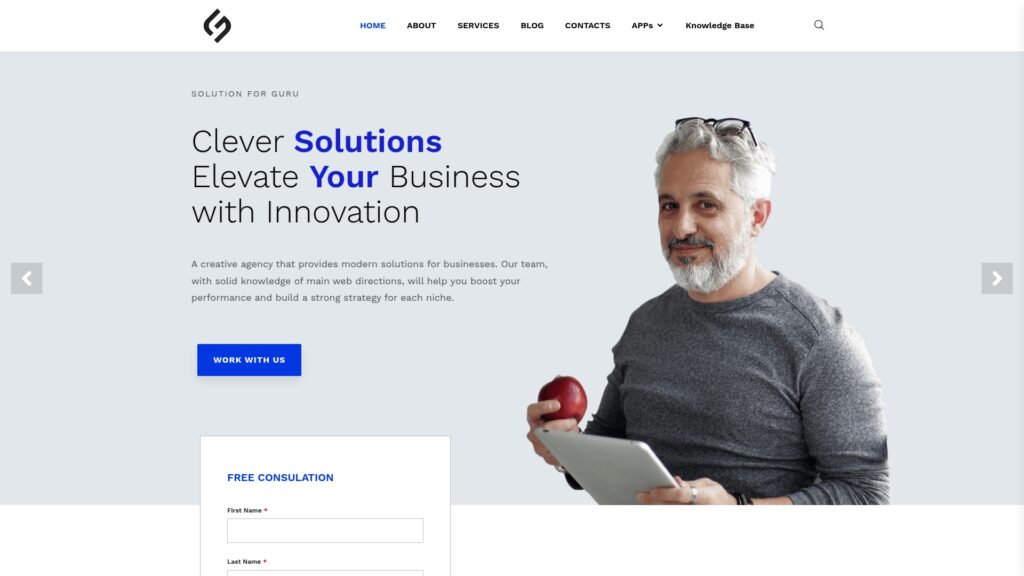
Skills grow fastest when the system fits the business. Solution for Guru is a CRM and software implementation consultancy that helps organizations select, configure, and integrate the right platforms, then helps their people use them well.
What benefits can you expect?
- Objective platform selection. Consultants compare your needs against the tools discussed here and others, so you choose with confidence.
- Tailored implementation. Specialists configure pipelines, fields, automations, and reports to match your real processes.
- Data migration and cleanup. The team moves your records safely and improves data quality from day one.
- Integration support. Advisors connect your CRM with email, marketing, finance, and support systems.
- Role-based training. Hands-on sessions build the practical skills your teams need.
- Governance guidance. Experts help you set data standards, privacy rules, and ownership.
- Ongoing partnership. A long-term partner helps you refine the setup as your business grows.
How do you get started?
Visit solution4guru.com and share your goals. A short consultation can show which platform, rollout plan, and training approach fit your organization best.
Recommended:
- Bigin by Zoho CRM Pricing Explained: Is It Worth It?
- Using Creatio to Standardize Business Processes Across Departments
- Best Pipedrive Reports for Sales Managers
- Pipedrive Insights Explained: How Sales Reporting Works
- Pipedrive Automation Examples for Sales Teams
- Pipedrive Sales KPIs: 15 Metrics Every Team Should Track
- How Pipedrive AI Helps Sales Teams Save Time
- CRM Roles 101: From CRM Administrator to CRM Developer
- Pipedrive MCP Explained: How AI Assistants Connect to Your CRM
- Sales Forecasting and Pipeline Management in Creatio CRM
- Pipedrive Sales Dashboard: How to Track Performance
- Pipedrive Automation Triggers and Actions Explained
- Pipedrive AI vs Traditional CRM Automation: What’s the Difference?
- ERP and ITSM Integration: Improving Operational Visibility Across Departments
- Integrating Endpoint Management Tools with Freshservice
- ManageEngine Asset Management (ITAM): Why Businesses Trust It to Control Their IT Assets
- Why Mid-Sized Companies Choose Freshservice Over Enterprise ITSM Platforms
- Best Reporting and Analytics Dashboards for IT Operations Teams in Freshservice
- How ITSM Platforms Support IT Compliance and Audit Readiness
- How ITSM Tools Support Internal IT Risk Management
- How AI Is Changing ITSM Workflows in Freshservice?