biBERK Commercial Auto Insurance Exclusions Explained
Buying commercial auto insurance often feels straightforward until a claim gets denied for a reason no one expected. A rented truck, a borrowed vehicle, or a piece of mobile equipment involved in an incident can all fall outside standard coverage, leaving a business owner to cover the cost out of pocket. Understanding exactly what a policy does not cover is just as important as knowing what it does, since that knowledge determines whether a business is genuinely protected or only partially covered, sometimes without even realizing it until the moment a claim is filed.
This article breaks down the exclusions found in a typical commercial auto policy, using BiBerk – Auto Insurance US as our primary reference point. As a direct-to-consumer commercial insurance provider, biBERK publishes detailed guidance on exactly what its Commercial Auto policies exclude, making it a useful, transparent resource for understanding how these exclusions work in practice. Rather than treating exclusion language as fine print to skim past, we’ll walk through each major exclusion in plain terms, along with the practical steps businesses can take to close the resulting gaps. We’ll also cover how partnering with Solution for Guru can help your business navigate insurance research and digital operations more efficiently.
Table of contents
What Will You Learn in This Article?
Here is a quick summary of what this guide covers, so you can jump straight to the section most relevant to your business.
| Topic | What You’ll Learn |
|---|---|
| What an exclusion actually means | The legal and practical definition insurers use |
| Intentional acts and racing | Why deliberate or reckless conduct voids coverage |
| Mobile equipment | Why forklifts and cranes fall outside auto policies |
| Workers’ comp overlap | How injury claims get routed to the correct policy |
| Scheduled vehicles only | Why unlisted vehicles are not covered |
| Hired and non-owned vehicles | What happens when employees drive personal or rented vehicles |
| Attached vs. loose equipment | Why tools inside a vehicle may not be covered |
| Trailers | How trailer weight affects coverage |
| Closing the gaps | Which add-on policies fill common exclusion gaps |
How Is BiBerk Related to This Topic?
BiBerk – Auto Insurance US is a direct-to-consumer commercial insurance provider, backed by Berkshire Hathaway, that sells Commercial Auto policies online without relying on traditional insurance agents. Because biBERK cuts out intermediaries, it can offer coverage that is often up to 20% less expensive than comparable policies from other providers, while still publishing clear, detailed explanations of what each policy covers and excludes.
This transparency is precisely what makes biBERK a useful reference for understanding commercial auto exclusions. Rather than burying exclusion language deep in dense policy documents, biBERK maintains public guides explaining which scenarios its Commercial Auto policies do not cover, along with the reasoning behind each exclusion. For any business owner trying to understand how commercial auto exclusions generally work, biBERK’s published guidance offers a clear, practical starting point.
What Does “Exclusion” Actually Mean in an Insurance Policy?
Before exploring specific exclusions, it helps to understand the term itself and why every policy includes them.
How Do Insurance Experts Define an Exclusion?
The International Risk Management Institute defines an exclusion as a provision in an insurance policy or bond. It identifies hazards, perils, circumstances, or property that the policy does not cover. In other words, an exclusion draws a boundary around what the insurer has agreed to pay for, and anything outside that boundary becomes the policyholder’s own financial responsibility.
Why Do Insurance Companies Include Exclusions in the First Place?
Exclusions exist to keep insurance affordable and sustainable. If insurers covered every possible scenario, regardless of risk level or intent, premiums would rise dramatically for everyone. Insurers can price coverage more accurately by excluding certain high-risk or unrelated situations. These may include intentional damage or equipment that requires a different type of policy. This approach allows insurers to focus coverage on the risks the policy is designed to address.
Why Should Business Owners Care About Exclusions Before Buying a Policy?
Many business owners only discover an exclusion applies to their situation after a claim is denied, at which point it is too late to adjust coverage. Reviewing exclusions carefully before purchasing a policy, and asking direct questions about anything unclear, helps avoid a costly surprise later. As biBERK notes in its own guidance, being proactive and asking clarifying questions during the buying process is one of the simplest ways to avoid confusion down the road.
Why Are Intentional Acts and Racing Excluded From Coverage?
Some of the most fundamental exclusions in any commercial auto policy relate to conduct rather than circumstance.
What Counts as an Intentional Act Exclusion?
Property damage or bodily injuries that a policyholder causes intentionally, or might reasonably expect to occur as a result of their actions, are not covered under a biBERK Commercial Auto policy. Insurance protects against unexpected and accidental losses. It does not protect people from the consequences of deliberate harm.
Why Does Racing Fall Outside Standard Coverage?
Damage or injuries caused by racing are also excluded from coverage. Racing greatly increases the risk of serious accidents compared with normal driving. Because of this higher risk, standard commercial auto policies typically exclude racing activities.
How Should Business Owners Interpret These Behavioral Exclusions?
These exclusions send a clear signal. Commercial auto insurance protects against the ordinary risks of business driving. It does not cover outcomes from reckless or deliberate conduct. Fleet managers should make sure drivers understand this. Policies will not cover damage from activities like racing. This matters for legal reasons, safety reasons, and financial protection.
Why Doesn’t Commercial Auto Cover Mobile Equipment Like Forklifts or Cranes?
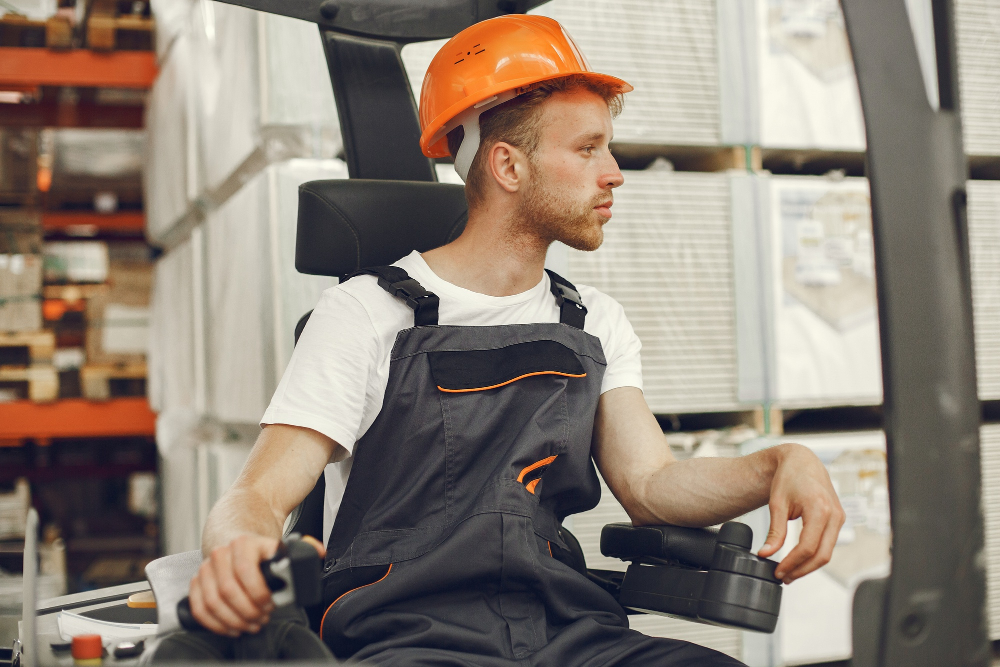
One of the more commonly misunderstood exclusions involves equipment that moves but is not considered a standard vehicle under an auto policy.
What Is Considered “Mobile Equipment” in This Context?
Liability associated with the use of mobile equipment, such as a forklift or crane, is not covered under a Commercial Auto policy. This exclusion applies even though this equipment can move under its own power and operates in similar work environments to covered vehicles.
Why Is This Type of Equipment Excluded From Auto Coverage?
Mobile equipment typically falls under a different category of insurance entirely, since the risks associated with operating a crane or forklift differ significantly from the risks of driving a truck or van on public roads. Auto policies are underwritten around road-related risks, while mobile equipment risks are usually addressed through general liability or specialized equipment coverage instead.
What Should Businesses Using Mobile Equipment Do About This Gap?
Businesses that rely on forklifts, cranes, or similar equipment should not assume their commercial auto policy extends protection to that equipment. Instead, they need a separate liability or equipment policy specifically designed to address the risks associated with mobile equipment operation, since attempting to file a claim for this type of incident under an auto policy will likely result in a denial.
How Does Commercial Auto Insurance Interact With Workers’ Compensation Claims?
Overlapping coverage types can create confusion, particularly when an employee is injured while driving for work.
Why Are Employee Injuries Excluded From Commercial Auto Coverage?
Injuries addressed by a workers’ compensation policy are not covered by Commercial Auto insurance. This distinction exists because workers’ compensation is specifically designed to handle employee injuries that occur during the course of employment, regardless of fault, while commercial auto insurance is designed to address liability toward third parties and damage to vehicles.
How Do These Two Policy Types Divide Responsibility?
Generally, if an employee suffers an injury while driving a company vehicle for work, workers’ compensation typically handles the claim. The commercial auto policy generally does not cover the employee’s injury. The commercial auto policy instead handles liability toward other people involved in the incident and physical damage to the vehicle itself.
Why Does This Distinction Matter for Business Owners?
Understanding this division helps business owners ensure they carry both types of coverage rather than assuming one policy fills every gap. A business with drivers on the road but no workers’ compensation coverage could find itself financially exposed if an employee is injured, even though the business maintains a solid commercial auto policy.
Why Does Commercial Auto Only Cover Vehicles Listed on the Policy?
Perhaps the most consequential exclusion for many small businesses involves which specific vehicles a policy actually protects.
What Does “Scheduled” Vehicle Coverage Mean?
Commercial Auto insurance only covers vehicles that are specifically “scheduled,” meaning listed, on the policy. This means a business cannot assume a newly purchased vehicle is automatically protected simply because the business already carries commercial auto coverage on other vehicles.
What Happens When a Business Replaces a Listed Vehicle?
If a business gets a replacement vehicle for one already listed on the policy, biBERK gives policyholders 30 days from the date of purchase to add that replacement vehicle to the policy. Missing this window could leave the new vehicle without coverage, even though it directly replaced a previously insured one.
Are Temporary Rental Vehicles Covered During This Process?
Yes, with a specific condition. Temporary rental vehicles are covered if the listed vehicle they are replacing is being repaired, serviced, or has suffered a total loss. This narrow exception protects businesses during the gap between when a covered vehicle goes out of service and when it returns, or gets formally replaced on the policy.
What Happens When Employees Drive Personal or Rented Vehicles for Work?

Beyond the vehicles a business owns, exclusions also apply to vehicles that belong to someone else entirely.
Why Are Hired and Non-Owned Vehicles Excluded by Default?
Other vehicles that a business may rent or use are not covered by a standard Commercial Auto policy. This includes employee-owned vehicles used for work purposes and vehicles borrowed from third parties, since none of these vehicles are formally scheduled on the policy.
Can This Gap Be Closed With Additional Coverage?
Yes. You can add hired and non-owned coverage to a General Liability policy or a Business Owners Policy (BOP). This coverage can protect against risks involving vehicles that you have not listed on your Commercial Auto policy. This add-on becomes especially relevant for businesses where employees regularly use their own vehicles to make deliveries, or where the business periodically rents a truck for larger jobs.
Does This Coverage Apply to Personal Errands as Well as Work Tasks?
No. Hired and non-owned liability coverage only applies when someone is driving a vehicle specifically for work purposes. If an employee uses a personal vehicle to commute or run personal errands, the policy does not cover incidents that happen during those activities. This exclusion applies even if you have purchased the hired and non-owned liability add-on.
Is Equipment Stored Inside a Covered Vehicle Actually Protected?
Physical damage exclusions extend beyond the vehicle itself to the items carried inside it, which surprises many business owners.
What Distinguishes Covered Equipment From Excluded Items?
Only items permanently attached to a vehicle are covered under a Commercial Auto policy. A built-in tool box, for example, would likely be covered as part of the vehicle’s structure, but the individual tools stored inside that box would not be.
Why Does This Distinction Exist?
This exclusion reflects the main purpose of auto insurance. It covers the vehicle and its liability risks, not all business property that you transport inside the vehicle. Loose tools, inventory, and equipment are considered business property, which falls under a different category of coverage entirely.
How Can Businesses Cover the Items Left Out of Auto Policies?
Fortunately, this type of excluded property can typically be covered through other small business insurance policies designed specifically for business personal property. Businesses that regularly transport valuable tools or equipment should confirm they have adequate coverage for those items separately, rather than assuming their commercial auto policy extends that far.
Does Commercial Auto Insurance Cover Trailers Pulled by a Covered Vehicle?
Trailers introduce their own set of rules that depend heavily on weight and how the trailer is added to the policy.
How Does Trailer Weight Affect Coverage?
Trailers under 2,000 pounds gross vehicle weight automatically receive liability coverage when pulled by a vehicle listed on the policy. However, that automatic coverage applies only to liability, not to theft or physical damage protection for the trailer itself.
What Do Businesses Need to Do to Cover Trailer Theft or Damage?
To protect a trailer against theft or damage, you must specifically add the trailer to the policy, regardless of its weight. Simply towing a trailer with a covered vehicle does not provide comprehensive protection if someone steals or damages the trailer.
What Should Businesses With Heavier Trailers Expect?
Trailers weighing more than 2,000 pounds do not receive the same automatic liability coverage. Businesses that use heavier trailers should review their policy carefully. They should also confirm exactly what protection applies to their equipment. Coverage rules for lighter trailers may not apply to larger or heavier equipment.
How Does Understanding Exclusions Help You Choose the Right Coverage Amount?

Exclusions do not just define what is left out of a policy; they also help business owners think through which additional coverage types actually make sense for their specific operations.
Why Do Different Businesses Need Different Combinations of Coverage?
A consulting firm with a single vehicle used mostly for client visits faces a very different risk profile than a for-hire trucking operation running multiple heavy vehicles daily. According to biBERK’s own cost guidance, commuter or consultant use of smaller vehicles can run between $600 and $1,500 per vehicle annually, while vehicles used in for-hire trucking operations can cost $5,000 to $15,000 per vehicle each year. Exclusions apply regardless of the type of business. However, higher-risk businesses have more at stake when they leave coverage gaps, such as missing hired and non-owned coverage or mobile equipment liability.
How Does biBERK’s Pricing Model Affect Coverage Decisions?
Because biBERK operates on a direct-to-consumer model without traditional agents, it can often offer coverage at rates up to 20% lower than other providers. This pricing advantage gives business owners more room in their budgets. They can use those savings to add supplemental coverage, such as hired and non-owned liability or trailer protection. As a result, they may strengthen their coverage without significantly increasing their total insurance costs.
Why Should Coverage Decisions Follow a Full Review of Exclusions?
Rather than purchasing the minimum required coverage and hoping exclusions will not become relevant, business owners benefit from reviewing exclusions first, then deciding which supplemental policies are actually necessary based on their specific vehicles, drivers, and operations. This approach turns exclusions from a source of surprise into a practical checklist for building a more complete insurance program.
What Common Exclusions Should Every Business Owner Review Before Buying a Policy?
Pulling everything together, here is a summary table of the most common commercial auto exclusions and how businesses can typically address each gap.
| Exclusion | What It Means | How to Address the Gap |
|---|---|---|
| Intentional acts | Deliberate damage or injury is not covered | Ensure driver conduct policies discourage reckless behavior |
| Racing | Damage from racing activities is excluded | Prohibit racing in company vehicle use policies |
| Mobile equipment | Forklifts, cranes, and similar equipment are not covered | Purchase general liability or equipment-specific coverage |
| Workers’ comp injuries | Employee injuries route to workers’ comp, not auto policy | Maintain a separate workers’ compensation policy |
| Unlisted vehicles | Only scheduled vehicles are covered | Add new or replacement vehicles within required timeframes |
| Hired/non-owned vehicles | Employee-owned or borrowed vehicles are excluded | Add hired and non-owned coverage to a GL policy or BOP |
| Loose equipment | Only permanently attached items are covered | Insure business personal property separately |
| Heavier trailers | Automatic liability only applies under 2,000 lbs | Add trailers to the policy explicitly for full protection |
Why Is This List Only a Starting Point?
Even a detailed summary like this one represents a partial list. As biBERK itself notes, exclusions can vary based on specific policy terms, and insurance experts remain available to explain the finer details relevant to a particular business’s operations. Business owners should always request a complete review of exclusions from a licensed representative before finalizing coverage.
How Should Businesses Approach Unusual or Unique Operations?
Businesses with unusual or unique operations, such as specialized equipment use or nonstandard vehicle types, should proactively discuss those specifics with an insurance representative rather than assuming standard exclusion language covers every scenario clearly. This step is especially important since exclusions are partly determined by the business activities disclosed during the application process.
Why Should You Understand Exclusions Before You Need to File a Claim?
Reading through every exclusion in a commercial auto policy is not the most exciting part of running a business, but it is one of the most financially important. Understanding these boundaries in advance, rather than discovering them during a claim dispute, gives business owners the ability to close coverage gaps proactively through general liability, business owners policies, or specialized equipment coverage.
BiBerk – Auto Insurance US stands out in this regard by publishing clear, accessible explanations of its Commercial Auto exclusions rather than leaving business owners to decipher dense policy language alone. Combined with its direct-to-consumer pricing model, biBERK gives small businesses both transparency and affordability, two qualities that matter significantly when protecting a company’s vehicles and operations from unexpected financial exposure.
Frequently Asked Questions
No. biBERK Auto Insurance US only covers vehicles you specifically schedule on your policy. If you purchase a new or replacement vehicle, you generally have 30 days from the purchase date to add it to your biBERK policy. The policy covers temporary rental vehicles only in specific circumstances, such as when you take a listed vehicle in for repairs or when it suffers a total loss.
Not automatically. Employee-owned and borrowed vehicles are not covered under a standard biBERK Commercial Auto policy. However, you can add hired and non-owned liability coverage to a General Liability policy or Business Owners Policy to cover these situations, provided you use the vehicle for business purposes rather than personal errands.
No. Liability associated with mobile equipment such as forklifts and cranes falls outside a standard biBERK Commercial Auto policy. This type of equipment typically requires separate general liability or specialized equipment coverage, since the risks it presents differ significantly from standard vehicle operation on public roads.
How Can Solution for Guru Help Your Business Navigate Insurance Research and Operations?
Understanding insurance exclusions is only one part of running a well-protected, efficient business. Many companies also need help connecting their insurance, CRM, and operational systems so that policy information, renewal dates, and coverage documentation stay organized and accessible. This is where partnering with Solution for Guru adds real value.
What Does Solution for Guru Offer Businesses Managing Insurance and Operations?
Solution for Guru specializes in web development, CRM integrations, and digital strategy, helping businesses build organized systems for managing everything from customer data to vendor and insurance documentation. Their reviews and resources also cover insurance topics directly, giving business owners a place to research providers and policy details alongside broader operational guidance.
How Does Better Digital Organization Reduce Insurance-Related Risk?
A business that keeps its vehicle records, driver information, and policy documentation scattered across spreadsheets and email threads is more likely to miss deadlines, such as the 30-day window to add a replacement vehicle to a policy. Working with a team like Solution for Guru to centralize this information in a well-structured CRM or digital system reduces the chance of a coverage gap slipping through unnoticed.
What Long-Term Value Does This Partnership Provide?
As a business grows and adds more vehicles, drivers, or equipment, keeping insurance information current becomes more complex. Solution for Guru’s broader expertise in system integration and digital strategy means a business’s operational tools can scale alongside its fleet, helping ensure that new vehicles, trailers, and equipment get properly tracked and insured as the business expands.
Recommended
- Does Your Driving Record Affect biBERK Commercial Auto Insurance Rates?
- Does Business Location Affect biBERK Commercial Auto Insurance Rates?
- How Progressive Supports Small Fleets: Coverage Options for 2–10 Vehicles
- How Berkshire Hathaway Companies Like biBERK Are Innovating Insurance
- Delivery Drivers and Courier Services: Progressive Commercial Auto Insurance Breakdown
- BiBerk Hired and Non-Owned Auto Insurance: Does Your Business Really Need It?
- BiBerk Commercial Truck Insurance: Is It the Right Coverage for Your Fleet?
- Progressive Commercial Auto Insurance for LLCs and Sole Proprietors
- How Progressive Handles Dual-Use Vehicles for Business and Personal Driving
- What Do Car Insurance Agents Actually Do — and How Do You Find the Best One for Your Needs?
- How to Lower Car Insurance: A Practical Guide to Reducing Your Premiums
- Minimum Liability Limits for Business Vehicles Explained
- Bundling Policies with biBERK: Pros and Cons
- How Does Progressive Insurance Help High-Risk Drivers Get Covered?
- Common Progressive Commercial Policy Mistakes Small Businesses Make
- Progressive vs biBERK vs NEXT: Which Commercial Auto Insurance Offers Better Value?
- What Does Progressive Commercial Auto Insurance Actually Cover?
- AI in Commercial Auto Insurance: Smarter Risk Assessment
- Understanding biBERK’s Claims Process for Commercial Auto Insurance
- When Is Progressive More Expensive Than Regional Commercial Auto Insurers?