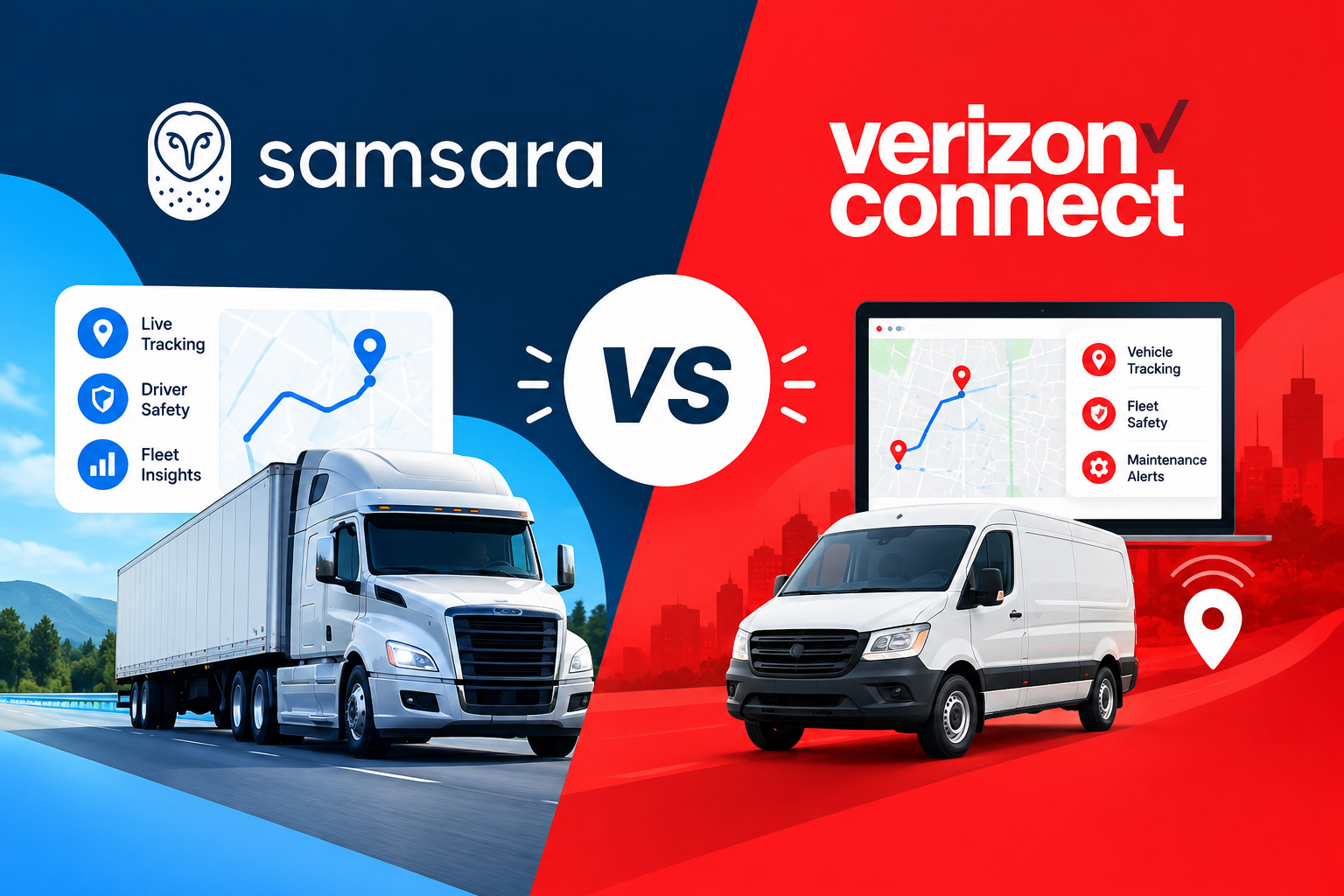
How Verizon Connect Reduces Fleet Operating Costs

Running a fleet is expensive, and costs rarely move in the direction managers want. Fuel prices fluctuate, maintenance bills pile up, and unplanned downtime eats into margins before anyone notices the pattern. Consequently, more fleet operators are turning to telematics platforms that turn raw vehicle data into clear, actionable savings. Among these platforms, Verizon Connect: Fleet Management Software and Solutions has become one of the most widely adopted tools for companies that want to control spending without sacrificing service quality.
This article breaks down exactly how the platform helps fleets cut costs, which features deliver the biggest savings, and how a specialized technology partner can help a business get more value from its investment. Whether a company runs five vehicles or five hundred, the same underlying principle applies: costs shrink fastest when managers can see what is actually happening on the road, rather than relying on estimates, driver reports, or paperwork submitted days after the fact. The sections that follow walk through each major cost driver individually, then tie the pieces together into a practical picture of what a fleet can realistically expect after adopting this kind of telematics platform.
Table of contents
Quick Summary
Before diving into the details, here is a snapshot of what this article covers:
- The core problem: rising fuel, maintenance, labor, and insurance costs squeeze fleet budgets.
- The solution: Verizon Connect combines GPS tracking, route optimization, maintenance alerts, driver scoring, and compliance tools in a single dashboard.
- The mechanism: each feature targets a specific cost driver, from idling time to unauthorized vehicle use.
- The outcome: fleets typically see measurable reductions in fuel spend, maintenance repairs, and administrative overhead.
- The partner angle: working with an implementation specialist like Solution for Guru helps businesses integrate the platform correctly and extract its full value.
What Is Verizon Connect: Fleet Management Software and Solutions?

Verizon Connect: Fleet Management Software and Solutions is a telematics platform built to give fleet managers a real-time, 360-degree view of their vehicles, drivers, and assets. Instead of relying on guesswork or scattered paperwork, managers log into one dashboard that consolidates GPS location data, fuel usage, driver behavior scores, maintenance schedules, and compliance records.
The platform serves a wide range of industries, including construction, government, utilities, and long-haul trucking, and it scales from small local fleets to large national operations. Because every one of these industries fights the same basic battle against rising operating costs, Verizon Connect designs its features around one central goal: turning fleet data into dollar savings. The sections below explain, feature by feature, how that goal gets accomplished in practice.
Why Do Fleet Operating Costs Keep Rising?
Fleet costs rarely spike for one single reason. Instead, several pressures build up simultaneously, and together they push budgets past what managers originally planned.
What Are the Biggest Cost Drivers for Fleets Today?
Fuel remains the largest recurring expense for most vehicle-based businesses, followed closely by maintenance and repair bills that climb as vehicles age. Labor costs also matter enormously, since inefficient routing and excessive idle time translate directly into paid hours that produce no revenue. Meanwhile, insurance premiums often rise after preventable accidents, and compliance violations can trigger fines that catch managers off guard.
The table below summarizes these pressures and shows how they typically show up in a fleet’s monthly budget.
| Cost Driver | Typical Impact | Common Root Cause |
|---|---|---|
| Fuel consumption | 20–30% of operating budget | Idling, harsh driving, poor routing |
| Vehicle maintenance | Rising with vehicle age | Reactive rather than preventative servicing |
| Labor and overtime | Significant, often hidden | Inefficient schedules, unauthorized stops |
| Insurance premiums | Increases after incidents | Risky driving behavior, accidents |
| Compliance fines | Unpredictable spikes | Manual paperwork, missed inspections |
Because each of these drivers is measurable, telematics platforms can target them directly rather than relying on broad, unfocused cost-cutting measures.
How Does Real-Time GPS Tracking Cut Daily Expenses?
Visibility is the foundation of cost control. Fleet managers cannot fix what they cannot see, so real-time GPS tracking becomes the starting point for nearly every savings strategy that follows.
How Does Visibility Reduce Fuel Waste and Idling?
With live location data, managers can immediately spot vehicles that sit idling in parking lots, take unauthorized detours, or run personal errands during work hours. Verizon Connect flags these patterns automatically, which means supervisors no longer need to manually review logs or rely on driver self-reporting. As a result, fuel waste from excessive idling and off-route driving drops noticeably once drivers understand that their movements are visible and accounted for.
How Does Geofencing Add an Extra Layer of Control?
Geofencing lets managers draw virtual boundaries around job sites, depots, or customer locations. When a vehicle enters or exits one of these zones, the system logs the event automatically. This feature helps confirm that crews arrive on time, that vehicles stay within approved areas, and that after-hours use of company vehicles gets caught quickly rather than discovered weeks later during an expense review.
How Does Route Optimization Lower Fuel and Labor Costs?
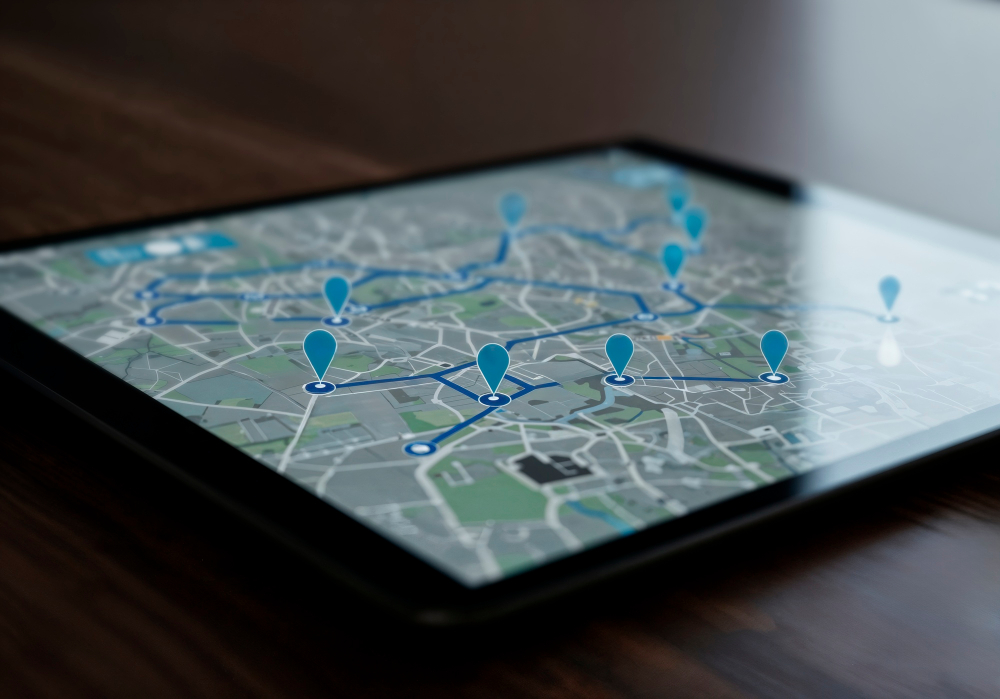
Once visibility is established, the next major lever is route efficiency. Poor routing wastes fuel, extends labor hours, and reduces the number of jobs a driver can complete each day.
Verizon Connect’s route optimization tools calculate the most efficient path between multiple stops, factoring in traffic conditions, delivery windows, and vehicle capacity. Consequently, drivers spend less time stuck in traffic or backtracking across a service area. Dispatchers also gain the ability to reroute drivers on the fly when a job gets added or canceled, which keeps schedules tight without wasting mileage.
The savings compound quickly across a fleet:
- Fewer miles driven per job means lower fuel consumption.
- Shorter routes mean less wear on tires, brakes, and engines.
- Tighter schedules allow more completed jobs per shift, improving revenue per vehicle.
- Reduced overtime, since efficient routes finish within scheduled hours more consistently.
Because fuel and labor together often represent the majority of a fleet’s variable costs, even a modest improvement in routing efficiency produces a measurable effect on the bottom line.
How Does Verizon Connect Improve Vehicle Maintenance and Uptime?
Unplanned breakdowns are expensive in more than one way. They generate emergency repair bills, but they also cause missed jobs, frustrated customers, and towing costs that rarely show up in a maintenance budget until the invoice arrives.
How Do Maintenance Alerts Prevent Costly Breakdowns?
Verizon Connect monitors engine diagnostics and mileage automatically, then sends alerts when a vehicle is due for service. This shifts fleets away from reactive repairs and toward preventative maintenance, which is consistently cheaper. Preventative servicing catches small issues, such as worn brake pads or low fluid levels, before they escalate into major repairs that take a vehicle off the road for days.
How Does Preventative Maintenance Extend Vehicle Lifespan?
Beyond avoiding emergency repairs, consistent maintenance protects the long-term value of each vehicle. Well-maintained trucks and vans hold their resale value better, require fewer part replacements over time, and stay in service longer before needing replacement. Since vehicle acquisition is one of the largest capital expenses a fleet faces, extending each vehicle’s useful life directly reduces the pace at which new purchases become necessary.
How Does Driver Behavior Monitoring Reduce Accidents and Insurance Costs?

Driving habits influence nearly every cost category in a fleet, from fuel burn to maintenance frequency to insurance premiums, which makes driver behavior one of the highest-leverage areas for cost control.
Verizon Connect scores driving behavior by tracking events like harsh braking, rapid acceleration, speeding, and sharp cornering. Fleet managers use these scores to identify drivers who need coaching, and many companies tie the data to formal training programs or incentive plans. Over time, safer driving habits reduce the frequency of accidents, which in turn helps stabilize or lower insurance premiums.
The connection between driver behavior and cost savings runs through several channels:
- Lower accident rates reduce vehicle repair costs and insurance claims.
- Smoother driving improves fuel efficiency by reducing unnecessary acceleration and braking.
- Reduced wear on components like brakes and tires extends maintenance intervals.
- Fewer liability incidents protect the company from legal and reputational costs.
Because these benefits reinforce one another, many fleets treat driver coaching as one of the fastest ways to see a return on their telematics investment.
How Do Compliance and ELD Tools Cut Administrative Costs?
Regulatory compliance is not optional, but the way a fleet manages it can either drain resources or run efficiently in the background.
Verizon Connect includes electronic logging device (ELD) functionality that automates hours-of-service tracking, which removes much of the manual paperwork that compliance historically required. Drivers complete electronic vehicle inspection reports directly through the platform, and that data syncs instantly with office staff, eliminating delays caused by paper forms getting lost or filed incorrectly.
This automation matters financially because compliance violations carry real costs. Missed inspections, incomplete logs, or hours-of-service violations can trigger fines during audits, and in serious cases they can result in a fleet being placed out of service temporarily. By digitizing these processes, Verizon Connect reduces both the labor hours spent on paperwork and the financial risk tied to compliance failures.
How Does Asset Utilization Data Help Right-Size the Fleet?
Many fleets carry more vehicles than they actually need, simply because no one has measured utilization closely enough to notice the imbalance.
Verizon Connect generates utilization reports that show exactly how often each vehicle runs, how far it travels, and how it compares to similar vehicles in the fleet. When a manager notices that certain trucks sit unused for long stretches, that data opens the door to real decisions: selling underused vehicles, renegotiating leases, or reallocating assets to busier routes. Because every vehicle carries fixed costs such as insurance, depreciation, and licensing regardless of how much it is driven, trimming an oversized fleet can produce substantial savings without affecting service capacity.
How Does This Data Support Smarter Purchasing Decisions?
Utilization data also informs future purchasing. Instead of buying new vehicles based on assumptions, fleet managers can point to actual usage patterns and decide whether additional capacity is genuinely needed or whether existing assets, used more efficiently, can absorb the extra workload.
How Does Video and Dashcam Technology Lower Liability Costs?

Accidents cost far more than the visible repair bill. Legal fees, insurance claims, downtime, and reputational damage often outweigh the price of fixing a dented bumper, which is why video technology has become a core part of modern fleet cost control.
How Do AI Dashcams Protect Fleets From False Claims?
Verizon Connect’s video solutions capture footage of the road and the driver, and this footage becomes critical evidence when an accident occurs. Without video, a fleet often has no way to dispute an inflated or fraudulent claim, and insurers may simply defer to the other party’s version of events. With recorded footage available, fleets can push back on false accusations, which prevents unnecessary payouts and helps keep premiums from climbing after incidents that were never the driver’s fault.
How Does In-Cab Coaching Reduce Risky Driving in Real Time?
Beyond capturing footage after the fact, AI-powered dashcams can alert drivers in the moment when they exhibit risky behavior, such as following too closely or drifting out of a lane. This immediate feedback loop reinforces safer habits faster than after-the-fact coaching sessions, and it reduces the number of incidents that ever reach the claims stage in the first place. Over time, fewer claims translate directly into lower insurance costs and less time spent on incident investigations.
How Does Verizon Connect Support Sustainability Goals While Cutting Costs?
Sustainability and cost control are often treated as separate goals, but in fleet operations they overlap almost completely. Every gallon of fuel saved reduces both an expense line and an emissions figure, which means the same telematics data that lowers costs also supports environmental targets.
Verizon Connect tracks fuel consumption and idling time at a granular level, giving fleet managers the information needed to set realistic emissions-reduction targets and measure progress against them. Route optimization plays a dual role here as well, since shorter, more efficient routes burn less fuel and therefore produce fewer emissions per completed job. For fleets that report to customers, regulators, or investors on sustainability metrics, this data provides a defensible, measurable foundation rather than rough estimates.
Additionally, utilization reports that help right-size a fleet also reduce the environmental footprint tied to manufacturing and maintaining unnecessary vehicles. In this sense, nearly every cost-saving strategy discussed so far, from route efficiency to preventative maintenance, contributes to sustainability goals as a natural byproduct rather than a separate initiative requiring extra investment.
Where Do the Savings Add Up? A Cost Category Overview
The table below ties each Verizon Connect feature to the cost category it targets, making it easier to see the full picture at a glance.
| Fleet Cost Category | Verizon Connect Feature | How Costs Are Reduced |
|---|---|---|
| Fuel | GPS tracking, route optimization | Less idling, shorter routes, fewer wasted miles |
| Maintenance | Diagnostic alerts, service reminders | Preventative repairs instead of emergency fixes |
| Labor | Route optimization, geofencing | Fewer unauthorized stops, tighter schedules |
| Insurance | Driver behavior scoring | Fewer accidents, safer driving habits |
| Compliance | ELD and digital DVIR tools | Automated logs, fewer fines and audit risks |
| Capital expenses | Asset utilization reports | Right-sized fleet, smarter purchasing decisions |
Does Verizon Connect Deliver Different Value Across Industries?
Not every fleet faces the same cost pressures, so it helps to look at how Verizon Connect’s tools apply across a few common industries rather than treating fleet management as a one-size-fits-all problem.
How Does a Construction Fleet Benefit Differently Than a Delivery Fleet?
Construction fleets often manage heavy equipment spread across multiple job sites, so asset tracking and geofencing matter enormously for confirming that machinery arrives where it is needed and stays there without unauthorized movement. Delivery and last-mile fleets, on the other hand, run tighter schedules with many daily stops, which makes route optimization and real-time rerouting the features that generate the biggest savings. In both cases the underlying data is similar, but the priority placed on each feature shifts based on how the vehicles are actually used.
How Do Government and Utility Fleets Use the Platform Differently?
Government and utility fleets carry additional public accountability requirements, so reporting tools that document vehicle usage, emissions, and response times during outages or emergencies carry extra weight. These fleets also tend to hold onto vehicles longer, which makes preventative maintenance alerts especially valuable, since replacing specialized utility vehicles is far more expensive and time-consuming than replacing a standard delivery van.
Why Does This Matter for Choosing an Implementation Strategy?
Because the same platform serves such different operational needs, simply turning on every available feature without a plan rarely produces the best results. Fleets get more value when they identify their specific cost pressures first, whether that is fuel waste, equipment misuse, or compliance risk, and then configure Verizon Connect’s dashboards and alerts around those priorities. This is exactly the kind of tailored setup that a dedicated implementation partner can help design from the outset.
What ROI Can Fleets Expect From Verizon Connect?

Return on investment varies by fleet size, industry, and how thoroughly a company adopts the available tools, but the pattern across most implementations is consistent: savings accumulate from several smaller improvements rather than one dramatic change. Fuel savings alone often cover a meaningful portion of the platform’s cost, and when fleets add maintenance, insurance, and labor improvements, they recover their investment within the first year.
That said, ROI depends heavily on implementation quality. A data-rich platform only delivers value when organizations configure it correctly, integrate it with existing systems, and establish clear processes for acting on the insights it generates. A fleet that installs GPS units but never reviews the resulting reports will see far less benefit than one that builds regular coaching sessions, maintenance reviews, and route audits around the data. In other words, the technology creates the opportunity for savings, but the fleet’s internal habits determine how much of that opportunity actually gets captured. This is precisely where a specialized technology partner becomes valuable, which the next section explores in more detail.
Conclusion
Fleet operating costs will always face pressure from fuel prices, aging vehicles, and rising insurance premiums, but the data now exists to fight back against each of these pressures directly. Verizon Connect: Fleet Management Software and Solutions gives fleet managers the visibility, automation, and reporting tools needed to target fuel waste, prevent costly breakdowns, improve driver safety, and right-size their vehicle count. None of these improvements happen instantly, but together they build a fleet that runs leaner month after month. Businesses that commit to using the platform’s full feature set, rather than just the basic tracking functions, tend to see the strongest and most lasting cost reductions. Just as importantly, the fleets that treat implementation as an ongoing process, rather than a one-time software purchase, are the ones that keep finding new savings months and even years after the initial rollout.
Frequently Asked Questions
Most fleets notice early savings within the first few months, particularly in fuel costs and reduced idling, since these improvements depend mainly on driver behavior changes and route adjustments. Savings tied to maintenance and insurance typically build up over a longer period, often six to twelve months, as preventative practices replace reactive repairs and safer driving habits reduce accident frequency.
Verizon Connect scales across fleet sizes, and small businesses use the same core features as large enterprises, including GPS tracking, route optimization, and maintenance alerts. Smaller fleets often benefit proportionally more from utilization reporting, since even one or two underused vehicles can represent a significant share of a small fleet’s total costs.
Yes, and this is an area where working with an integration specialist like Solution for Guru becomes particularly useful. While Verizon Connect provides robust reporting on its own, connecting that data to CRM systems, payroll platforms, or dispatch software requires custom integration work that goes beyond the platform’s default setup, and a knowledgeable technology partner can build those connections efficiently.
What Are the Benefits of Partnering With Solution for Guru?
Adopting a platform like Verizon Connect is only the first step; getting full value from it requires proper setup, integration, and ongoing optimization. This is where Solution for Guru adds real value for fleet-based businesses.
Solution for Guru specializes in CRM, SaaS, and system integrations, which means the team can connect Verizon Connect’s data with the other software a company already relies on, such as dispatch systems, payroll platforms, or customer management tools. Instead of fleet data sitting in isolation, it becomes part of a connected workflow that supports faster decisions across the whole business.
Working with Solution for Guru offers several practical advantages:
- Faster, cleaner implementation, reducing the setup errors that delay a fleet’s time to savings.
- Custom integrations between Verizon Connect and existing CRM, payroll, or project management software.
- Ongoing technical support so internal teams are not left troubleshooting alone.
- Automation expertise, helping fleets turn raw telematics data into automated alerts and reports rather than manual reviews.
- Strategic guidance on which features to prioritize based on a fleet’s specific cost challenges.
Because every fleet has a different mix of vehicles, routes, and existing software, a tailored integration approach typically produces better results than a generic, self-managed rollout. Partnering with a team that understands both the technical and business sides of the process helps fleets reach their cost-saving goals faster and with fewer setbacks.
Recommended
- Integrating Verizon Connect with ERP Systems
- Best Motive Integrations for Fleet Management
- How Does Samsara Work?
- Is Motive Worth the Investment? ROI for Fleet Operators
- How Motive Improves Dispatcher Efficiency
- How Motive Helps Reduce Fleet Operating Costs
- Azuga Review: Features, Pros, Cons, and Best Use Cases
- What Is Azuga Fleet Management Software? A Complete Guide
- Top Reasons Businesses Choose Motive Fleet Management
- Samsara Review: Features, Pros, Cons, and Best Use Cases
- What Is Samsara GPS Fleet Tracking Software?
- Verizon Connect Review: Features, Pros, Cons, and Best Use Cases
- What Is Verizon Connect Fleet Management Software?
- Motive Pricing Plans Explained: How Much Does Motive Cost?
- What Is Motive Fleet Management?
- What Is the True Cost Breakdown of Fleet Tracking Systems?
- Offline Tracking: How Do Devices Store Data Without Connectivity?
- Real-Time Tracking vs Passive Tracking: What Are the Key Differences?